Category

Pedestrian Accident

Vacation Injury in california

Injured While on Vacation in California

By Bicycle Accident, Boating Accident, Car Accident, E-Bikes and E-Scooters, Motorcycle Accident, Pedestrian Accident, Personal Injury, Public Entity, Slip or Trip and Fall

A Vacation Can Change Quickly

A California vacation is supposed to be relaxing. Whether you are visiting Disneyland, enjoying the beaches in San Diego, exploring Los Angeles, or driving the Pacific Coast Highway, the last thing you expect is an injury. Unfortunately, accidents happen every day to tourists and out of state visitors.

If you were injured while on vacation in California, you may suddenly face medical bills, missed work, travel disruptions, and uncertainty about what to do next. Many visitors are unsure whether they can file a claim in California if they live in another state. Others worry about handling insurance companies from far away.

The good news is that you may still have legal options under California law. Taking the right steps after an accident can help protect both your health and your potential injury claim.

At Fielding Law, we help injured visitors understand their rights and navigate the legal process after a California accident.

Common Vacation Injuries in California

Tourist injuries can happen almost anywhere. California attracts millions of visitors each year, which means hotels, attractions, highways, and public spaces are constantly busy.

Some of the most common vacation related injury claims include:

For example, a visitor may slip near a hotel pool because of poor maintenance. Another tourist could suffer injuries in a rear end collision while driving a rental car through unfamiliar traffic. Even a simple fall at a resort or shopping center can lead to serious injuries and long recovery times.

California premises liability laws may allow injured visitors to seek compensation when negligence contributed to the accident.

What To Do After Being Injured While on Vacation in California

Seek Medical Attention Immediately

Your health comes first. Even if your injuries seem minor, it is important to get evaluated by a medical professional. Some injuries, including concussions, soft tissue injuries, and internal injuries, may not appear immediately.

Prompt medical treatment also creates documentation that may later support your claim.

Report The Incident

If your injury happened at a hotel, resort, amusement park, restaurant, or business, report the incident as soon as possible. Ask for a written report if available.

If law enforcement responds to a car accident, request information about the police report.

Document Everything

Photos can become important evidence later. Take pictures of:

  • The accident scene
  • Hazardous conditions
  • Visible injuries
  • Property damage
  • Weather or lighting conditions

You should also save receipts, medical paperwork, travel records, and communications related to the accident.

Avoid Giving Recorded Statements

Insurance adjusters may contact you quickly after an accident. Be careful when discussing injuries before you fully understand your medical condition.

It is usually best to avoid recorded statements until you have spoken with an attorney.

Contact A California Injury Attorney

If your accident happened in California, your case will likely involve California laws and procedures. Working with an attorney licensed in California can help simplify the process, especially if you live elsewhere.

Why California Law Matters

Many visitors assume they can simply handle the case from their home state. However, California injury claims often involve California insurance rules, deadlines, liability laws, and court procedures.

California generally gives injured individuals two years to file a personal injury lawsuit, although exceptions may apply depending on the facts of the case. Waiting too long could affect your ability to recover compensation.

California also follows comparative negligence rules. This means compensation may still be available even if an injured person shares partial responsibility for the accident.

Because vacation injury claims can involve multiple insurance companies, rental car providers, hotels, or commercial businesses, these cases may become more complex than expected.

Challenges Visitors Often Face

Returning Home Before Recovery

Many tourists leave California before their treatment is complete. This can make communication and record gathering more difficult.

Dealing With Multiple Insurance Companies

Vacation accidents sometimes involve several parties. A hotel may have one insurance carrier while a rideshare company or rental vehicle may involve another.

Delayed Symptoms

Travelers often try to continue their vacation despite pain or discomfort. Unfortunately, delaying treatment can sometimes make injuries worse.

Evidence Disappears Quickly

Security footage, witness statements, and incident reports may not remain available forever. Early action can help preserve evidence.

Can You Still File A Claim If You Live Out Of State?

Yes, many injured tourists can still pursue California injury claims even after returning home. Your attorney can often help coordinate medical records, communication, negotiations, and case management remotely.

In many situations, clients do not need to remain in California throughout the process.

An experienced California personal injury attorney can also communicate directly with insurance companies so you can focus on your recovery.

Frequently Asked Questions

What should I do if I was injured at a California hotel?

Report the incident immediately, seek medical care, take photos of the scene, and preserve all records related to the accident and your injuries.

Can I file a claim after I return home?

Yes. Many visitors continue their injury claims after returning to their home state.

How long do I have to file a California injury claim?

California generally has a two year statute of limitations for personal injury claims, although some exceptions may apply.

What if I was injured in a rental car accident?

Rental car accidents can involve multiple insurance policies. It is important to review coverage carefully before speaking extensively with insurers.

Do I need a California attorney?

If your accident happened in California, working with a California licensed attorney can help you understand local laws and procedures.

Why Hire Fielding Law

At Fielding Law, we understand how overwhelming a vacation injury can feel, especially when you are far from home. Our team provides compassionate, personalized support while helping clients navigate the complexities of California personal injury claims. We focus on clear communication, responsive guidance, and helping injured individuals understand their options every step of the way.

Protect Yourself After A Vacation Injury

An injury can turn a memorable trip into a stressful experience. However, the actions you take after the accident may significantly affect your recovery and your legal options.

Seeking prompt medical care, documenting the incident, and speaking with a California injury attorney can help you move forward with confidence.

If you were injured while on vacation in California, contact Fielding Law for a free consultation or call 833.88.SHARK to discuss your situation.

Note: Information provided is for educational purposes and does not constitute legal advice. Always consult with a qualified attorney for legal concerns.

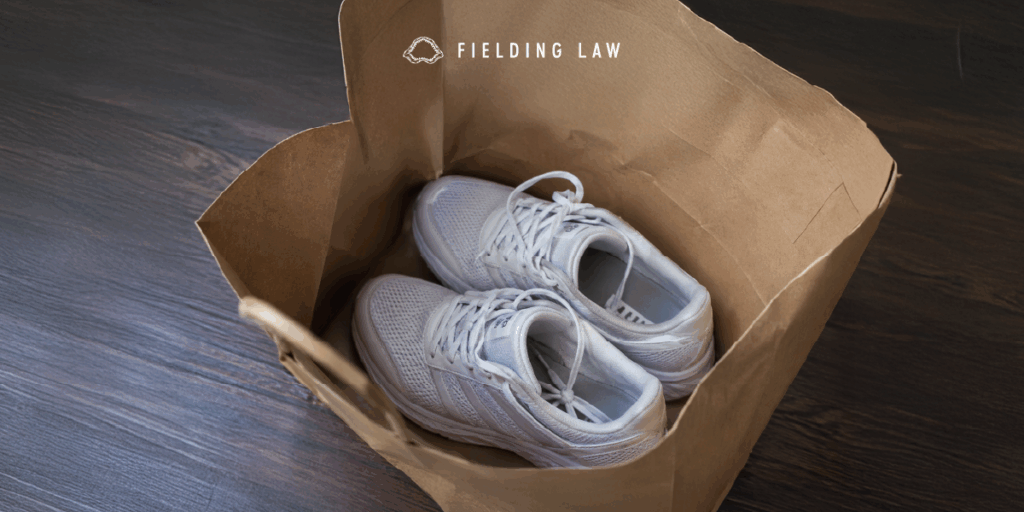
Pair of shoes saved in a bag like evidence

How to Store Evidence Properly After an Injury

By Car Accident, Pedestrian Accident, Personal Injury, Product Liability, Slip or Trip and Fall

A Small Mistake Can Cost You

After an injury, most people focus on recovery first. That is understandable. However, how evidence is handled early on can shape the outcome of a claim.

Simple storage mistakes can damage important items. Moisture, heat, and lack of airflow can change their condition. Once that happens, questions may arise later about authenticity or timing.

Understanding how to store evidence for injury claim situations helps protect the strength of the case. The goal is to keep everything safe, unchanged, and properly preserved.

What This Means For Your Claim

Evidence helps explain what happened when you are not there to tell the story. Insurance companies rely on it when reviewing injuries, liability, and damages.

Proper storage helps:

  • Preserve original condition
  • Prevent mold, odor, or deterioration
  • Maintain credibility of evidence
  • Support the full value of a claim

Poor storage can weaken even strong evidence.

Types Of Evidence You Should Protect

Physical Items

Physical evidence is often central in an injury claim. These items should never be repaired, cleaned, or altered.

Examples include:

  • Torn clothing or shoes
  • Damaged helmets or safety gear
  • Broken vehicle parts
  • Defective products
  • Personal items involved in the incident

How To Store Physical Items Properly

How items are stored matters just as much as what is stored.

  • Allow items to air dry naturally before storing
  • Use paper bags or breathable wrapping instead of plastic
  • Avoid sealing moisture inside, which can lead to mold
  • Store in a cool, dry place away from humidity
  • Label each item with date and incident details

Shoes are a common example. They should be dried first and then placed in a paper bag. Paper allows airflow and helps prevent mold. Plastic traps moisture and can damage the evidence over time.

Photos And Videos

Photos and videos document details that cannot be recreated later.

Keep:

  • Injury progression photos
  • Scene photos from multiple angles
  • Property damage photos
  • Any surveillance footage if available

Always save original files. Do not edit, crop, or filter them. Back them up in more than one location.

Medical Records

Medical records connect injuries directly to the incident.

Keep copies of:

  • Emergency room visits
  • Doctor evaluations
  • Treatment plans
  • Therapy notes
  • Medical bills

Organize them in chronological order so the timeline is clear.

Written Notes And Communication

Written details help preserve information that may fade over time.

Track:

Keep everything in one organized system so nothing is lost.

Common Mistakes People Make

Storing Items In Plastic Bags

Plastic traps moisture. That can lead to mold, odor, and material breakdown.

Once the condition changes, it may raise questions about whether the evidence is still reliable.

Do Not Throw Away Damaged Items

People often clean up quickly after an incident. That can lead to important items being discarded.

Once evidence is gone, it cannot be recovered.

Do Not Repair Evidence Too Soon

Fixing damaged items removes proof of their original condition.

Always document everything before making repairs.

Editing Photos Or Videos

Even small edits can create issues later.

Always keep original, unedited files.

Best Practices For Storing Evidence

Keep Everything In One Place

Create a simple system:

  • Physical box for items
  • Digital folder for photos and records

Use Backups

Store digital files in at least two locations:

  • Cloud storage
  • External drive

Label Everything Clearly

Include:

  • Date
  • Time
  • Location
  • Short description

Protect Without Changing

Do not wash, repair, or alter items. Preserving original condition is key.

Real World Example

In a slip and fall case, one person keeps their shoes, allows them to dry, and stores them in a paper bag. They also take photos and save medical records.

Another person places wet shoes in a plastic bag. Days later, mold develops and the condition changes.

The first situation preserves usable evidence. The second creates uncertainty about what changed and when.

Legal Considerations You Should Know

Evidence helps support your version of events and protects you during disputes.

Insurance companies may question:

  • How the incident happened
  • Whether injuries are as serious as claimed
  • When damage occurred

Well preserved evidence helps reduce those disputes.

In states like California and Arizona, documentation plays a major role in injury claims. Clear timelines and preserved items can influence how liability and damages are evaluated.

What People Usually Do After An Incident

Most people:

  1. Seek medical care
  2. Contact insurance
  3. Repair or replace damaged items
  4. Move forward quickly

What is often missed is proper evidence storage. That step can make a meaningful difference later.

Frequently Asked Questions

How should shoes be stored after an injury?

Let them air dry first. Then place them in a paper bag or breathable wrapping and store them in a cool, dry place.

Why is plastic bad for evidence storage?

Plastic traps moisture, which can lead to mold, odor, and damage that changes the condition of the item.

Can I clean items before storing them?

No. Cleaning can remove important details that may be needed later.

How long should evidence be kept?

Keep all evidence until the claim is fully resolved.

Why Hire Fielding Law

Fielding Law helps clients protect every part of their case, including details that are often overlooked. Proper evidence storage can make a real difference in how a claim develops. Careful guidance early on helps prevent mistakes that can weaken a case later.

Protect Your Case Early

The way evidence is stored matters more than most people realize. Simple steps like using paper instead of plastic can preserve critical details.

If you have questions about your situation, contact Fielding Law at 833.88.SHARK for a free consultation.

Note: Information provided is for educational purposes and does not constitute legal advice. Always consult with a qualified attorney for legal concerns.
Balance scale on a wooden table

Can I Still Recover if I Was Partially at Fault in Arizona?

By Bicycle Accident, Car Accident, Dog / Animal Bite, Motorcycle Accident, Pedestrian Accident, Personal Injury

Yes. You can still recover money in Arizona even if you were partly at fault for the crash. However, your recovery goes down based on your share of fault. Still, you are not blocked from bringing a claim.

Arizona uses a comparative fault rule. Because of this, each person in a crash gets a share of fault.

How Shared Fault Affects Compensation in Arizona

Your compensation goes down based on fault percentage. However, you can still recover the rest from the other party.

For example, if damages equal 100,000 dollars and you are 20 percent at fault, then you recover 80,000 dollars.

How Fault Is Decided in Arizona

Fault gets decided after a full review of the facts. In most cases, both insurance companies and investigators look at the same evidence.

Common evidence includes:

  • Police reports
  • Witness statements
  • Photos and video
  • Vehicle damage
  • Traffic laws
  • Medical records

In addition, timing matters. For example, early medical care can support your version of events. Also, crash photos can help show how the accident happened.

Insurance Companies and Shared Fault

Insurance companies often try to raise your fault percentage. As a result, they can reduce what they pay.

Even a small change in fault can make a big difference. Therefore, strong evidence can matter a lot in these cases.

Why Fault Percentage Matters

Fault percentage directly changes your recovery. Because of this, small shifts can have large results.

For example:

  • 10 percent fault on 100,000 dollars means 90,000 dollars recovery
  • 30 percent fault on 100,000 dollars means 70,000 dollars recovery

What to Do After a Crash Involving Shared Fault

After a crash, fault may not be clear. In fact, it often changes after a full review.

So, it helps to:

Early details can help support your claim later.

Why Hire Fielding Law

Fielding Law helps injured people understand how Arizona fault rules apply after a crash. In many cases, both sides try to shift blame. Because of that, careful review of the facts matters.

Fielding Law works to protect clients from unfair fault claims. At the same time, the firm pushes for fair compensation for medical bills, lost income, and other losses.

If you have questions after a crash, call 833.88.SHARK.

Note: Information provided is for educational purposes and does not constitute legal advice. Always consult with a qualified attorney for legal concerns.
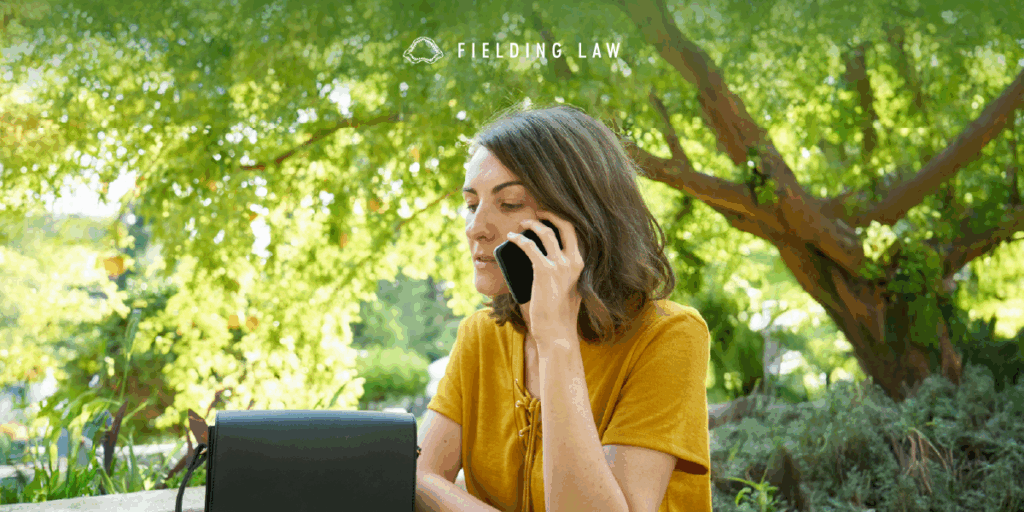
Woman on the phone talking to the insurance companies after and injury. She is sitting outside with a tree in the background

What Insurance Companies Do Not Tell Injury Victims

By Bicycle Accident, Bus Accident, Car Accident, Motorcycle Accident, Pedestrian Accident, Personal Injury, Premises Liability, Slip or Trip and Fall

Common Practices Insurance Companies Do Not Disclose

When you are injured in an accident, the last thing you want is added stress. Insurance companies are often quick to contact victims after an incident, but their primary goal is to protect their bottom line, not yours. Understanding their tactics can help you avoid mistakes that may affect your claim.

1. Early Contact Is Not Always Helpful

Insurance adjusters will often reach out soon after an accident to gather statements. While they may appear friendly or concerned, every word you share can be used to minimize your claim. They may not tell you that admitting even minor details could limit compensation later.

2. They May Undervalue Your Claim

Insurance companies have standard formulas to calculate compensation, and these often fail to consider long-term medical costs, lost wages, or emotional trauma. They rarely explain that their initial settlement offers are usually lower than what you deserve.

3. Recorded Statements Are Risky

You may be asked to give a recorded statement. Adjusters present this as routine, but they may use your words against you. They rarely warn that statements taken out of context can reduce or even deny your claim.

4. They Count on Quick Settlements

Insurance companies prefer to settle claims quickly to avoid higher payouts. They rarely tell you that waiting to fully understand your injuries, including ongoing medical treatment, could result in fairer compensation.

5. Legal Representation Is Your Right

Many victims do not know that you can consult an attorney before speaking with an insurance adjuster. Adjusters may not emphasize that having legal representation ensures your rights are protected and can significantly increase your chances of fair compensation.

Protect Yourself After an Injury

  • Do not give detailed statements without consulting an attorney.

  • Keep thorough records of medical treatment, expenses, and missed work.

  • Consult a personal injury lawyer before accepting any settlement offer.

Why Hire Fielding Law

At Fielding Law, we guide injury victims through the claims process while protecting their rights. We know the strategies insurance companies use to minimize payouts, and we fight for the compensation our clients deserve. Call 833.88.SHARK to speak with a knowledgeable attorney who will prioritize your well-being and your claim.

Note: Information provided is for educational purposes and does not constitute legal advice. Always consult with a qualified attorney for legal concerns.

Drivers on an Arizona split highway

In Arizona: Who Pays When Drivers Have No Insurance

By Bicycle Accident, Bus Accident, Car Accident, Catastrophic Injury, Motorcycle Accident, Pedestrian Accident, Truck Accident

The Reality of Uninsured Drivers

Most drivers assume the other person involved in a crash will have insurance. Unfortunately, that is not always the case. Some drivers operate vehicles without coverage, while others carry only the minimum limits required by law.

In Arizona, the law requires drivers to carry liability insurance. However, minimum policies do not always cover the full cost of serious injuries. Medical care, lost income, and long term recovery can quickly exceed those limits.

Because of this risk, Arizona law requires insurance companies to offer additional types of protection when drivers purchase auto insurance.

What Is Uninsured Motorist Coverage?

Uninsured motorist coverage, often called UM coverage, is designed for situations where the at fault driver does not have insurance.

Under Arizona Revised Statutes § 20-259.01, insurers that sell automobile liability policies must offer uninsured motorist coverage to drivers in writing. Drivers can decide whether to accept or decline this protection when they purchase their policy.

In simple terms, uninsured motorist coverage may apply when someone is injured in a crash caused by a driver who does not carry insurance.

What Is Underinsured Motorist Coverage

Arizona law also addresses underinsured motorist coverage, often called UIM coverage.

According to A.R.S. § 20-259.01(G), underinsured motorist coverage may apply when the total available liability insurance from the at fault driver is less than the injured person’s damages.

In practical terms, this situation may arise when the at fault driver has insurance, but the policy limits are not high enough to cover the full extent of the injuries.

Arizona law treats uninsured and underinsured coverage as separate protections. A.R.S. § 20-259.01(H) explains that these coverages apply to different accident situations.

What Happens in Hit and Run Crashes

Some crashes involve drivers who leave the scene and cannot be identified. These cases can be especially stressful for injured victims.

Arizona law recognizes that certain claims may involve unidentified vehicles. Under A.R.S. § 20-259.01(M), additional evidence may be required when there is no physical contact between vehicles. This evidence may include witness testimony or other information that helps confirm how the crash occurred.

Every situation is unique, and the details surrounding the crash can affect how insurance coverage is evaluated.

Why Insurance Details Matter

Many people do not look closely at their insurance policy until after a collision happens. Unfortunately, by that time the choices made when purchasing coverage can play a major role in how insurance applies.

Factors such as policy limits, number of vehicles on a policy, and coverage selections can all influence what protection may be available after an accident.

Understanding the basics of uninsured and underinsured motorist coverage can help drivers better understand the risks that exist on Arizona roads.

Why Hire Fielding Law

After a crash, insurance questions can become complicated. Policies may contain detailed language and multiple types of coverage that apply differently depending on the circumstances. Fielding Law approaches every case with professionalism, civility, and kindness while helping injured clients understand their options. If you or a loved one has been injured due to negligence, call 833.88.SHARK to speak with a team committed to improving the lives of those they serve.

Note: Information provided is for educational purposes and does not constitute legal advice. Always consult with a qualified attorney for legal concerns.
crowd of people at a concert

Concert Chaos And Injuries

By Car Accident, Pedestrian Accident, Personal Injury, Premises Liability, Public Entity, Slip or Trip and Fall, Wrongful Death

When A Concert Night Turns Dangerous

A packed crowd moves with the beat, lights flash across the stage, and excitement builds with every song. In seconds, the energy shifts. Someone falls near a barricade, a crowd pushes forward, and there is nowhere to move. What felt like a celebration becomes confusion and injury.

A concert injury claim may arise when someone is hurt at a live event and unsafe conditions or negligence may have contributed to what happened.

This topic matters because large events bring real risks that are not always visible until something goes wrong. This blog explains how these incidents happen, what they may mean legally, and what steps people often consider afterward.

What This Means

A concert injury claim refers to a situation where a person is injured at a live event and there is concern that unsafe conditions played a role. This does not require intentional harm. It focuses on whether reasonable care was taken to keep guests safe.

A live concert or festival often involves multiple responsible parties. This may include venue operators, event organizers, security teams, and third party contractors.

In California and Arizona, premises liability principles often apply. These generally require those in control of a property or event to take reasonable steps to protect invited guests from foreseeable harm.

Large gatherings increase risks such as crowd pressure, blocked exits, and limited visibility, which makes safety planning especially important.

Common Causes or Real Examples

Concert injuries can happen in many different ways, often tied to crowd size, venue design, or safety oversight.

Common situations include:

  • Crowd surges near the stage or exits
  • Poor crowd control or delayed security response
  • Slippery surfaces from spills or weather exposure
  • Overcrowding beyond safe capacity
  • Inadequate lighting in walkways or stairs
  • Faulty barricades or stage equipment failures
  • Trip hazards such as cables or uneven flooring

A real example may involve a guest pushed forward during a sudden crowd surge who suffers a broken wrist after falling against a barrier. Another situation may involve a visitor slipping in a dimly lit hallway with no warning signs present.

These cases often depend on how predictable the hazard was and whether reasonable safety measures were in place.

Legal Rights or Key Information

Concert injury cases often focus on whether proper safety precautions were taken and whether risks were foreseeable.

Insurance Considerations

Most large venues and event promoters carry liability insurance. These policies may apply when injuries occur under covered conditions. Insurance carriers often begin investigating quickly after an incident.

Liability Basics

Liability typically depends on whether the responsible party acted reasonably under the circumstances. In California and Arizona, venue operators generally have a duty to maintain reasonably safe conditions for guests.

Not every injury leads to liability. The details matter, including staffing, safety planning, and hazard prevention efforts.

Common Disputes

Disagreements often center on:

  • Whether the crowd conditions were foreseeable
  • Whether security staffing was adequate
  • Whether warnings or barriers were provided
  • Whether the injured person contributed to the incident

These questions are fact driven and often require evidence such as video footage, incident reports, and witness accounts.

What People Usually Do After An Incident

After a concert injury, many people first seek medical attention, even if symptoms seem mild at the time. Some injuries develop or worsen later.

People often report the incident to event staff or security. Photos of the scene, injuries, or hazards may be taken when possible. Witness contact information can also be helpful if available.

Medical documentation becomes important for tracking treatment and recovery. Insurance communication may follow depending on the circumstances.

Some individuals choose to seek legal guidance to better understand whether negligence may have played a role and what options may exist based on the facts.

Frequently Asked Questions

Can I pursue a claim after a concert injury?

A claim may be possible if unsafe conditions or negligence contributed to the injury. The outcome depends entirely on the specific facts.

What if I was injured in a crowd surge?

Crowd related injuries often involve questions about planning, staffing, and control measures. Responsibility depends on what safety steps were taken.

What evidence helps in these cases?

Helpful evidence may include photos, video, medical records, and witness information. Each piece helps clarify what occurred.

Who may be responsible for a concert injury?

Responsibility may involve multiple parties such as venue operators, event organizers, or security contractors depending on the situation.

Why Hire Fielding Law

Fielding Law handles concert injury cases with care, attention, and a focus on clear communication. These matters often involve complex event setups, multiple responsible parties, and detailed insurance reviews. The firm prioritizes understanding each client’s experience while building a thoughtful and well supported case strategy.

What Comes Next After A Concert Injury

A concert injury can leave uncertainty about what happened and what should come next. Liability often depends on safety conditions, crowd control, and event management decisions.

Understanding those details can help bring clarity during a stressful time. Fielding Law is available to review what happened and help evaluate possible next steps.

Call 833.88.SHARK for a Free Consultation.

Note: Information provided is for educational purposes and does not constitute legal advice. Always consult with a qualified attorney for legal concerns.
Clark Fielding Arizona attroney, Savonnah Saumers Director of Operations, Ryan Cooper California Attorney

Choosing the Right Arizona Injury Lawyer

By Bicycle Accident, Boating Accident, Bus Accident, Car Accident, Dog / Animal Bite, Motorcycle Accident, Pedestrian Accident, Personal Injury, Premises Liability, Product Liability, Public Entity, Rideshare Accident, RV Accident, Slip or Trip and Fall, Train Accident, Truck Accident, Wrongful Death

After an accident, life can feel overwhelming. Medical visits pile up, bills arrive, and insurance adjusters keep calling. At the same time, advertisements from law firms appear everywhere, which can make the decision even more stressful. Finding a trusted Arizona injury lawyer may seem difficult, but a clear approach can help you choose with confidence.

Start With Arizona Experience

First, confirm that the lawyer understands Arizona law. Each state has its own rules, and Arizona follows pure comparative negligence. This means your recovery could be reduced if you share fault for the accident.

Because of this rule, your attorney should build a strong case from the start. A trusted Arizona injury lawyer knows how to collect evidence, review crash reports, and respond to insurance tactics. Local court experience can also make a difference if your case goes to trial.

Choose a Firm That Focuses on Injury Cases

Next, consider the firm’s focus. Some firms divide their work across many practice areas, but serious injury claims need careful attention. Medical records, lost wages, and future care costs require skill and experience.

Ask whether the attorney regularly handles cases like yours. Car crashes, pedestrian injuries, trucking collisions, and wrongful death claims all need different strategies. A firm that focuses on injury cases is more likely to provide strong preparation and clear guidance.

Pay Close Attention to Communication

Equally important, notice how the attorney interacts with you during the first meeting. Good representation starts with listening.

A trusted Arizona injury lawyer should:

  • Listen carefully to your concerns

  • Explain the process in simple language

  • Answer questions clearly

  • Set realistic expectations

You should never feel rushed or ignored. Regular updates and steady communication help reduce stress while your case moves forward.

Review Reputation and Client Feedback

Then, look at past client reviews. Consistent feedback can show how a firm handles its clients. Do clients feel supported? Do they describe clear communication and respect?

No lawyer can guarantee a result, but positive patterns can indicate a strong commitment to client care. Reputation builds over time and reflects how a firm treats people.

Avoid Pressure and Flashy Promises

Large advertising campaigns may grab attention, but marketing does not always reflect quality. Focus instead on how the firm answers your questions and explains the process.

A trusted Arizona injury lawyer will outline risks and options without pressuring you. They provide the space you need to make informed decisions.

Why Hire Fielding Law

At Fielding Law, clients are treated as individuals, not case numbers. The firm represents people injured by negligence and never works for insurance companies. This focus keeps attention on your needs.

The team builds each case with care and clear strategy. Communication remains consistent, and every interaction is guided by professionalism, civility, and respect.

If you are looking for a trusted Arizona injury lawyer, you deserve both experience and genuine support. To discuss your situation, call 833.88.SHARK.

With the right guidance, you can take steady steps toward recovery and regain confidence during a challenging time.

Note: Information provided is for educational purposes and does not constitute legal advice. Always consult with a qualified attorney for legal concerns.
inside a retail store looking down and aisle

Injured at a Retail Store in Arizona: Understanding Your Rights

By Catastrophic Injury, Pedestrian Accident, Personal Injury, Premises Liability, Slip or Trip and Fall

If you suffered harm while shopping, an Arizona store injury claim may help you recover losses. In Arizona, stores must keep their property safe. Therefore, when they ignore hazards, they may be responsible for injuries that follow.

Arizona Store Injury Claim Basics

First, stores owe shoppers a duty of care. Next, they must fix dangers or warn people. If they fail, and you get hurt, you may have a valid Arizona store injury claim. In other words, proof of unsafe conditions is key.

Common Store Hazards

For example, many injuries happen because of risks that staff did not address in time. These often include:

  • Wet floors without signs

  • Items left in aisles

  • Loose rugs or mats

  • Falling products

  • Poor lighting

As a result, customers may fall or trip and suffer real harm.

Injuries Often Seen

Most importantly, retail accidents can cause more than small bruises. In fact, many people face lasting pain. Common injuries include:

  • Broken bones

  • Head injuries

  • Back strain

  • Torn ligaments

  • Neck pain

Even if you feel fine at first, symptoms may appear later. So, medical care should come early.

Building a Strong Arizona Store Injury Claim

To clarify, strong proof helps show what happened. Helpful evidence may include:

Likewise, reporting the event right away can protect key details.

Fault Rules in Arizona

Arizona uses a pure comparative fault rule. That means you may still recover damages even if you share some blame. However, your recovery may be reduced by your share of fault.

Why Hire Fielding Law

Fielding Law treats clients with care, respect, and focus. The firm works hard to show how injuries happened and who is responsible. In addition, the team explains each step in clear terms. Their goal is to help injured people move forward with support and strong legal guidance.

When to Seek Help

Finally, time limits apply. Arizona law often allows two years to file a claim. Therefore, acting early can help protect your rights and evidence.

If a store hazard caused your injury, call 833.88.SHARK to discuss your situation and learn about your options.

Note: Information provided is for educational purposes and does not constitute legal advice. Always consult with a qualified attorney for legal concerns.
person making a list

What Every Personal Injury Claim Must Have

By Assault, Bicycle Accident, Car Accident, Pedestrian Accident, Personal Injury, Premises Liability, Product Liability, Slip or Trip and Fall, Wrongful Death

When someone is injured due to another party’s negligence, filing a personal injury claim can help recover compensation for medical bills, lost wages, and pain and suffering. A personal injury claim lawyer can help ensure your case meets all the legal requirements necessary for a successful outcome.

Duty of Care

The first requirement is proving that the responsible party owed you a legal duty of care. This duty varies depending on the situation:

  • Drivers: Must follow traffic laws and drive safely.

  • Property owners: Must maintain safe premises, such as keeping floors dry, repairing broken stairs, and installing proper lighting.

  • Businesses: Must provide safe facilities for customers and visitors, including preventing hazards like slippery floors or faulty equipment.

A personal injury claim lawyer can help determine if a duty of care existed in your specific situation.

Breach of Duty

Next, you must show the responsible party breached that duty. Examples include:

  • Texting while driving, running a red light, or driving under the influence.

  • Failing to repair broken stairs, wet floors, or unsafe conditions in a store or hotel.

  • Neglecting to secure equipment or hazards in public spaces.

Your personal injury claim lawyer can collect evidence to prove this breach.

Causation

It is not enough to show negligence; your claim must also prove that the breach directly caused your injury. Examples include:

  • A driver runs a red light and hits your car, causing whiplash.

  • A wet floor without warning signs causes a slip and fall.

  • A loose handrail or broken balcony railing causes a fall.

Medical records, accident reports, photos of the scene, and witness statements are all evidence a personal injury claim lawyer can help organize.

Damages

Finally, a claim must show actual damages resulting from the injury. These can include:

  • Medical expenses: Hospital bills, surgeries, medications, and therapy.

  • Lost income: Time off work due to recovery.

  • Pain and suffering: Physical discomfort, emotional distress, and reduced quality of life.

  • Property damage: Repair or replacement costs for personal items, such as your vehicle.

A skilled personal injury claim lawyer ensures all damages are properly documented for your case.

Why Hire Fielding Law

Proving all these elements can be complex, especially when insurance companies try to minimize your claim. Fielding Law provides compassionate, skilled representation to help you meet all legal requirements for your personal injury claim. Our team focuses on protecting your rights so you can focus on healing.

If you or a loved one has been injured due to negligence in California or Arizona, call 833.88.SHARK to speak with a dedicated personal injury claim lawyer who will guide you through the process and fight for the compensation you deserve.

Note: Information provided is for educational purposes and does not constitute legal advice. Always consult with a qualified attorney for legal concerns.

Man on a table with another man helping relieve pain after an injury

Soft Tissue Injuries: Subtle With Serious Impact

By Bicycle Accident, Car Accident, Motorcycle Accident, Pedestrian Accident, Personal Injury, Skate & Skateboarding Accident, Slip or Trip and Fall, Truck Accident

Many think an injury must involve broken bones or head trauma. Muscle, ligament, and tendon injuries are equally significant. These are called soft tissue injuries and are the result of everyday accidents, including carpedestrianslip, trip, and fall, and bicycle incidents. 

Why Soft Tissue Injuries Are Often Downplayed 

Soft tissue injuries can be tricky because they do not always leave obvious marks. Many people assume that if they can still move a limb, the damage is not that serious. One common example is whiplash from a car accident. It can stress the neck and shoulders and lead to a shoulder strain. Unlike broken bones, these injuries often do not show up on X-rays, which can make them easy to underestimate.  

 The Importance of Getting Medical Care Early 

 Even injuries that seem minor at first can sometimes lead to serious complications if they are not properly assessed. Early medical care can help identify issues that are not always immediately obvious, such as strains, minor tears, or swelling, before they potentially worsen. Getting an evaluation sooner rather than later may also help reduce ongoing discomfort and provide peace of mind. Our caring team wants to make sure that you are healing safely and returning to your normal activities with confidence. 

 Symptoms That May Appear Days Later 

 Soft tissue injuries do not always show obvious signs right away. Swelling or redness may take hours or even days to appear, and it can start off quite mild. Often, you can still use the area, making it easy to assume it is just a minor strain. Because of this, people sometimes delay treatment, even when early symptoms may be worth paying attention to. 

 Where Fielding Law Steps In 

 At Fielding Law, we understand that every injury tells a story, and we are here to walk alongside you every step of the way. Our specialized consultation team takes the time to carefully review how the injury happened and listen to your experience. We will gather medical records, review your injury, and build a strong case. Our goal is to make the case process feel manageable so you can focus on healing. If you or a loved one has been in a recent accident and has concerns about soft tissue injuries, we invite you to reach out to us at 833.88.SHARK for a free consultation and supportive guidance. 

Close Menu