A Small Mistake Can Cost You
After an injury, most people focus on recovery first. That is understandable. However, how evidence is handled early on can shape the outcome of a claim.
Simple storage mistakes can damage important items. Moisture, heat, and lack of airflow can change their condition. Once that happens, questions may arise later about authenticity or timing.
Understanding how to store evidence for injury claim situations helps protect the strength of the case. The goal is to keep everything safe, unchanged, and properly preserved.
What This Means For Your Claim
Evidence helps explain what happened when you are not there to tell the story. Insurance companies rely on it when reviewing injuries, liability, and damages.
Proper storage helps:
- Preserve original condition
- Prevent mold, odor, or deterioration
- Maintain credibility of evidence
- Support the full value of a claim
Poor storage can weaken even strong evidence.
Types Of Evidence You Should Protect
Physical Items
Physical evidence is often central in an injury claim. These items should never be repaired, cleaned, or altered.
Examples include:
- Torn clothing or shoes
- Damaged helmets or safety gear
- Broken vehicle parts
- Defective products
- Personal items involved in the incident
How To Store Physical Items Properly
How items are stored matters just as much as what is stored.
- Allow items to air dry naturally before storing
- Use paper bags or breathable wrapping instead of plastic
- Avoid sealing moisture inside, which can lead to mold
- Store in a cool, dry place away from humidity
- Label each item with date and incident details
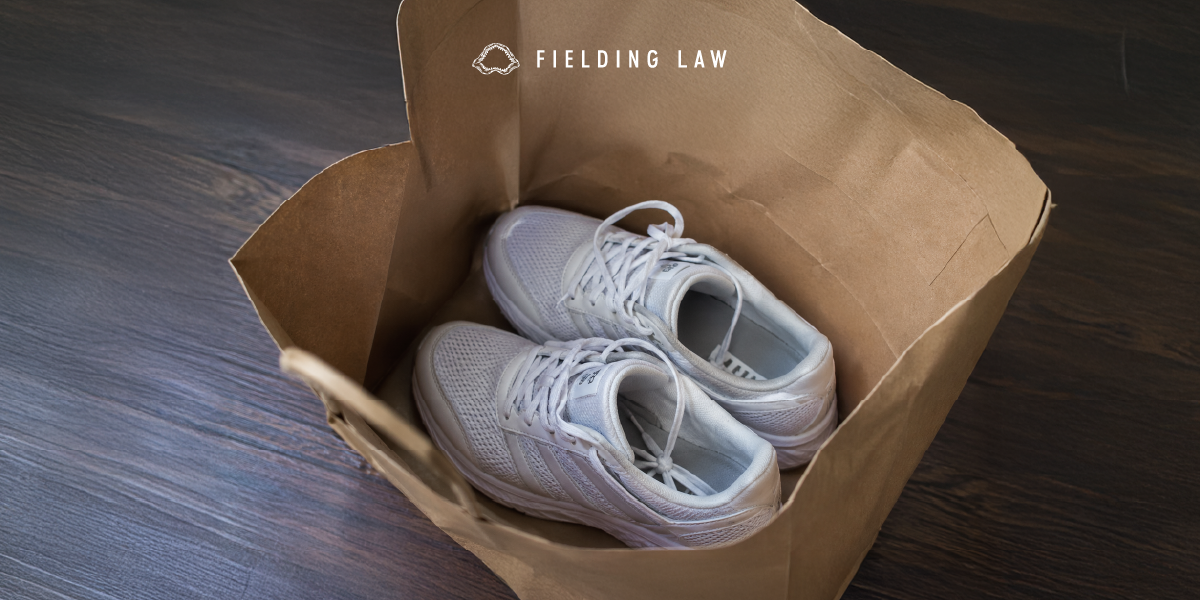
Shoes are a common example. They should be dried first and then placed in a paper bag. Paper allows airflow and helps prevent mold. Plastic traps moisture and can damage the evidence over time.
Photos And Videos
Photos and videos document details that cannot be recreated later.
Keep:
- Injury progression photos
- Scene photos from multiple angles
- Property damage photos
- Any surveillance footage if available
Always save original files. Do not edit, crop, or filter them. Back them up in more than one location.
Medical Records
Medical records connect injuries directly to the incident.
Keep copies of:
- Emergency room visits
- Doctor evaluations
- Treatment plans
- Therapy notes
- Medical bills
Organize them in chronological order so the timeline is clear.
Written Notes And Communication
Written details help preserve information that may fade over time.
Track:
- Pain levels and symptoms
- Daily limitations
- Conversations with insurance companies
- Witness information
- Incident details
Keep everything in one organized system so nothing is lost.
Common Mistakes People Make
Storing Items In Plastic Bags
Plastic traps moisture. That can lead to mold, odor, and material breakdown.
Once the condition changes, it may raise questions about whether the evidence is still reliable.
Do Not Throw Away Damaged Items
People often clean up quickly after an incident. That can lead to important items being discarded.
Once evidence is gone, it cannot be recovered.
Do Not Repair Evidence Too Soon
Fixing damaged items removes proof of their original condition.
Always document everything before making repairs.
Editing Photos Or Videos
Even small edits can create issues later.
Always keep original, unedited files.
Best Practices For Storing Evidence
Keep Everything In One Place
Create a simple system:
- Physical box for items
- Digital folder for photos and records
Use Backups
Store digital files in at least two locations:
- Cloud storage
- External drive
Label Everything Clearly
Include:
- Date
- Time
- Location
- Short description
Protect Without Changing
Do not wash, repair, or alter items. Preserving original condition is key.
Real World Example
In a slip and fall case, one person keeps their shoes, allows them to dry, and stores them in a paper bag. They also take photos and save medical records.
Another person places wet shoes in a plastic bag. Days later, mold develops and the condition changes.
The first situation preserves usable evidence. The second creates uncertainty about what changed and when.
Legal Considerations You Should Know
Evidence helps support your version of events and protects you during disputes.
Insurance companies may question:
- How the incident happened
- Whether injuries are as serious as claimed
- When damage occurred
Well preserved evidence helps reduce those disputes.
In states like California and Arizona, documentation plays a major role in injury claims. Clear timelines and preserved items can influence how liability and damages are evaluated.
What People Usually Do After An Incident
Most people:
- Seek medical care
- Contact insurance
- Repair or replace damaged items
- Move forward quickly
What is often missed is proper evidence storage. That step can make a meaningful difference later.
Frequently Asked Questions
How should shoes be stored after an injury?
Let them air dry first. Then place them in a paper bag or breathable wrapping and store them in a cool, dry place.
Why is plastic bad for evidence storage?
Plastic traps moisture, which can lead to mold, odor, and damage that changes the condition of the item.
Can I clean items before storing them?
No. Cleaning can remove important details that may be needed later.
How long should evidence be kept?
Keep all evidence until the claim is fully resolved.
Why Hire Fielding Law
Fielding Law helps clients protect every part of their case, including details that are often overlooked. Proper evidence storage can make a real difference in how a claim develops. Careful guidance early on helps prevent mistakes that can weaken a case later.
Protect Your Case Early
The way evidence is stored matters more than most people realize. Simple steps like using paper instead of plastic can preserve critical details.
If you have questions about your situation, contact Fielding Law at 833.88.SHARK for a free consultation.
Note: Information provided is for educational purposes and does not constitute legal advice. Always consult with a qualified attorney for legal concerns.