
Category

Product Liability

Midway of a fair with all the rides lit up at dusk

What Makes Fair Rides Risky?

By Catastrophic Injury, Personal Injury, Premises Liability, Product Liability, Wrongful Death

County fairs and traveling carnivals are built for fun, but they also come with real risks. Unlike fixed amusement parks, workers set up and take down these rides again and again. Because of that, small mistakes can turn into serious safety problems.

When crews rush setup or skip steps, safety issues can slip through. For example, a loose bolt or a weak restraint can lead to dangerous conditions fast. In addition, ride operators often work under pressure to open on time, which can increase the chance of error.

In California and Arizona, state rules apply to these events, but oversight can vary depending on the size of the fair and the company running it.

Common Causes of Fair Ride Injuries

Poor Maintenance Practices

Fair rides face heavy wear from constant transport and use. Without regular care, parts like restraints, bolts, and moving arms can wear down. Over time, that wear can lead to sudden failure during a ride.

Unsafe Operation

Ride operators must load and check riders safely. However, mistakes still happen. When an operator fails to lock restraints or misses a warning sign, riders can get hurt in ways that could have been prevented.

Weak Inspection Processes

Inspections are required, but they do not always catch every issue. Since fairs move quickly from one place to another, inspectors may not have enough time to fully check every system.

Design or Manufacturing Problems

Some rides have built in defects. In these cases, the design or manufacturing process creates risks that show up only after repeated use. As a result, riders may face dangers even when the ride is used as intended.

Types of Injuries Seen at Fairs

Fair ride accidents can cause a wide range of harm, including:

These injuries often need emergency care. In more serious cases, recovery can take months or longer. In addition, some people face lasting effects that change daily life.

Real World Risks at Traveling Fairs

Across the country, fair rides have been linked to sudden stops, broken restraints, and mechanical failures. These events often happen without warning, which leaves riders little time to react.

In states like California and Arizona, large crowds and tight schedules add pressure on workers. Because of that pressure, teams may rush setup steps or overlook small issues.

Even though many rides operate safely, the traveling nature of these attractions adds extra risk. Each setup creates a new chance for something to go wrong.

Liability in California and Arizona

Who May Be Responsible

Several parties may share responsibility in a fair ride injury case:

  • Ride operators and staff
  • Fair organizers
  • Equipment manufacturers
  • Maintenance crews
  • Property owners who host the event

In California, these cases often fall under negligence and unsafe property conditions. In Arizona, similar rules apply, and product issues may also play a role when a defect causes harm.

How Fault Gets Evaluated

To understand fault, investigators look at what went wrong and why. They review maintenance records, safety checks, and operator actions. They also check whether the ride worked as designed.

Because more than one company may be involved, these cases often require a full review of all parts of the setup and operation.

What Happens After a Fair Ride Injury

After an injury, medical care comes first. Some injuries show up right away, while others appear hours or even days later.

At the same time, it may be hard to know what caused the accident. Rides often get taken apart soon after the fair ends, which can make it harder to find key evidence.

Still, important details can help tell the story. Witness notes, inspection logs, and photos often help show what happened and why.

Fair Ride Injury Claims in California and Arizona

Understanding Legal Options

Fair ride injury claims can involve negligence, unsafe equipment, or both. In California and Arizona, an injured person may be able to seek payment for medical bills, lost income, and other losses based on the facts of the case.

These cases depend on details. For example, investigators look at how the ride was set up, how it was run, and whether safety steps were followed.

Because each case is different, careful review of the facts is key.

Frequently Asked Questions

Are fair ride injuries common?

They are not everyday events, but they do happen. The mobile setup of these rides adds more risk than fixed parks.

Who is usually responsible for a fair ride accident?

Responsibility may fall on operators, organizers, manufacturers, or maintenance teams, depending on what caused the failure.

Can a faulty ride lead to a claim?

Yes. If a defect caused the injury, a product claim may apply.

Do inspections stop all accidents?

No. Inspections help reduce risk, but they cannot catch every problem, especially when setups happen quickly.

What should I know about fair ride injuries claims in California and Arizona?

These cases often involve several parties, and the facts around setup, safety, and operation matter most.

When Fair Rides Cause Harm

Fair rides are meant to create fun memories, but safety problems can change everything in seconds. When equipment fails or mistakes happen, the results can be serious.

If you or someone you love has been hurt in a fair ride accident, Fielding Law can help explain your options. Call 833.88.SHARK

Note: Information provided is for educational purposes and does not constitute legal advice. Always consult with a qualified attorney for legal concerns.
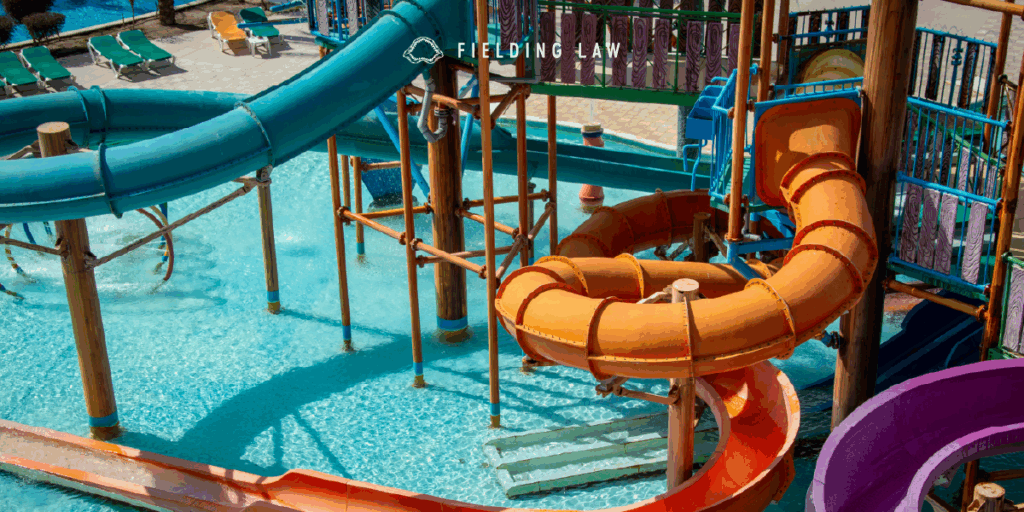
Water park slides leading to a pool

California Water Park Injuries and Real Accident Cases

By Brain Injury (TBI), Personal Injury, Premises Liability, Product Liability, Slip or Trip and Fall, Spinal Cord Injury, Wrongful Death

Water parks are designed for excitement, but they also bring real risks. In California, crowded attractions, fast-moving slides, and wet surfaces can quickly turn a day of fun into a serious injury situation. Many of these incidents fall under premises liability and negligence law, especially when safety rules are not properly followed or equipment is not maintained.

Why Water Park Injuries Happen

Water park accidents often share a few common causes:

  • Slippery walkways and staircases with constant water exposure
  • Overcrowded slides leading to collisions
  • Poor maintenance of slides, rafts, or platforms
  • Inadequate lifeguard supervision
  • Defective ride design or mechanical failure

California law generally requires operators to maintain reasonably safe conditions for guests. When they do not, injuries can follow quickly.

Real Cases Showing Water Park Risks in California

California courts have seen multiple serious water park injury claims involving negligence, unsafe ride conditions, and improper supervision.

One widely cited case involved a visitor at a major California water park who suffered severe injuries after a waterslide ride caused him to strike the bottom of a pool, resulting in fractures to his hip and pelvis. The lawsuit centered on whether the park failed to maintain safe operating conditions and whether the ride design contributed to the injury.
Case link: https://caselaw.findlaw.com/court/ca-court-of-appeal/2067782.html

Another California case involved a guest who slipped on wet stairs while walking barefoot near a water slide queue area. The fall caused a serious arm injury and significant medical treatment. The claim focused on unsafe walking surfaces and lack of proper hazard control in high-traffic areas.
Case link: https://aa.law/case-results/250k-negotiated-settlement-for-a-water-park-accident/

These cases show a consistent theme. Water park injuries are often not “just accidents.” They frequently involve questions about maintenance, supervision, and whether safety standards were properly followed.

Common Types of Water Park Injuries

Water park injuries in California range from mild to life-changing. Some of the most common include:

  • Broken bones from slides or falls
  • Head and neck injuries from collisions
  • Drowning or near-drowning incidents
  • Cuts and lacerations from damaged equipment
  • Slip and fall injuries on wet concrete or stairs

In more severe cases, victims may require emergency surgery or long-term rehabilitation.

Legal Responsibility in California Water Park Cases

California law typically allows injured guests to pursue claims based on negligence or premises liability. In some cases, multiple parties may share responsibility, including:

  • The water park operator
  • Maintenance contractors
  • Ride manufacturers
  • Staffing or supervision companies

Courts may also consider whether the injured person assumed certain risks, but that does not automatically prevent recovery if negligence is involved.

A key California case involving a waterslide injury confirmed that operators can owe a heightened duty of care depending on the attraction and circumstances, especially when guests are placed in inherently risky situations.

What People Often Do After a Water Park Injury

After an incident, injured guests commonly:

These steps can help clarify what happened and preserve important evidence.

Why Legal Claims Matter

Water park injury claims are not only about compensation. They often help uncover safety failures such as poor maintenance, inadequate staffing, or ignored hazards. Some California cases have resulted in settlements or verdicts tied directly to unsafe ride conditions or preventable slip hazards.

Why Hire Fielding Law

Water park injury cases can become complex quickly, especially when multiple companies are involved or safety standards are disputed. Fielding Law provides guidance with a focus on clarity, care, and strong case preparation. The goal is to help injured clients understand their options without adding pressure during recovery.

Final Thoughts

Water parks should feel safe for families and visitors. When preventable hazards cause serious injuries, California law allows injured individuals to explore their legal rights and hold responsible parties accountable.

If you or a loved one was injured at a water park, you can contact Fielding Law for a free consultation at 833.88.SHARK.

Note: Information provided is for educational purposes and does not constitute legal advice. Always consult with a qualified attorney for legal concerns.
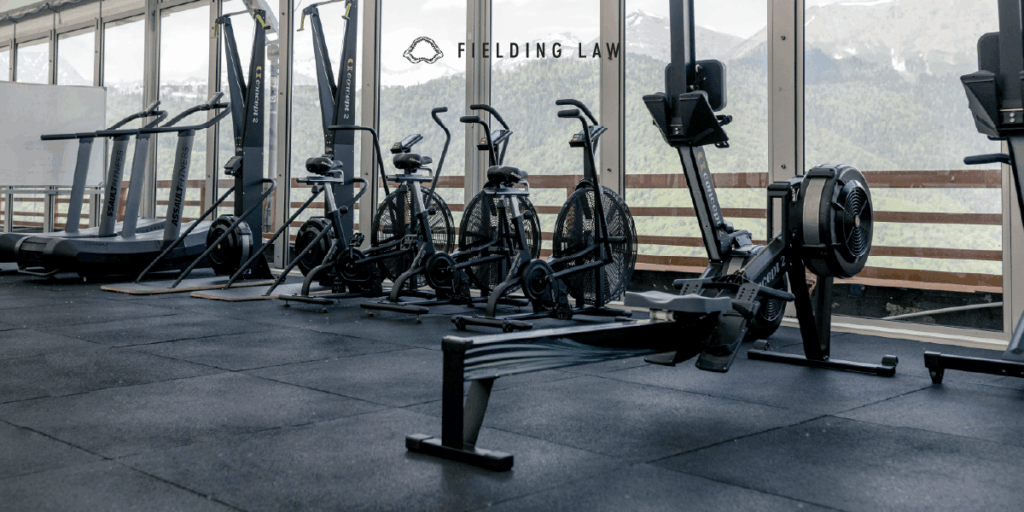
Gym with lots of windows over looking a mountain

Injured At The Gym: Liability, Risks, And Legal Insight

By Catastrophic Injury, Personal Injury, Premises Liability, Product Liability, Slip or Trip and Fall, Spinal Cord Injury

Gym Injury Risks Are More Common Than Many Realize

Gyms are designed for health and strength. However, injuries still happen in these spaces more often than many people expect.

Based on the U.S. Consumer Product Safety Commission (CPSC) National Electronic Injury Surveillance System (NEISS) data, exercise equipment-related injuries resulted in an estimated 409,224 emergency room visits in 2021.

In addition, treadmill accidents account for tens of thousands of injuries each year, including falls and head trauma. Many of these incidents happen in commercial gyms where people expect a safe environment.

Although many injuries are minor, some lead to fractures, brain injuries, or long-term pain. Because of that, it is important to understand how and why these incidents happen.

What These Injuries Mean For Gym Members

Many people assume gyms always maintain safe conditions. In reality, safety can break down in several ways.

For example, injuries often happen when:

  • Equipment breaks during use
  • Floors become slippery and stay wet
  • Machines sit too close together
  • Staff fail to warn about known risks

In many cases, people do not expect danger during a normal workout. As a result, injuries can feel sudden and preventable.

Common Causes Of Gym Injuries

Gym injuries usually come from a few main problems.

Equipment Problems

Equipment failures often lead to serious harm. For example:

  • Machines break due to poor maintenance
  • Cables or parts wear out over time
  • Free weights shift or fall unexpectedly

When gyms do not inspect equipment regularly, risk increases.

Unsafe Conditions

Environmental issues also play a major role. These include:

  • Wet locker room floors
  • Poor lighting in workout areas
  • Crowded spaces between machines

Even small hazards can lead to serious falls.

Lack Of Supervision

Some injuries happen because of limited oversight. For instance:

  • Trainers do not correct unsafe form
  • Staff fail to monitor group classes
  • Members do not receive clear instructions

Because of this, mistakes can turn into serious injuries quickly.

Real Gym Injury Cases And Legal Outcomes

Court cases show how these claims work in real life.

Treadmill Injury And Unsafe Layout

In Jimenez v. 24 Hour Fitness USA Inc., a California court reviewed a serious treadmill injury case. The plaintiff fell and suffered a severe head injury. The claim focused on unsafe spacing between machines. The court allowed the negligence claim to move forward because the facts showed possible unsafe conditions.
Case link: https://law.justia.com/cases/california/court-of-appeal/2015/c071959.html

Liability Waiver And Injury Claim Limits

In another California case, a gym member signed a waiver before a treadmill injury. The court ruled that the waiver limited the claim. However, the court also explained that waivers do not protect gyms if gross negligence exists.
Case link: https://caselaw.findlaw.com/court/ca-court-of-appeal/1703652.html

Equipment Injury Litigation

Other cases across the country involve treadmill failures and defective equipment claims. In some situations, courts reviewed both gym liability and product liability issues depending on how the injury occurred.
Case link: https://law.justia.com/cases/texas/supreme-court/2020/19-0835.html

These cases show that outcomes depend heavily on evidence and safety conditions, not just the injury itself.

When A Gym May Be Liable For Injuries

Gyms have a duty to keep their facilities reasonably safe. When they fail to do that, liability may arise.

Unsafe Conditions

A gym may be responsible when:

  • Equipment is broken or unsafe
  • Floors remain wet without warning signs
  • Machines are placed in dangerous positions

Ignored Safety Problems

Liability may also exist when:

  • Staff ignore prior complaints
  • Maintenance issues are not fixed
  • Known risks are not addressed

Poor Warnings Or Instructions

Problems may also arise when:

  • Equipment lacks clear instructions
  • Members are not warned of risks
  • Staff fail to supervise properly

In many cases, these issues build over time before an injury occurs.

Liability Waivers Do Not Always End A Case

Most gyms require members to sign waivers. These agreements often limit claims for ordinary negligence.

However, waivers do not always protect gyms. In many situations:

  • Gross negligence claims may still move forward
  • Unsafe conditions can override waiver protection
  • Courts may still examine how the injury happened

Because of this, each case depends heavily on its facts.

What To Do After A Gym Injury

After an injury, people often take important steps to protect their health and their claim.

These actions help preserve key evidence.

Why Gym Injury Cases Are Complex

Gym cases often involve strong defenses. For example, gyms may argue:

At the same time, evidence such as maintenance logs, video footage, and prior complaints often plays a major role in proving what really happened.

Because of these competing issues, gym injury cases often require careful review.

Why Hire Fielding Law

At Fielding Law, we understand that gym injuries are not always simple accidents. Sometimes, unsafe equipment or poor maintenance plays a direct role.

We focus on reviewing the facts, identifying safety failures, and helping injured people understand their legal options in a clear and supportive way. Every case depends on details, and we take the time to look at them closely.

Free Consultation After A Gym Injury

If you or someone you love was injured at a gym, you do not have to figure it out alone. Call Fielding Law at 833.88.SHARK (833-887-4275) for a free consultation. We can help you understand what happened and what options may be available moving forward.

Note: Information provided is for educational purposes and does not constitute legal advice. Always consult with a qualified attorney for legal concerns.
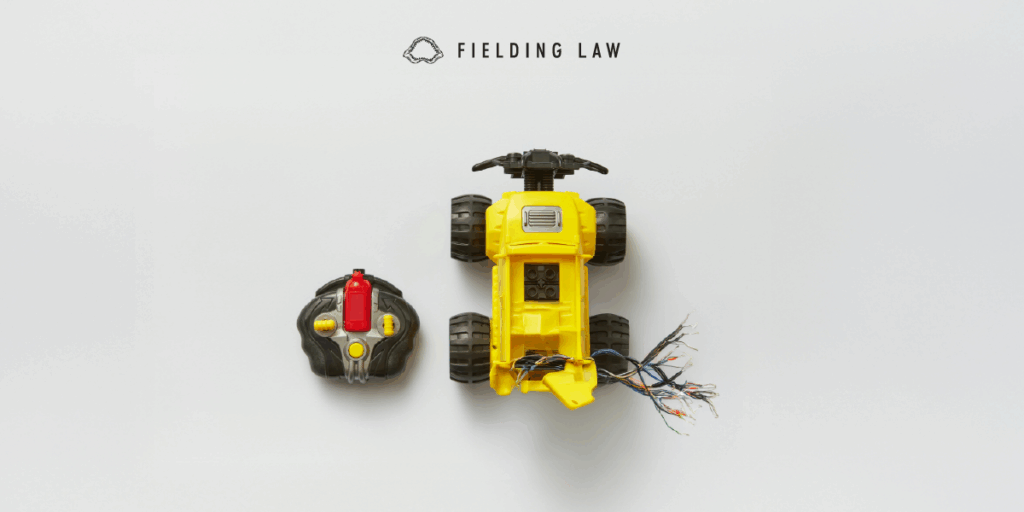
broken yellow car

Why You Should Not Repair Evidence After an Injury

By Bicycle Accident, Burn Injury, Car Accident, Personal Injury, Product Liability, Slip or Trip and Fall

A Simple Mistake That Can Cost You

After an injury, your first instinct is often to clean up, fix what broke, or move on. That reaction makes sense. Life feels disrupted, and you want things back to normal.

However, repairing or altering anything that caused your injury can quietly damage your legal claim.

A cracked ladder. A torn shoe. A dented car. A broken railing.

These are not just damaged items. They are evidence.

And once you fix them, that evidence may be gone for good.

What This Means

In a personal injury case, it is not enough to say what happened. You must prove it.

Physical evidence often tells the clearest story. It shows how the incident occurred, how severe it was, and who may be responsible.

When you repair or replace an item:

  • You may erase proof of a defect
  • You may change how the item can be analyzed
  • You may prevent experts from examining it
  • You may weaken your ability to show fault

In some cases, it can even create arguments that the evidence was altered or destroyed.

Common Situations Where This Happens

Car Accidents

You fix your vehicle quickly because you need transportation.

But damage patterns, impact points, and internal data can help reconstruct the crash.

Slip And Fall Incidents

You wash your shoes or throw them away.

Those shoes may show traction issues, wear patterns, or substances that caused the fall.

Defective Products

You repair or discard a broken product.

That product could reveal a manufacturing defect or safety failure.

Bicycle Or Recreational Injuries

You replace damaged gear.

Helmets, pads, and equipment can demonstrate force and impact.

Even well meaning actions like cleaning or fixing items can unintentionally harm a claim.

Why Fixing Things Too Soon Hurts Your Case

You Lose Critical Proof

Once something is repaired, the original condition is gone. That condition may have been the strongest evidence in your favor.

Experts Cannot Analyze It

In many cases, professionals examine items to determine cause and fault. If the item changes, that analysis may no longer be possible.

Insurance Companies Will Question You

Insurance adjusters look for inconsistencies. If evidence is missing or altered, they may argue:

  • The damage was not serious
  • The item was not defective
  • The injury did not happen the way you claim

It Can Be Considered Spoliation

In legal terms, destroying or altering evidence is known as spoliation. This can weaken your case or lead to negative assumptions.

Real World Example

Imagine a grocery store fall.

A customer slips on a wet floor and injures their back. Their shoes are soaked. Later that day, they clean and throw them away.

Weeks later, the store claims:

  • The floor was dry
  • The shoes had no traction
  • The fall was the customer’s fault

Without the original shoes, it becomes harder to prove what really happened.

Legal Rights And Key Information

Personal injury claims rely heavily on evidence to establish:

Insurance companies do not simply accept claims at face value. They evaluate the available evidence and look for gaps.

If evidence is missing or altered, it can:

  • Reduce the value of your claim
  • Delay the process
  • Increase disputes over fault

What People Usually Do After An Incident

Many people act quickly, but not always in ways that help their case:

  • They repair their car immediately
  • They throw away damaged items
  • They clean or fix the scene
  • They send items to insurance without guidance

These actions are understandable. However, they can make it harder to protect your rights later.

Frequently Asked Questions

Should I fix my car after an accident?

You can, but it is best to document everything first and speak with an attorney before making repairs.

What if I already fixed or threw something away?

Your case may still be valid. Photos, videos, and other records can still help support your claim.

Can I clean items after an injury?

It is safer to leave items as they are until they are documented or reviewed.

What if the item is dangerous to keep?

Safety comes first. Take clear photos and preserve what you can, then seek legal guidance.

Why Hire Fielding Law

At Fielding Law, the focus is on protecting what matters most from the very beginning. Evidence can disappear quickly, and small decisions can have lasting effects. The team works to secure and preserve key details, coordinate expert analysis when needed, and guide clients through each step with care and clarity. Every case is handled with intention, because strong evidence builds stronger claims.

Talk To Someone Before You Fix Anything

It is natural to want to repair the damage and move forward. But in injury cases, that damage may be the most important piece of your story.

Before you fix, replace, or throw anything away, consider how it might affect your claim.

If you have questions, call 833.88.SHARK or reach out to Fielding Law for a free consultation.

Note: Information provided is for educational purposes and does not constitute legal advice. Always consult with a qualified attorney for legal concerns.
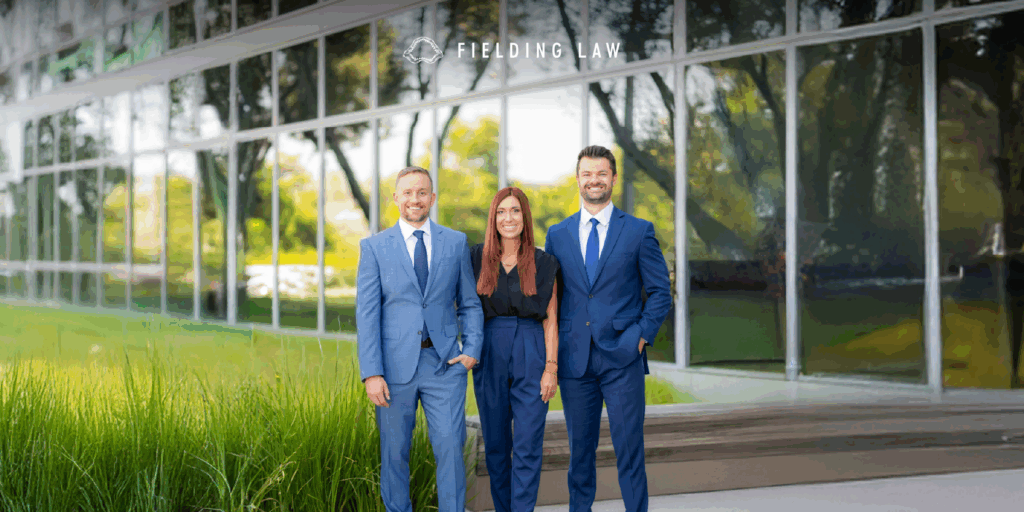
Clark Fielding, Savonnah Saumers, and Ryan Cooper. Leaders of Fielding Law a California injury law firm

What Happens If Your California Injury Law Firm Suddenly Closes?

By Assault, Bicycle Accident, Boating Accident, Brain Injury (TBI), Burn Injury, Bus Accident, Car Accident, Catastrophic Injury, Dog / Animal Bite, E-Bikes and E-Scooters, Motorcycle Accident, Pedestrian Accident, Personal Injury, Personal Watercraft (PWC) Accident, Premises Liability, Product Liability, Public Entity, Rideshare Accident, RV Accident, Sexual Assault & Abuse, Skate & Skateboarding Accident, Ski & Snowboard Accident, Slip or Trip and Fall, Spinal Cord Injury, Train Accident, Truck Accident, Wrongful Death

When Your Lawyer Is Gone, Your Case Still Matters

You hired a California injury attorney to guide you through a difficult time. Then, without warning, the firm closes. The phones stop ringing. Emails bounce back. You are left wondering what happens to your case and your recovery.

This situation is more common than most people realize, and it can feel unsettling, especially when you are still dealing with medical treatment, missed work, and insurance pressure.

If your California injury law firm closes, your case does not automatically end. But what you do next matters.

The most important step is simple: call Fielding Law right away so your case can be reviewed and protected without delay.

Your Case Does Not Disappear

Even when a law firm shuts down, your injury claim still exists.

In most cases, your file may include:

Another attorney can often step in and continue your case. However, timing is critical because deadlines do not pause just because your lawyer is no longer available.

This is exactly why reaching out to Fielding Law as soon as possible is so important.

Why California Law Firms Close

Law firms may close for many reasons, including:

  • Attorney retirement or illness
  • Financial issues within the firm
  • Internal disputes
  • Mergers or restructuring
  • Ethical or licensing issues
  • Sudden departures of key attorneys

No matter the reason, clients are often left without clear direction. That is when confusion and risk increase.

Deadlines Still Apply in California

California injury cases are governed by strict timelines.

In many situations:

If time passes without action, your case could become more difficult to pursue.

This is another reason to call Fielding Law immediately after learning your firm has closed.

What You Should Do Right Away

Contact Fielding Law First

Before signing anything or trying to sort it out alone, contact Fielding Law. We can review your situation, explain what is happening, and help you understand your options moving forward.

Request Your Case File

Your file is important. It may include evidence, medical records, legal filings, and insurance communications. You have the right to request it.

Do Not Assume Your Case Is on Hold

Deadlines and obligations may still be active even if your previous attorney is no longer practicing.

Preserve Everything You Have

Keep copies of:

Common Problems After a Law Firm Closes

When a firm shuts down, clients often experience:

  • Missing or delayed files
  • Confusion about who is handling the case
  • Missed communication from insurance companies
  • Uncertainty about settlement negotiations
  • Fear of losing their claim

These problems can escalate quickly without proper legal guidance.

That is why speaking with an attorney as soon as possible is so important.

You Have Options, But Time Matters

There is no requirement to remain with any replacement attorney suggested by the closed firm. Individuals have the right to select their own legal representation.

A new attorney may be able to continue your case, but only if deadlines are protected and key information is secured early.

Calling Fielding Law gives you a chance to understand your case status before important opportunities are lost.

California Injury Case Rules Still Apply

California personal injury law generally includes strict filing deadlines and procedural rules. These may include:

Even if your law firm closes, these rules do not change.

Why People Call Fielding Law in This Situation

When a law firm suddenly shuts down, clients need clarity, direction, and urgency. At Fielding Law, we help injury victims understand where their case stands and what needs to happen next.

We focus on:

  • Reviewing case files quickly
  • Identifying urgent deadlines
  • Helping protect ongoing claims
  • Providing clear next-step guidance
  • Supporting injured clients through transition

The sooner you call, the more options may be available.

What To Expect When You Call

When you contact Fielding Law, we will focus on:

  • Understanding what happened with your previous firm
  • Reviewing your injury claim status
  • Identifying any immediate deadlines
  • Explaining your legal options in plain language
  • Helping you decide what to do next

You do not have to figure this out alone.

Frequently Asked Questions

Can my case continue if my California law firm closes?

Yes. In many situations, another attorney can take over and continue your case.

Do I need to start over?

Usually no. Much of your case work can transfer, depending on what has already been done.

What if I cannot reach my old attorney?

You should still act quickly. Contact Fielding Law so your situation can be reviewed and protected.

Will I lose my settlement?

Not automatically, but delays or missed deadlines can create risk. That is why immediate review is important.

What should I do first?

Call Fielding Law so your case can be evaluated and your next steps are clear.

Call Fielding Law Today

If your California injury law firm suddenly closed, you do not have to navigate it alone.

Your case may still be active, your rights may still be protected, and your next steps matter.

Call Fielding Law at 833.88.SHARK as soon as possible so we can review your situation and help you move forward with confidence.

Quick Answer Summary

If your California injury law firm closes, your case usually does not end, but deadlines still apply. You should act quickly, secure your case file, and contact Fielding Law immediately to help protect your injury claim and understand your next steps.

Note: Information provided is for educational purposes and does not constitute legal advice. Always consult with a qualified attorney for legal concerns.
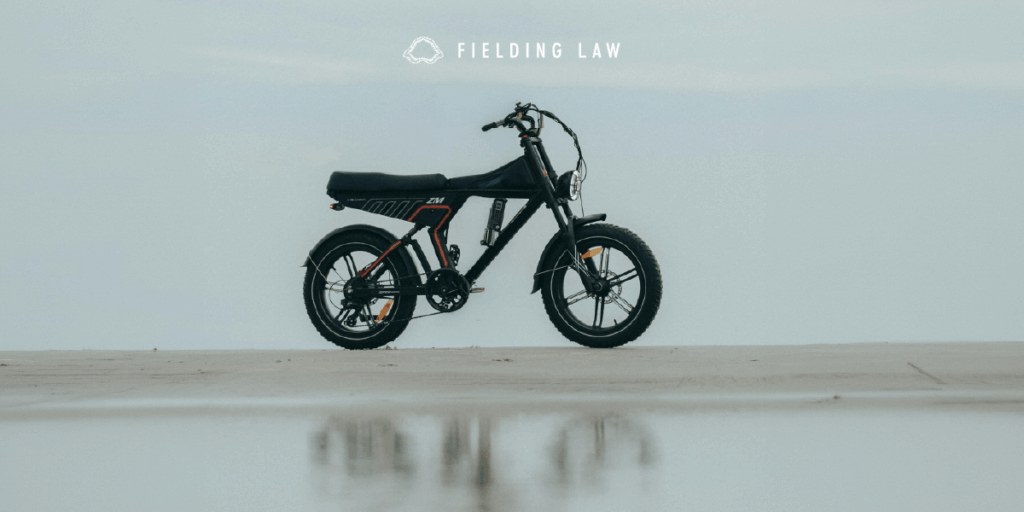
E-Bike standing upright on pavement with a blue sky behind it

12 Year Old E-Bike Rider Seriously Injured In California Crash

By Bicycle Accident, Catastrophic Injury, E-Bikes and E-Scooters, News, Product Liability, Spinal Cord Injury
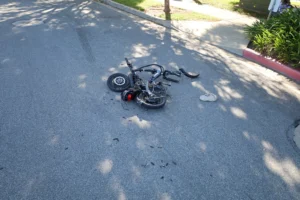
The scene of an e-bike crash that left a 12-year-old hospitalized with major injures in San Luis Obispo on May 9, 2026. (San Luis Obispo Police Department)

The scene of an e-bike crash that left a 12-year-old hospitalized with major injures in San Luis Obispo on May 9, 2026. (San Luis Obispo Police Department)

A Serious Reminder About E-Bike Safety

A recent crash in San Luis Obispo County involving a 12-year-old boy has renewed concerns about e-bike safety, especially among children and teenagers. According to reports from KTLA and other local news outlets, the child suffered major injuries after an e-bike collision on May 9 and was flown to a trauma center for emergency treatment.

As e-bikes become more common across California neighborhoods, schools, and bike paths, many parents are asking important questions. Are children too young for high-powered e-bikes? Are current regulations enough? And who may be responsible when a devastating crash happens?

At Fielding Law, we have seen how quickly a normal day can turn into a traumatic situation after a serious collision. E-bike accident injuries can be severe, especially for young riders.

Why E-Bike Accidents Are Increasing

E-bikes have become increasingly popular over the last few years. Many families see them as convenient, affordable, and fun. Teenagers often use them to get to school, visit friends, or avoid relying on parents for rides.

However, many e-bikes travel much faster than traditional bicycles. Some can reach speeds of 20 to 28 miles per hour or more. Certain modified or illegally altered bikes can exceed those limits entirely.

That combination of speed, inexperience, and traffic exposure creates serious danger.

Reports surrounding the San Luis Obispo County crash indicate the child suffered significant injuries requiring air transport to a trauma center. Situations like this continue to raise alarms about how quickly an e-bike accident can become life-threatening.

Sadly, this is not an isolated event. Communities across California continue seeing serious crashes involving minors riding e-bikes and other electric vehicles.

California E-Bike Laws Matter

California divides e-bikes into three classes:

Class 1 E-Bikes

These provide pedal assistance only and stop assisting at 20 mph.

Class 2 E-Bikes

These include a throttle and can travel up to 20 mph without pedaling.

Class 3 E-Bikes

These can assist riders up to 28 mph and come with stricter rules.

California law generally requires riders of Class 3 e-bikes to be at least 16 years old and wear a helmet. Younger riders still sometimes gain access to these bikes through online purchases, modifications, or lack of supervision.

There is also growing concern about electric motorcycles and off-road style bikes being mistaken for legal e-bikes. Some vehicles marketed online look similar to bicycles but are significantly more powerful and may not be street legal.

Parents may not always realize the differences.

Children Face Greater Injury Risks

Children are especially vulnerable in e-bike crashes for several reasons:

  • Limited traffic experience
  • Difficulty judging vehicle speed
  • Less developed reaction time
  • Higher likelihood of risky riding behavior
  • Lack of protective equipment
  • Smaller body size and increased injury vulnerability

Head trauma remains one of the most serious risks. Even when helmets are worn, high-speed impacts can cause catastrophic injuries.

These situations often leave families facing overwhelming medical costs, emotional trauma, rehabilitation needs, and uncertainty about the future.

What Liability Can Look Like After An E-Bike Crash

Every e-bike collision is different. Liability may depend on several factors, including:

Driver Negligence

A motor vehicle driver may be responsible if speeding, distracted driving, unsafe turns, or failure to yield contributed to the collision.

Unsafe E-Bike Operation

Riders can also contribute to crashes through unsafe turns, ignoring traffic signals, or reckless riding.

Defective Equipment

In some cases, faulty brakes, tires, batteries, or manufacturing defects may play a role.

Improperly Marketed Vehicles

Some companies market electric motorcycles as e-bikes, creating confusion for consumers and families.

Property Or Roadway Conditions

Poor road design, visibility issues, or unsafe intersections can also contribute to serious crashes.

Determining what happened often requires reviewing surveillance footage, police reports, vehicle data, witness statements, and accident reconstruction evidence.

Communities Are Calling For Stronger Safety Measures

Across California, cities and school districts are debating how to handle growing e-bike concerns. Some communities are considering:

  • Stricter age enforcement
  • Helmet requirements
  • School safety education
  • Registration systems
  • Restrictions on modified bikes
  • Increased police enforcement
  • Parent education programs

Many parents are also reconsidering whether younger children should operate high-speed e-bikes at all.

The reality is that many children may not fully appreciate how dangerous these vehicles can become in traffic.

What People Usually Do After A Serious E-Bike Crash

After a major collision, families are usually focused on emergency medical care first. Once immediate treatment begins, many people start trying to understand:

It is important not to assume fault before the full investigation is complete. Early information after a crash is often incomplete.

Photographs, helmet preservation, bike inspections, medical documentation, and witness information can all become important later.

Frequently Asked Questions About E-Bike Crash Injuries

Are e-bikes legal for children in California?

Certain classes of e-bikes have age restrictions. Class 3 e-bikes generally require riders to be at least 16 years old.

Can parents be held responsible for a child’s e-bike crash?

Potentially. Liability depends on the circumstances, supervision, the type of bike involved, and other factors.

Are helmets legally required?

Helmet laws vary depending on the e-bike classification and rider age. Helmet use is strongly encouraged for all riders.

Can an e-bike accident lead to a personal injury claim?

In some situations, yes. Claims may involve negligent drivers, defective products, unsafe road conditions, or other contributing factors.

Are some “e-bikes” actually illegal electric motorcycles?

Yes. Some vehicles sold online may not meet California e-bike definitions and may require registration or licensing.

Why Hire Fielding Law

At Fielding Law, we understand that serious injury cases involving children are deeply emotional for families. E-bike crashes can involve complicated liability questions, insurance disputes, and long-term medical concerns. Our team approaches these situations with compassion, attention to detail, and a commitment to helping injured people understand their legal options after a traumatic event.

Moving Forward Safely

E-bikes are likely here to stay. They offer convenience and mobility, but they also come with real risks, especially for younger riders.

The recent San Luis Obispo County crash involving a 12-year-old child is a heartbreaking reminder that these incidents can change lives in seconds.

Parents, schools, communities, and lawmakers continue searching for the right balance between accessibility and safety.

If your family is dealing with injuries after an e-bike accident, Fielding Law may be able to help you understand your options. Call 833.88.SHARK for a free consultation.

Quick Answer Summary

A recent San Luis Obispo County e-bike crash involving a 12-year-old has raised concerns about child safety and California e-bike regulations. E-bike accidents involving minors can lead to severe injuries, especially due to speed and limited riding experience. California has different classifications and age restrictions for e-bikes, but awareness and enforcement challenges remain. Liability in these crashes may involve negligent drivers, unsafe riding behavior, defective equipment, or roadway conditions.

Note: Information provided is for educational purposes and does not constitute legal advice. Always consult with a qualified attorney for legal concerns.
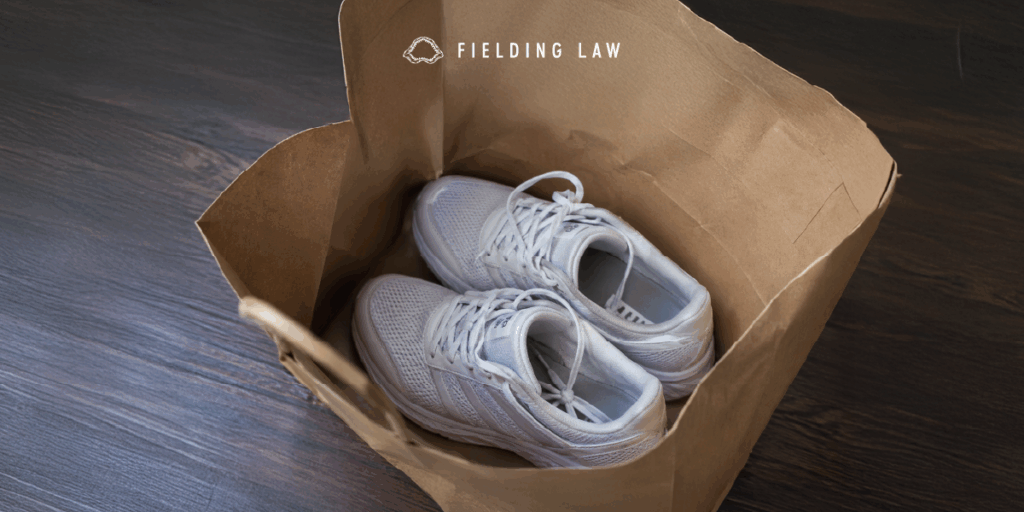
Pair of shoes saved in a bag like evidence

How to Store Evidence Properly After an Injury

By Car Accident, Pedestrian Accident, Personal Injury, Product Liability, Slip or Trip and Fall

A Small Mistake Can Cost You

After an injury, most people focus on recovery first. That is understandable. However, how evidence is handled early on can shape the outcome of a claim.

Simple storage mistakes can damage important items. Moisture, heat, and lack of airflow can change their condition. Once that happens, questions may arise later about authenticity or timing.

Understanding how to store evidence for injury claim situations helps protect the strength of the case. The goal is to keep everything safe, unchanged, and properly preserved.

What This Means For Your Claim

Evidence helps explain what happened when you are not there to tell the story. Insurance companies rely on it when reviewing injuries, liability, and damages.

Proper storage helps:

  • Preserve original condition
  • Prevent mold, odor, or deterioration
  • Maintain credibility of evidence
  • Support the full value of a claim

Poor storage can weaken even strong evidence.

Types Of Evidence You Should Protect

Physical Items

Physical evidence is often central in an injury claim. These items should never be repaired, cleaned, or altered.

Examples include:

  • Torn clothing or shoes
  • Damaged helmets or safety gear
  • Broken vehicle parts
  • Defective products
  • Personal items involved in the incident

How To Store Physical Items Properly

How items are stored matters just as much as what is stored.

  • Allow items to air dry naturally before storing
  • Use paper bags or breathable wrapping instead of plastic
  • Avoid sealing moisture inside, which can lead to mold
  • Store in a cool, dry place away from humidity
  • Label each item with date and incident details

Shoes are a common example. They should be dried first and then placed in a paper bag. Paper allows airflow and helps prevent mold. Plastic traps moisture and can damage the evidence over time.

Photos And Videos

Photos and videos document details that cannot be recreated later.

Keep:

  • Injury progression photos
  • Scene photos from multiple angles
  • Property damage photos
  • Any surveillance footage if available

Always save original files. Do not edit, crop, or filter them. Back them up in more than one location.

Medical Records

Medical records connect injuries directly to the incident.

Keep copies of:

  • Emergency room visits
  • Doctor evaluations
  • Treatment plans
  • Therapy notes
  • Medical bills

Organize them in chronological order so the timeline is clear.

Written Notes And Communication

Written details help preserve information that may fade over time.

Track:

Keep everything in one organized system so nothing is lost.

Common Mistakes People Make

Storing Items In Plastic Bags

Plastic traps moisture. That can lead to mold, odor, and material breakdown.

Once the condition changes, it may raise questions about whether the evidence is still reliable.

Do Not Throw Away Damaged Items

People often clean up quickly after an incident. That can lead to important items being discarded.

Once evidence is gone, it cannot be recovered.

Do Not Repair Evidence Too Soon

Fixing damaged items removes proof of their original condition.

Always document everything before making repairs.

Editing Photos Or Videos

Even small edits can create issues later.

Always keep original, unedited files.

Best Practices For Storing Evidence

Keep Everything In One Place

Create a simple system:

  • Physical box for items
  • Digital folder for photos and records

Use Backups

Store digital files in at least two locations:

  • Cloud storage
  • External drive

Label Everything Clearly

Include:

  • Date
  • Time
  • Location
  • Short description

Protect Without Changing

Do not wash, repair, or alter items. Preserving original condition is key.

Real World Example

In a slip and fall case, one person keeps their shoes, allows them to dry, and stores them in a paper bag. They also take photos and save medical records.

Another person places wet shoes in a plastic bag. Days later, mold develops and the condition changes.

The first situation preserves usable evidence. The second creates uncertainty about what changed and when.

Legal Considerations You Should Know

Evidence helps support your version of events and protects you during disputes.

Insurance companies may question:

  • How the incident happened
  • Whether injuries are as serious as claimed
  • When damage occurred

Well preserved evidence helps reduce those disputes.

In states like California and Arizona, documentation plays a major role in injury claims. Clear timelines and preserved items can influence how liability and damages are evaluated.

What People Usually Do After An Incident

Most people:

  1. Seek medical care
  2. Contact insurance
  3. Repair or replace damaged items
  4. Move forward quickly

What is often missed is proper evidence storage. That step can make a meaningful difference later.

Frequently Asked Questions

How should shoes be stored after an injury?

Let them air dry first. Then place them in a paper bag or breathable wrapping and store them in a cool, dry place.

Why is plastic bad for evidence storage?

Plastic traps moisture, which can lead to mold, odor, and damage that changes the condition of the item.

Can I clean items before storing them?

No. Cleaning can remove important details that may be needed later.

How long should evidence be kept?

Keep all evidence until the claim is fully resolved.

Why Hire Fielding Law

Fielding Law helps clients protect every part of their case, including details that are often overlooked. Proper evidence storage can make a real difference in how a claim develops. Careful guidance early on helps prevent mistakes that can weaken a case later.

Protect Your Case Early

The way evidence is stored matters more than most people realize. Simple steps like using paper instead of plastic can preserve critical details.

If you have questions about your situation, contact Fielding Law at 833.88.SHARK for a free consultation.

Note: Information provided is for educational purposes and does not constitute legal advice. Always consult with a qualified attorney for legal concerns.
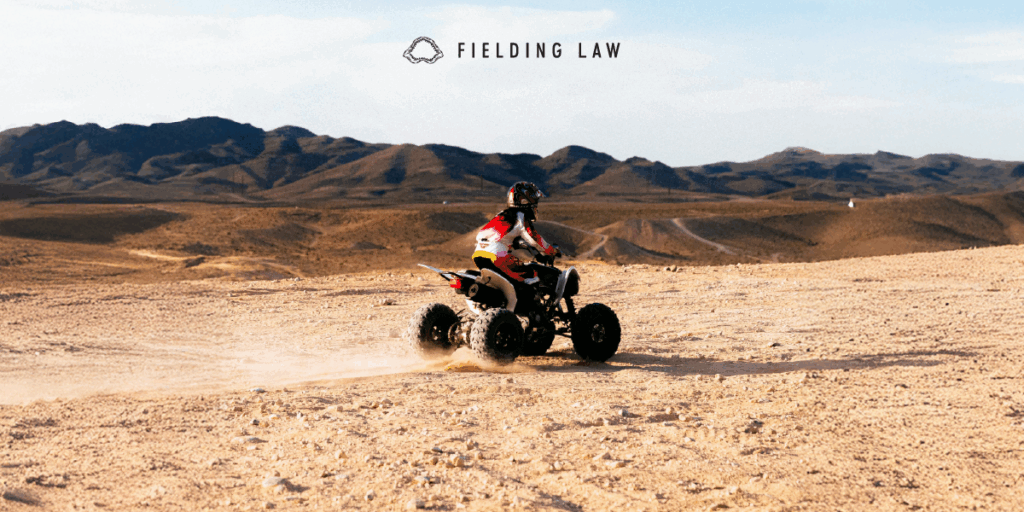
Person on an ATV in the Arizona desert

Steps After a Quartzsite Desert Tour ATV Accident

By Motorcycle Accident, Personal Injury, Premises Liability, Product Liability, Public Entity

Have you ever thought about the risks that can come from an off-road Desert Tour in Quartzsite? Known for its rugged landscape, Quartzsite is where visitors often take part in guided 4WD and ATV tours exploring old gold mines, small cabins, and open desert terrain. While these experiences can be exciting, it is important to be aware of a Quartzsite Desert Tour ATV Accident, as mishaps can still happen even in the middle of an adventure.

Safety Tips Before Booking a Desert Tour

  • Research the company’s safety record
  • Ask about training and certifications
  • Check equipment condition
  • Confirm safety gear is provided
  • Understand the route and difficulty level
  • Read the waiver carefully about the risks and responsibilities

In the Heat of the Moment

It is natural to tense up or freeze in stressful situations, but reacting this way can put both you and your loved ones at greater risk. Staying calm and aware in these situations can make all the difference in keeping everyone safe. Preparing ahead of time, like talking through “what-if” scenarios, can also help you feel more confident if an emergency arises and you need to act.

Personal Checklist

How you can be ready:

Knowing Who is Liable

After an accident, it is completely normal to feel overwhelmed and unsure of what comes next. Depending on the situation, liability may involve the tour company, the equipment used, private parties, or other factors beyond your control. Taking the time to understand your rights and options can help you feel more grounded and supported.

Moving Forward with Fielding Law

As important as physical recovery is, moving forward after an accident also means finding the right support along the way. If you have been affected by a Quartzsite Desert Tour ATV Accident, Fielding Law is here to help you understand your options, answer your questions, and advocate for your best interests. With our dedicated legal team, you can focus on healing with experts that you can rely on. Reach out to us at 833.88.SHARK for your free consultation. 

Note: Information provided is for educational purposes and does not constitute legal advice. Always consult with a qualified attorney for legal concerns.
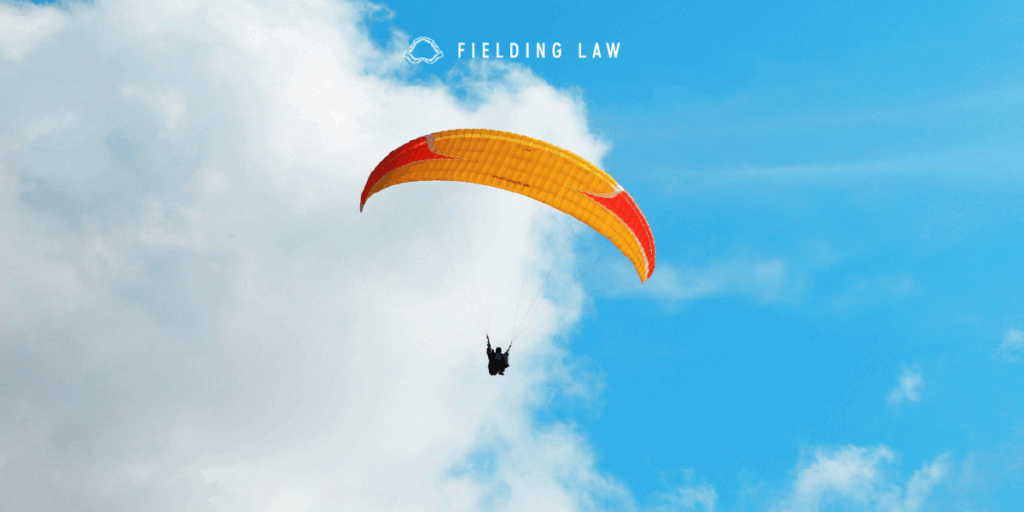
View of the sky with a person using a parachute

Phoenix Skydiving Accidents: Parachute Failures

By Catastrophic Injury, Personal Injury, Premises Liability, Product Liability

With its clear weather and stunning desert landscapes, Arizona is a premier place to skydive. Adventure seekers travel from across the United States to take advantage of the state’s more than 300 sunny days each year. While conditions are often ideal, skydiving still carries risks. Equipment can fail, and accidents, though rare, can still occur.

After the Incident

An uncontrolled or hard landing can be frightening. Even with strict safety measures in place, incidents may still happen. If this occurs, first check yourself for injuries. When it is safe, move to a secure area and call 911 or alert nearby instructors or bystanders for assistance.

Seek Medical Attention

Whether injuries appear minor or serious, obtaining a medical evaluation is important. Seeing a healthcare professional helps ensure proper care and supports a safe recovery. Medical records can also help show whether injuries may be linked to equipment issues or safety failures.

Report and Document Incident

In situations like this, the skydiving company should be notified promptly so that a safety review can take place. Keeping detailed records can also help. Write down what happened, the equipment involved, and any pain or symptoms you experience. Documentation like this can be valuable for your care and for understanding the incident. These details may also help show whether the accident resulted from a preventable mistake or unsafe condition.

When Is Someone Legally Responsible

Not every skydiving accident leads to a legal claim. For a case to move forward, there must be evidence that another party acted negligently. This could involve improper equipment maintenance, defective gear, inadequate training, or failure to follow required safety procedures. If an accident happened despite everyone following proper safety standards, there may not be a basis for a claim. A careful legal review can help determine whether negligence played a role.

Waivers Do Not Always Prevent Claims

Many people assume that signing a skydiving waiver means they cannot pursue legal action. While waivers can limit liability for ordinary accidents, they do not protect against serious negligence or reckless conduct. If the equipment was improperly maintained, an instructor ignored safety procedures, or the company failed to follow industry standards, a claim may still be possible even if a waiver was signed.

Your Recovery, Our Priority

At Fielding Law, we know your focus should be on healing. If you were injured and believe someone else’s negligence contributed to the incident, our team can evaluate your situation and explain your options. We handle the details so you can concentrate on your recovery and well-being. Call 833.88.SHARK today for a free consultation.


Note: Information provided is for educational purposes and does not constitute legal advice. Always consult with a qualified attorney for legal concerns.
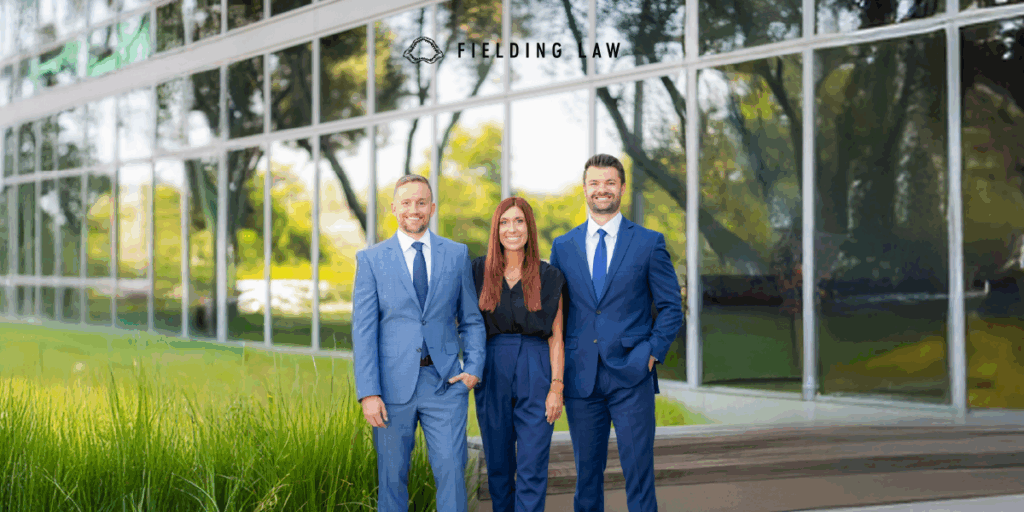
Clark Fielding Arizona attroney, Savonnah Saumers Director of Operations, Ryan Cooper California Attorney

Choosing the Right Arizona Injury Lawyer

By Bicycle Accident, Boating Accident, Bus Accident, Car Accident, Dog / Animal Bite, Motorcycle Accident, Pedestrian Accident, Personal Injury, Premises Liability, Product Liability, Public Entity, Rideshare Accident, RV Accident, Slip or Trip and Fall, Train Accident, Truck Accident, Wrongful Death

After an accident, life can feel overwhelming. Medical visits pile up, bills arrive, and insurance adjusters keep calling. At the same time, advertisements from law firms appear everywhere, which can make the decision even more stressful. Finding a trusted Arizona injury lawyer may seem difficult, but a clear approach can help you choose with confidence.

Start With Arizona Experience

First, confirm that the lawyer understands Arizona law. Each state has its own rules, and Arizona follows pure comparative negligence. This means your recovery could be reduced if you share fault for the accident.

Because of this rule, your attorney should build a strong case from the start. A trusted Arizona injury lawyer knows how to collect evidence, review crash reports, and respond to insurance tactics. Local court experience can also make a difference if your case goes to trial.

Choose a Firm That Focuses on Injury Cases

Next, consider the firm’s focus. Some firms divide their work across many practice areas, but serious injury claims need careful attention. Medical records, lost wages, and future care costs require skill and experience.

Ask whether the attorney regularly handles cases like yours. Car crashes, pedestrian injuries, trucking collisions, and wrongful death claims all need different strategies. A firm that focuses on injury cases is more likely to provide strong preparation and clear guidance.

Pay Close Attention to Communication

Equally important, notice how the attorney interacts with you during the first meeting. Good representation starts with listening.

A trusted Arizona injury lawyer should:

  • Listen carefully to your concerns

  • Explain the process in simple language

  • Answer questions clearly

  • Set realistic expectations

You should never feel rushed or ignored. Regular updates and steady communication help reduce stress while your case moves forward.

Review Reputation and Client Feedback

Then, look at past client reviews. Consistent feedback can show how a firm handles its clients. Do clients feel supported? Do they describe clear communication and respect?

No lawyer can guarantee a result, but positive patterns can indicate a strong commitment to client care. Reputation builds over time and reflects how a firm treats people.

Avoid Pressure and Flashy Promises

Large advertising campaigns may grab attention, but marketing does not always reflect quality. Focus instead on how the firm answers your questions and explains the process.

A trusted Arizona injury lawyer will outline risks and options without pressuring you. They provide the space you need to make informed decisions.

Why Hire Fielding Law

At Fielding Law, clients are treated as individuals, not case numbers. The firm represents people injured by negligence and never works for insurance companies. This focus keeps attention on your needs.

The team builds each case with care and clear strategy. Communication remains consistent, and every interaction is guided by professionalism, civility, and respect.

If you are looking for a trusted Arizona injury lawyer, you deserve both experience and genuine support. To discuss your situation, call 833.88.SHARK.

With the right guidance, you can take steady steps toward recovery and regain confidence during a challenging time.

Note: Information provided is for educational purposes and does not constitute legal advice. Always consult with a qualified attorney for legal concerns.

Close Menu
Call Now Button