
Category

Premises Liability

Water park slides leading to a pool

California Water Park Injuries and Real Accident Cases

By Brain Injury (TBI), Personal Injury, Premises Liability, Product Liability, Slip or Trip and Fall, Spinal Cord Injury, Wrongful Death

Water parks are designed for excitement, but they also bring real risks. In California, crowded attractions, fast-moving slides, and wet surfaces can quickly turn a day of fun into a serious injury situation. Many of these incidents fall under premises liability and negligence law, especially when safety rules are not properly followed or equipment is not maintained.

Why Water Park Injuries Happen

Water park accidents often share a few common causes:

  • Slippery walkways and staircases with constant water exposure
  • Overcrowded slides leading to collisions
  • Poor maintenance of slides, rafts, or platforms
  • Inadequate lifeguard supervision
  • Defective ride design or mechanical failure

California law generally requires operators to maintain reasonably safe conditions for guests. When they do not, injuries can follow quickly.

Real Cases Showing Water Park Risks in California

California courts have seen multiple serious water park injury claims involving negligence, unsafe ride conditions, and improper supervision.

One widely cited case involved a visitor at a major California water park who suffered severe injuries after a waterslide ride caused him to strike the bottom of a pool, resulting in fractures to his hip and pelvis. The lawsuit centered on whether the park failed to maintain safe operating conditions and whether the ride design contributed to the injury.
Case link: https://caselaw.findlaw.com/court/ca-court-of-appeal/2067782.html

Another California case involved a guest who slipped on wet stairs while walking barefoot near a water slide queue area. The fall caused a serious arm injury and significant medical treatment. The claim focused on unsafe walking surfaces and lack of proper hazard control in high-traffic areas.
Case link: https://aa.law/case-results/250k-negotiated-settlement-for-a-water-park-accident/

These cases show a consistent theme. Water park injuries are often not “just accidents.” They frequently involve questions about maintenance, supervision, and whether safety standards were properly followed.

Common Types of Water Park Injuries

Water park injuries in California range from mild to life-changing. Some of the most common include:

  • Broken bones from slides or falls
  • Head and neck injuries from collisions
  • Drowning or near-drowning incidents
  • Cuts and lacerations from damaged equipment
  • Slip and fall injuries on wet concrete or stairs

In more severe cases, victims may require emergency surgery or long-term rehabilitation.

Legal Responsibility in California Water Park Cases

California law typically allows injured guests to pursue claims based on negligence or premises liability. In some cases, multiple parties may share responsibility, including:

  • The water park operator
  • Maintenance contractors
  • Ride manufacturers
  • Staffing or supervision companies

Courts may also consider whether the injured person assumed certain risks, but that does not automatically prevent recovery if negligence is involved.

A key California case involving a waterslide injury confirmed that operators can owe a heightened duty of care depending on the attraction and circumstances, especially when guests are placed in inherently risky situations.

What People Often Do After a Water Park Injury

After an incident, injured guests commonly:

These steps can help clarify what happened and preserve important evidence.

Why Legal Claims Matter

Water park injury claims are not only about compensation. They often help uncover safety failures such as poor maintenance, inadequate staffing, or ignored hazards. Some California cases have resulted in settlements or verdicts tied directly to unsafe ride conditions or preventable slip hazards.

Why Hire Fielding Law

Water park injury cases can become complex quickly, especially when multiple companies are involved or safety standards are disputed. Fielding Law provides guidance with a focus on clarity, care, and strong case preparation. The goal is to help injured clients understand their options without adding pressure during recovery.

Final Thoughts

Water parks should feel safe for families and visitors. When preventable hazards cause serious injuries, California law allows injured individuals to explore their legal rights and hold responsible parties accountable.

If you or a loved one was injured at a water park, you can contact Fielding Law for a free consultation at 833.88.SHARK.

Note: Information provided is for educational purposes and does not constitute legal advice. Always consult with a qualified attorney for legal concerns.


Gym with lots of windows over looking a mountain

Injured At The Gym: Liability, Risks, And Legal Insight

By Catastrophic Injury, Personal Injury, Premises Liability, Product Liability, Slip or Trip and Fall, Spinal Cord Injury

Gym Injury Risks Are More Common Than Many Realize

Gyms are designed for health and strength. However, injuries still happen in these spaces more often than many people expect.

Based on the U.S. Consumer Product Safety Commission (CPSC) National Electronic Injury Surveillance System (NEISS) data, exercise equipment-related injuries resulted in an estimated 409,224 emergency room visits in 2021.

In addition, treadmill accidents account for tens of thousands of injuries each year, including falls and head trauma. Many of these incidents happen in commercial gyms where people expect a safe environment.

Although many injuries are minor, some lead to fractures, brain injuries, or long-term pain. Because of that, it is important to understand how and why these incidents happen.

What These Injuries Mean For Gym Members

Many people assume gyms always maintain safe conditions. In reality, safety can break down in several ways.

For example, injuries often happen when:

  • Equipment breaks during use
  • Floors become slippery and stay wet
  • Machines sit too close together
  • Staff fail to warn about known risks

In many cases, people do not expect danger during a normal workout. As a result, injuries can feel sudden and preventable.

Common Causes Of Gym Injuries

Gym injuries usually come from a few main problems.

Equipment Problems

Equipment failures often lead to serious harm. For example:

  • Machines break due to poor maintenance
  • Cables or parts wear out over time
  • Free weights shift or fall unexpectedly

When gyms do not inspect equipment regularly, risk increases.

Unsafe Conditions

Environmental issues also play a major role. These include:

  • Wet locker room floors
  • Poor lighting in workout areas
  • Crowded spaces between machines

Even small hazards can lead to serious falls.

Lack Of Supervision

Some injuries happen because of limited oversight. For instance:

  • Trainers do not correct unsafe form
  • Staff fail to monitor group classes
  • Members do not receive clear instructions

Because of this, mistakes can turn into serious injuries quickly.

Real Gym Injury Cases And Legal Outcomes

Court cases show how these claims work in real life.

Treadmill Injury And Unsafe Layout

In Jimenez v. 24 Hour Fitness USA Inc., a California court reviewed a serious treadmill injury case. The plaintiff fell and suffered a severe head injury. The claim focused on unsafe spacing between machines. The court allowed the negligence claim to move forward because the facts showed possible unsafe conditions.
Case link: https://law.justia.com/cases/california/court-of-appeal/2015/c071959.html

Liability Waiver And Injury Claim Limits

In another California case, a gym member signed a waiver before a treadmill injury. The court ruled that the waiver limited the claim. However, the court also explained that waivers do not protect gyms if gross negligence exists.
Case link: https://caselaw.findlaw.com/court/ca-court-of-appeal/1703652.html

Equipment Injury Litigation

Other cases across the country involve treadmill failures and defective equipment claims. In some situations, courts reviewed both gym liability and product liability issues depending on how the injury occurred.
Case link: https://law.justia.com/cases/texas/supreme-court/2020/19-0835.html

These cases show that outcomes depend heavily on evidence and safety conditions, not just the injury itself.

When A Gym May Be Liable For Injuries

Gyms have a duty to keep their facilities reasonably safe. When they fail to do that, liability may arise.

Unsafe Conditions

A gym may be responsible when:

  • Equipment is broken or unsafe
  • Floors remain wet without warning signs
  • Machines are placed in dangerous positions

Ignored Safety Problems

Liability may also exist when:

  • Staff ignore prior complaints
  • Maintenance issues are not fixed
  • Known risks are not addressed

Poor Warnings Or Instructions

Problems may also arise when:

  • Equipment lacks clear instructions
  • Members are not warned of risks
  • Staff fail to supervise properly

In many cases, these issues build over time before an injury occurs.

Liability Waivers Do Not Always End A Case

Most gyms require members to sign waivers. These agreements often limit claims for ordinary negligence.

However, waivers do not always protect gyms. In many situations:

  • Gross negligence claims may still move forward
  • Unsafe conditions can override waiver protection
  • Courts may still examine how the injury happened

Because of this, each case depends heavily on its facts.

What To Do After A Gym Injury

After an injury, people often take important steps to protect their health and their claim.

These actions help preserve key evidence.

Why Gym Injury Cases Are Complex

Gym cases often involve strong defenses. For example, gyms may argue:

At the same time, evidence such as maintenance logs, video footage, and prior complaints often plays a major role in proving what really happened.

Because of these competing issues, gym injury cases often require careful review.

Why Hire Fielding Law

At Fielding Law, we understand that gym injuries are not always simple accidents. Sometimes, unsafe equipment or poor maintenance plays a direct role.

We focus on reviewing the facts, identifying safety failures, and helping injured people understand their legal options in a clear and supportive way. Every case depends on details, and we take the time to look at them closely.

Free Consultation After A Gym Injury

If you or someone you love was injured at a gym, you do not have to figure it out alone. Call Fielding Law at 833.88.SHARK (833-887-4275) for a free consultation. We can help you understand what happened and what options may be available moving forward.

Note: Information provided is for educational purposes and does not constitute legal advice. Always consult with a qualified attorney for legal concerns.

Aerial view of a public pool

When Public Pool Day Goes Wrong

By Catastrophic Injury, Personal Injury, Premises Liability, Public Entity, Wrongful Death

Arizona Public Pool Injuries

Visiting a pool in Arizona is often a way to cool off and enjoy time with family or friends, especially during the long, hot months. While most visits go as planned, accidents can still happen when safety measures are not followed or hazards are left unaddressed. An Arizona public pool injury lawyer can help explain what options may be available if a preventable injury occurs at a public or community pool.

These incidents can range from slip and falls to more serious events like drowning or chemical exposure. When a pool is not properly maintained or supervised, visitors may face unexpected and serious harm.

Common Causes Of Public Pool Injuries In Arizona

Arizona’s extreme temperatures and year round pool use can increase wear and tear on pool facilities. Unfortunately, some property owners fail to keep up with maintenance or safety standards.

Common causes of pool injuries include:

  • Slippery pool decks
  • Broken gates or fencing
  • Missing warning signs
  • Inadequate lifeguard supervision
  • Defective drains
  • Poor lighting
  • Broken ladders or handrails
  • Improper chemical balancing
  • Unsafe diving conditions
  • Overcrowded swimming areas

Additionally, apartment complexes, hotels, and community pools may experience heavy traffic during Arizona summers, which can increase the risk of accidents when safety rules are ignored.

Common Arizona Public Pool Injuries

Pool accidents may result in injuries ranging from mild to catastrophic.

Slip And Fall Injuries

Wet surfaces surrounding pools can become extremely dangerous. Slip and fall accidents may lead to:

  • Broken wrists
  • Hip fractures
  • Concussions
  • Back injuries
  • Shoulder injuries
  • Sprains

These injuries may become especially serious for older adults and children.

Drowning And Near Drowning Accidents

Drowning remains one of the most severe pool related dangers in Arizona. Children are particularly vulnerable, especially when pools lack secure barriers or supervision.

Near drowning incidents may lead to:

  • Brain injuries
  • Cognitive impairment
  • Memory problems
  • Respiratory complications
  • Permanent disabilities

Arizona has laws requiring many residential and public pools to include protective barriers and safety features designed to reduce drowning risks.

Chemical Exposure Injuries

Improperly maintained pools can expose swimmers to dangerous chemical levels. Excess chlorine or contaminated water may cause:

  • Skin irritation
  • Eye injuries
  • Breathing difficulties
  • Chemical burns
  • Infections

Pool operators are generally expected to maintain safe water conditions for guests and visitors.

Diving And Spinal Injuries

Diving into shallow water can cause devastating harm. Missing depth markers or unsafe pool designs may increase the danger.

These injuries can include:

Who May Be Liable In Arizona?

Several parties may potentially share responsibility after a public pool injury.

Liability may involve:

Under Arizona premises liability laws, property owners generally must address known hazards and take reasonable steps to protect visitors from harm.

However, claims against government entities in Arizona often involve shorter deadlines and special notice requirements. Because of this, acting quickly after an accident may become important.

What People Usually Do After A Public Pool Injury

After a serious pool accident, many people focus first on medical care and helping loved ones recover. In addition, they often:

Proper documentation may help preserve important information about the incident.

Arizona Pool Safety Laws

Arizona has specific pool safety requirements intended to reduce injuries and drowning risks. Certain pools must include barriers, gates, and safety features designed to prevent unauthorized access, especially by children.

Still, safety violations continue to happen throughout the state. Apartment pools, hotels, and community facilities sometimes fail to maintain safe conditions or follow proper procedures.

When negligence contributes to an injury, victims may have the right to pursue compensation for damages such as medical expenses, pain and suffering, and lost income.

Frequently Asked Questions

Can I File A Claim After A Pool Injury In Arizona?

Possibly. If unsafe conditions or negligence contributed to the accident, you may have legal options depending on the circumstances.

What If My Child Was Injured At A Public Pool?

Children injured in pool accidents may have additional legal protections. Cases involving children often require careful investigation into supervision and safety measures.

Are Hotels Responsible For Pool Accidents?

Hotels and resorts may potentially face liability if they failed to maintain safe pool conditions or address known hazards.

What Happens If A City Owned Pool Caused The Injury?

Claims involving Arizona government entities usually involve special procedures and strict deadlines. Speaking with an attorney early may help preserve important rights.

How Long Do I Have To File A Claim In Arizona?

Deadlines vary depending on the facts of the case and who may be responsible. Government claims often have much shorter timelines.

Why Hire Fielding Law

Fielding Law understands how traumatic pool injuries can be for victims and families. Serious accidents may leave people facing physical pain, emotional stress, and financial uncertainty. Our team works to provide compassionate and ethical legal representation while helping clients better understand their options after an injury.

Protecting Your Rights After A Pool Injury

A day at the pool should not end in tragedy. Unfortunately, unsafe conditions and negligence continue to contribute to preventable injuries throughout Arizona.

If you or a loved one suffered injuries at a public pool, contact Fielding Law for a free consultation at 833.88.SHARK or 833-887-4275 to learn more about your potential legal options.

Note: Information provided is for educational purposes and does not constitute legal advice. Always consult with a qualified attorney for legal concerns.

lioness at the zoo

Injured at the Los Angeles Zoo? What You Should Know

By Pedestrian Accident, Personal Injury, Premises Liability, Slip or Trip and Fall

A visit to the Los Angeles Zoo is meant to be a fun, educational experience. Families expect safe walkways, secure animal enclosures, and properly maintained exhibits. However, injuries can still happen when hazards are not addressed quickly or safety standards are not met. An Injury at the Los Angeles Zoo can leave visitors facing unexpected medical and financial stress.

Understanding how these incidents occur and what rights may apply can help you make informed decisions after an accident.

How Injuries Can Happen at the Zoo

The Los Angeles Zoo covers a large, heavily visited property where many different hazards can develop throughout the day. Most injuries are not caused by animals directly, but by unsafe conditions in common walking and viewing areas.

Common causes include:

  • Wet or uneven walkways that lead to slips and falls
  • Broken railings, steps, or viewing platforms
  • Crowded pathways where visitors can be bumped or pushed
  • Food court spills or poorly maintained dining areas
  • Rare but serious animal enclosure issues

These situations often fall under premises liability, which focuses on whether a property owner took reasonable steps to keep visitors safe during their visit.

Animal Related Incidents

Although uncommon, animal related injuries can occur when safety systems fail or barriers are not properly maintained.

Examples include:

  • Scratches or bites during interactive exhibits
  • Sudden animal movement during demonstrations
  • Enclosure problems caused by equipment or human error

Zoos are expected to follow strict safety protocols because they manage both public access areas and wild animals in controlled environments.

Slip Trip and Fall Accidents

Slip and fall injuries are the most common type of zoo accident. Outdoor conditions and heavy foot traffic can quickly create hazards.

Common risks include:

  • Spilled drinks near concession areas
  • Uneven pavement or loose gravel paths
  • Wet surfaces near exhibits or water features
  • Poor lighting in shaded areas

Even a minor fall can lead to significant injuries such as fractures, sprains, or head trauma.

Structural and Equipment Issues

Zoos rely on structures like bridges, platforms, fences, and interactive exhibits. When maintenance is delayed, these areas can become unsafe.

Examples include:

  • Loose or broken handrails
  • Damaged viewing platforms
  • Faulty gates or latches
  • Malfunctioning interactive exhibits

Routine inspection and maintenance are critical to preventing avoidable injuries.

What To Do After an Injury

After a Los Angeles Zoo injury, the steps taken immediately can be important for both health and documentation.

Helpful actions include:

Medical records can help establish the extent of injuries and how they developed over time.

Legal Responsibility in Zoo Injuries

When a zoo or its operators fail to maintain safe conditions, liability may arise under premises liability or negligence laws. Responsibility often depends on whether the hazard was known or should have been addressed in a reasonable timeframe.

Potential responsible parties may include:

  • Zoo operators or city agencies
  • Maintenance contractors
  • Third party vendors operating on site

Each case depends on the facts, timing, and available evidence.

Why Legal Guidance Matters

Zoo injury cases can involve multiple layers of evidence, including maintenance logs, incident reports, and surveillance footage. These details are not always easy to access or understand without guidance.

Legal support can help clarify:

  • What evidence may support a claim
  • How liability is evaluated
  • What compensation options may exist for medical costs, lost income, and recovery needs

Why Hire Fielding Law

A Los Angeles Zoo injury can feel overwhelming, especially when it disrupts daily life unexpectedly. Fielding Law helps injured individuals navigate complex premises liability cases with care, attention, and a focus on clarity.

The team works to investigate what happened, preserve key evidence, and guide clients through each step of the process so they are not left handling it alone.

If you or a loved one were injured at the Los Angeles Zoo, Fielding Law is available to help you understand your options. Call 833.88.SHARK for a free consultation.

Final Thoughts

A visit to the Los Angeles Zoo should be safe and enjoyable. When preventable hazards lead to a Los Angeles Zoo injury, the aftermath can feel stressful and uncertain. Knowing what causes these incidents and what steps to take next can help you move forward with greater clarity.

Note: Information provided is for educational purposes and does not constitute legal advice. Always consult with a qualified attorney for legal concerns.

Rat on the floor

When A Rat Problem Turns Serious

By Personal Injury, Premises Liability, Wrongful Death

A Hidden Health Risk Indoors

You walk into a rental unit, storage space, or workplace and notice a strange smell. Later, you learn there was a rodent problem. Weeks pass, and symptoms begin. This is where a rat-borne virus injury claim can start to take shape.

Rats are more than a nuisance. They can carry serious diseases that affect the lungs, kidneys, and immune system. One of the most concerning is orthohantavirus, often linked to exposure in enclosed spaces contaminated by rodent droppings or urine.

Understanding how these illnesses spread and who may be responsible matters. It can shape both your recovery and your legal options.

What This Means For Your Health

Rat-borne viruses can spread through:

  • Airborne particles from dried droppings or urine
  • Direct contact with contaminated surfaces
  • Bites or scratches, though less common

Orthohantavirus is especially dangerous because it can lead to hantavirus pulmonary syndrome. This condition affects breathing and can become life-threatening without prompt medical care.

Symptoms may include:

  • Fever and fatigue
  • Muscle aches
  • Shortness of breath
  • Nausea or dizziness

These symptoms often appear days or weeks after exposure, which can make the source harder to identify.

Common Causes And Real Examples

Exposure to rat-borne viruses often traces back to unsafe or neglected environments. Real-world situations include:

  • Poorly maintained rental properties with known rodent infestations
  • Workplaces where sanitation standards are ignored
  • Storage units or warehouses with visible rodent activity
  • Hotels or temporary housing with unresolved pest issues

For example, a tenant in Arizona may report rodent droppings repeatedly, but the landlord delays action. If that tenant later develops a serious illness linked to exposure, the situation may move beyond inconvenience into injury.

In California, strict habitability laws require landlords to maintain safe living conditions. Rodent infestations can violate those standards when left unaddressed.

Legal Rights And Liability

Liability for a rat-borne virus exposure depends on who had control over the property and whether they failed to act reasonably.

Potentially responsible parties may include:

  • Property owners
  • Landlords or property managers
  • Employers
  • Maintenance companies

To establish liability, several factors are often considered:

  • Was there prior knowledge of the infestation
  • Were complaints made and ignored
  • Did the responsible party fail to take reasonable steps to fix the issue
  • Did that failure directly contribute to the illness

In both California and Arizona, property owners have a duty to maintain safe premises. If that duty is breached and someone becomes ill, a personal injury claim may be possible.

What People Usually Do After Exposure

After discovering possible exposure to a rat-borne virus, most people take these steps:

Medical documentation becomes especially important. It helps connect the illness to the exposure, which is often a key part of a claim.

Frequently Asked Questions

Can you sue for exposure to a rat-borne virus

In some cases, yes. If negligence led to unsafe conditions and caused illness, a claim may be possible.

What is orthohantavirus and why is it serious

Orthohantavirus can cause severe respiratory illness. It spreads through contaminated air and can become life-threatening.

How do you prove where the exposure happened

Evidence such as inspection reports, complaints, photos, and medical records can help establish the connection.

Is a landlord always responsible for rodent infestations

Not always. Responsibility depends on the lease, property conditions, and whether the issue was reported and ignored.

Why Hire Fielding Law

Fielding Law approaches cases like these with care and attention to detail. Illness caused by unsafe living or working conditions can feel overwhelming. The firm focuses on understanding what happened, identifying responsible parties, and guiding clients through the legal process with clarity and compassion. Every situation is unique, and the goal is to pursue accountability while supporting each client through recovery.

Moving Forward After Exposure

A rat-borne virus is not just a health issue. It can be a legal one when preventable conditions lead to serious illness. Knowing your rights can help you make informed decisions.

If you or someone you care about became ill after exposure to unsafe conditions, it may be worth exploring your options.

Call 833.88.SHARK for a free consultation with Fielding Law and learn what steps may be available to you.

Note: Information provided is for educational purposes and does not constitute legal advice. Always consult with a qualified attorney for legal concerns.
inside a sober home. Chairs, a rug, coffee table and a sofa

Who Is Responsible For Bed Bugs In Sober Living Homes?

By Personal Injury, Premises Liability

When A Safe Place Is Not Safe

You expect a sober living facility to provide stability, safety, and support. Instead, you wake up with painful, itchy welts. You later learn there may be a bed bug problem. A bed bug bites sober living facility situation can feel overwhelming, especially when you are focused on recovery.

Bed bugs are more than a nuisance. They can disrupt sleep, cause skin reactions, and create emotional stress. In shared housing, infestations can spread quickly. When management fails to act, the consequences can affect every resident.

What This Means For Residents

Health And Safety Concerns

Bed bug bites can lead to:

  • Itching and inflammation
  • Allergic reactions in some individuals
  • Skin infections from excessive scratching
  • Sleep disruption and anxiety

For someone in recovery, these issues can interfere with progress. Sleep and stability matter. A lack of either can create setbacks.

Living Conditions Matter

Sober living homes are often regulated differently than medical facilities. However, they still have a duty to provide habitable living conditions. That includes taking reasonable steps to prevent and address infestations.

If management ignores complaints or delays treatment, the situation can worsen quickly.

Common Causes Or Real Examples

Lack Of Proper Maintenance

Some facilities fail to inspect rooms regularly. Others delay pest control due to cost concerns. Bed bugs can spread from one mattress to an entire building in a short time.

High Resident Turnover

Sober living homes often have residents moving in and out. Without proper screening or cleaning procedures, bed bugs can be introduced through personal belongings.

Shared Living Spaces

Shared bedrooms, couches, and common areas make it easier for infestations to spread. One untreated room can impact the entire facility.

Real World Scenario

A resident notices bites but assumes they are mosquito bites. Over time, more residents report similar symptoms. Management dismisses concerns. Weeks later, a pest control company confirms a widespread infestation. By then, several residents have suffered ongoing exposure.

Legal Rights And Key Information

Duty Of Care

Property operators, including sober living facilities, are generally required to maintain safe and livable conditions. This falls under premises liability law.

If a facility knew or should have known about a bed bug issue and failed to act, there may be legal responsibility.

California And Arizona Context

In California, landlords and property operators must provide habitable living conditions under the implied warranty of habitability. Bed bug infestations can violate this standard if not addressed promptly.

In Arizona, landlords must maintain fit and safe housing under the Arizona Residential Landlord and Tenant Act. This includes addressing pest infestations when they impact health and safety.

Sober living facilities may fall into gray areas depending on structure and agreements. However, many still have similar responsibilities, especially when they control the property and living conditions.

Liability Factors

Each situation is different, but liability may depend on:

  • Whether management knew about the infestation
  • How quickly they responded
  • Whether proper pest control measures were used
  • If residents were informed and protected

Insurance And Claims

Some facilities carry liability insurance. This may cover injuries caused by unsafe conditions. However, claims can be complex and often involve disputes over responsibility.

What People Usually Do After An Incident

After experiencing bed bug bites in a sober living facility, people often take these steps:

Some residents choose to move out if conditions do not improve. Others stay and hope the issue is resolved. Unfortunately, delays in treatment can make things worse.

It is also common for individuals to feel unsure about their rights. Many do not realize that unsafe living conditions may justify a legal claim.

Frequently Asked Questions

Can I Take Legal Action For Bed Bug Bites?

In some cases, yes. If negligence played a role, such as failure to address a known infestation, there may be grounds for a claim.

Are Bed Bug Bites Considered An Injury?

They can be. Physical reactions, infections, and emotional distress may all be considered when evaluating a claim.

What If The Facility Says It Is Not Their Fault?

Responsibility depends on the facts. Investigations often look at maintenance records, complaints, and pest control efforts.

Should I Move Out Immediately?

That decision depends on your situation. Safety and health come first. However, documenting conditions before leaving can be important.

How Do I Prove A Bed Bug Issue?

Photos, medical records, witness statements, and pest control reports can all help support your case.

Why Hire Fielding Law

Fielding Law understands that situations like this are deeply personal. A sober living facility should support recovery, not create new challenges. The team approaches each case with empathy and care, while also focusing on the details that matter. Their goal is to help you understand your options and pursue accountability where appropriate.

Moving Forward After Bed Bug Exposure

Dealing with a bed bug bites sober living facility situation can feel frustrating and stressful. You may be trying to focus on your health while also dealing with physical discomfort and uncertainty.

You do not have to navigate that alone. If you believe negligence played a role, it may help to speak with a legal professional who understands these cases.

For guidance, contact Fielding Law at 833.88.SHARK for a free consultation. They can help you explore your options and determine what steps may make sense for your situation.

Note: Information provided is for educational purposes and does not constitute legal advice. Always consult with a qualified attorney for legal concerns.

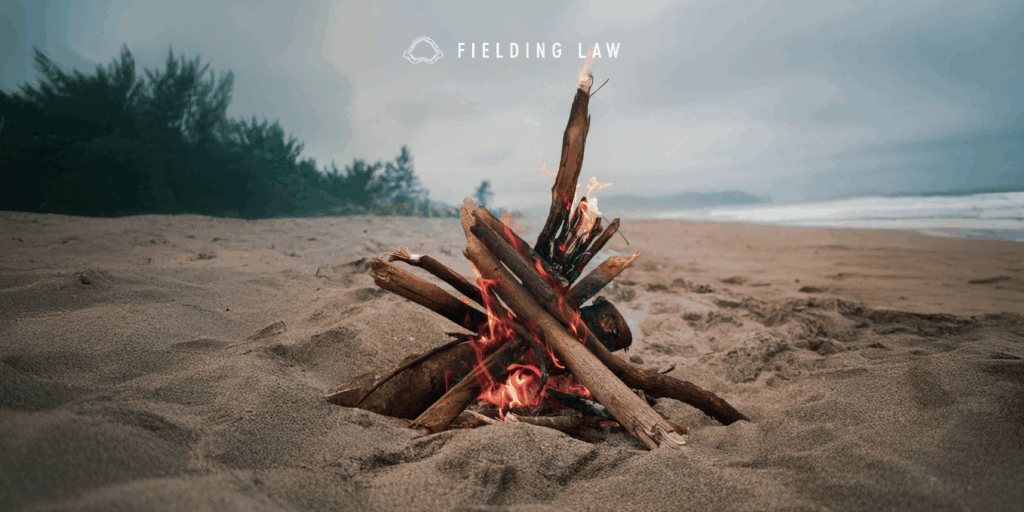
bonfire on the beach

California Beach Bonfire Injuries From Improper Fires

By Burn Injury, Catastrophic Injury, Personal Injury, Premises Liability, Public Entity

A beach bonfire can feel like a simple, enjoyable tradition. However, a California beach bonfire injury can happen long after the fire appears to be out. When fires are built outside designated areas or not properly extinguished, they can leave behind dangerous heat in the sand.

This risk is often overlooked. The flames are gone, the beach looks normal, and there is no visible warning. Yet the heat can remain strong enough to cause serious burns in seconds.

What This Means

Fires Without Designated Pits Increase Risk

Designated fire pits exist to contain heat and reduce spread. When a fire is built directly on the sand:

  • Heat travels deeper into the ground
  • The affected area becomes wider than expected
  • Cooling the area becomes more difficult

Even after the fire is gone, the sand may still be hot enough to cause immediate injury.

Why California Beach Bonfire Injuries Happen

Sand acts as an insulator. When coals are left behind or covered with sand instead of extinguished, the heat stays trapped.

Someone walking barefoot has no way to detect the danger. The burn happens instantly upon contact, often leading to:

  • Second degree burns
  • Third degree burns in more serious cases
  • Lasting scarring and medical treatment

How Improper Bonfires Lead To Injury

Fires Built Outside Approved Areas

Without a fire pit, there is no barrier to contain heat or embers. The sand absorbs and holds the heat.

Using Sand Instead Of Water

Covering coals with sand is a common mistake. It does not extinguish the fire. It keeps the heat in place.

Leaving Before The Area Is Cool

If the sand is not cool to the touch, it is not safe. Many people leave too soon, assuming the fire is out.

Busy Beach Conditions

High foot traffic increases the chance that someone will unknowingly step into a hot area.

What If There Is No Visible Fire

A Common Injury Scenario

A person walks along the beach hours later. The sand appears undisturbed. There are no flames, no smoke, and no warning signs.

When they step onto an area that was not properly extinguished, they can suffer a serious burn immediately.

Children are especially vulnerable due to barefoot play and digging in the sand.

Who Could Be Liable

The Person Who Built The Fire

If someone builds a fire outside a designated area or fails to properly extinguish it, they may be responsible for the hazard left behind.

Property Owners Or Public Entities

Liability may also depend on whether:

  • Clear rules or warnings were provided
  • Designated fire areas were available
  • Reasonable safety measures were in place

Shared Responsibility

Some situations involve more than one contributing factor. Responsibility can depend on whether the risk was foreseeable and whether reasonable steps were taken to prevent harm.

In California, negligence often focuses on whether a person acted reasonably under the circumstances. Ignoring basic fire safety practices can be an important factor.

Legal Rights And Key Information

The Impact Of Burn Injuries

A beach bonfire injury can result in:

These injuries are often more serious than they first appear.

Evidence That May Help

In these cases, useful information may include:

What People Usually Do After An Incident

After a beach bonfire injury, many people:

  • Seek immediate medical attention
  • Document the scene if possible
  • Report the incident
  • Try to determine how the fire was handled

These steps can help clarify what happened and whether the injury could have been prevented.

Frequently Asked Questions

How does a beach bonfire injury happen without flames?

Heat can remain in the sand long after a fire is out, especially if it was not properly extinguished.

Are fires outside pits more dangerous?

Yes. They spread heat into the sand and are harder to fully cool.

Who may be responsible for a beach bonfire injury?

It depends on the situation. The person who built or failed to extinguish the fire may be responsible.

Can these injuries be prevented?

Many of these incidents can be reduced by using designated fire areas and fully extinguishing fires with water.

Why Hire Fielding Law

Burn injuries can be painful, stressful, and disruptive. They often raise questions about responsibility and next steps. Fielding Law focuses on helping individuals who have been injured due to negligence. The firm approaches every case with care and attention, working to understand each client’s situation and provide thoughtful guidance.

Final Thoughts

Beach bonfires should not result in preventable injuries. When fires are built outside designated areas or not properly extinguished, they can create serious risks for others.

Taking simple safety steps can make a meaningful difference. Fully extinguishing fires and using proper locations helps protect everyone on the beach.

If you or someone you love has experienced a beach bonfire injury, you can contact Fielding Law at 833.88.SHARK for a free consultation. There is no obligation, just support and guidance when you need it most.

Note: Information provided is for educational purposes and does not constitute legal advice. Always consult with a qualified attorney for legal concerns.

interior view of an airplane looking down the aisle

Airplane Injuries That May Be More Serious Than Passengers Think

By Catastrophic Injury, Personal Injury, Premises Liability, Public Entity

When you board a plane, your safety is largely in the hands of the airline and its crew. However, when that duty of care is not met, injuries can happen in ways you might not expect. From turbulence and falling luggage to onboard incidents, it raises an important question: if you are injured during a flight, who is responsible and where does liability fall? 

Common Airplane Injuries

Air travel, while generally safe, can still present unexpected hazards during everyday in-flight and boarding situations that may result in serious passenger injuries. 

Burn Injuries

Even something as simple as serving a hot drink mid-flight can cause serious injury. Airlines have a duty to protect passengers from preventable harm. Small details often matter in real cases. How the drink was served, lid use, tray stability, and assistance can help explain what happened.

Real-life example: The parents of an 8-year-old passenger filed a lawsuit against Alaska Airlines after their daughter reportedly suffered severe burns when she was served a cup of hot tea without a lid. This reminds us how quickly an ordinary moment can turn into something much more serious. (People). 

Slip and Fall Injuries

Tight aisles, turbulence, and spills can create hazards on board, especially when they are not addressed promptly by crew members.  

Real-life example:  A federal court case involved a passenger who slipped in an airplane aisle on a piece of plastic wrap during flight, which led to a serious injury claim. The court discussed whether the presence of plastic wrap in the aisle could constitute an “unexpected or unusual” condition under aviation law. (Holland & Knight).  

Overhead Bin Injuries

It is something most of us do not think twice about, when we place or grab a bag from the overhead bin; however, improper stowage or unsecured items can create unexpected risks for passengers below. 

Real-life examples: In one case, a passenger sued United Airlines after being injured by a falling suitcase, arguing that cabin crew should have assisted with stowing the luggage. (Business Insider). 

In another case, Aer Lingus sued a passenger after a duty-free alcohol bottle fell from an overhead bin and injured another traveler. It shows how quickly routine flight situations can lead to unexpected harm. (PYOK). 

Boarding Injuries

Boarding a flight may feel routine. Passengers rely on others for guidance and care, especially when mobility assistance is involved.

Real-life example: A family was affected when a passenger filed a lawsuit after their loved one fell from an unsecured wheelchair being pushed by a crew member during boarding. He passed away later due to his injuries. This highlights how critical proper care and attention are in these moments. (Las Vegas Review Journal).  

Seat Malfunction Injuries

Sitting down on an airplane seat feels automatic and effortless. A malfunctioning seat can still cause unexpected injury.

Real-life example: A passenger filed a lawsuit after a seat reportedly reclined unexpectedly, leading to back and neck strain. This shows how a sudden, seemingly minor issue can cause lasting discomfort. (Business Insider). 

Importance of Evidence  

After an airplane injury, gathering evidence can make a real difference in understanding what happened and who may be responsible. Small but important details, like photos of the scenemedical recordswitness accounts, incident reports from the airline, and even your travel documents, can help piece together a clear picture. Things can change quickly after a flight. Document everything as soon as possible to help protect your rights and strengthen your case.

 Protecting You Everyday 

At Fielding Law, we believe safety is not only about the rare, unexpected moments it is about the everyday choices, systems, and care that surround every journey. Many reported injuries happen during routine travel moments. They occur while boarding, storing luggage, or settling into seats. When injuries happen during travel, you do not have to navigate the aftermath alone. Fielding Law is here to help you understand your rights and explore your options with care and clarity. Call us at 833.88 SHARK for your free consultation.  

Note: Information provided is for educational purposes and does not constitute legal advice. Always consult with a qualified attorney for legal concerns.
Two men talking after an accident next to their cars

It Was Just An Accident: A Guide for Injury Claims

By Bicycle Accident, Car Accident, Dog / Animal Bite, Motorcycle Accident, Pedestrian Accident, Personal Injury, Premises Liability, Slip or Trip and Fall

When An Accident Leaves You Hurt And Confused

A driver rear ends another car at a stoplight and immediately says it was not intentional. A shopper slips in a store aisle and an employee insists it was just an accident. A guest falls on broken steps and the property owner apologizes, saying no harm was meant.

After incidents like these, injured people are often left asking difficult questions about what comes next. One of the most common is whether an accident injury claim is still possible when the other person insists it was not meant to cause harm.

Many people assume that if something was accidental, there is no legal case. That is not how injury law works in California or Arizona.

We explain how accident injury claims are evaluated, what liability actually means, and when legal responsibility may still exist even when there was no intent to cause harm.

How An Accident Injury Claim Actually Works

An accident injury claim does not depend on whether someone meant to cause harm. Most civil injury cases are based on negligence.

Negligence means a person failed to use reasonable care and that failure caused injury to someone else.

So when someone says an incident was just an accident, that usually speaks to intent, not legal responsibility.

The law focuses on whether the situation could have been prevented. Even unintentional actions can create liability if they were careless or unsafe.

This applies in many situations in both California and Arizona, including traffic collisions, unsafe property conditions, and everyday preventable incidents.

Common Situations That Lead To Accident Injury Claims

Many people begin exploring an accident injury claim after everyday situations that seem minor at first but result in real harm.

Examples include:

In these situations, the person responsible may not have intended harm. However, their actions or inaction may still have created unsafe conditions.

These incidents often lead to injuries such as:

Even when the event is described as accidental, the impact on the injured person can be significant.

Liability And What The Law Looks At

Understanding an accident injury claim requires understanding how liability is evaluated.

Civil law generally asks whether someone acted with reasonable care under the circumstances. If they did not, and someone was injured as a result, liability may exist.

Insurance Considerations

Insurance companies typically focus on fault rather than intent. Even when a situation is unintentional, coverage may still apply if negligence is found.

Disputes often arise over whether:

  • A person acted carelessly
  • The injury is connected to the incident
  • More than one party shares responsibility
  • The damages are fully supported by evidence

Comparative Fault In California And Arizona

Both California and Arizona allow shared fault in injury cases. This means responsibility can be divided between multiple parties depending on the facts.

This does not automatically prevent an accident injury claim. It simply affects how responsibility may be evaluated.

What People Usually Do After An Accident

After an unexpected injury, most people are unsure what steps matter most for a potential accident injury claim.

Common actions include seeking medical care. This is important because some injuries do not appear immediately.

People also begin documenting the incident. This may include:

  • Photos of the scene
  • Witness contact information
  • Medical records and bills
  • Communication with insurance companies

Insurance discussions can be confusing, especially when fault is not clear.

Many people eventually seek legal guidance to understand how negligence applies and what options may exist under California or Arizona law.

Frequently Asked Questions

Can I Still Bring An Accident Injury Claim If It Was Not Intentional?

Yes, in many situations you can still bring a claim even if no one intended harm. Most injury cases focus on negligence rather than intent. The key question is whether reasonable care was taken.

Does Calling It An Accident Mean No One Is Responsible?

Not necessarily. The label alone does not determine liability. Responsibility depends on the facts, conduct, and whether safety standards were followed.

What If I Was Partially At Fault For The Incident?

In both California and Arizona, shared fault rules may apply. This means responsibility can be divided based on each party’s actions.

How Do Lawyers Evaluate An Accident Injury Claim?

They typically look at evidence such as photos, witness statements, medical records, and safety conditions. The goal is to determine whether negligence likely occurred.

Why Hire Fielding Law

Fielding Law is a boutique personal injury firm focused on helping injured people understand their rights with clarity and care. The firm emphasizes communication, ethical representation, and detailed case preparation. Each case is handled with attention to the individual situation and a commitment to guiding clients through a difficult time with professionalism and compassion.

Understanding Your Next Step

Being told something was just an accident does not automatically eliminate legal responsibility. Many accident injury claim cases in California and Arizona are based on negligence, not intent.

If you are unsure about your situation, speaking with a legal team can help clarify what rights may apply and what options exist based on the facts.

If you have questions, call 833.88.SHARK for a Free Consultation.

Note: Information provided is for educational purposes and does not constitute legal advice. Always consult with a qualified attorney for legal concerns.

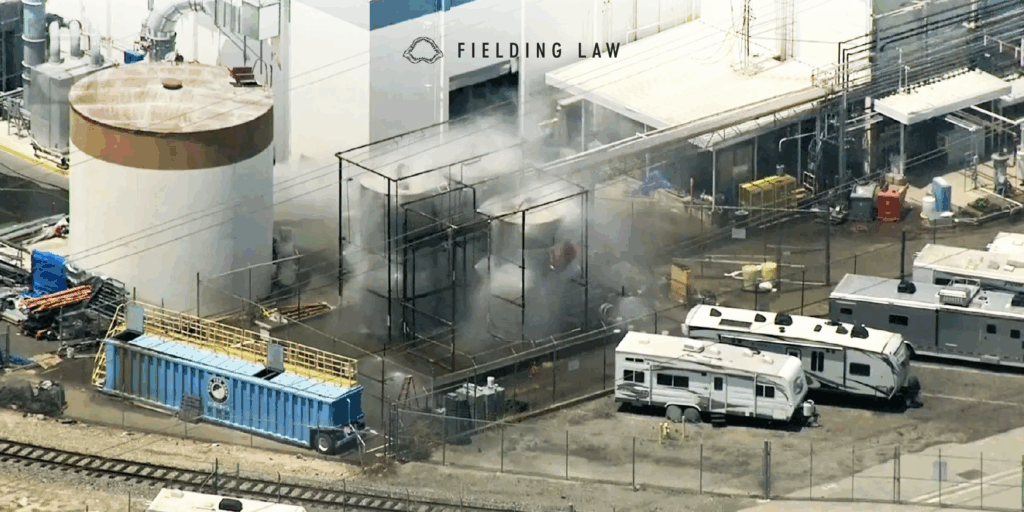
Garden Grove aerospace facility chemical tank spewing

Garden Grove Chemical Tank Crisis

By Burn Injury, Catastrophic Injury, News, Personal Injury, Premises Liability, Wrongful Death
Garden Grove aerospace facility chemical tank spewing

Photo Courtesy of KTLA News: Firefighters douse the leaking chemical tank in Garden Grove on May 22, 2026.

A Dangerous Chemical Emergency In Orange County

Thousands of Orange County residents were forced from their homes after a dangerous chemical emergency unfolded in Garden Grove, California. Families across nearby communities faced evacuation orders while emergency crews worked to prevent what officials feared could become a catastrophic explosion.

According to KTLA Coverage Of The Garden Grove Chemical Leak And Evacuations, the incident involved a massive overheating storage tank containing methyl methacrylate at a GKN Aerospace facility. Officials warned the tank could potentially explode or release hazardous chemicals into surrounding neighborhoods.

The evacuation zone impacted parts of Garden Grove, Anaheim, Stanton, Cypress, Buena Park, and Westminster. Reports estimated that as many as 50,000 residents were affected.

California Governor Gavin Newsom later declared a state of emergency in response to the situation. Governor Newsom Emergency Declaration

For many families, the Garden Grove chemical tank crisis created immediate fear, confusion, financial stress, and concerns about long term health risks.

What The Garden Grove Chemical Tank Crisis Means For Residents

Industrial chemical emergencies can affect far more than the facility itself. Nearby residents, workers, businesses, and schools may all suffer consequences when dangerous materials are involved.

During the Garden Grove chemical tank crisis, emergency officials warned residents about potential toxic exposure risks and the possibility of a catastrophic explosion. ABC7 Coverage Of The Chemical Emergency

Even after authorities reduced the explosion threat, air quality and environmental safety concerns remained under investigation. Associated Press Coverage Of The Incident

People affected by industrial emergencies may experience:

Why These Incidents Often Lead To Personal Injury Claims

When a dangerous industrial incident happens, investigators often look closely at whether the event could have been prevented.

Questions may include:

  • Was the facility properly maintained?
  • Were hazardous materials stored safely?
  • Did warning systems function correctly?
  • Were emergency procedures followed?
  • Did the company respond quickly enough?

According to a follow up report from Reuters, investigators examined possible structural issues and safety concerns tied to the tank involved in the crisis.

When companies store dangerous chemicals near neighborhoods and businesses, they may have legal responsibilities to protect the surrounding community from foreseeable harm.

If negligence contributed to the incident, injured individuals may have the right to pursue compensation.

Common Injuries After Toxic Chemical Exposure

Chemical exposure cases can become complicated because symptoms do not always appear immediately. Some individuals may not realize they were affected until days later.

Possible injuries may include:

Respiratory Problems

Exposure to chemical fumes may trigger coughing, breathing issues, chest pain, or worsening asthma symptoms.

Neurological Symptoms

Some people report headaches, nausea, dizziness, or confusion after exposure to hazardous substances.

Skin And Eye Irritation

Toxic chemicals can irritate the skin, eyes, and throat, especially during large industrial releases.

Emotional Trauma

Sudden evacuation orders and fears of explosion can create lasting stress and anxiety for families.

The Los Angeles Times reported that officials feared the chemical reaction could have become catastrophic if conditions worsened.

What People Usually Do After An Industrial Evacuation

Many people leave evacuation zones focused only on staying safe. Days later, they begin dealing with the financial and emotional impact of the event.

People often face:

  • Temporary housing costs
  • Missed work
  • Medical appointments
  • Insurance questions
  • Property concerns
  • Stress about returning home

This is often when legal questions begin.

A personal injury lawyer can help investigate what happened, preserve evidence, communicate with insurance companies, and evaluate whether a claim may exist.

In chemical exposure cases, evidence may disappear quickly. Maintenance records, inspection reports, environmental testing data, and internal communications can all become important later.

California Toxic Exposure Cases Are Complex

Industrial accident claims are rarely straightforward. Multiple parties may become involved, including:

  • Large corporations
  • Insurance carriers
  • Government agencies
  • Environmental investigators
  • Safety experts
  • Medical professionals

Reports already indicate lawsuits connected to the Garden Grove chemical tank crisis have started emerging. Coverage Of Early Lawsuits Connected To The Incident

Not every affected person will have the same type of claim. Some may experience physical injuries while others may suffer financial losses tied to evacuation costs or business interruption.

That is why individualized legal guidance matters.

California Laws Regarding Hazardous Chemicals

California has strict laws regarding hazardous material handling and industrial safety. Facilities that store dangerous chemicals may be required to follow extensive regulations involving:

  • Hazardous material storage
  • Fire prevention systems
  • Emergency planning
  • Inspection requirements
  • OSHA compliance
  • Environmental monitoring
  • Community safety procedures

If a company failed to act reasonably under the circumstances, injured individuals may have legal options available under California law.

However, every case depends on the specific facts involved.

Frequently Asked Questions

Can I file a claim if I evacuated during the Garden Grove chemical tank crisis?

Possibly. Some claims may involve evacuation expenses, lost wages, medical concerns, or property related damages.

What if my symptoms started later?

Chemical exposure symptoms sometimes develop over time. Seeking medical attention and documenting symptoms can be important.

Can businesses recover losses after a chemical evacuation?

In some situations, businesses affected by closures or evacuation orders may have potential claims depending on the circumstances.

Are toxic exposure lawsuits complicated?

Yes. Toxic exposure cases often involve environmental testing, medical evidence, and extensive investigations.

Why Hire Fielding Law

At Fielding Law, we understand how overwhelming industrial emergencies can feel for families and communities. Toxic exposure and industrial accident cases often involve complicated investigations, multiple parties, and serious concerns about health and financial stability. Our team approaches every case with compassion, attention to detail, and a commitment to helping injured individuals understand their legal options. When major incidents disrupt lives, people deserve answers and experienced legal guidance in their corner.

When Industrial Emergencies Affect Entire Communities

The Garden Grove chemical tank crisis became national news because of how close the situation came to surrounding homes, schools, and businesses. Even after officials reduced the immediate explosion risk, thousands of residents experienced fear, disruption, and uncertainty.

According to Reuters Follow Up Coverage On The Reduced Explosion Threat, emergency crews worked for days to stabilize the tank and prevent disaster.

When dangerous chemical incidents happen, having trusted legal guidance can make a meaningful difference.

If you or your family were impacted by the Garden Grove chemical tank crisis, Fielding Law may be able to help you understand your legal options. Call 833.88.SHARK for a Free Consultation.

Key Takeaways From The Garden Grove Chemical Emergency

The Garden Grove chemical tank crisis involved an overheating storage tank containing methyl methacrylate at a GKN Aerospace facility in Orange County. Tens of thousands of residents faced evacuation warnings due to concerns about toxic exposure and explosion risks. Industrial chemical emergencies can lead to claims involving medical issues, evacuation expenses, lost income, and emotional distress. A Garden Grove chemical tank crisis lawyer can help investigate liability and evaluate potential legal claims after a toxic exposure incident. Call 833.88.SHARK for a Free Consultation.

Note: Information provided is for educational purposes and does not constitute legal advice. Always consult with a qualified attorney for legal concerns.

Close Menu
Call Now Button