

Category

Dog / Animal Bite

Balance scale on a wooden table

Can I Still Recover if I Was Partially at Fault in Arizona?

By Bicycle Accident, Car Accident, Dog / Animal Bite, Motorcycle Accident, Pedestrian Accident, Personal Injury

Yes. You can still recover money in Arizona even if you were partly at fault for the crash. However, your recovery goes down based on your share of fault. Still, you are not blocked from bringing a claim.

Arizona uses a comparative fault rule. Because of this, each person in a crash gets a share of fault.

How Shared Fault Affects Compensation in Arizona

Your compensation goes down based on fault percentage. However, you can still recover the rest from the other party.

For example, if damages equal 100,000 dollars and you are 20 percent at fault, then you recover 80,000 dollars.

How Fault Is Decided in Arizona

Fault gets decided after a full review of the facts. In most cases, both insurance companies and investigators look at the same evidence.

Common evidence includes:

  • Police reports
  • Witness statements
  • Photos and video
  • Vehicle damage
  • Traffic laws
  • Medical records

In addition, timing matters. For example, early medical care can support your version of events. Also, crash photos can help show how the accident happened.

Insurance Companies and Shared Fault

Insurance companies often try to raise your fault percentage. As a result, they can reduce what they pay.

Even a small change in fault can make a big difference. Therefore, strong evidence can matter a lot in these cases.

Why Fault Percentage Matters

Fault percentage directly changes your recovery. Because of this, small shifts can have large results.

For example:

  • 10 percent fault on 100,000 dollars means 90,000 dollars recovery
  • 30 percent fault on 100,000 dollars means 70,000 dollars recovery

What to Do After a Crash Involving Shared Fault

After a crash, fault may not be clear. In fact, it often changes after a full review.

So, it helps to:

Early details can help support your claim later.

Why Hire Fielding Law

Fielding Law helps injured people understand how Arizona fault rules apply after a crash. In many cases, both sides try to shift blame. Because of that, careful review of the facts matters.

Fielding Law works to protect clients from unfair fault claims. At the same time, the firm pushes for fair compensation for medical bills, lost income, and other losses.

If you have questions after a crash, call 833.88.SHARK.

Note: Information provided is for educational purposes and does not constitute legal advice. Always consult with a qualified attorney for legal concerns.
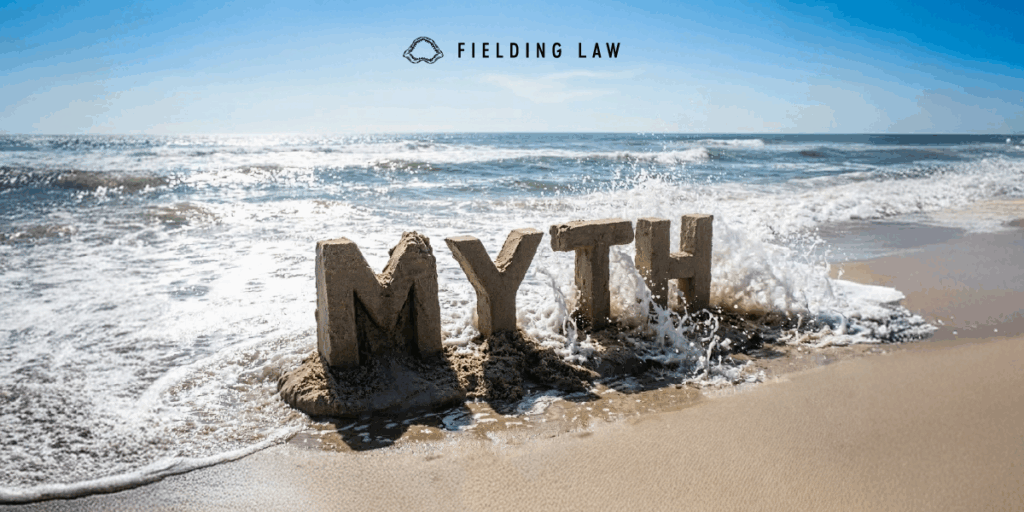
the word Myth made into a sandcastle wiped out by a wave at the beach

Top 10 Personal Injury Myths Exposed

By Car Accident, Dog / Animal Bite, Personal Injury, Premises Liability, Slip or Trip and Fall, Wrongful Death

Believing common personal injury myths can hold people back from taking the right steps after an accident. Many individuals assume they do not have a case or that the process is too complicated. As a result, they may miss opportunities to recover compensation for their injuries.

Understanding the truth is essential. When you know what to expect, you can make informed decisions and move forward with greater confidence. Below, we break down the most common myths and explain what you should actually know.

Debunking Personal Injury Myths

Myth 1 Only Severe Injuries Deserve Compensation

Even minor injuries may qualify for compensation. For example, soft tissue injuries can lead to ongoing pain, physical therapy, and missed work. Over time, these costs add up. Therefore, it is important to take every injury seriously, even if it does not seem severe at first.

Myth 2 Quick Settlements Are the Best Option

A quick settlement may feel like relief. However, early offers are often lower than what your claim may truly be worth. In many cases, the full extent of injuries is not yet known. Taking time allows for a more accurate evaluation of medical costs, lost income, and long term impact.

Myth 3 Personal Injury Claims Always Go to Court

Many people worry about going to trial. In reality, most personal injury cases are resolved through settlement. Strong negotiation can often lead to a fair outcome without the need for court involvement.

Myth 4 Only Car Accidents Qualify

Personal injury law covers a wide range of situations. For instance, claims may arise from slip and falls, dog bites, unsafe premises, or other negligent actions. If someone else’s carelessness caused harm, there may be a valid claim.

Myth 5 You Can Handle It Alone

While it is possible to handle a claim independently, it can be challenging. Insurance companies have experience and resources on their side. Having legal representation can help protect your rights and ensure your claim is properly valued.

Myth 6 You Can Wait to File a Claim

Timing is critical. Each state has deadlines for filing a personal injury claim. Waiting too long may prevent you from pursuing compensation altogether. Speaking with an attorney early helps preserve your options.

Myth 7 Insurance Companies Always Offer Fair Settlements

Insurance companies aim to limit payouts. Because of this, initial settlement offers may not reflect the full value of your claim. It is important to carefully review any offer before accepting.

Myth 8 Personal Injury Claims Are Expensive

Many people hesitate because they are concerned about cost. However, Fielding Law works on a contingency fee basis. This means you do not pay upfront, making legal support accessible when you need it most.

Myth 9 Only Physical Injuries Count

Not all injuries are visible. Emotional distress, anxiety, and mental suffering can also impact your life. These damages may be considered as part of a personal injury claim.

Myth 10 You Need to Know the Value of Your Case First

Many people believe they must know exactly what their case is worth before reaching out for help. In reality, determining the value of a personal injury claim can be complex. It often involves medical expenses, lost income, future care, and other factors that are not always obvious at the start. Speaking with an attorney can help you better understand what your claim may involve and what factors could impact its value.

What To Do After an Injury

After an accident, taking the right steps can protect both your health and your potential claim.

These actions can make a meaningful difference as your case develops.

Frequently Asked Questions

How do I know if I have a personal injury case?

If you were injured due to someone else’s negligence, you may have a claim. An attorney can help evaluate your situation based on the details.

How long do I have to file a claim?

The timeline depends on state laws and the specifics of your case. Acting sooner rather than later is always recommended.

Do I need an attorney for a personal injury claim?

While not required, legal guidance can help you better understand your rights and pursue fair compensation.

Why Hire Fielding Law

Navigating personal injury myths can feel overwhelming, especially when you are already dealing with an injury. At Fielding Law, we focus on providing clear guidance with professionalism, care, and attention to detail. Our team works to understand your situation and help you pursue a fair outcome while keeping the process as smooth as possible.

If you have questions about your situation, call 833.88.SHARK to connect with our team. We are here to help you move forward with clarity and confidence.

Note: Information provided is for educational purposes and does not constitute legal advice. Always consult with a qualified attorney for legal concerns.
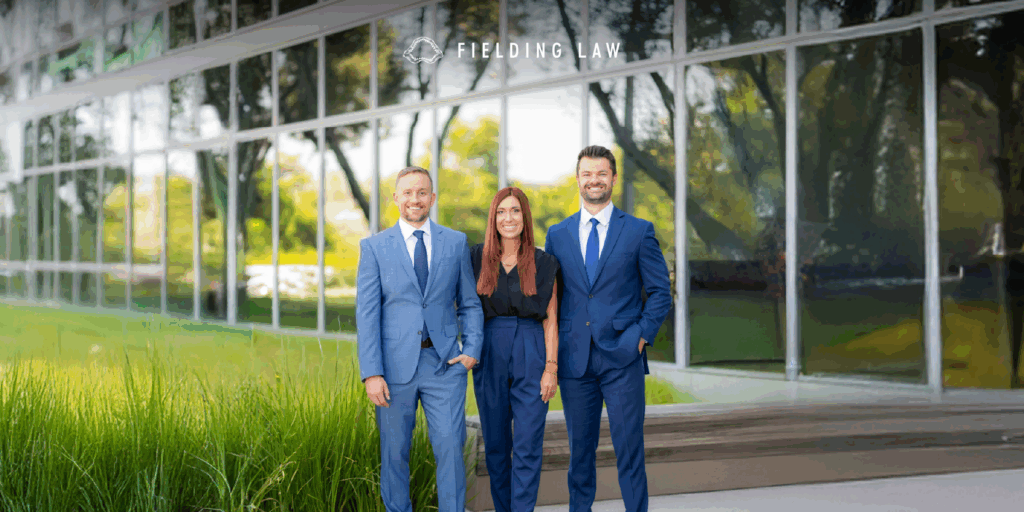
Clark Fielding Arizona attroney, Savonnah Saumers Director of Operations, Ryan Cooper California Attorney

Choosing the Right Arizona Injury Lawyer

By Bicycle Accident, Boating Accident, Bus Accident, Car Accident, Dog / Animal Bite, Motorcycle Accident, Pedestrian Accident, Personal Injury, Premises Liability, Product Liability, Public Entity, Rideshare Accident, RV Accident, Slip or Trip and Fall, Train Accident, Truck Accident, Wrongful Death

After an accident, life can feel overwhelming. Medical visits pile up, bills arrive, and insurance adjusters keep calling. At the same time, advertisements from law firms appear everywhere, which can make the decision even more stressful. Finding a trusted Arizona injury lawyer may seem difficult, but a clear approach can help you choose with confidence.

Start With Arizona Experience

First, confirm that the lawyer understands Arizona law. Each state has its own rules, and Arizona follows pure comparative negligence. This means your recovery could be reduced if you share fault for the accident.

Because of this rule, your attorney should build a strong case from the start. A trusted Arizona injury lawyer knows how to collect evidence, review crash reports, and respond to insurance tactics. Local court experience can also make a difference if your case goes to trial.

Choose a Firm That Focuses on Injury Cases

Next, consider the firm’s focus. Some firms divide their work across many practice areas, but serious injury claims need careful attention. Medical records, lost wages, and future care costs require skill and experience.

Ask whether the attorney regularly handles cases like yours. Car crashes, pedestrian injuries, trucking collisions, and wrongful death claims all need different strategies. A firm that focuses on injury cases is more likely to provide strong preparation and clear guidance.

Pay Close Attention to Communication

Equally important, notice how the attorney interacts with you during the first meeting. Good representation starts with listening.

A trusted Arizona injury lawyer should:

  • Listen carefully to your concerns

  • Explain the process in simple language

  • Answer questions clearly

  • Set realistic expectations

You should never feel rushed or ignored. Regular updates and steady communication help reduce stress while your case moves forward.

Review Reputation and Client Feedback

Then, look at past client reviews. Consistent feedback can show how a firm handles its clients. Do clients feel supported? Do they describe clear communication and respect?

No lawyer can guarantee a result, but positive patterns can indicate a strong commitment to client care. Reputation builds over time and reflects how a firm treats people.

Avoid Pressure and Flashy Promises

Large advertising campaigns may grab attention, but marketing does not always reflect quality. Focus instead on how the firm answers your questions and explains the process.

A trusted Arizona injury lawyer will outline risks and options without pressuring you. They provide the space you need to make informed decisions.

Why Hire Fielding Law

At Fielding Law, clients are treated as individuals, not case numbers. The firm represents people injured by negligence and never works for insurance companies. This focus keeps attention on your needs.

The team builds each case with care and clear strategy. Communication remains consistent, and every interaction is guided by professionalism, civility, and respect.

If you are looking for a trusted Arizona injury lawyer, you deserve both experience and genuine support. To discuss your situation, call 833.88.SHARK.

With the right guidance, you can take steady steps toward recovery and regain confidence during a challenging time.

Note: Information provided is for educational purposes and does not constitute legal advice. Always consult with a qualified attorney for legal concerns.

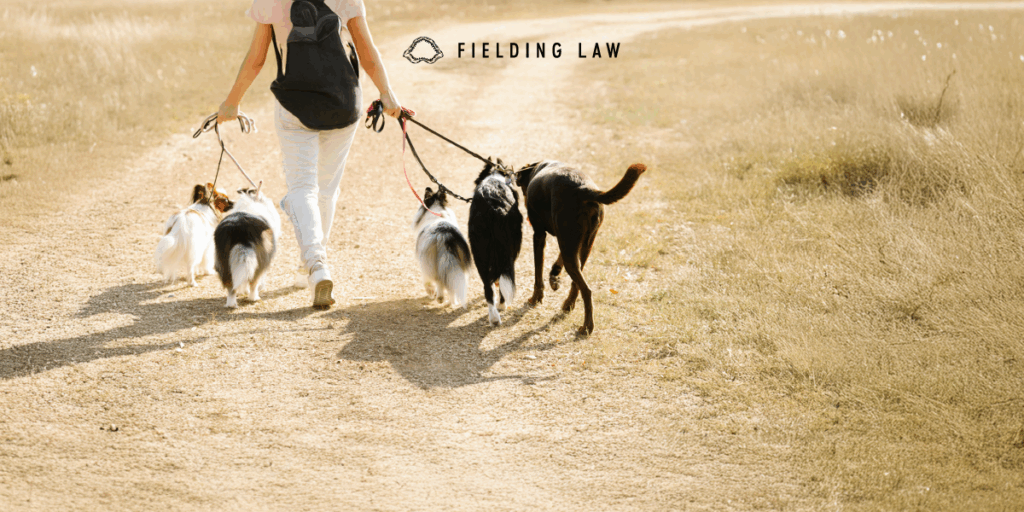
dog walker with dogs

Who Is Liable for a Dog Bite When the Dog Is With a Caregiver?

By Dog / Animal Bite, Personal Injury

Dog bites can happen in an instant, and the aftermath often leaves victims asking the same question: who is responsible for the injuries? In California, the law makes dog owners strictly liable for bites, but many incidents occur when the dog is with a caregiver such as a walker, sitter, or friend. This raises an important issue: if the owner is not present, can the caregiver be held responsible? Understanding how liability works in these situations can help victims know their rights and determine the best path forward.

Dog Bite Laws in California

Dog bites can be painful, traumatic, and costly. California has one of the strongest dog bite statutes in the country. Under California Civil Code Section 3342, the dog’s owner is strictly liable if their dog bites someone. This means the owner is responsible for damages even if the dog had never bitten before or shown aggression.

But what happens when the dog is not with the owner? Many bites occur when a caregiver, such as a walker, sitter, or friend, is in charge of the dog. In these cases, the law treats liability differently.

Who Is Strictly Liable?

The Dog Owner: The strict liability statute applies only to the legal owner of the dog. Even if the dog was with a caregiver at the time of the bite, the owner remains strictly liable for the victim’s injuries. Ownership carries full legal responsibility under California’s dog bite law.

When Caregivers May Be Liable

Caregivers, keepers, or dog walkers are not automatically held liable under strict liability. However, they may still be responsible under negligence law. Negligence means failing to act with reasonable care in a situation. Examples include:

  • Walking the dog without a leash in a public space

  • Ignoring visible signs of aggression or failing to control the dog

  • Allowing the dog to approach strangers unsafely

  • Leaving gates, doors, or enclosures unsecured

If a caregiver’s actions or inactions caused or contributed to the bite, they may share liability alongside the owner.

Other Parties Who May Be Liable

Beyond owners and caregivers, other individuals or entities could also be responsible if negligence played a role in the attack:

  • Property Owners or Landlords: If they knew a dangerous dog lived on the property and failed to act, they could face liability.

  • Third Parties: For example, a maintenance worker or security company that left a gate open, allowing the dog to escape and bite someone.

When Strict Liability Does Not Apply

There are exceptions and limitations to California’s strict liability law. Dog owners may not be held strictly liable if:

  • The victim was trespassing on private property

  • The victim provoked the dog

  • The dog was a police or military animal performing official duties

  • The injury did not involve a bite

    • California’s strict liability statute generally applies only to dog bites.

    • However, non-bite injuries, such as being knocked over, may still result in liability under negligence or if the dog had known dangerous propensities.

Why Hire Fielding Law

Dog bite cases can become complicated when multiple parties are involved. Owners are always strictly liable, but caregivers and other third parties may also face responsibility if negligence is proven. Sorting out liability requires careful investigation and strong legal guidance.

The attorneys at Fielding Law understand the challenges of dog bite cases in California. Our team provides compassionate, capable representation to protect victims and pursue fair compensation. We handle the legal process and insurance companies so you can focus on recovery.

Call 833.88.SHARK today to discuss your case with an experienced and caring team.

Note: Information provided is for educational purposes and does not constitute legal advice. Always consult with a qualified attorney for legal concerns.
People sitting at a cafe with a dog

Are Dog Friendly Businesses Liable for Bites?

By Dog / Animal Bite, Personal Injury, Premises Liability

Can Businesses Be Liable for Dog Bites?

Dog bites can cause lasting injuries, both physical and emotional. While dog owners are usually responsible for their pet’s actions, businesses that allow dogs on their premises may also share liability under certain circumstances. In California and Arizona, premises liability laws can make property owners or businesses partially responsible when a visitor is hurt by a dog on their property.

California Dog Bite Laws

California follows a strict liability rule for dog owners. This means that an owner is legally responsible if their dog bites someone in a public place or lawfully on private property. However, businesses in California may also face business liability for dog bites if:

  • They permitted dogs on their property knowing the potential risks

  • They failed to post warnings about dogs being present

  • Their negligence contributed to the incident, such as allowing aggressive animals in crowded areas

For example, if a café invites customers to bring dogs onto the patio but does not provide proper safety measures, the business may share fault if a bite occurs.

Arizona Dog Bite Laws

Arizona also imposes strict liability on dog owners, holding them responsible when a bite happens in a public place or when the victim has a legal right to be on private property. Businesses in Arizona, like in California, may face business liability for dog bites if they created unsafe conditions by allowing dogs on their premises.

Arizona courts can consider whether:

  • The business knew or should have known the dog was dangerous

  • Reasonable precautions were ignored

  • The injured person was legally present at the time of the attack

Shared Responsibility in Dog Bite Cases

Both states allow for comparative fault, meaning liability may be shared between multiple parties. In a dog bite case on a business property, responsibility could fall on:

  • The dog’s owner for failing to control their pet

  • The business for not taking steps to protect customers or guests

  • Other parties involved in maintaining the premises

Because these cases can be complex, it is important for victims to speak with an experienced attorney.

Why Hire Fielding Law

At Fielding Law, we understand how devastating dog bite injuries can be. Our caring and capable team helps clients in California and Arizona hold negligent parties accountable. Whether the responsibility lies with a dog owner, a business, or both, we fight to recover the compensation our clients deserve for medical bills, lost wages, and pain and suffering.

If you or a loved one has been injured in a dog bite incident on business property, call 833.88.SHARK or contact Fielding Law today.

Note: Information provided is for educational purposes and does not constitute legal advice. Always consult with a qualified attorney for legal concerns.

proof spelled out in gaming tiles

Proving Negligence After Injury

By Assault, Bicycle Accident, Boating Accident, Brain Injury (TBI), Burn Injury, Bus Accident, Car Accident, Dog / Animal Bite, E-Bikes and E-Scooters, Motorcycle Accident, Pedestrian Accident, Personal Injury, Personal Watercraft (PWC) Accident, Premises Liability, Product Liability, Public Entity, Rideshare Accident, RV Accident, Skate & Skateboarding Accident, Ski & Snowboard Accident, Slip or Trip and Fall, Spinal Cord Injury, Train Accident, Truck Accident, Wrongful Death

What Negligence Means in a Personal Injury Case

Negligence is the foundation of most personal injury claims in California and Arizona. It describes a situation where a person or business fails to act with reasonable care. When that failure harms someone, the injured person may have a legal right to pursue compensation. Understanding proving negligence injury is essential for any plaintiff seeking recovery.

Negligence does not require intentional harm. Instead, it focuses on avoidable mistakes. These mistakes can happen on the road, inside a business, at a private residence, or during everyday activities.

Common Examples of Negligence

Negligence appears in many forms. Some of the most frequent sources include

Each of these actions places others at risk. When an injury occurs, the plaintiff must show that the other party failed to act responsibly. Proving negligence injury requires clear evidence of these failures.

What a Plaintiff Must Prove

In both California and Arizona, the plaintiff must show

This can sound straightforward, but it often requires evidence, witness statements, reports, and a clear understanding of state law. A skilled attorney can help with proving negligence injury by gathering and presenting information in a strong and organized way.

How State Laws Affect Negligence

California uses a pure comparative negligence system. This means a plaintiff can recover compensation even if they share most of the fault, but their compensation will be reduced by their percentage of responsibility.

Arizona uses a similar comparative fault system, and injured people can still seek recovery even if they hold some responsibility. These rules can significantly impact the outcome of a claim, making proving negligence injury even more important.

Why Negligence Matters for Plaintiffs

Negligence determines whether an injured person has a valid claim. It also influences how much compensation may be available. Plaintiffs often deal with medical bills, missed work, pain, and emotional stress. A clear demonstration of proving negligence injury helps create a strong foundation for a claim that reflects the full impact of an injury.

Why Hire Fielding Law

The injury process can feel overwhelming, but you do not need to face it alone. Fielding Law offers caring, capable, and experienced support for injured plaintiffs in California and Arizona. Our team focuses on listening, understanding your situation, and guiding you with steady and compassionate leadership. We work to protect your rights so you can focus on healing. To speak with our team, contact Fielding Law or call 833.88.SHARK.

Note: Information provided is for educational purposes and does not constitute legal advice. Always consult with a qualified attorney for legal concerns.
Animal sheep looking up at a hand with food

Animal Bite Injury Beyond Dog Bites

By Dog / Animal Bite

Understanding Animal Bite Injuries Beyond Dogs

When people think of animal bite injuries, dog attacks are usually the first that come to mind. However, many other animals can cause serious harm. From cats and ferrets to exotic pets like snakes, lizards, or even birds, these incidents can lead to infection, scarring, and long-term complications. In Arizona and California, the law recognizes that non-dog animal bites can be just as serious as dog-related injuries.

Where Non-Dog Animal Bites Happen

Bite injuries can occur in a variety of settings.

  • Petting zoos or wildlife parks: Children may interact with animals in close quarters, increasing the risk of bites.

  • Private homes: Friends or relatives may own cats, rodents, reptiles, or other pets with aggressive tendencies.

  • Rental properties: Landlords who allow tenants to keep animals may share liability if they knew about a danger.

  • Workplaces: Jobs involving animal handling, such as veterinary offices or farms, can carry a higher risk.

Each of these locations may involve different legal responsibilities for owners and property managers.

Legal Responsibility for Animal Bite Injuries

In California, strict liability laws cover many types of animal bites, meaning an owner may be responsible even if the animal never showed aggression before. Arizona applies similar principles in certain situations but may require proof of negligence if strict liability does not apply.

For example, if a landlord knows a tenant owns an aggressive parrot that has bitten visitors before, the landlord could face liability for failing to address the hazard. The same may be true for event organizers who fail to supervise animal interactions at public attractions.

Why Prompt Medical Care is Important

Non-dog bites, especially from cats or wild animals, often carry a high risk of infection. Immediate cleaning, medical evaluation, and in some cases, rabies or tetanus shots are essential. Delaying care can worsen injuries and complicate legal claims.

Why Hire Fielding Law

If you or a loved one suffers an animal bite injury in Arizona or California, Fielding Law can help you understand your rights and explore your options for compensation. Our caring and capable attorneys know how to investigate liability, gather evidence, and protect your interests so you can focus on recovery. Call 833.88.SHARK to speak with our team today.

Note: Information provided is for educational purposes and does not constitute legal advice. Always consult with a qualified attorney for legal concerns.

Woman sitting in the woods meditating

Why You Should Destress Before Mediation

By Assault, Bicycle Accident, Boating Accident, Brain Injury (TBI), Burn Injury, Bus Accident, Car Accident, Catastrophic Injury, Dog / Animal Bite, E-Bikes and E-Scooters, Motorcycle Accident, Pedestrian Accident, Personal Injury, Personal Watercraft (PWC) Accident, Premises Liability, Product Liability, Public Entity, Rideshare Accident, RV Accident, Skate & Skateboarding Accident, Ski & Snowboard Accident, Slip or Trip and Fall, Spinal Cord Injury, Train Accident, Truck Accident, Wrongful Death

Mediation can be stressful. You may feel pressure to reach an agreement, worry about the other side, or fear that your position will not be understood. Managing your stress before mediation is essential to protect your mental focus and advocate effectively for yourself.

What Mediation Involves

Mediation is a structured negotiation guided by a neutral third party, called a mediator. Unlike court, it is informal, confidential, and focused on finding a mutually acceptable resolution. Understanding the process can reduce uncertainty and help you feel more prepared.

Why Reducing Stress Matters

Stress affects your judgment, communication, and patience. When you are tense, it can be harder to listen carefully, respond thoughtfully, or negotiate calmly. Entering mediation in a relaxed state increases your ability to:

  • Think clearly about your priorities and goals

  • Stay composed under pressure

  • Communicate your needs confidently

  • Recognize reasonable compromises

A calm approach can make the process smoother, help prevent emotional reactions, and improve the likelihood of a favorable outcome.

Strategies to Destress

  1. Prepare in Advance
    Understand your case, documents, and your ideal outcome. Preparation reduces uncertainty, which is a major source of stress.

  2. Practice Mindfulness or Meditation
    Simple breathing exercises or guided meditations can lower anxiety and help you feel grounded. Even five minutes can make a difference.

  3. Exercise
    Physical activity releases tension and stimulates endorphins. A short walk or light workout before mediation can boost focus and mood.

  4. Get Adequate Sleep
    Fatigue intensifies stress and reduces your ability to think clearly. Prioritize rest the night before your session.

  5. Limit Caffeine and Sugar
    Excessive stimulants can increase anxiety. Opt for water or calming teas instead.

  6. Visualize Success
    Picture yourself speaking calmly, listening attentively, and negotiating effectively. Positive visualization can increase confidence and reduce nervousness.

  7. Talk with Your Attorney
    Discuss concerns with your lawyer, review the process, and clarify what to expect. Feeling supported reduces fear and uncertainty.

Why Hire Fielding Law

Mediation is a critical step in resolving disputes, and Fielding Law is committed to guiding clients through it with empathy and skill. We help you prepare, stay focused, and advocate effectively so you can approach mediation with confidence.

Call 833.88.SHARK to schedule a free consultation and take the first step toward a calmer, more effective mediation experience.

Note: Information provided is for educational purposes and does not constitute legal advice. Always consult with a qualified attorney for legal concerns.

Fielding Law Jaw logo on blue and aqua green gradient

Fielding Law Earns Best Law Firms® 2026 Recognition

By Assault, Bicycle Accident, Boating Accident, Brain Injury (TBI), Burn Injury, Bus Accident, Car Accident, Catastrophic Injury, Dog / Animal Bite, E-Bikes and E-Scooters, Firm News and Celebrations, Motorcycle Accident, Pedestrian Accident, Personal Injury, Personal Watercraft (PWC) Accident, Premises Liability, Product Liability, Public Entity, Rideshare Accident, RV Accident, Sexual Assault & Abuse, Skate & Skateboarding Accident, Ski & Snowboard Accident, Slip or Trip and Fall, Spinal Cord Injury, Train Accident, Truck Accident, Wrongful Death

Fielding Law is proud to be recognized in the 16th edition of Best Law Firms 2026, a respected publication that celebrates excellence in the legal field. Each year, Best Law Firms® identifies the nation’s top-performing firms across 127 practice areas and 188 local jurisdictions.

This recognition follows a rigorous evaluation process that includes client feedback, peer reviews, and performance assessments. In 2026, more than 110,000 clients and 200,000 legal professionals participated. Their input highlights the confidence clients have in firms that consistently deliver exceptional results and service.

What This Recognition Means

Earning a place in Best Law Firms 2026 represents more than an award. It shows our ongoing commitment to ethical, compassionate, and effective legal representation. Furthermore, this recognition reinforces Fielding Law’s mission to serve clients with professionalism and integrity.

Being named among the Best Law Firms 2026 also reflects our belief that true success extends beyond courtroom results. It demonstrates our dedication to improving clients’ lives and upholding the highest standards of care. Each case we handle is guided by empathy, focus, and the pursuit of justice.

Why Hire Fielding Law

At Fielding Law, every client receives compassionate support, clear communication, and strong advocacy. Our attorneys take time to understand each client’s experience. We guide clients through the legal process and pursue fair compensation with determination.

Whether you have suffered a personal injury, a vehicle collision, or a wrongful death, Fielding Law is ready to help. Our inclusion in Best Law Firms 2026 reflects our proven record, client trust, and unwavering professionalism.

If you or a loved one has been injured due to negligence, contact Fielding Law or call 833.88.SHARK to learn how we can help you seek justice and move forward.

Note: Information provided is for educational purposes and does not constitute legal advice. Always consult with a qualified attorney for legal concerns.

Robot dressed as a lawyer sitting at a desk

ChatGPT Stops Legal Advice

By Assault, Bicycle Accident, Boating Accident, Brain Injury (TBI), Burn Injury, Bus Accident, Car Accident, Catastrophic Injury, Dog / Animal Bite, E-Bikes and E-Scooters, Motorcycle Accident, Pedestrian Accident, Personal Injury, Personal Watercraft (PWC) Accident, Premises Liability, Product Liability, Public Entity, Rideshare Accident, RV Accident, Sexual Assault & Abuse, Skate & Skateboarding Accident, Ski & Snowboard Accident, Slip or Trip and Fall, Spinal Cord Injury, Train Accident, Truck Accident, Wrongful Death

Recent reporting shows that ChatGPT will no longer offer legal or medical advice in the way users may expect. According to an article on Caliber.az, the update to OpenAI’s usage policies was published October 29 2025. 

This development matters more than just a technical policy change: it serves as a reminder that when you face injuries, rights, or liability, you need a trained attorney—not just a chatbot.

What changed in the policy update

The new usage terms state that ChatGPT (and related services) may not be used for the “provision of tailored advice that requires a license, such as legal or medical advice, without appropriate involvement by a licensed professional.” 
The update went into effect on October 29 2025.

Why did this change occur? Several key factors:

  • Growing concern over liability when users rely on AI for high-stakes decisions.

  • The need to clearly distinguish between general information and personalized advice.

  • Regulatory pressure and the desire by OpenAI to define safe boundaries in legal and medical contexts.

In short, the update clarifies that ChatGPT is meant for general information rather than individualized legal strategy. It does not mean AI is completely barred from discussing legal topics—it means AI should not act as your lawyer.

Why this matters

AI tools can be very helpful for learning basic concepts or exploring ideas. However, they cannot replace the role of a licensed attorney in an injury case. Consider these facts:

  • ChatGPT cannot guarantee attorney-client privilege or confidentiality.

  • It cannot negotiate with insurance companies, handle state-specific statutes, or manage future medical needs.

  • The law in California and Arizona for personal injury cases contains complex rules around negligence, damages, statute of limitations, and more.

Why a skilled attorney matters

A licensed attorney does more than give information. They provide strategy, advocacy, and protection:

  • They understand state-specific laws and personal injury regulations.

  • They create legal strategies specific to your injuries and recovery.

  • They handle insurance negotiations to protect your rights.

  • They manage deadlines, paperwork, and complex legal processes.

  • They prevent mistakes that could reduce compensation.

  • They offer guidance, support, and professionalism throughout the case.

How does this affect your case

If you are injured in a bicycle accident, car crash, slip, trip, and fall, or bitten by a dog in California or Arizona, relying on ChatGPT legal advice is risky. Only a qualified attorney can review your case, explain your rights, and help you recover fair compensation.

Why hire Fielding Law

At Fielding Law, client service is our priority. We improve the lives of each client through ethical and efficient representation. Every case is handled with care, clarity, and commitment. When you need a knowledgeable advocate who cares, we are here.

Call 833.88.SHARK for a free consultation if you or a loved one has been injured.

The end of ChatGPT legal advice highlights a simple truth: AI cannot replace a skilled attorney. Professional guidance protects your rights, guides your case, and maximizes your recovery in personal injury matters.

Note: Information provided is for educational purposes and does not constitute legal advice. Always consult with a qualified attorney for legal concerns.

Close Menu