
Category

Burn Injury

Woman sitting in the woods meditating

Why You Should Destress Before Mediation

By Assault, Bicycle Accident, Boating Accident, Brain Injury (TBI), Burn Injury, Bus Accident, Car Accident, Catastrophic Injury, Dog / Animal Bite, E-Bikes and E-Scooters, Motorcycle Accident, Pedestrian Accident, Personal Injury, Personal Watercraft (PWC) Accident, Premises Liability, Product Liability, Public Entity, Rideshare Accident, RV Accident, Skate & Skateboarding Accident, Ski & Snowboard Accident, Slip or Trip and Fall, Spinal Cord Injury, Train Accident, Truck Accident, Wrongful Death

Mediation can be stressful. You may feel pressure to reach an agreement, worry about the other side, or fear that your position will not be understood. Managing your stress before mediation is essential to protect your mental focus and advocate effectively for yourself.

What Mediation Involves

Mediation is a structured negotiation guided by a neutral third party, called a mediator. Unlike court, it is informal, confidential, and focused on finding a mutually acceptable resolution. Understanding the process can reduce uncertainty and help you feel more prepared.

Why Reducing Stress Matters

Stress affects your judgment, communication, and patience. When you are tense, it can be harder to listen carefully, respond thoughtfully, or negotiate calmly. Entering mediation in a relaxed state increases your ability to:

  • Think clearly about your priorities and goals

  • Stay composed under pressure

  • Communicate your needs confidently

  • Recognize reasonable compromises

A calm approach can make the process smoother, help prevent emotional reactions, and improve the likelihood of a favorable outcome.

Strategies to Destress

  1. Prepare in Advance
    Understand your case, documents, and your ideal outcome. Preparation reduces uncertainty, which is a major source of stress.

  2. Practice Mindfulness or Meditation
    Simple breathing exercises or guided meditations can lower anxiety and help you feel grounded. Even five minutes can make a difference.

  3. Exercise
    Physical activity releases tension and stimulates endorphins. A short walk or light workout before mediation can boost focus and mood.

  4. Get Adequate Sleep
    Fatigue intensifies stress and reduces your ability to think clearly. Prioritize rest the night before your session.

  5. Limit Caffeine and Sugar
    Excessive stimulants can increase anxiety. Opt for water or calming teas instead.

  6. Visualize Success
    Picture yourself speaking calmly, listening attentively, and negotiating effectively. Positive visualization can increase confidence and reduce nervousness.

  7. Talk with Your Attorney
    Discuss concerns with your lawyer, review the process, and clarify what to expect. Feeling supported reduces fear and uncertainty.

Why Hire Fielding Law

Mediation is a critical step in resolving disputes, and Fielding Law is committed to guiding clients through it with empathy and skill. We help you prepare, stay focused, and advocate effectively so you can approach mediation with confidence.

Call 833.88.SHARK to schedule a free consultation and take the first step toward a calmer, more effective mediation experience.

Note: Information provided is for educational purposes and does not constitute legal advice. Always consult with a qualified attorney for legal concerns.
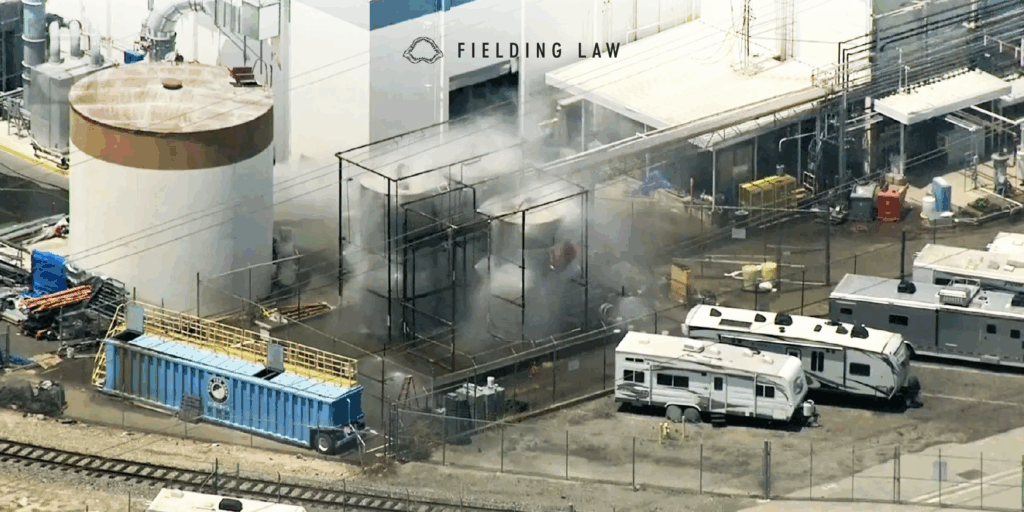
inside a rental car looking at the steering wheel

Emotional Distress After Rental Car Fire

By Burn Injury, Car Accident, Catastrophic Injury, Personal Injury, Product Liability

When a Rental Car Fire Happens

Driving a rental car should feel safe, but a sudden rental car fire can change everything in moments. Whether you suffer burns, smoke inhalation, or escape without physical harm, the event can cause severe emotional trauma. Many survivors live with anxiety, flashbacks, or fear of driving after such a frightening experience.

Physical Harm and Emotional Trauma

Rental car fires can cause devastating injuries, including:

  • Burns requiring long-term treatment

  • Smoke inhalation damage

  • Fractures or sprains while escaping

Even if you walk away unharmed, the psychological effects can be lasting. Stress, fear, and trauma are real injuries, and the law recognizes them.

Negligent Infliction of Emotional Distress

California and Arizona allow victims to pursue negligent infliction of emotional distress (NIED) claims. This applies when emotional suffering results from another party’s negligence. If a rental company failed to maintain or inspect the car, or if a manufacturer defect caused the fire, they may be responsible for damages.

To pursue NIED, victims generally must show that:

  • The defendant owed a duty of care

  • That duty was breached by negligence

  • The victim suffered emotional distress as a result

In many cases, a rental car fire can create both physical and psychological harm, both of which may be compensable.

Liability in Rental Car Fire Cases

Liability may fall on:

  • The rental company, for poor inspection or maintenance

  • The manufacturer, for defective parts or design flaws

  • Service providers, if negligent work contributed to the fire

Investigations often require experts to determine the cause of the fire.

Why Hire Fielding Law

At Fielding Law, we understand the life-changing impact of both physical and emotional injuries. Whether you are coping with medical treatment or emotional distress after a rental car fire, we are here to help. Our team investigates thoroughly, provides compassionate support, and fights for the compensation you deserve.

Call 833.88.SHARK for a free consultation.

Note: Information provided is for educational purposes and does not constitute legal advice. Always consult with a qualified attorney for legal concerns.

Fielding Law Jaw logo on blue and aqua green gradient

Fielding Law Earns Best Law Firms® 2026 Recognition

By Assault, Bicycle Accident, Boating Accident, Brain Injury (TBI), Burn Injury, Bus Accident, Car Accident, Catastrophic Injury, Dog / Animal Bite, E-Bikes and E-Scooters, Firm News and Celebrations, Motorcycle Accident, Pedestrian Accident, Personal Injury, Personal Watercraft (PWC) Accident, Premises Liability, Product Liability, Public Entity, Rideshare Accident, RV Accident, Sexual Assault & Abuse, Skate & Skateboarding Accident, Ski & Snowboard Accident, Slip or Trip and Fall, Spinal Cord Injury, Train Accident, Truck Accident, Wrongful Death

Fielding Law is proud to be recognized in the 16th edition of Best Law Firms 2026, a respected publication that celebrates excellence in the legal field. Each year, Best Law Firms® identifies the nation’s top-performing firms across 127 practice areas and 188 local jurisdictions.

This recognition follows a rigorous evaluation process that includes client feedback, peer reviews, and performance assessments. In 2026, more than 110,000 clients and 200,000 legal professionals participated. Their input highlights the confidence clients have in firms that consistently deliver exceptional results and service.

What This Recognition Means

Earning a place in Best Law Firms 2026 represents more than an award. It shows our ongoing commitment to ethical, compassionate, and effective legal representation. Furthermore, this recognition reinforces Fielding Law’s mission to serve clients with professionalism and integrity.

Being named among the Best Law Firms 2026 also reflects our belief that true success extends beyond courtroom results. It demonstrates our dedication to improving clients’ lives and upholding the highest standards of care. Each case we handle is guided by empathy, focus, and the pursuit of justice.

Why Hire Fielding Law

At Fielding Law, every client receives compassionate support, clear communication, and strong advocacy. Our attorneys take time to understand each client’s experience. We guide clients through the legal process and pursue fair compensation with determination.

Whether you have suffered a personal injury, a vehicle collision, or a wrongful death, Fielding Law is ready to help. Our inclusion in Best Law Firms 2026 reflects our proven record, client trust, and unwavering professionalism.

If you or a loved one has been injured due to negligence, contact Fielding Law or call 833.88.SHARK to learn how we can help you seek justice and move forward.

Note: Information provided is for educational purposes and does not constitute legal advice. Always consult with a qualified attorney for legal concerns.
Robot dressed as a lawyer sitting at a desk

ChatGPT Stops Legal Advice

By Assault, Bicycle Accident, Boating Accident, Brain Injury (TBI), Burn Injury, Bus Accident, Car Accident, Catastrophic Injury, Dog / Animal Bite, E-Bikes and E-Scooters, Motorcycle Accident, Pedestrian Accident, Personal Injury, Personal Watercraft (PWC) Accident, Premises Liability, Product Liability, Public Entity, Rideshare Accident, RV Accident, Sexual Assault & Abuse, Skate & Skateboarding Accident, Ski & Snowboard Accident, Slip or Trip and Fall, Spinal Cord Injury, Train Accident, Truck Accident, Wrongful Death

Recent reporting shows that ChatGPT will no longer offer legal or medical advice in the way users may expect. According to an article on Caliber.az, the update to OpenAI’s usage policies was published October 29 2025. 

This development matters more than just a technical policy change: it serves as a reminder that when you face injuries, rights, or liability, you need a trained attorney—not just a chatbot.

What changed in the policy update

The new usage terms state that ChatGPT (and related services) may not be used for the “provision of tailored advice that requires a license, such as legal or medical advice, without appropriate involvement by a licensed professional.” 
The update went into effect on October 29 2025.

Why did this change occur? Several key factors:

  • Growing concern over liability when users rely on AI for high-stakes decisions.

  • The need to clearly distinguish between general information and personalized advice.

  • Regulatory pressure and the desire by OpenAI to define safe boundaries in legal and medical contexts.

In short, the update clarifies that ChatGPT is meant for general information rather than individualized legal strategy. It does not mean AI is completely barred from discussing legal topics—it means AI should not act as your lawyer.

Why this matters

AI tools can be very helpful for learning basic concepts or exploring ideas. However, they cannot replace the role of a licensed attorney in an injury case. Consider these facts:

  • ChatGPT cannot guarantee attorney-client privilege or confidentiality.

  • It cannot negotiate with insurance companies, handle state-specific statutes, or manage future medical needs.

  • The law in California and Arizona for personal injury cases contains complex rules around negligence, damages, statute of limitations, and more.

Why a skilled attorney matters

A licensed attorney does more than give information. They provide strategy, advocacy, and protection:

  • They understand state-specific laws and personal injury regulations.

  • They create legal strategies specific to your injuries and recovery.

  • They handle insurance negotiations to protect your rights.

  • They manage deadlines, paperwork, and complex legal processes.

  • They prevent mistakes that could reduce compensation.

  • They offer guidance, support, and professionalism throughout the case.

How does this affect your case

If you are injured in a bicycle accident, car crash, slip, trip, and fall, or bitten by a dog in California or Arizona, relying on ChatGPT legal advice is risky. Only a qualified attorney can review your case, explain your rights, and help you recover fair compensation.

Why hire Fielding Law

At Fielding Law, client service is our priority. We improve the lives of each client through ethical and efficient representation. Every case is handled with care, clarity, and commitment. When you need a knowledgeable advocate who cares, we are here.

Call 833.88.SHARK for a free consultation if you or a loved one has been injured.

The end of ChatGPT legal advice highlights a simple truth: AI cannot replace a skilled attorney. Professional guidance protects your rights, guides your case, and maximizes your recovery in personal injury matters.

Note: Information provided is for educational purposes and does not constitute legal advice. Always consult with a qualified attorney for legal concerns.
Phone with social media apps

Should Social Media Platforms Be Private After an Accident?

By Assault, Bicycle Accident, Boating Accident, Brain Injury (TBI), Burn Injury, Bus Accident, Car Accident, Catastrophic Injury, Dog / Animal Bite, E-Bikes and E-Scooters, Motorcycle Accident, Pedestrian Accident, Personal Injury, Personal Watercraft (PWC) Accident, Premises Liability, Product Liability, Public Entity, Rideshare Accident, RV Accident, Sexual Assault & Abuse, Skate & Skateboarding Accident, Ski & Snowboard Accident, Slip or Trip and Fall, Spinal Cord Injury, Train Accident, Truck Accident, Wrongful Death

Should Social Media Platforms Be Private After an Accident?

After an accident, protecting your social media privacy is more important than most people realize. What you share online can easily be used against you in your personal injury claim. Adjusters, defense attorneys, and even investigators may review your posts for anything that contradicts your statements about injuries or damages.

How Social Media Can Affect Your Case

Photos, status updates, and comments can all be taken out of context. A picture of you smiling at a family gathering could be used to question the severity of your pain. Even casual remarks might seem harmless but can harm your case if they appear inconsistent. Therefore, it is wise to avoid posting about the accident, your injuries, or your recovery process until your case is resolved.

Insurance Companies and Social Media

Insurance companies use social media to gather evidence that benefits them, not you. They may look at your profiles, tagged photos, and comments to find anything that reduces your settlement value. Even private accounts can be accessed through mutual connections or screenshots shared by others.

To protect your social media privacy after an accident, review your privacy settings, limit new friend requests, and think carefully before sharing content.

Tips for Protecting Your Privacy

If you want to maintain control over your online presence, consider these steps:

  • Set all accounts to private and review who can see your posts.

  • Avoid discussing the accident, your injuries, or your case online.

  • Ask friends and family not to tag you in photos or posts.

  • Avoid checking in at locations that could suggest you are active or uninjured.

  • Save all relevant messages or posts in case your attorney needs them later.

By following these steps, you can reduce the risk of your social media activity being used against you.

Social Media Platforms

Social media privacy after an accident can make a significant difference in how your case unfolds. Platforms like Facebook, Instagram, X (formerly Twitter), TikTok, LinkedIn, and Snapchat can unintentionally reveal information about your daily activities, friends, or location. Set your accounts to private and limit who can see your posts. Restrict story viewers, turn off tagging, and disable location features to prevent others from connecting you to places or events that could appear inconsistent with your injuries.

Messaging and Communication Apps

Private messages are not always truly private. After an accident, avoid discussing details about your injuries or claim in WhatsApp, Messenger, Telegram, Discord, Reddit, or group chats. Keep usernames anonymous when possible, and remember that messages can easily be screenshotted or shared. It is best to limit conversations about your case to trusted sources and your attorney.

Financial and Payment Apps

Few people realize that payment apps can pose risks to social media privacy after an accident. Apps like Venmo, PayPal, Cash App, and Zelle often show payees, amounts, and comments that may appear public. Set transactions to private, review past activity, and avoid adding descriptive notes that mention outings, purchases, or events. Even small details can be taken out of context by insurance adjusters or defense attorneys.

Location and Fitness Apps

Fitness and location apps can also compromise your privacy. Platforms such as Strava, Fitbit, Apple Fitness, and Google Maps can show your movements, activity levels, and location history. Disable location sharing, turn off automatic check-ins, and review old data to protect your social media privacy after an accident. Limiting this information helps prevent others from making assumptions about your physical condition.

Content Sharing and Storage

Shared albums and online storage can reveal more than you intend. Services like Google Photos, iCloud, Dropbox, YouTube, and Pinterest often include location data and timestamps. Keep albums and boards private, remove metadata from photos, and share only with trusted individuals. This extra step can prevent your personal content from being taken out of context.

Shopping and Membership Accounts

Even accounts unrelated to your case can affect your privacy. Amazon wish lists, gym check-ins, and subscription services can provide insight into your daily life and physical activities. Review what is public and disable any sharing features. Protecting your digital footprint strengthens your overall privacy after an accident.

Email and Cloud Services

Your email and cloud storage may contain sensitive medical or legal information. Use strong passwords and enable two-factor authentication. Review shared folders, permissions, and forwarding rules to make sure only trusted contacts can access your information.

Quick Checklist After an Accident

  • Set social media accounts to private

  • Restrict story viewers and friends lists

  • Disable location sharing and geotags

  • Make payment app transactions private

  • Review cloud storage and shared albums

  • Enable two-factor authentication

  • Avoid discussing your accident or injuries online

Why Hire Fielding Law

At Fielding Law, we understand how social media can impact your personal injury case. Our compassionate attorneys guide clients through every step of the process, including protecting their online privacy. We are committed to helping accident victims in Arizona and California receive fair compensation while safeguarding their rights.

If you have questions about social media privacy after an accident, contact Fielding Law today. Call 833.88.SHARK to schedule a free consultation and let our team provide the support and legal insight you need.

Note: Information provided is for educational purposes and does not constitute legal advice. Always consult with a qualified attorney for legal concerns.
Front Door with a lady giving halloween candy to a child

When Halloween Fun Turns Frightening

By Bicycle Accident, Burn Injury, Car Accident, Catastrophic Injury, Pedestrian Accident, Personal Injury, Wrongful Death

Halloween Injury Risks and Statistics

Halloween can be one of the most exciting nights of the year. Neighborhoods come alive with costumes, porch lights, and the sound of children laughing as they go door-to-door. Halloween can be one of the most exciting nights of the year, but as any experienced Halloween injury lawyer will tell you, it also comes with serious risks.

National Safety Council data shows that children are more than twice as likely to be struck by a vehicle on Halloween night compared to any other day. A long-term study published in JAMA Pediatrics found that pedestrian fatalities are 43 percent higher on Halloween evening, with children between the ages of 4 and 8 at the greatest risk. The hours between 5 p.m. and midnight are the most dangerous, and many of these tragedies involve dark clothing, poor visibility, and distracted driving.

Emergency rooms also see a surge in Halloween-related injuries. The U.S. Consumer Product Safety Commission reports that 3,200 people are treated every year for incidents that happen during October festivities. More than half of those injuries come from pumpkin carving accidents, a quarter from falls on dark or uneven paths, and the rest from costume mishaps, burns, and allergic reactions.

Most Common Halloween Injuries

Pedestrian Accidents
A Halloween injury lawyer often sees the most heartbreaking cases come from pedestrian crashes on this night. The combination of crowded streets, excited children, and reduced daylight creates dangerous conditions for walking. Drivers may have trouble seeing trick-or-treaters, especially when costumes are dark or masks block vision.

Slip and Fall Incidents
Decorations on sidewalks, long costume hems, and dim porch lights are all common hazards. Falls can lead to sprains, broken bones, or head injuries.

Costume-Related Injuries
Masks that restrict vision, costumes that drag on the ground, or flammable materials can lead to accidents. Choosing fire-resistant fabrics and reflective accessories can help reduce these risks.

Burns from Open Flames
Candles in jack-o’-lanterns, bonfires, or even decorative lighting can cause clothing or hair to catch fire. Battery-operated lights are a safer choice.

Food-Related Emergencies
Although rare, allergic reactions to candy or homemade treats can be severe. Parents should check ingredient labels and watch for signs of distress.

Keeping Halloween Safe

While the statistics are sobering, most Halloween injuries are preventable. Drivers can slow down in residential areas, parents can add reflective tape or glow sticks to costumes, and homeowners can keep walkways well-lit and free of tripping hazards. Even small safety steps can make a big difference in avoiding tragedy.

Why Hire Fielding Law

If you or your child has been injured in a Halloween-related accident, you deserve legal guidance from a compassionate and capable team. Fielding Law understands the emotional and financial toll these incidents bring and is committed to protecting your rights. We investigate each case thoroughly, identify responsible parties, and fight for the compensation you need to move forward. Call 833.88.SHARK to speak with our team.

Note: Information provided is for educational purposes and does not constitute legal advice. Always consult with a qualified attorney for legal concerns.
People reaching through the door of a haunted house

Haunted House Legal Nightmares

By Brain Injury (TBI), Burn Injury, Pedestrian Accident, Personal Injury, Premises Liability, Slip or Trip and Fall, Wrongful Death

When Thrills Turn Into Injuries

Haunted houses are designed to scare, but no one expects to leave with a serious injury. From poorly lit stairwells to unsafe props, a night meant for fun can quickly become dangerous. If you are injured in a haunted house, it is important to understand your rights and know the steps to take to protect them.

Who May Be Liable for Haunted House Injuries

Haunted houses fall under premises liability law in both California and Arizona. The property owner, event operator, or even a third-party vendor may be held responsible if their negligence caused the injury. Examples include:

These hazards can result in severe injuries such as fractures, concussions, or emotional trauma.

When Other Guests Cause Injuries

Not every haunted house injury comes directly from unsafe conditions. Sometimes another guest may panic, run, and knock someone over. Event operators still have a duty to prepare for this foreseeable risk. Haunted attractions are designed to frighten people, so it is reasonable to expect that some visitors may run, push, or collide with others.

If the operator fails to provide adequate lighting, safe walkways, or staff to manage crowd movement, they may still be liable. For example, injuries can occur if groups are allowed to move too closely together or if paths are too dark and narrow for safe passage. Even when another guest caused the initial contact, the operator’s negligence in managing the environment may have contributed to the accident.

Liability Waivers: Do They Always Protect the Business

Most haunted houses require guests to sign liability waivers. These documents are meant to limit the property owner’s responsibility for injuries. However, a waiver does not give businesses permission to act negligently. In both California and Arizona, waivers cannot protect against gross negligence or willful misconduct. If an operator ignored obvious safety risks, you may still have a claim even if you signed a waiver.

What To Do If You Are Injured in a Haunted House

Taking the right steps immediately after an accident can strengthen your claim:

  1. Report the incident: Notify staff or management right away and request a written report.

  2. Document the scene: Take photos of where the injury happened, including any hazards or unsafe conditions.

  3. Gather witness information: Ask for names and contact details of anyone who saw what happened.

  4. Seek medical attention: Even if injuries seem minor, a medical record can link the accident to your injuries.

  5. Avoid signing further documents: Do not sign statements or agreements beyond the initial waiver without legal advice.

Next Steps After a Haunted House Accident

Once you have reported and documented the incident, the next step is to speak with a personal injury attorney. An attorney can investigate liability, review the enforceability of the waiver, and communicate with insurance companies on your behalf.

Why Hire Fielding Law

If you were injured in a haunted house, Fielding Law can help. Our team understands the complexities of premises liability and how waiver laws apply in both California and Arizona. We provide compassionate, capable representation and will work tirelessly to hold negligent businesses accountable. Call 833.88.SHARK today to learn how we can help you pursue the compensation you deserve.

Note: Information provided is for educational purposes and does not constitute legal advice. Always consult with a qualified attorney for legal concerns.

Tailgate bbq grill

Injured at Tailgate Party?

By Burn Injury, Car Accident, Pedestrian Accident, Personal Injury, Premises Liability, Slip or Trip and Fall

The Fall season brings a sense of renewal and tradition as many head back to school. It is a time with familiar celebrations like the excitement of tailgate parties before college football games. With all the fun, it is important to stay mindful of your safety and understand who might be responsible if someone gets hurt. As grills, games, and gatherings increase, so does the risk of slip and falls, vehicle accidents, and alcohol related injuries.  

What is a Dram Shop? 

  • A dram shop is a business that sells alcohol and may be legally responsible if they serve someone who poses dangers to others after drinking. 

What are Social Host Laws? 

  • These laws hold the person hosting the tailgate responsible if they knowingly provide alcohol to underage guests or know about underage drinking on site. 

Common Misunderstandings of Tailgate Party Injury 

If you or a loved one is injured due to someone’s irresponsible drinking, many people assume the intoxicated individual is solely responsible. However, others — such as the bar, restaurant, or party host who served them — could also be legally responsible. You may be able to pursue a claim not just against the drunk individual, but also against the business or host who served them.  

Documenting the Scene 

After a tailgate party injury—as with all accidents— documenting the scene is essential. The details you write down shortly after the accident can make a significant difference in building a strong case. Here are a few things to document: 

  • Date and time of the incident  
  • Location of the tailgate  
  • The specific type of accident that occurred  
  • Description of all the non-visible injuries  
  • Photos of the visible injuries  
  • Who was involved, and if there were any witnesses  
  • The company or the name of the individual who was giving out the alcohol  

Why Hire Fielding Law 

Party, tailgating accidents can turn a sharp turn south when alcohol is involved. These situations can be overwhelming and confusing, especially when there are unanswered questions about who is liable. At Fielding Law, we understand the emotional toll an accident can take on a person. Our priority is to carry the legal burden so you can fully focus on healing. We are here to support you. Reach out to us for your free consultation today to see if you have a claim.  

Note: Information provided is for educational purposes and does not constitute legal advice. Always consult with a qualified attorney for legal concerns.
flag on a boat

Labor Day Safety Matters

By Bicycle Accident, Boating Accident, Burn Injury, Car Accident, Catastrophic Injury, Dog / Animal Bite, Pedestrian Accident, Personal Injury, Personal Watercraft (PWC) Accident, Slip or Trip and Fall, Wrongful Death

Injuries on Labor Day Weekend

Labor Day should be a time of rest and celebration. Families in California and Arizona often attend parades, host backyard barbecues, or travel for a last summer getaway. Unfortunately, holiday festivities can create dangerous conditions. When people act carelessly, serious accidents may occur. Labor Day safety is important, but if you were injured because someone else was negligent, you may need legal support.

Common Holiday-Related Accidents

Road Trips and Travel

Holiday weekends often bring heavier traffic. Distracted or impaired drivers increase the risk of serious car, truck, or motorcycle crashes.

Rideshare Accidents

With more people using services like Uber and Lyft during the holiday, rideshare accidents may occur. Victims can face complex insurance issues when injured as a passenger or in another vehicle.

Boating Accidents

Holiday weekends fill lakes and rivers with recreational boaters. Operator inexperience, intoxication, and overcrowded waterways often lead to serious boating collisions.

Personal Watercraft (PWC) Accidents

Jet skis and other PWCs are popular on long weekends. High speeds and reckless operation can cause severe injuries in collisions or ejections.

Parades and Public Gatherings

Large crowds can create unsafe conditions. Pedestrian accidents, trampling, or slip and fall injuries may happen when safety measures are not followed.

Barbecues and Backyard Parties

Premises liability accidents can occur at private gatherings. Guests may suffer burns, slip and fall injuries, or dog bites when property owners fail to provide a safe environment.

Firework Incidents

Fireworks are a tradition during Labor Day weekend. Mishandling them can cause severe burns, vision damage, or traumatic injuries.

Pools and Water Activities

Drownings and near-drowning accidents are a tragic risk at parties or community pools. Lack of supervision or safety equipment often contributes to these accidents.

Labor Day Safety Tips

Even with the risks, there are ways to reduce the chance of an accident.

Driving Safety

Use a designated driver, stay alert on the road, and allow extra time for traffic.

Hosting Safety

If you are hosting, secure walkways, monitor grills and fire pits, and provide a safe space for guests.

Firework and Pool Safety

Follow local firework regulations, supervise children near water, and require life jackets during boating or pool activities.

Why Hire Fielding Law

If your holiday weekend ended with an injury, you do not need to face the aftermath alone. Fielding Law is here to provide guidance, support, and advocacy. Our team listens to your story, investigates the cause of your accident, and works to hold the negligent party accountable. We understand the physical, emotional, and financial toll an injury brings, and we are committed to standing by your side.

Call 833.88.SHARK today for a free consultation with Fielding Law.

Note: Information provided is for educational purposes and does not constitute legal advice. Always consult with a qualified attorney for legal concerns.
robot hand holding a glass globe

Can AI Replace Lawyers?

By Assault, Bicycle Accident, Boating Accident, Brain Injury (TBI), Burn Injury, Bus Accident, Car Accident, Catastrophic Injury, Dog / Animal Bite, E-Bikes and E-Scooters, Motorcycle Accident, Pedestrian Accident, Personal Injury, Personal Watercraft (PWC) Accident, Premises Liability, Product Liability, Public Entity, Rideshare Accident, RV Accident, Sexual Assault & Abuse, Skate & Skateboarding Accident, Ski & Snowboard Accident, Slip or Trip and Fall, Spinal Cord Injury, Train Accident, Truck Accident, Wrongful Death

Can You Replace a Lawyer With AI?

Artificial intelligence tools like Chat GPT are gaining popularity. They can draft documents, explain legal concepts, and summarize laws. Some people now believe they can replace a lawyer with AI and handle legal issues on their own. This is misleading and risky. Legal cases require human advocacy, judgment, and compassion that AI cannot provide.

What AI Can and Cannot Do

AI Can:
  • Explain general legal ideas and procedures

  • Summarize statutes and regulations

  • Draft basic templates or documents

  • Suggest broad next steps

AI Cannot:
  • Provide personalized advice specific to your case

  • Investigate evidence or interview witnesses

  • Navigate complex California or Arizona laws

  • Represent you in court or negotiate with insurers

  • Offer strategy, empathy, or advocacy

Attempting to replace a lawyer with AI may result in missed deadlines, weak claims, or reduced compensation.

What Fielding Law Provides That AI Cannot

Personalized Legal Guidance

Our attorneys study every detail of your case and create strategies tailored to your circumstances.

Thorough Investigation

We gather evidence, interview witnesses, and build strong claims that AI tools cannot manage.

Negotiation and Advocacy

We handle insurance companies and opposing parties with proven negotiation skills and legal experience.

Courtroom Representation

If needed, we fight for you in court, file motions, and adjust strategies in real time.

Compassionate Support

We understand how stressful injuries are. Our team provides clear communication and empathy throughout the process.

Why Real Lawyers Matter

Legal representation requires strategy, adaptability, and human insight. Trying to replace a lawyer with AI leaves you without proper protection.

Why Hire Fielding Law

At Fielding Law, we combine experience, compassion, and skill to protect your rights. We fight for fair compensation and support clients every step of the way. Technology can assist, but it cannot replace a real lawyer.

Call 833.88.SHARK today for a Free Consultation and experience the difference of true legal advocacy.

Note: Information provided is for educational purposes and does not constitute legal advice. Always consult with a qualified attorney for legal concerns.

Close Menu