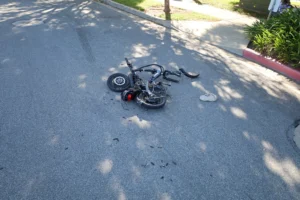
The scene of an e-bike crash that left a 12-year-old hospitalized with major injures in San Luis Obispo on May 9, 2026. (San Luis Obispo Police Department)
A Serious Reminder About E-Bike Safety
A recent crash in San Luis Obispo County involving a 12-year-old boy has renewed concerns about e-bike safety, especially among children and teenagers. According to reports from KTLA and other local news outlets, the child suffered major injuries after an e-bike collision on May 9 and was flown to a trauma center for emergency treatment.
As e-bikes become more common across California neighborhoods, schools, and bike paths, many parents are asking important questions. Are children too young for high-powered e-bikes? Are current regulations enough? And who may be responsible when a devastating crash happens?
At Fielding Law, we have seen how quickly a normal day can turn into a traumatic situation after a serious collision. E-bike accident injuries can be severe, especially for young riders.
Why E-Bike Accidents Are Increasing
E-bikes have become increasingly popular over the last few years. Many families see them as convenient, affordable, and fun. Teenagers often use them to get to school, visit friends, or avoid relying on parents for rides.
However, many e-bikes travel much faster than traditional bicycles. Some can reach speeds of 20 to 28 miles per hour or more. Certain modified or illegally altered bikes can exceed those limits entirely.
That combination of speed, inexperience, and traffic exposure creates serious danger.
Reports surrounding the San Luis Obispo County crash indicate the child suffered significant injuries requiring air transport to a trauma center. Situations like this continue to raise alarms about how quickly an e-bike accident can become life-threatening.
Sadly, this is not an isolated event. Communities across California continue seeing serious crashes involving minors riding e-bikes and other electric vehicles.
California E-Bike Laws Matter
California divides e-bikes into three classes:
Class 1 E-Bikes
These provide pedal assistance only and stop assisting at 20 mph.
Class 2 E-Bikes
These include a throttle and can travel up to 20 mph without pedaling.
Class 3 E-Bikes
These can assist riders up to 28 mph and come with stricter rules.
California law generally requires riders of Class 3 e-bikes to be at least 16 years old and wear a helmet. Younger riders still sometimes gain access to these bikes through online purchases, modifications, or lack of supervision.
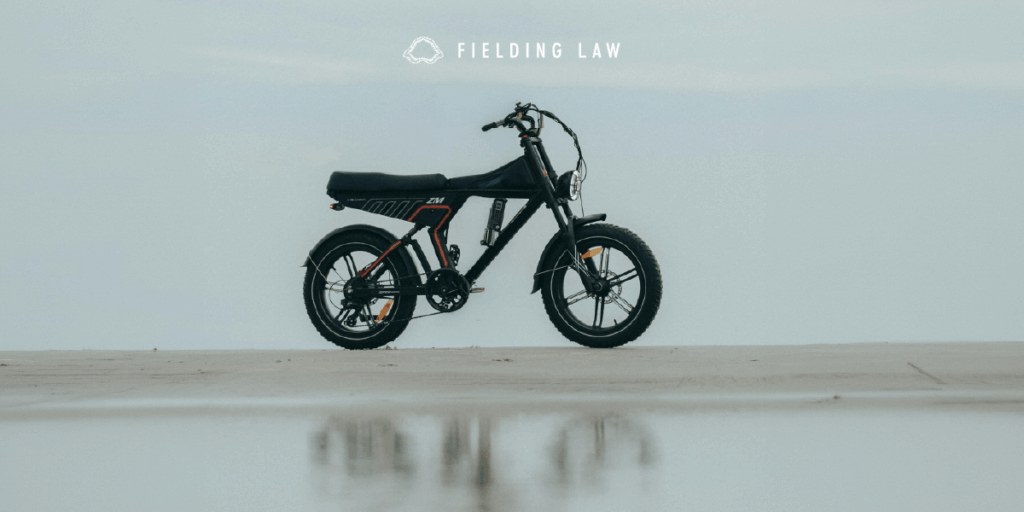
There is also growing concern about electric motorcycles and off-road style bikes being mistaken for legal e-bikes. Some vehicles marketed online look similar to bicycles but are significantly more powerful and may not be street legal.
Parents may not always realize the differences.
Children Face Greater Injury Risks
Children are especially vulnerable in e-bike crashes for several reasons:
- Limited traffic experience
- Difficulty judging vehicle speed
- Less developed reaction time
- Higher likelihood of risky riding behavior
- Lack of protective equipment
- Smaller body size and increased injury vulnerability
Head trauma remains one of the most serious risks. Even when helmets are worn, high-speed impacts can cause catastrophic injuries.
These situations often leave families facing overwhelming medical costs, emotional trauma, rehabilitation needs, and uncertainty about the future.
What Liability Can Look Like After An E-Bike Crash
Every e-bike collision is different. Liability may depend on several factors, including:
A motor vehicle driver may be responsible if speeding, distracted driving, unsafe turns, or failure to yield contributed to the collision.
Unsafe E-Bike Operation
Riders can also contribute to crashes through unsafe turns, ignoring traffic signals, or reckless riding.
In some cases, faulty brakes, tires, batteries, or manufacturing defects may play a role.
Improperly Marketed Vehicles
Some companies market electric motorcycles as e-bikes, creating confusion for consumers and families.
Property Or Roadway Conditions
Poor road design, visibility issues, or unsafe intersections can also contribute to serious crashes.
Determining what happened often requires reviewing surveillance footage, police reports, vehicle data, witness statements, and accident reconstruction evidence.
Communities Are Calling For Stronger Safety Measures
Across California, cities and school districts are debating how to handle growing e-bike concerns. Some communities are considering:
- Stricter age enforcement
- Helmet requirements
- School safety education
- Registration systems
- Restrictions on modified bikes
- Increased police enforcement
- Parent education programs
Many parents are also reconsidering whether younger children should operate high-speed e-bikes at all.
The reality is that many children may not fully appreciate how dangerous these vehicles can become in traffic.
What People Usually Do After A Serious E-Bike Crash
After a major collision, families are usually focused on emergency medical care first. Once immediate treatment begins, many people start trying to understand:
It is important not to assume fault before the full investigation is complete. Early information after a crash is often incomplete.
Photographs, helmet preservation, bike inspections, medical documentation, and witness information can all become important later.
Frequently Asked Questions About E-Bike Crash Injuries
Certain classes of e-bikes have age restrictions. Class 3 e-bikes generally require riders to be at least 16 years old.
Can parents be held responsible for a child’s e-bike crash?
Potentially. Liability depends on the circumstances, supervision, the type of bike involved, and other factors.
Are helmets legally required?
Helmet laws vary depending on the e-bike classification and rider age. Helmet use is strongly encouraged for all riders.
In some situations, yes. Claims may involve negligent drivers, defective products, unsafe road conditions, or other contributing factors.
Are some “e-bikes” actually illegal electric motorcycles?
Yes. Some vehicles sold online may not meet California e-bike definitions and may require registration or licensing.
Why Hire Fielding Law
At Fielding Law, we understand that serious injury cases involving children are deeply emotional for families. E-bike crashes can involve complicated liability questions, insurance disputes, and long-term medical concerns. Our team approaches these situations with compassion, attention to detail, and a commitment to helping injured people understand their legal options after a traumatic event.
Moving Forward Safely
E-bikes are likely here to stay. They offer convenience and mobility, but they also come with real risks, especially for younger riders.
The recent San Luis Obispo County crash involving a 12-year-old child is a heartbreaking reminder that these incidents can change lives in seconds.
Parents, schools, communities, and lawmakers continue searching for the right balance between accessibility and safety.
If your family is dealing with injuries after an e-bike accident, Fielding Law may be able to help you understand your options. Call 833.88.SHARK for a free consultation.
Quick Answer Summary
A recent San Luis Obispo County e-bike crash involving a 12-year-old has raised concerns about child safety and California e-bike regulations. E-bike accidents involving minors can lead to severe injuries, especially due to speed and limited riding experience. California has different classifications and age restrictions for e-bikes, but awareness and enforcement challenges remain. Liability in these crashes may involve negligent drivers, unsafe riding behavior, defective equipment, or roadway conditions.