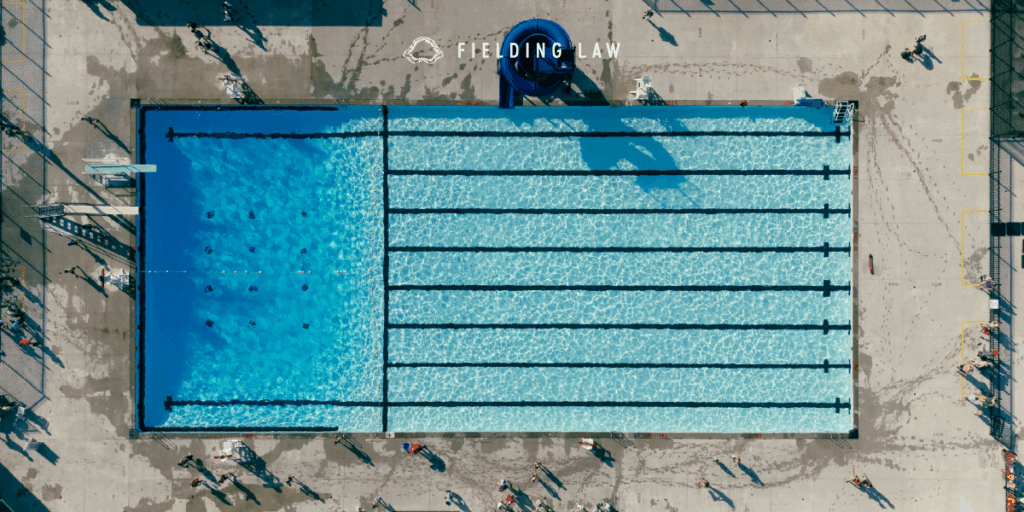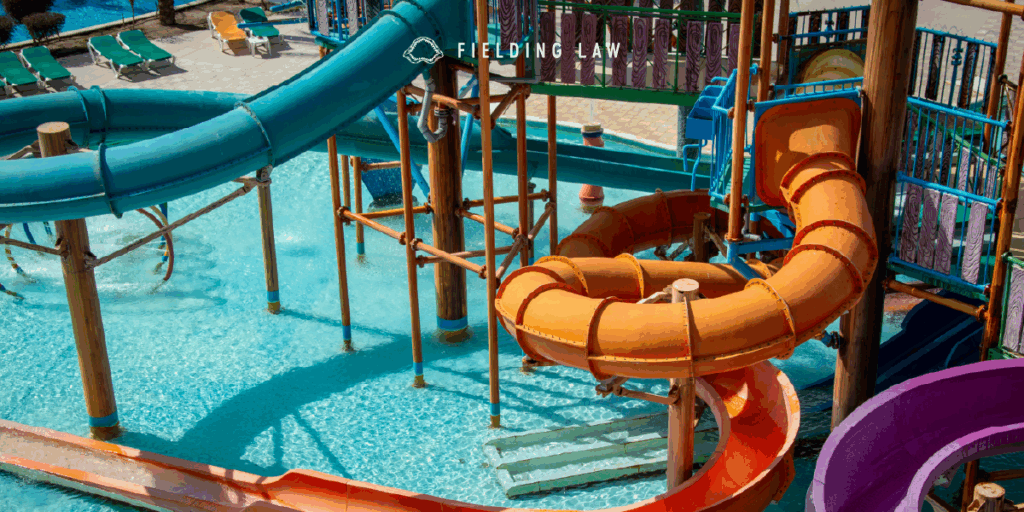
Water parks are designed for excitement, but they also bring real risks. In California, crowded attractions, fast-moving slides, and wet surfaces can quickly turn a day of fun into a serious injury situation. Many of these incidents fall under premises liability and negligence law, especially when safety rules are not properly followed or equipment is not maintained.
Why Water Park Injuries Happen
Water park accidents often share a few common causes:
- Slippery walkways and staircases with constant water exposure
- Overcrowded slides leading to collisions
- Poor maintenance of slides, rafts, or platforms
- Inadequate lifeguard supervision
- Defective ride design or mechanical failure
California law generally requires operators to maintain reasonably safe conditions for guests. When they do not, injuries can follow quickly.
Real Cases Showing Water Park Risks in California
California courts have seen multiple serious water park injury claims involving negligence, unsafe ride conditions, and improper supervision.
One widely cited case involved a visitor at a major California water park who suffered severe injuries after a waterslide ride caused him to strike the bottom of a pool, resulting in fractures to his hip and pelvis. The lawsuit centered on whether the park failed to maintain safe operating conditions and whether the ride design contributed to the injury.
Case link: https://caselaw.findlaw.com/court/ca-court-of-appeal/2067782.html
Another California case involved a guest who slipped on wet stairs while walking barefoot near a water slide queue area. The fall caused a serious arm injury and significant medical treatment. The claim focused on unsafe walking surfaces and lack of proper hazard control in high-traffic areas.
Case link: https://aa.law/case-results/250k-negotiated-settlement-for-a-water-park-accident/
These cases show a consistent theme. Water park injuries are often not “just accidents.” They frequently involve questions about maintenance, supervision, and whether safety standards were properly followed.
Common Types of Water Park Injuries
Water park injuries in California range from mild to life-changing. Some of the most common include:
- Broken bones from slides or falls
- Head and neck injuries from collisions
- Drowning or near-drowning incidents
- Cuts and lacerations from damaged equipment
- Slip and fall injuries on wet concrete or stairs
In more severe cases, victims may require emergency surgery or long-term rehabilitation.
Legal Responsibility in California Water Park Cases
California law typically allows injured guests to pursue claims based on negligence or premises liability. In some cases, multiple parties may share responsibility, including:
- The water park operator
- Maintenance contractors
- Ride manufacturers
- Staffing or supervision companies
Courts may also consider whether the injured person assumed certain risks, but that does not automatically prevent recovery if negligence is involved.
A key California case involving a waterslide injury confirmed that operators can owe a heightened duty of care depending on the attraction and circumstances, especially when guests are placed in inherently risky situations.
What People Often Do After a Water Park Injury
After an incident, injured guests commonly:
- Seek immediate medical care
- Report the injury to park staff
- Take photos of the area and conditions
- Collect witness information
- Request incident reports when available
These steps can help clarify what happened and preserve important evidence.
Why Legal Claims Matter
Water park injury claims are not only about compensation. They often help uncover safety failures such as poor maintenance, inadequate staffing, or ignored hazards. Some California cases have resulted in settlements or verdicts tied directly to unsafe ride conditions or preventable slip hazards.
Why Hire Fielding Law
Water park injury cases can become complex quickly, especially when multiple companies are involved or safety standards are disputed. Fielding Law provides guidance with a focus on clarity, care, and strong case preparation. The goal is to help injured clients understand their options without adding pressure during recovery.
Final Thoughts
Water parks should feel safe for families and visitors. When preventable hazards cause serious injuries, California law allows injured individuals to explore their legal rights and hold responsible parties accountable.
Note: Information provided is for educational purposes and does not constitute legal advice. Always consult with a qualified attorney for legal concerns.