
Category

Bus Accident

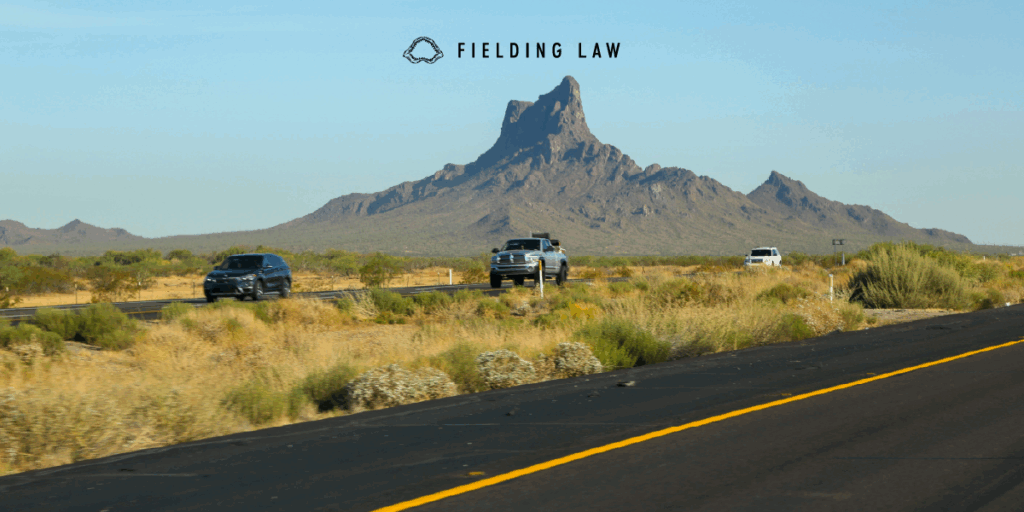
Drivers on an Arizona split highway

In Arizona: Who Pays When Drivers Have No Insurance

By Bicycle Accident, Bus Accident, Car Accident, Catastrophic Injury, Motorcycle Accident, Pedestrian Accident, Truck Accident

The Reality of Uninsured Drivers

Most drivers assume the other person involved in a crash will have insurance. Unfortunately, that is not always the case. Some drivers operate vehicles without coverage, while others carry only the minimum limits required by law.

In Arizona, the law requires drivers to carry liability insurance. However, minimum policies do not always cover the full cost of serious injuries. Medical care, lost income, and long term recovery can quickly exceed those limits.

Because of this risk, Arizona law requires insurance companies to offer additional types of protection when drivers purchase auto insurance.

What Is Uninsured Motorist Coverage?

Uninsured motorist coverage, often called UM coverage, is designed for situations where the at fault driver does not have insurance.

Under Arizona Revised Statutes § 20-259.01, insurers that sell automobile liability policies must offer uninsured motorist coverage to drivers in writing. Drivers can decide whether to accept or decline this protection when they purchase their policy.

In simple terms, uninsured motorist coverage may apply when someone is injured in a crash caused by a driver who does not carry insurance.

What Is Underinsured Motorist Coverage

Arizona law also addresses underinsured motorist coverage, often called UIM coverage.

According to A.R.S. § 20-259.01(G), underinsured motorist coverage may apply when the total available liability insurance from the at fault driver is less than the injured person’s damages.

In practical terms, this situation may arise when the at fault driver has insurance, but the policy limits are not high enough to cover the full extent of the injuries.

Arizona law treats uninsured and underinsured coverage as separate protections. A.R.S. § 20-259.01(H) explains that these coverages apply to different accident situations.

What Happens in Hit and Run Crashes

Some crashes involve drivers who leave the scene and cannot be identified. These cases can be especially stressful for injured victims.

Arizona law recognizes that certain claims may involve unidentified vehicles. Under A.R.S. § 20-259.01(M), additional evidence may be required when there is no physical contact between vehicles. This evidence may include witness testimony or other information that helps confirm how the crash occurred.

Every situation is unique, and the details surrounding the crash can affect how insurance coverage is evaluated.

Why Insurance Details Matter

Many people do not look closely at their insurance policy until after a collision happens. Unfortunately, by that time the choices made when purchasing coverage can play a major role in how insurance applies.

Factors such as policy limits, number of vehicles on a policy, and coverage selections can all influence what protection may be available after an accident.

Understanding the basics of uninsured and underinsured motorist coverage can help drivers better understand the risks that exist on Arizona roads.

Why Hire Fielding Law

After a crash, insurance questions can become complicated. Policies may contain detailed language and multiple types of coverage that apply differently depending on the circumstances. Fielding Law approaches every case with professionalism, civility, and kindness while helping injured clients understand their options. If you or a loved one has been injured due to negligence, call 833.88.SHARK to speak with a team committed to improving the lives of those they serve.

Note: Information provided is for educational purposes and does not constitute legal advice. Always consult with a qualified attorney for legal concerns.
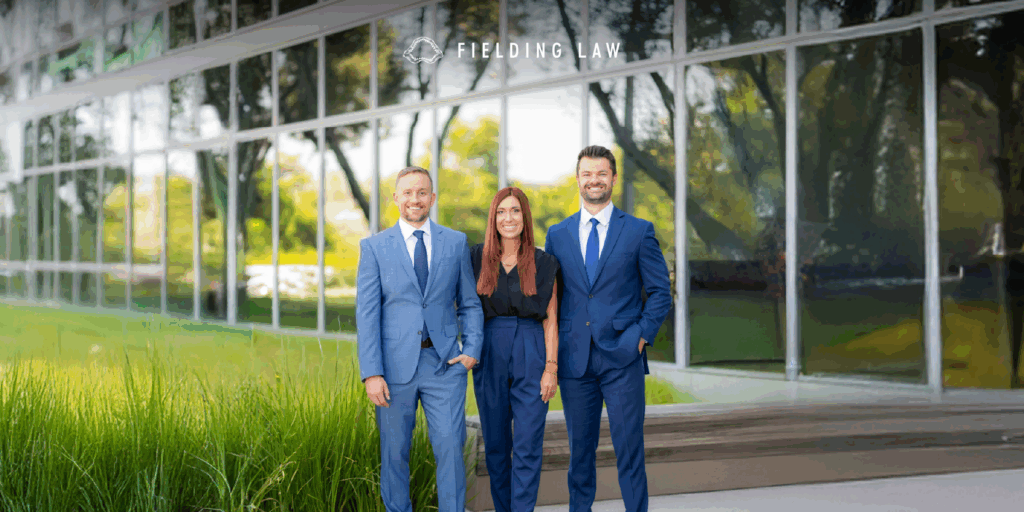
Clark Fielding Arizona attroney, Savonnah Saumers Director of Operations, Ryan Cooper California Attorney

Choosing the Right Arizona Injury Lawyer

By Bicycle Accident, Boating Accident, Bus Accident, Car Accident, Dog / Animal Bite, Motorcycle Accident, Pedestrian Accident, Personal Injury, Premises Liability, Product Liability, Public Entity, Rideshare Accident, RV Accident, Slip or Trip and Fall, Train Accident, Truck Accident, Wrongful Death

After an accident, life can feel overwhelming. Medical visits pile up, bills arrive, and insurance adjusters keep calling. At the same time, advertisements from law firms appear everywhere, which can make the decision even more stressful. Finding a trusted Arizona injury lawyer may seem difficult, but a clear approach can help you choose with confidence.

Start With Arizona Experience

First, confirm that the lawyer understands Arizona law. Each state has its own rules, and Arizona follows pure comparative negligence. This means your recovery could be reduced if you share fault for the accident.

Because of this rule, your attorney should build a strong case from the start. A trusted Arizona injury lawyer knows how to collect evidence, review crash reports, and respond to insurance tactics. Local court experience can also make a difference if your case goes to trial.

Choose a Firm That Focuses on Injury Cases

Next, consider the firm’s focus. Some firms divide their work across many practice areas, but serious injury claims need careful attention. Medical records, lost wages, and future care costs require skill and experience.

Ask whether the attorney regularly handles cases like yours. Car crashes, pedestrian injuries, trucking collisions, and wrongful death claims all need different strategies. A firm that focuses on injury cases is more likely to provide strong preparation and clear guidance.

Pay Close Attention to Communication

Equally important, notice how the attorney interacts with you during the first meeting. Good representation starts with listening.

A trusted Arizona injury lawyer should:

  • Listen carefully to your concerns

  • Explain the process in simple language

  • Answer questions clearly

  • Set realistic expectations

You should never feel rushed or ignored. Regular updates and steady communication help reduce stress while your case moves forward.

Review Reputation and Client Feedback

Then, look at past client reviews. Consistent feedback can show how a firm handles its clients. Do clients feel supported? Do they describe clear communication and respect?

No lawyer can guarantee a result, but positive patterns can indicate a strong commitment to client care. Reputation builds over time and reflects how a firm treats people.

Avoid Pressure and Flashy Promises

Large advertising campaigns may grab attention, but marketing does not always reflect quality. Focus instead on how the firm answers your questions and explains the process.

A trusted Arizona injury lawyer will outline risks and options without pressuring you. They provide the space you need to make informed decisions.

Why Hire Fielding Law

At Fielding Law, clients are treated as individuals, not case numbers. The firm represents people injured by negligence and never works for insurance companies. This focus keeps attention on your needs.

The team builds each case with care and clear strategy. Communication remains consistent, and every interaction is guided by professionalism, civility, and respect.

If you are looking for a trusted Arizona injury lawyer, you deserve both experience and genuine support. To discuss your situation, call 833.88.SHARK.

With the right guidance, you can take steady steps toward recovery and regain confidence during a challenging time.

Note: Information provided is for educational purposes and does not constitute legal advice. Always consult with a qualified attorney for legal concerns.

proof spelled out in gaming tiles

Proving Negligence After Injury

By Assault, Bicycle Accident, Boating Accident, Brain Injury (TBI), Burn Injury, Bus Accident, Car Accident, Dog / Animal Bite, E-Bikes and E-Scooters, Motorcycle Accident, Pedestrian Accident, Personal Injury, Personal Watercraft (PWC) Accident, Premises Liability, Product Liability, Public Entity, Rideshare Accident, RV Accident, Skate & Skateboarding Accident, Ski & Snowboard Accident, Slip or Trip and Fall, Spinal Cord Injury, Train Accident, Truck Accident, Wrongful Death

What Negligence Means in a Personal Injury Case

Negligence is the foundation of most personal injury claims in California and Arizona. It describes a situation where a person or business fails to act with reasonable care. When that failure harms someone, the injured person may have a legal right to pursue compensation. Understanding proving negligence injury is essential for any plaintiff seeking recovery.

Negligence does not require intentional harm. Instead, it focuses on avoidable mistakes. These mistakes can happen on the road, inside a business, at a private residence, or during everyday activities.

Common Examples of Negligence

Negligence appears in many forms. Some of the most frequent sources include

Each of these actions places others at risk. When an injury occurs, the plaintiff must show that the other party failed to act responsibly. Proving negligence injury requires clear evidence of these failures.

What a Plaintiff Must Prove

In both California and Arizona, the plaintiff must show

This can sound straightforward, but it often requires evidence, witness statements, reports, and a clear understanding of state law. A skilled attorney can help with proving negligence injury by gathering and presenting information in a strong and organized way.

How State Laws Affect Negligence

California uses a pure comparative negligence system. This means a plaintiff can recover compensation even if they share most of the fault, but their compensation will be reduced by their percentage of responsibility.

Arizona uses a similar comparative fault system, and injured people can still seek recovery even if they hold some responsibility. These rules can significantly impact the outcome of a claim, making proving negligence injury even more important.

Why Negligence Matters for Plaintiffs

Negligence determines whether an injured person has a valid claim. It also influences how much compensation may be available. Plaintiffs often deal with medical bills, missed work, pain, and emotional stress. A clear demonstration of proving negligence injury helps create a strong foundation for a claim that reflects the full impact of an injury.

Why Hire Fielding Law

The injury process can feel overwhelming, but you do not need to face it alone. Fielding Law offers caring, capable, and experienced support for injured plaintiffs in California and Arizona. Our team focuses on listening, understanding your situation, and guiding you with steady and compassionate leadership. We work to protect your rights so you can focus on healing. To speak with our team, contact Fielding Law or call 833.88.SHARK.

Note: Information provided is for educational purposes and does not constitute legal advice. Always consult with a qualified attorney for legal concerns.
Two children standing next to a bus looking at a book

How to Handle a School Bus Injury as a Parent of a Young Child

By Bus Accident

Understanding School Bus Injuries

When a child suffers an injury on a school bus, parents often feel overwhelmed and uncertain about the next steps. With the help of a school bus injury lawyer, you can take action to protect your child’s rights and move forward with confidence.

Steps Parents Should Take

Seek Medical Care

Your child’s health must come first. Even minor school bus injuries deserve medical attention. A doctor can identify hidden issues and create medical records that support your child’s recovery and any legal claim.

Report the Accident

Inform the school immediately and submit your report in writing. Written notice ensures accuracy and creates an official record. Ask for a copy of the school’s accident report so that you can keep it in your files.

Collect Documentation

Save medical bills, photographs of the injuries, and all communication with the school. These records strengthen your claim and give clarity about what happened.

Legal Responsibility in School Bus Cases

Several parties may bear responsibility when a school bus accident causes harm.

  • The school district holds responsibility if it fails to enforce safety rules.

  • A negligent driver can be held accountable when reckless actions cause injuries.

  • Private transportation companies may face liability if they operate the bus and fail to maintain safe practices.

In California and Arizona, strict deadlines apply to claims against schools or government entities. Therefore, working with a school bus injury lawyer as soon as possible helps families avoid missed deadlines and costly mistakes.

Protecting Your Child’s Rights

Be Careful With Documents

Do not sign paperwork from the school district, the bus company, or an insurance carrier without legal advice. An attorney can review these documents and protect your family from unfair terms.

Track Medical Care and Expenses

Keep a clear record of your child’s medical treatments, therapy sessions, and related costs. Organized records make it easier to prove the impact of the injury.

Limit Public Sharing

Avoid posting details about the accident on social media. Insurance companies and defense attorneys may use those posts to challenge your claim.

Why Hire Fielding Law

At Fielding Law, we know that parents want to protect their children above all else. Our team serves families in Arizona and California with professionalism, care, and compassion. When you work with us, a school bus injury lawyer will guide you through each step, fight to protect your child’s future, and hold negligent parties accountable.

Contact Fielding Law

If your child suffered harm in a school bus accident, you do not need to face this alone. Call Fielding Law at 833.88.SHARK to speak with a dedicated school bus injury lawyer who will provide the guidance and support your family deserves.

Note: Information provided is for educational purposes and does not constitute legal advice. Always consult with a qualified attorney for legal concerns.

Woman sitting in the woods meditating

Why You Should Destress Before Mediation

By Assault, Bicycle Accident, Boating Accident, Brain Injury (TBI), Burn Injury, Bus Accident, Car Accident, Catastrophic Injury, Dog / Animal Bite, E-Bikes and E-Scooters, Motorcycle Accident, Pedestrian Accident, Personal Injury, Personal Watercraft (PWC) Accident, Premises Liability, Product Liability, Public Entity, Rideshare Accident, RV Accident, Skate & Skateboarding Accident, Ski & Snowboard Accident, Slip or Trip and Fall, Spinal Cord Injury, Train Accident, Truck Accident, Wrongful Death

Mediation can be stressful. You may feel pressure to reach an agreement, worry about the other side, or fear that your position will not be understood. Managing your stress before mediation is essential to protect your mental focus and advocate effectively for yourself.

What Mediation Involves

Mediation is a structured negotiation guided by a neutral third party, called a mediator. Unlike court, it is informal, confidential, and focused on finding a mutually acceptable resolution. Understanding the process can reduce uncertainty and help you feel more prepared.

Why Reducing Stress Matters

Stress affects your judgment, communication, and patience. When you are tense, it can be harder to listen carefully, respond thoughtfully, or negotiate calmly. Entering mediation in a relaxed state increases your ability to:

  • Think clearly about your priorities and goals

  • Stay composed under pressure

  • Communicate your needs confidently

  • Recognize reasonable compromises

A calm approach can make the process smoother, help prevent emotional reactions, and improve the likelihood of a favorable outcome.

Strategies to Destress

  1. Prepare in Advance
    Understand your case, documents, and your ideal outcome. Preparation reduces uncertainty, which is a major source of stress.

  2. Practice Mindfulness or Meditation
    Simple breathing exercises or guided meditations can lower anxiety and help you feel grounded. Even five minutes can make a difference.

  3. Exercise
    Physical activity releases tension and stimulates endorphins. A short walk or light workout before mediation can boost focus and mood.

  4. Get Adequate Sleep
    Fatigue intensifies stress and reduces your ability to think clearly. Prioritize rest the night before your session.

  5. Limit Caffeine and Sugar
    Excessive stimulants can increase anxiety. Opt for water or calming teas instead.

  6. Visualize Success
    Picture yourself speaking calmly, listening attentively, and negotiating effectively. Positive visualization can increase confidence and reduce nervousness.

  7. Talk with Your Attorney
    Discuss concerns with your lawyer, review the process, and clarify what to expect. Feeling supported reduces fear and uncertainty.

Why Hire Fielding Law

Mediation is a critical step in resolving disputes, and Fielding Law is committed to guiding clients through it with empathy and skill. We help you prepare, stay focused, and advocate effectively so you can approach mediation with confidence.

Call 833.88.SHARK to schedule a free consultation and take the first step toward a calmer, more effective mediation experience.

Note: Information provided is for educational purposes and does not constitute legal advice. Always consult with a qualified attorney for legal concerns.

Fielding Law Jaw logo on blue and aqua green gradient

Fielding Law Earns Best Law Firms® 2026 Recognition

By Assault, Bicycle Accident, Boating Accident, Brain Injury (TBI), Burn Injury, Bus Accident, Car Accident, Catastrophic Injury, Dog / Animal Bite, E-Bikes and E-Scooters, Firm News and Celebrations, Motorcycle Accident, Pedestrian Accident, Personal Injury, Personal Watercraft (PWC) Accident, Premises Liability, Product Liability, Public Entity, Rideshare Accident, RV Accident, Sexual Assault & Abuse, Skate & Skateboarding Accident, Ski & Snowboard Accident, Slip or Trip and Fall, Spinal Cord Injury, Train Accident, Truck Accident, Wrongful Death

Fielding Law is proud to be recognized in the 16th edition of Best Law Firms 2026, a respected publication that celebrates excellence in the legal field. Each year, Best Law Firms® identifies the nation’s top-performing firms across 127 practice areas and 188 local jurisdictions.

This recognition follows a rigorous evaluation process that includes client feedback, peer reviews, and performance assessments. In 2026, more than 110,000 clients and 200,000 legal professionals participated. Their input highlights the confidence clients have in firms that consistently deliver exceptional results and service.

What This Recognition Means

Earning a place in Best Law Firms 2026 represents more than an award. It shows our ongoing commitment to ethical, compassionate, and effective legal representation. Furthermore, this recognition reinforces Fielding Law’s mission to serve clients with professionalism and integrity.

Being named among the Best Law Firms 2026 also reflects our belief that true success extends beyond courtroom results. It demonstrates our dedication to improving clients’ lives and upholding the highest standards of care. Each case we handle is guided by empathy, focus, and the pursuit of justice.

Why Hire Fielding Law

At Fielding Law, every client receives compassionate support, clear communication, and strong advocacy. Our attorneys take time to understand each client’s experience. We guide clients through the legal process and pursue fair compensation with determination.

Whether you have suffered a personal injury, a vehicle collision, or a wrongful death, Fielding Law is ready to help. Our inclusion in Best Law Firms 2026 reflects our proven record, client trust, and unwavering professionalism.

If you or a loved one has been injured due to negligence, contact Fielding Law or call 833.88.SHARK to learn how we can help you seek justice and move forward.

Note: Information provided is for educational purposes and does not constitute legal advice. Always consult with a qualified attorney for legal concerns.

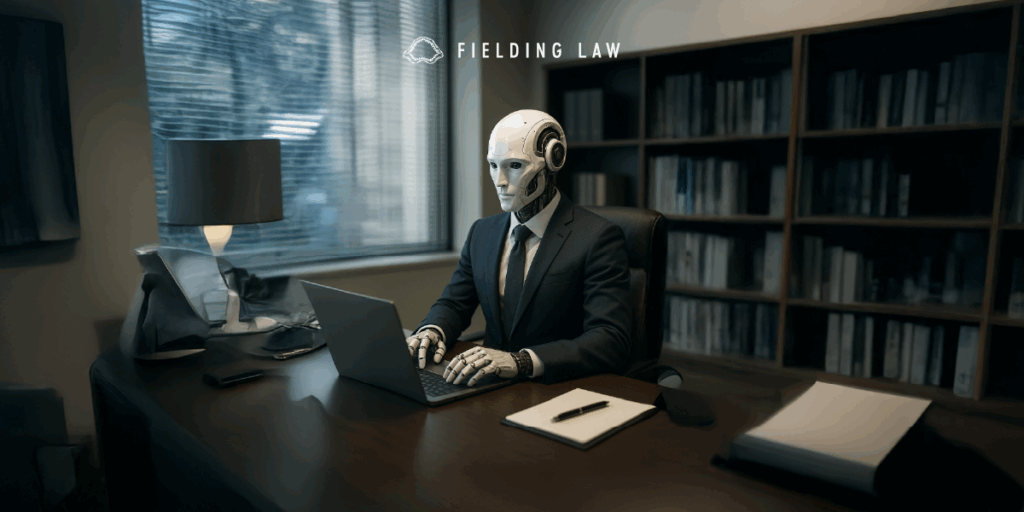
Robot dressed as a lawyer sitting at a desk

ChatGPT Stops Legal Advice

By Assault, Bicycle Accident, Boating Accident, Brain Injury (TBI), Burn Injury, Bus Accident, Car Accident, Catastrophic Injury, Dog / Animal Bite, E-Bikes and E-Scooters, Motorcycle Accident, Pedestrian Accident, Personal Injury, Personal Watercraft (PWC) Accident, Premises Liability, Product Liability, Public Entity, Rideshare Accident, RV Accident, Sexual Assault & Abuse, Skate & Skateboarding Accident, Ski & Snowboard Accident, Slip or Trip and Fall, Spinal Cord Injury, Train Accident, Truck Accident, Wrongful Death

Recent reporting shows that ChatGPT will no longer offer legal or medical advice in the way users may expect. According to an article on Caliber.az, the update to OpenAI’s usage policies was published October 29 2025. 

This development matters more than just a technical policy change: it serves as a reminder that when you face injuries, rights, or liability, you need a trained attorney—not just a chatbot.

What changed in the policy update

The new usage terms state that ChatGPT (and related services) may not be used for the “provision of tailored advice that requires a license, such as legal or medical advice, without appropriate involvement by a licensed professional.” 
The update went into effect on October 29 2025.

Why did this change occur? Several key factors:

  • Growing concern over liability when users rely on AI for high-stakes decisions.

  • The need to clearly distinguish between general information and personalized advice.

  • Regulatory pressure and the desire by OpenAI to define safe boundaries in legal and medical contexts.

In short, the update clarifies that ChatGPT is meant for general information rather than individualized legal strategy. It does not mean AI is completely barred from discussing legal topics—it means AI should not act as your lawyer.

Why this matters

AI tools can be very helpful for learning basic concepts or exploring ideas. However, they cannot replace the role of a licensed attorney in an injury case. Consider these facts:

  • ChatGPT cannot guarantee attorney-client privilege or confidentiality.

  • It cannot negotiate with insurance companies, handle state-specific statutes, or manage future medical needs.

  • The law in California and Arizona for personal injury cases contains complex rules around negligence, damages, statute of limitations, and more.

Why a skilled attorney matters

A licensed attorney does more than give information. They provide strategy, advocacy, and protection:

  • They understand state-specific laws and personal injury regulations.

  • They create legal strategies specific to your injuries and recovery.

  • They handle insurance negotiations to protect your rights.

  • They manage deadlines, paperwork, and complex legal processes.

  • They prevent mistakes that could reduce compensation.

  • They offer guidance, support, and professionalism throughout the case.

How does this affect your case

If you are injured in a bicycle accident, car crash, slip, trip, and fall, or bitten by a dog in California or Arizona, relying on ChatGPT legal advice is risky. Only a qualified attorney can review your case, explain your rights, and help you recover fair compensation.

Why hire Fielding Law

At Fielding Law, client service is our priority. We improve the lives of each client through ethical and efficient representation. Every case is handled with care, clarity, and commitment. When you need a knowledgeable advocate who cares, we are here.

Call 833.88.SHARK for a free consultation if you or a loved one has been injured.

The end of ChatGPT legal advice highlights a simple truth: AI cannot replace a skilled attorney. Professional guidance protects your rights, guides your case, and maximizes your recovery in personal injury matters.

Note: Information provided is for educational purposes and does not constitute legal advice. Always consult with a qualified attorney for legal concerns.
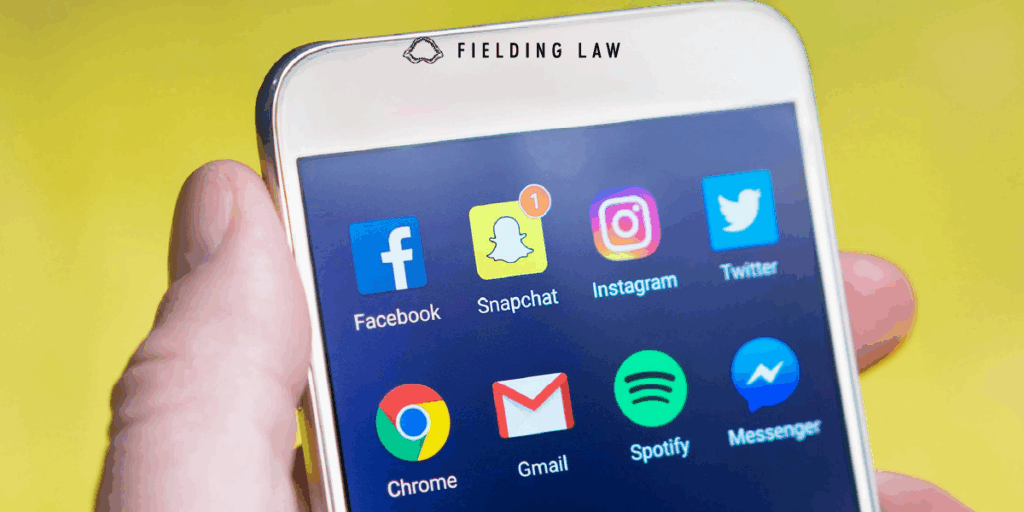
Phone with social media apps

Should Social Media Platforms Be Private After an Accident?

By Assault, Bicycle Accident, Boating Accident, Brain Injury (TBI), Burn Injury, Bus Accident, Car Accident, Catastrophic Injury, Dog / Animal Bite, E-Bikes and E-Scooters, Motorcycle Accident, Pedestrian Accident, Personal Injury, Personal Watercraft (PWC) Accident, Premises Liability, Product Liability, Public Entity, Rideshare Accident, RV Accident, Sexual Assault & Abuse, Skate & Skateboarding Accident, Ski & Snowboard Accident, Slip or Trip and Fall, Spinal Cord Injury, Train Accident, Truck Accident, Wrongful Death

Should Social Media Platforms Be Private After an Accident?

After an accident, protecting your social media privacy is more important than most people realize. What you share online can easily be used against you in your personal injury claim. Adjusters, defense attorneys, and even investigators may review your posts for anything that contradicts your statements about injuries or damages.

How Social Media Can Affect Your Case

Photos, status updates, and comments can all be taken out of context. A picture of you smiling at a family gathering could be used to question the severity of your pain. Even casual remarks might seem harmless but can harm your case if they appear inconsistent. Therefore, it is wise to avoid posting about the accident, your injuries, or your recovery process until your case is resolved.

Insurance Companies and Social Media

Insurance companies use social media to gather evidence that benefits them, not you. They may look at your profiles, tagged photos, and comments to find anything that reduces your settlement value. Even private accounts can be accessed through mutual connections or screenshots shared by others.

To protect your social media privacy after an accident, review your privacy settings, limit new friend requests, and think carefully before sharing content.

Tips for Protecting Your Privacy

If you want to maintain control over your online presence, consider these steps:

  • Set all accounts to private and review who can see your posts.

  • Avoid discussing the accident, your injuries, or your case online.

  • Ask friends and family not to tag you in photos or posts.

  • Avoid checking in at locations that could suggest you are active or uninjured.

  • Save all relevant messages or posts in case your attorney needs them later.

By following these steps, you can reduce the risk of your social media activity being used against you.

Social Media Platforms

Social media privacy after an accident can make a significant difference in how your case unfolds. Platforms like Facebook, Instagram, X (formerly Twitter), TikTok, LinkedIn, and Snapchat can unintentionally reveal information about your daily activities, friends, or location. Set your accounts to private and limit who can see your posts. Restrict story viewers, turn off tagging, and disable location features to prevent others from connecting you to places or events that could appear inconsistent with your injuries.

Messaging and Communication Apps

Private messages are not always truly private. After an accident, avoid discussing details about your injuries or claim in WhatsApp, Messenger, Telegram, Discord, Reddit, or group chats. Keep usernames anonymous when possible, and remember that messages can easily be screenshotted or shared. It is best to limit conversations about your case to trusted sources and your attorney.

Financial and Payment Apps

Few people realize that payment apps can pose risks to social media privacy after an accident. Apps like Venmo, PayPal, Cash App, and Zelle often show payees, amounts, and comments that may appear public. Set transactions to private, review past activity, and avoid adding descriptive notes that mention outings, purchases, or events. Even small details can be taken out of context by insurance adjusters or defense attorneys.

Location and Fitness Apps

Fitness and location apps can also compromise your privacy. Platforms such as Strava, Fitbit, Apple Fitness, and Google Maps can show your movements, activity levels, and location history. Disable location sharing, turn off automatic check-ins, and review old data to protect your social media privacy after an accident. Limiting this information helps prevent others from making assumptions about your physical condition.

Content Sharing and Storage

Shared albums and online storage can reveal more than you intend. Services like Google Photos, iCloud, Dropbox, YouTube, and Pinterest often include location data and timestamps. Keep albums and boards private, remove metadata from photos, and share only with trusted individuals. This extra step can prevent your personal content from being taken out of context.

Shopping and Membership Accounts

Even accounts unrelated to your case can affect your privacy. Amazon wish lists, gym check-ins, and subscription services can provide insight into your daily life and physical activities. Review what is public and disable any sharing features. Protecting your digital footprint strengthens your overall privacy after an accident.

Email and Cloud Services

Your email and cloud storage may contain sensitive medical or legal information. Use strong passwords and enable two-factor authentication. Review shared folders, permissions, and forwarding rules to make sure only trusted contacts can access your information.

Quick Checklist After an Accident

  • Set social media accounts to private

  • Restrict story viewers and friends lists

  • Disable location sharing and geotags

  • Make payment app transactions private

  • Review cloud storage and shared albums

  • Enable two-factor authentication

  • Avoid discussing your accident or injuries online

Why Hire Fielding Law

At Fielding Law, we understand how social media can impact your personal injury case. Our compassionate attorneys guide clients through every step of the process, including protecting their online privacy. We are committed to helping accident victims in Arizona and California receive fair compensation while safeguarding their rights.

If you have questions about social media privacy after an accident, contact Fielding Law today. Call 833.88.SHARK to schedule a free consultation and let our team provide the support and legal insight you need.

Note: Information provided is for educational purposes and does not constitute legal advice. Always consult with a qualified attorney for legal concerns.
OCTA bus on the road at night time

Did You Know OCTA Does Not Have UM/UIM for Riders?

By Bus Accident, Car Accident, Personal Injury

What Happens if You Are Injured on an OCTA Bus?

Passengers injured while riding an Orange County Transportation Authority (OCTA) bus are often surprised to learn that OCTA does not provide uninsured motorist (UM) or underinsured motorist (UIM) coverage. This becomes a serious issue when a negligent third-party driver causes a crash and lacks adequate insurance.

OCTA is a public transit agency that self-insures against liability, but that coverage only applies in limited situations—primarily when OCTA itself is responsible. It does not cover situations where a third-party driver is at fault and lacks insurance.

What This Means for You as an Injured Passenger

If you were injured in a bus crash and the at-fault driver had no insurance—or not enough—you may not be able to recover compensation through OCTA. You cannot file a UM/UIM claim through OCTA because that protection is not available to passengers.

You may feel stuck, but you still have options. Your recovery may depend on your own insurance policy, identifying all liable parties, and navigating strict rules for filing claims against government agencies. That is where legal experience can make a difference.

Your Options After an OCTA Passenger Accident

If you were injured as a passenger in a crash involving an OCTA bus, here is what you can do:

  • Review Your Own Auto Policy
    If you carry UM/UIM coverage, it may apply—even if you were not in your own vehicle. You could be covered as a named insured or a resident relative.

  • File a Claim Against the At-Fault Driver
    If the third-party driver had insurance, you can pursue a personal injury claim directly against their policy.

  • Investigate Fault by OCTA
    If the bus driver caused or contributed to the crash, or if there were safety failures (like poor maintenance), you may be able to file a claim against OCTA. These claims are time-sensitive and must follow strict procedures under California’s Government Claims Act.

  • Talk to an Attorney Immediately
    Without UM/UIM through OCTA, your path to compensation may be complex. Speaking with a lawyer can help you avoid delays, protect your rights, and identify every possible source of recovery.

Why Hire Fielding Law

When public transportation accidents happen, especially those involving UM/UIM gaps, the legal path is not always clear. At Fielding Law, we understand the frustration and confusion passengers experience after an OCTA accident. Our experienced team is ready to help you sort through your options and build a strategy that fits your case.

We treat every client with empathy and respect while delivering aggressive representation where it matters most.

You do not have to figure this out on your own. Call 833.88.SHARK or contact Fielding Law today.

Note: Information provided is for educational purposes and does not constitute legal advice. Always consult with a qualified attorney for legal concerns.

robot hand holding a glass globe

Can AI Replace Lawyers?

By Assault, Bicycle Accident, Boating Accident, Brain Injury (TBI), Burn Injury, Bus Accident, Car Accident, Catastrophic Injury, Dog / Animal Bite, E-Bikes and E-Scooters, Motorcycle Accident, Pedestrian Accident, Personal Injury, Personal Watercraft (PWC) Accident, Premises Liability, Product Liability, Public Entity, Rideshare Accident, RV Accident, Sexual Assault & Abuse, Skate & Skateboarding Accident, Ski & Snowboard Accident, Slip or Trip and Fall, Spinal Cord Injury, Train Accident, Truck Accident, Wrongful Death

Can You Replace a Lawyer With AI?

Artificial intelligence tools like Chat GPT are gaining popularity. They can draft documents, explain legal concepts, and summarize laws. Some people now believe they can replace a lawyer with AI and handle legal issues on their own. This is misleading and risky. Legal cases require human advocacy, judgment, and compassion that AI cannot provide.

What AI Can and Cannot Do

AI Can:
  • Explain general legal ideas and procedures

  • Summarize statutes and regulations

  • Draft basic templates or documents

  • Suggest broad next steps

AI Cannot:
  • Provide personalized advice specific to your case

  • Investigate evidence or interview witnesses

  • Navigate complex California or Arizona laws

  • Represent you in court or negotiate with insurers

  • Offer strategy, empathy, or advocacy

Attempting to replace a lawyer with AI may result in missed deadlines, weak claims, or reduced compensation.

What Fielding Law Provides That AI Cannot

Personalized Legal Guidance

Our attorneys study every detail of your case and create strategies tailored to your circumstances.

Thorough Investigation

We gather evidence, interview witnesses, and build strong claims that AI tools cannot manage.

Negotiation and Advocacy

We handle insurance companies and opposing parties with proven negotiation skills and legal experience.

Courtroom Representation

If needed, we fight for you in court, file motions, and adjust strategies in real time.

Compassionate Support

We understand how stressful injuries are. Our team provides clear communication and empathy throughout the process.

Why Real Lawyers Matter

Legal representation requires strategy, adaptability, and human insight. Trying to replace a lawyer with AI leaves you without proper protection.

Why Hire Fielding Law

At Fielding Law, we combine experience, compassion, and skill to protect your rights. We fight for fair compensation and support clients every step of the way. Technology can assist, but it cannot replace a real lawyer.

Call 833.88.SHARK today for a Free Consultation and experience the difference of true legal advocacy.

Note: Information provided is for educational purposes and does not constitute legal advice. Always consult with a qualified attorney for legal concerns.

Close Menu