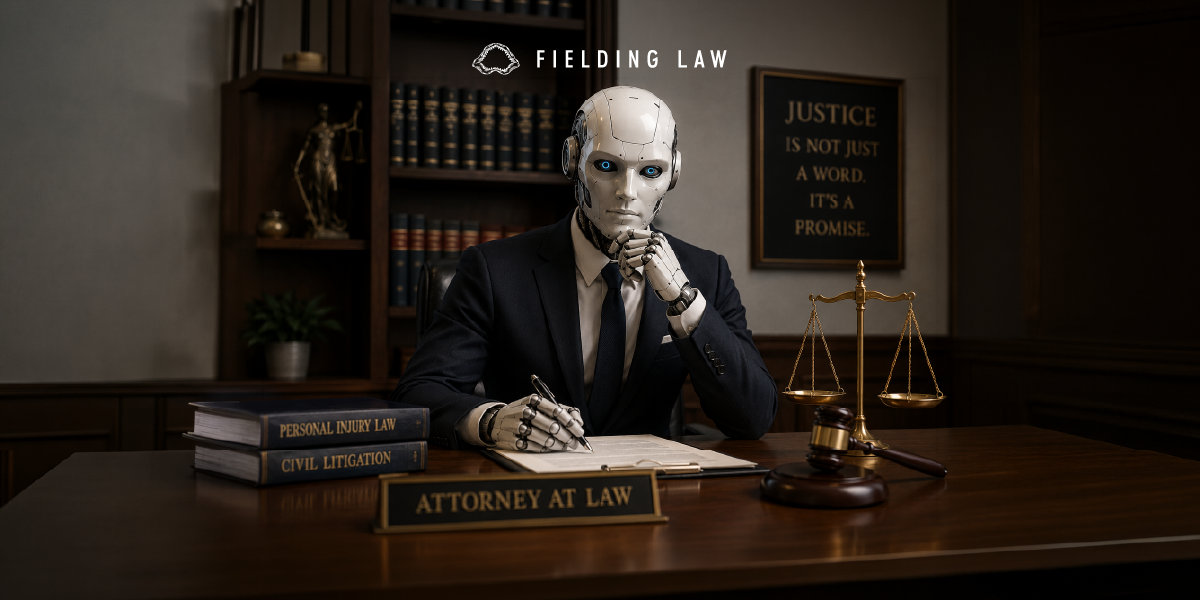
AI legal advice vs attorney comparisons are becoming more common as people turn to online tools after an accident. AI can explain legal topics quickly, summarize rules, and outline general steps, which can feel helpful during a stressful moment.
Personal injury cases are not information searches. They are built on evidence, timing, negotiation strategy, and jurisdiction specific rules in places like California and Arizona.
That is where the difference between automated answers and attorney insight becomes clear.
What Changes In Real Cases
AI responds based on patterns in information. It does not review police reports, medical records, insurance files, or witness credibility.
A legal team does.
Attorneys evaluate what actually shapes a claim, including:
- Gaps in evidence that affect liability
- How insurance companies will likely respond
- How injuries develop and are documented over time
- How state laws in California and Arizona affect fault and recovery
- Which facts influence case value and settlement leverage
Two cases that look similar at first can move in completely different directions once those details are reviewed in context.
Why Online Answers Feel Helpful But Stay Limited
Online tools are useful for general explanations. They can help someone understand basic legal terms or typical next steps after an accident.
The limitation is that injury claims depend on details that are easy to miss without experience in real cases.
Insurance companies evaluate claims through a very different lens. They focus on:
- Documentation strength
- Medical treatment consistency
- Recorded statements and early communication
- Comparative fault arguments
- Settlement pressure points based on policy limits
AI does not track how these factors interact in real negotiations. It cannot adjust guidance based on insurer behavior, local court tendencies, or the direction a claim is actually taking.
What Attorneys Do Differently Than AI
An attorney and legal team are not just explaining information. They are actively shaping the direction of a claim as facts develop.
That includes:
- Preserving key evidence before it disappears
- Managing communication with insurance companies
- Identifying arguments the defense is likely to raise
- Understanding how courts in California and Arizona evaluate similar cases
- Framing damages in a way that reflects real life impact, not just medical bills
This is where experience matters most. It is not about knowing definitions. It is about knowing how those definitions play out in real disputes.
Why This Difference Impacts Case Outcomes
Small details can carry significant weight in a personal injury claim. A delayed treatment visit, a recorded statement, or missing documentation can shift how an insurer evaluates a case.
Once those moments pass, they are often difficult to correct later.
AI cannot recognize those risks in real time. It cannot step in to adjust strategy or protect a claim as it develops.
Why Hiring A Lawyer Matters In Injury Cases
Personal injury law is not static. It changes based on facts, timing, and how the other side responds. What seems straightforward at the beginning often becomes more complex once insurance companies begin evaluating liability and damages.
Having legal guidance early helps ensure:
- Evidence is preserved correctly
- Communication with insurers does not weaken a claim
- Medical documentation supports the full extent of injuries
- Settlement negotiations are based on complete information
This is where attorney involvement becomes more than information. It becomes strategy.
AI Legal Advice Vs Attorney Representation
AI can provide general legal explanations, but legally cannot provide legal advice. Nor can it replace real case experience. It does not negotiate, investigate, or build claims based on evolving evidence.
Attorneys do all of those things while adapting to how the case develops in real time.
That difference is what separates general information from actual legal strategy in personal injury cases.
Fielding Law Insight
Fielding Law focuses on how injuries affect real people, not just how cases look on paper. That includes understanding medical impact, insurance tactics, and how claims are actually evaluated in California and Arizona.
If you have questions after an accident, early guidance can help protect your options and bring clarity to the next steps.
Contact Fielding Law at 833.88.SHARK for a Free Consultation.
Note: Information provided is for educational purposes and does not constitute legal advice. Always consult with a qualified attorney for legal concerns.