
Category

Brain Injury (TBI)

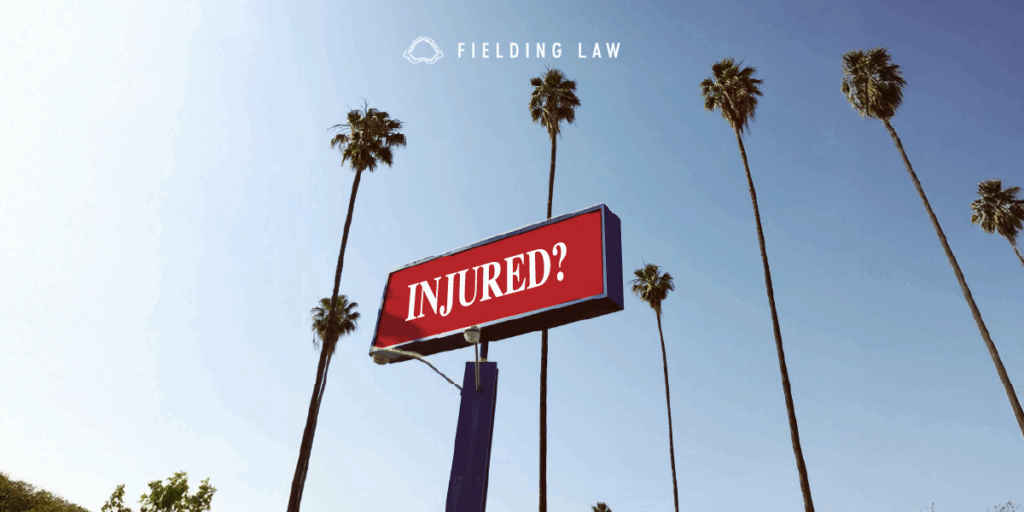
Red billboard that read Injured? with palm trees in the background

California Billboard Injury Lawyers: Best or Just the Loudest

By Bicycle Accident, Brain Injury (TBI), Car Accident, Motorcycle Accident, Pedestrian Accident, Personal Injury, Premises Liability, Slip or Trip and Fall, Spinal Cord Injury, Truck Accident, Wrongful Death

Big Ads Bigger Questions

If you have driven through California or Arizona, you have likely seen large attorney billboards. They feature bold slogans, big results, and memorable faces.

So, does hiring a billboard injury lawyer in California mean you are getting the best representation?

Not always.

Marketing builds visibility, but it does not always reflect how a firm handles your case or communicates with clients. In California, every personal injury case is different, and what works for one client may not work for another.

Why Billboard Attorneys Are Everywhere in California

Billboards are designed to stay top of mind.

Because of this, many California law firms invest heavily in advertising to reach as many people as possible. Over time, repetition builds familiarity. As a result, when an accident happens on I-5, US-101, or the 405, that familiar name can feel like the easiest choice.

However, recognition does not always equal experience or personal attention.

The Reality Behind High Volume Firms

In many cases, billboard-focused firms operate on a high volume model. This means they handle many cases at once.

As a result, this can lead to:

  • Less direct access to an attorney
  • More communication through case managers
  • Faster case resolutions that may not reflect full value

While this approach may work for some cases, it does not always allow for careful strategy. Every case deserves time and attention.

What to Watch Out For

Big Promises Without Context

For example, statements like “millions recovered” can sound impressive. However, they do not explain how those results were achieved. Since every case is different, outcomes depend on many factors.

Who Is Handling Your Case

In many situations, the attorney on the billboard is the face of the firm. However, they may not be the one handling your case.

Therefore, it is important to ask who will work with you and how often you can expect updates.

Pressure to Settle Quickly

In some firms, there is a focus on resolving cases quickly. While this may seem helpful, faster is not always better.

Instead, taking time to understand your injuries and losses can make a meaningful difference.

Limited Communication

Clear communication matters. However, when a firm handles many cases, updates may be less frequent.

Because of this, clients may feel unsure about the status of their case.

How to Choose the Right Attorney

Instead of focusing on who you see the most, focus on how a firm works.

For example, consider asking:

  • Who will handle my case directly
  • How often will I receive updates
  • What is your approach to resolving cases
  • How do you tailor your strategy to each client

By asking these questions, you can make a more informed decision.

Why Hire Fielding Law

At Fielding Law, the focus is on people, not case numbers. From the start, the team takes a thoughtful approach to every case. In addition, they prioritize communication, strategy, and client care.

As a result, each client receives personal attention and clear guidance. The goal is to improve each client’s experience through ethical and efficient representation.

Talk to Someone Who Listens

If you are considering hiring a California billboard injury lawyer, it may help to explore your options first. Speaking with an attorney who takes time to understand your situation can make a difference.

Therefore, reach out to Fielding Law to discuss your case and learn about your options. The consultation is free, and there is no obligation.

Call 833.88.SHARK today.

A California billboard injury lawyer may be the most visible option. However, visibility alone does not define quality. Instead, take time to find a team that will prioritize your needs, communicate clearly, and handle your case with care.

Note: Information provided is for educational purposes and does not constitute legal advice. Always consult with a qualified attorney for legal concerns.
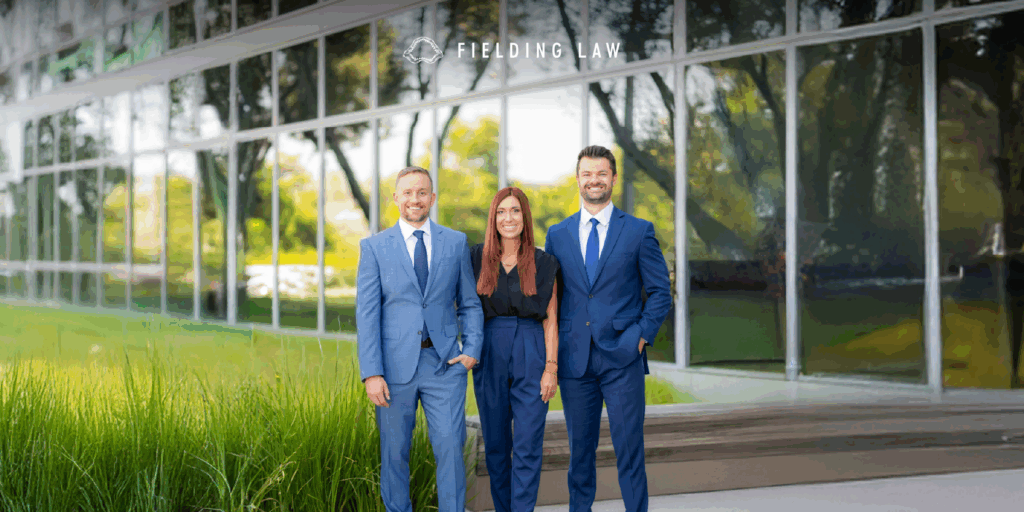
Clark Fielding, Savonnah Saumers, and Ryan Cooper. Leaders of Fielding Law a California injury law firm

What Happens If Your California Injury Law Firm Suddenly Closes?

By Assault, Bicycle Accident, Boating Accident, Brain Injury (TBI), Burn Injury, Bus Accident, Car Accident, Catastrophic Injury, Dog / Animal Bite, E-Bikes and E-Scooters, Motorcycle Accident, Pedestrian Accident, Personal Injury, Personal Watercraft (PWC) Accident, Premises Liability, Product Liability, Public Entity, Rideshare Accident, RV Accident, Sexual Assault & Abuse, Skate & Skateboarding Accident, Ski & Snowboard Accident, Slip or Trip and Fall, Spinal Cord Injury, Train Accident, Truck Accident, Wrongful Death

When Your Lawyer Is Gone, Your Case Still Matters

You hired a California injury attorney to guide you through a difficult time. Then, without warning, the firm closes. The phones stop ringing. Emails bounce back. You are left wondering what happens to your case and your recovery.

This situation is more common than most people realize, and it can feel unsettling, especially when you are still dealing with medical treatment, missed work, and insurance pressure.

If your California injury law firm closes, your case does not automatically end. But what you do next matters.

The most important step is simple: call Fielding Law right away so your case can be reviewed and protected without delay.

Your Case Does Not Disappear

Even when a law firm shuts down, your injury claim still exists.

In most cases, your file may include:

Another attorney can often step in and continue your case. However, timing is critical because deadlines do not pause just because your lawyer is no longer available.

This is exactly why reaching out to Fielding Law as soon as possible is so important.

Why California Law Firms Close

Law firms may close for many reasons, including:

  • Attorney retirement or illness
  • Financial issues within the firm
  • Internal disputes
  • Mergers or restructuring
  • Ethical or licensing issues
  • Sudden departures of key attorneys

No matter the reason, clients are often left without clear direction. That is when confusion and risk increase.

Deadlines Still Apply in California

California injury cases are governed by strict timelines.

In many situations:

If time passes without action, your case could become more difficult to pursue.

This is another reason to call Fielding Law immediately after learning your firm has closed.

What You Should Do Right Away

Contact Fielding Law First

Before signing anything or trying to sort it out alone, contact Fielding Law. We can review your situation, explain what is happening, and help you understand your options moving forward.

Request Your Case File

Your file is important. It may include evidence, medical records, legal filings, and insurance communications. You have the right to request it.

Do Not Assume Your Case Is on Hold

Deadlines and obligations may still be active even if your previous attorney is no longer practicing.

Preserve Everything You Have

Keep copies of:

Common Problems After a Law Firm Closes

When a firm shuts down, clients often experience:

  • Missing or delayed files
  • Confusion about who is handling the case
  • Missed communication from insurance companies
  • Uncertainty about settlement negotiations
  • Fear of losing their claim

These problems can escalate quickly without proper legal guidance.

That is why speaking with an attorney as soon as possible is so important.

You Have Options, But Time Matters

There is no requirement to remain with any replacement attorney suggested by the closed firm. Individuals have the right to select their own legal representation.

A new attorney may be able to continue your case, but only if deadlines are protected and key information is secured early.

Calling Fielding Law gives you a chance to understand your case status before important opportunities are lost.

California Injury Case Rules Still Apply

California personal injury law generally includes strict filing deadlines and procedural rules. These may include:

Even if your law firm closes, these rules do not change.

Why People Call Fielding Law in This Situation

When a law firm suddenly shuts down, clients need clarity, direction, and urgency. At Fielding Law, we help injury victims understand where their case stands and what needs to happen next.

We focus on:

  • Reviewing case files quickly
  • Identifying urgent deadlines
  • Helping protect ongoing claims
  • Providing clear next-step guidance
  • Supporting injured clients through transition

The sooner you call, the more options may be available.

What To Expect When You Call

When you contact Fielding Law, we will focus on:

  • Understanding what happened with your previous firm
  • Reviewing your injury claim status
  • Identifying any immediate deadlines
  • Explaining your legal options in plain language
  • Helping you decide what to do next

You do not have to figure this out alone.

Frequently Asked Questions

Can my case continue if my California law firm closes?

Yes. In many situations, another attorney can take over and continue your case.

Do I need to start over?

Usually no. Much of your case work can transfer, depending on what has already been done.

What if I cannot reach my old attorney?

You should still act quickly. Contact Fielding Law so your situation can be reviewed and protected.

Will I lose my settlement?

Not automatically, but delays or missed deadlines can create risk. That is why immediate review is important.

What should I do first?

Call Fielding Law so your case can be evaluated and your next steps are clear.

Call Fielding Law Today

If your California injury law firm suddenly closed, you do not have to navigate it alone.

Your case may still be active, your rights may still be protected, and your next steps matter.

Call Fielding Law at 833.88.SHARK as soon as possible so we can review your situation and help you move forward with confidence.

Quick Answer Summary

If your California injury law firm closes, your case usually does not end, but deadlines still apply. You should act quickly, secure your case file, and contact Fielding Law immediately to help protect your injury claim and understand your next steps.

Note: Information provided is for educational purposes and does not constitute legal advice. Always consult with a qualified attorney for legal concerns.
a hand extended out. flat palm up

When Your Sense of Touch Changes After an Injury

By Brain Injury (TBI), Personal Injury, Spinal Cord Injury

The sense of touch helps people interact with the world every day. It allows us to feel temperature, pressure, pain, and comfort. After an accident, however, this sense can change. Loss of touch after injury may occur when trauma affects nerves, the spinal cord, or the brain.

Although some injuries are visible, changes in sensation may develop quietly. For example, a person may notice numbness, tingling, or reduced feeling in certain parts of the body. In other cases, the body may struggle to recognize touch at all.

Because of this, changes in sensation can affect safety, movement, and daily activities.

How Injuries Can Affect Touch

The sense of touch depends on a network of nerves throughout the body. These nerves send signals from the skin to the spinal cord and brain. Then the brain interprets those signals and identifies sensations.

An injury can interrupt this system in several ways.

Common causes of loss of touch after injury include:

Even a single damaged nerve can change sensation in a specific area of the body.

Signs Your Sense of Touch May Be Affected

Loss of touch after injury may appear in different ways. Some people experience numbness. Others notice unusual sensations.

Common symptoms include:

  • Numbness in the hands, feet, arms, or legs

  • Tingling or a “pins and needles” feeling

  • Reduced ability to feel heat or cold

  • Difficulty sensing pressure or pain

  • Increased sensitivity to touch

Sometimes these symptoms affect only a small area. However, more serious injuries may affect larger parts of the body.

When Nerve Damage Is Involved

Nerves play a key role in carrying touch signals. When an accident damages these nerves, sensation may change or disappear.

For example, a car crash may cause nerve compression in the neck or back. Similarly, a fall or impact may damage nerves in the arms or legs. As a result, the brain may receive weak or incorrect signals.

Doctors may use physical exams, imaging tests, or nerve studies to understand how the injury affected the nervous system.

The Impact on Daily Life

Loss of touch after injury can affect many parts of daily life. Without normal sensation, simple tasks may become more difficult.

People may struggle with:

  • Holding objects safely

  • Detecting heat or cold

  • Maintaining balance

  • Completing detailed tasks with their hands

In addition, reduced sensation may increase the risk of burns, cuts, or other injuries because the body does not recognize danger as quickly.

Touch Loss and Personal Injury Claims

When nerve damage or sensory loss results from an accident caused by negligence, the impact may continue long after the initial injury. Medical evaluations, therapy, and rehabilitation may become necessary.

Doctors often document loss of touch after injury through neurological exams and testing. These records help show how the injury affects daily activities and physical function.

Each accident is different. Determining responsibility often requires careful review of the facts surrounding the injury.

Why Hire Fielding Law

At Fielding Law, we understand that injuries can affect the body in ways that are not always visible. Loss of touch after injury may change how someone moves, works, and interacts with their environment. Our team approaches every case with compassion, professionalism, and careful attention to each client’s experience. If an injury occurred because of someone else’s negligence, Fielding Law is here to help you understand your options. Call 833.88.SHARK to speak with a team that prioritizes kindness, clear communication, and client care.

Note: Information provided is for educational purposes and does not constitute legal advice. Always consult with a qualified attorney for legal concerns.
woman smelling a bunch of flowers

How Injury Can Impact Smell

By Brain Injury (TBI), Catastrophic Injury, Personal Injury

The sense of smell helps people detect danger, enjoy food, and connect with memories. After an accident, this sense can change unexpectedly. Loss of smell after injury can occur when trauma affects the nerves, nasal passages, or brain areas responsible for processing scents.

Even minor accidents can impact the olfactory system, and these changes sometimes appear gradually. Some people notice that food smells weaker, while others cannot detect scents at all. Because smell affects taste, this change may also alter how flavors are experienced.

How Injuries Can Affect Smell

Smell relies on nerves that carry signals from the nose to the brain. When an injury disrupts these nerves, the brain may no longer recognize certain scents correctly.

Common causes of smell loss after injury include:

  • Traumatic brain injuries

  • Blunt trauma to the face or head

  • Damage to the olfactory nerves

  • Nasal fractures or sinus injuries

  • Swelling or bleeding near smell pathways

Even when the nose looks normal, nerve or brain damage can still affect smell.

Signs Your Sense of Smell May Be Affected

Changes in smell may appear immediately or develop over time. Some people lose smell entirely, while others notice subtle differences.

Warning signs include:

  • Difficulty detecting odors

  • Food or drinks tasting bland

  • Experiencing unusual or distorted smells

  • Reduced ability to smell hazards such as smoke or gas

  • Changes in appetite or enjoyment of food

Because smell and taste are closely linked, loss of smell often affects flavor perception as well.

When Brain or Nerve Damage Is Involved

The brain processes signals from the nose to identify scents. When a traumatic brain injury occurs, the brain may struggle to interpret these signals.

For example, a person may detect a smell but misidentify it. In other cases, scents may not register at all. Specialists such as neurologists or ear, nose, and throat doctors may evaluate these issues to determine whether nerve damage or brain injury is involved.

The Emotional Impact of Smell Loss

Smell influences memories, enjoyment of meals, and daily life. Losing this sense can affect overall well-being.

People may experience:

  • Reduced enjoyment of food and drink

  • Difficulty detecting safety hazards

  • Feelings of isolation or frustration

  • Anxiety about long-term recovery

Medical care, therapy, and support from loved ones can help individuals adapt.

Smell Loss and Personal Injury Claims

When smell changes result from an accident caused by someone else’s negligence, the impact may extend far beyond the initial injury. Long-term medical care, evaluations, and therapy may become necessary.

Medical documentation is crucial in personal injury claims. Doctors can provide tests and examinations to show how the injury affected daily life and the ability to detect scents.

Each case is unique. Determining liability requires careful review of the accident and its circumstances.

Why Hire Fielding Law

At Fielding Law, we understand that injuries can affect senses in ways that are not immediately visible. Loss of smell after injury can change how someone experiences food, safety, and everyday life. Our team approaches every case with care, professionalism, and attention to detail. If you or a loved one experienced loss of smell due to someone else’s negligence, Fielding Law is here to help you understand your options. Call 833.88.SHARK to speak with a team that values kindness, clear communication, and client care.

Note: Information provided is for educational purposes and does not constitute legal advice. Always consult with a qualified attorney for legal concerns.

place of food on a table

Taste Changes After an Injury

By Brain Injury (TBI), Personal Injury

Our sense of taste plays an important role in daily life. It helps us enjoy food, notice spoiled ingredients, and connect meals with comfort and memory. However, an accident can suddenly change this sense. Loss of taste after injury sometimes occurs when trauma affects the nerves or the brain areas that process flavor.

Although people often focus on visible injuries, sensory changes can also affect quality of life. For example, some people notice that food suddenly tastes bland. Others may find that familiar foods taste strange or unpleasant.

Because of this, it is important to understand how injuries can affect taste and what symptoms may appear.

How Injuries Can Affect Taste

Taste depends on several parts of the body working together. Taste buds on the tongue detect flavors such as sweet, salty, sour, bitter, and umami. Then nerves carry those signals to the brain. Finally, the brain interprets the flavor.

An injury can interrupt this process in several ways.

Common causes of loss of taste after injury include:

  • Traumatic brain injuries

  • Nerve damage affecting taste signals

  • Facial injuries involving the mouth or jaw

  • Dental or oral trauma

  • Inflammation or swelling near taste nerves

Even if the tongue appears normal, nerve damage or brain trauma may still change how flavors are experienced.

Signs Your Sense of Taste May Be Affected

Taste changes can appear in different ways. In some cases, people lose taste completely. In other cases, the change is more subtle.

Common symptoms include:

  • Food tasting bland or weak

  • Trouble recognizing certain flavors

  • A metallic or unusual taste in the mouth

  • Less enjoyment while eating

  • Changes in appetite

In addition, smell may also change after an injury. Because smell and taste work together, a change in smell can also affect flavor.

When Taste Changes Follow Brain Injuries

The brain plays a large role in how people experience flavor. After a traumatic brain injury, the brain may struggle to process taste signals correctly.

For example, a person may still sense food on the tongue. However, the brain may misread the flavor. As a result, foods may taste dull or unfamiliar.

In these situations, doctors may recommend evaluation by specialists. Neurologists or ear, nose, and throat doctors often help determine whether nerves or brain pathways were affected.

The Emotional Impact of Taste Loss

Food connects people to culture, family, and daily comfort. Because of this, loss of taste after injury can feel frustrating or upsetting.

Some people may experience:

  • Less interest in eating

  • Weight loss due to reduced appetite

  • Frustration during meals

  • Changes in social experiences involving food

Over time, medical providers and nutrition specialists may help individuals adjust to these changes.

Taste Changes and Personal Injury Claims

When taste loss follows an accident caused by negligence, the impact may reach beyond the initial injury. Some people need ongoing medical care or evaluations.

Doctors often document loss of taste after injury through medical testing and examinations. These records help show how the injury affected daily life.

However, every case is different. The cause of the injury and the facts surrounding the accident must be reviewed carefully.

Why Hire Fielding Law

At Fielding Law, we understand that injuries affect more than what people immediately see. Sensory changes, including loss of taste after injury, can disrupt daily routines and quality of life. Our team approaches every case with compassion, professionalism, and respect for each client’s experience. If you believe an injury occurred because of someone else’s negligence, Fielding Law is here to listen and help you understand your options. Call 833.88.SHARK to speak with a team that values kindness, strong client service, and thoughtful representation.

Note: Information provided is for educational purposes and does not constitute legal advice. Always consult with a qualified attorney for legal concerns.

side profile of a woman's face

Can an Injury Affect Hearing?

By Brain Injury (TBI), Catastrophic Injury, Personal Injury, Spinal Cord Injury

Our senses quietly guide nearly every moment of the day. Hearing allows us to communicate, stay aware of our surroundings, and connect with the people around us. When an accident occurs, however, this sense can suddenly change. Hearing loss after injury is more common than many people realize.

An accident that involves head trauma, loud impact, or damage near the ears can disrupt the delicate structures responsible for hearing. In some cases the change happens immediately. In others, symptoms may appear gradually over time.

Recognizing these changes can help people seek medical care and better understand what they are experiencing.

How Injuries Can Affect Hearing

Hearing depends on several complex parts of the body working together. The outer ear collects sound, the inner ear converts it to signals, and the brain interprets those signals.

An injury can interfere with any part of this process.

Some causes of hearing loss after injury include:

  • Head trauma or traumatic brain injuries

  • Damage to the inner ear structures

  • Ruptured or perforated eardrums

  • Exposure to extremely loud noise during an accident

  • Skull fractures near the ear

Even a sudden pressure change or strong blow to the head can disturb these sensitive systems.

Signs Your Hearing May Be Affected

Hearing changes after an accident are not always obvious right away. Some symptoms can appear subtle at first.

Common signs include:

  • Ringing in the ears, often called tinnitus

  • Muffled or reduced hearing

  • Difficulty understanding conversations

  • Feeling like sounds are distant or distorted

  • Dizziness or balance problems

  • Sensitivity to certain sounds

Because hearing and balance are closely connected in the inner ear, some individuals may also experience vertigo or instability.

When Hearing Problems Are Linked to Brain Injuries

The brain plays a key role in how we interpret sound. When a traumatic brain injury occurs, the brain may struggle to process auditory signals properly.

For example, someone may technically hear a sound but have trouble identifying where it came from. Others may find it difficult to follow conversations in crowded environments.

These issues can be frustrating and may require evaluation by specialists such as audiologists or neurologists.

The Emotional Impact of Hearing Changes

Hearing connects people to their environment and their relationships. When hearing loss after injury occurs, individuals may feel isolated or overwhelmed.

Daily challenges may include:

  • Struggling to follow conversations

  • Difficulty at work or in meetings

  • Feeling disconnected in social settings

  • Increased fatigue from trying to focus on sounds

Support, medical care, and hearing evaluations can help people better manage these changes.

Hearing Loss and Personal Injury Claims

When hearing damage results from an accident caused by negligence, the long term effects may extend beyond the initial event. Medical evaluations, hearing devices, therapy, and ongoing care may become necessary.

In personal injury cases, documenting hearing loss after injury often involves testing by audiologists and other medical specialists. Their evaluations help determine how the injury affected the individual and what care may be needed moving forward.

Each situation is unique, and understanding how an accident occurred requires a careful review of the facts.

Why Hire Fielding Law

At Fielding Law, we understand that injuries can affect parts of life that people rarely think about until they change. Hearing loss can impact communication, safety, and daily independence. Our team approaches every case with compassion, professionalism, and respect for what clients are experiencing. If hearing loss after injury may be connected to someone else’s negligence, Fielding Law is here to help you understand your options. Call 833.88.SHARK to speak with a team that prioritizes kindness, client service, and thoughtful representation.

Note: Information provided is for educational purposes and does not constitute legal advice. Always consult with a qualified attorney for legal concerns.
person with a brain injury holding their head

Life After a TBI

By Bicycle Accident, Brain Injury (TBI), Car Accident, E-Bikes and E-Scooters, Motorcycle Accident, Pedestrian Accident, Personal Injury, Slip or Trip and Fall, Spinal Cord Injury, Truck Accident

What Is a Traumatic Brain Injury?

A traumatic brain injury, often called a TBI, happens when a sudden impact or force disrupts how the brain works. This can occur during a car accident, fall, sports injury, or any event where the head strikes an object or is violently shaken.

Even mild injuries like concussions can cause lasting problems. Understanding traumatic brain injury after effects is important for proper care and long term recovery.

Common Causes of TBIs

Traumatic brain injuries often result from preventable accidents. Common causes include:

In many cases, these injuries occur because someone acted negligently. When that happens, legal options may be available.

Short Term Symptoms May Fade, Long Term Effects May Not

Some symptoms appear right away, while others develop gradually. Headaches or dizziness may improve, but many traumatic brain injury after effects can last for years or even a lifetime.

Long term effects may include:

  • Memory loss or difficulty concentrating

  • Mood changes, including anxiety or depression

  • Personality changes

  • Sleep problems

  • Sensitivity to light or noise

  • Chronic headaches

  • Difficulty with speech or balance

Even daily tasks can become challenging, and relationships, work, and personal independence may be affected.

How TBIs Affect Work and Daily Life

Brain injuries often impact earning potential. A person may require reduced hours, job modifications, or even a career change. Therapy, medications, and medical appointments can create additional financial stress.

Beyond financial challenges, traumatic brain injury after effects can affect independence. Many people need assistance with transportation, household tasks, or personal care, which can be stressful for the entire family.

TBIs in California and Arizona

California and Arizona recognize traumatic brain injuries as serious personal injuries. Each state has its own rules for filing claims.

In California, personal injury claims usually must be filed within two years. Arizona typically follows the same two year statute of limitations. Cases involving minors or government entities may have different rules.

Brain injuries often worsen over time. Waiting too long can make it harder to link symptoms to the original accident. Consulting an attorney early can help preserve evidence and medical records.

Why Hire Fielding Law

Traumatic brain injury after effects require careful evaluation, medical expertise, and legal guidance. At Fielding Law, we understand how deeply these injuries can impact every part of life. Our team works closely with doctors and experts to capture the full impact, not just what is immediately visible.

We listen, explain options clearly, and handle your case with professionalism and care. If you or a loved one is living with the long term effects of a brain injury caused by negligence, you do not have to face it alone. Contact Fielding Law or call 833.88.SHARK to speak with our team.

Note: Information provided is for educational purposes and does not constitute legal advice. Always consult with a qualified attorney for legal concerns.
proof spelled out in gaming tiles

Proving Negligence After Injury

By Assault, Bicycle Accident, Boating Accident, Brain Injury (TBI), Burn Injury, Bus Accident, Car Accident, Dog / Animal Bite, E-Bikes and E-Scooters, Motorcycle Accident, Pedestrian Accident, Personal Injury, Personal Watercraft (PWC) Accident, Premises Liability, Product Liability, Public Entity, Rideshare Accident, RV Accident, Skate & Skateboarding Accident, Ski & Snowboard Accident, Slip or Trip and Fall, Spinal Cord Injury, Train Accident, Truck Accident, Wrongful Death

What Negligence Means in a Personal Injury Case

Negligence is the foundation of most personal injury claims in California and Arizona. It describes a situation where a person or business fails to act with reasonable care. When that failure harms someone, the injured person may have a legal right to pursue compensation. Understanding proving negligence injury is essential for any plaintiff seeking recovery.

Negligence does not require intentional harm. Instead, it focuses on avoidable mistakes. These mistakes can happen on the road, inside a business, at a private residence, or during everyday activities.

Common Examples of Negligence

Negligence appears in many forms. Some of the most frequent sources include

Each of these actions places others at risk. When an injury occurs, the plaintiff must show that the other party failed to act responsibly. Proving negligence injury requires clear evidence of these failures.

What a Plaintiff Must Prove

In both California and Arizona, the plaintiff must show

This can sound straightforward, but it often requires evidence, witness statements, reports, and a clear understanding of state law. A skilled attorney can help with proving negligence injury by gathering and presenting information in a strong and organized way.

How State Laws Affect Negligence

California uses a pure comparative negligence system. This means a plaintiff can recover compensation even if they share most of the fault, but their compensation will be reduced by their percentage of responsibility.

Arizona uses a similar comparative fault system, and injured people can still seek recovery even if they hold some responsibility. These rules can significantly impact the outcome of a claim, making proving negligence injury even more important.

Why Negligence Matters for Plaintiffs

Negligence determines whether an injured person has a valid claim. It also influences how much compensation may be available. Plaintiffs often deal with medical bills, missed work, pain, and emotional stress. A clear demonstration of proving negligence injury helps create a strong foundation for a claim that reflects the full impact of an injury.

Why Hire Fielding Law

The injury process can feel overwhelming, but you do not need to face it alone. Fielding Law offers caring, capable, and experienced support for injured plaintiffs in California and Arizona. Our team focuses on listening, understanding your situation, and guiding you with steady and compassionate leadership. We work to protect your rights so you can focus on healing. To speak with our team, contact Fielding Law or call 833.88.SHARK.

Note: Information provided is for educational purposes and does not constitute legal advice. Always consult with a qualified attorney for legal concerns.
People sitting at a table for thanksgiving food

The Most Common Thanksgiving Injuries

By Brain Injury (TBI), Burn Injury, Car Accident, Pedestrian Accident, Personal Injury, Premises Liability, Rideshare Accident, Slip or Trip and Fall

Thanksgiving is a holiday filled with family, food, and travel. Unfortunately, it is also one of the most dangerous times of year for accidents and injuries. From crowded roads to busy kitchens, the risks increase dramatically during this season. Understanding the most common Thanksgiving injuries can help you and your family enjoy the holiday safely.

Car Accidents During Thanksgiving Travel

Thanksgiving weekend is one of the busiest travel periods of the year. The National Safety Council estimates that more than 500 people die in crashes during the holiday period each year. With more drivers on the road, long distances, and impaired driving, the chance of a serious collision rises sharply.

Safety Tip: Buckle up, avoid distractions, and never drive under the influence. Planning ahead can reduce your risk of becoming another Thanksgiving travel statistic.

Alcohol-Related Crashes

Thanksgiving Eve, often called “Drinksgiving,” is known as one of the biggest drinking nights of the year. In 2022, about 35 percent of drivers in fatal crashes on Thanksgiving Eve were impaired (NHTSA). These accidents devastate families and often leave victims facing long recoveries.

Safety Tip: Arrange for a designated driver, rideshare, or overnight stay if alcohol will be part of your holiday gathering.

Cooking Fires and Burn Injuries

The kitchen is the heart of Thanksgiving, but it is also a common source of accidents. According to the National Fire Protection Association, Thanksgiving is the leading day of the year for home cooking fires. In 2022, firefighters responded to about 1,610 cooking fires on Thanksgiving Day, nearly four times the daily average. Burns, scalds, and smoke inhalation are among the most common Thanksgiving injuries (NFPA).

Safety Tip: Never leave cooking food unattended, keep flammable items away from stoves, and use caution with turkey fryers.

Slips, Trips, and Falls

Crowded homes, spilled drinks, and cluttered walkways all increase the risk of slips and falls. These accidents can cause broken bones, sprains, or head injuries. Many of these injuries happen when guests are distracted, rushing, or carrying heavy items.

Safety Tip: Clean spills quickly, keep walkways clear, and use proper lighting in entryways and stairs.

Child Injuries During Gatherings

Children are curious and may not notice hazards like hot ovens, sharp knives, or crowded stairways. The excitement of the holiday can make them more prone to accidents. Extra care is essential to keep little ones safe.

Safety Tip: Assign adults to supervise children, keep them away from the kitchen, and ensure stairs and play areas are free from obstacles.

What to Do if You Are Injured

If you suffer an injury over Thanksgiving:

  1. Seek medical attention immediately.

  2. Document the area and your injuries with photos.

  3. Report the incident to the appropriate party, such as a property owner or store manager.

  4. Preserve evidence, including receipts, medical records, and witness information.

  5. Contact an experienced personal injury attorney.

Why Hire Fielding Law

An accident should not overshadow your holiday. At Fielding Law, we understand how overwhelming an injury can be, especially during a season meant for joy. Our attorneys investigate thoroughly, preserve evidence, and communicate with insurance companies on your behalf. We fight for fair compensation for your medical expenses, lost income, and pain and suffering.

Call 833.88.SHARK today to schedule your free consultation. Let our team provide the professional and compassionate support you need this holiday season.

Note: Information provided is for educational purposes and does not constitute legal advice. Always consult with a qualified attorney for legal concerns.

Woman sitting in the woods meditating

Why You Should Destress Before Mediation

By Assault, Bicycle Accident, Boating Accident, Brain Injury (TBI), Burn Injury, Bus Accident, Car Accident, Catastrophic Injury, Dog / Animal Bite, E-Bikes and E-Scooters, Motorcycle Accident, Pedestrian Accident, Personal Injury, Personal Watercraft (PWC) Accident, Premises Liability, Product Liability, Public Entity, Rideshare Accident, RV Accident, Skate & Skateboarding Accident, Ski & Snowboard Accident, Slip or Trip and Fall, Spinal Cord Injury, Train Accident, Truck Accident, Wrongful Death

Mediation can be stressful. You may feel pressure to reach an agreement, worry about the other side, or fear that your position will not be understood. Managing your stress before mediation is essential to protect your mental focus and advocate effectively for yourself.

What Mediation Involves

Mediation is a structured negotiation guided by a neutral third party, called a mediator. Unlike court, it is informal, confidential, and focused on finding a mutually acceptable resolution. Understanding the process can reduce uncertainty and help you feel more prepared.

Why Reducing Stress Matters

Stress affects your judgment, communication, and patience. When you are tense, it can be harder to listen carefully, respond thoughtfully, or negotiate calmly. Entering mediation in a relaxed state increases your ability to:

  • Think clearly about your priorities and goals

  • Stay composed under pressure

  • Communicate your needs confidently

  • Recognize reasonable compromises

A calm approach can make the process smoother, help prevent emotional reactions, and improve the likelihood of a favorable outcome.

Strategies to Destress

  1. Prepare in Advance
    Understand your case, documents, and your ideal outcome. Preparation reduces uncertainty, which is a major source of stress.

  2. Practice Mindfulness or Meditation
    Simple breathing exercises or guided meditations can lower anxiety and help you feel grounded. Even five minutes can make a difference.

  3. Exercise
    Physical activity releases tension and stimulates endorphins. A short walk or light workout before mediation can boost focus and mood.

  4. Get Adequate Sleep
    Fatigue intensifies stress and reduces your ability to think clearly. Prioritize rest the night before your session.

  5. Limit Caffeine and Sugar
    Excessive stimulants can increase anxiety. Opt for water or calming teas instead.

  6. Visualize Success
    Picture yourself speaking calmly, listening attentively, and negotiating effectively. Positive visualization can increase confidence and reduce nervousness.

  7. Talk with Your Attorney
    Discuss concerns with your lawyer, review the process, and clarify what to expect. Feeling supported reduces fear and uncertainty.

Why Hire Fielding Law

Mediation is a critical step in resolving disputes, and Fielding Law is committed to guiding clients through it with empathy and skill. We help you prepare, stay focused, and advocate effectively so you can approach mediation with confidence.

Call 833.88.SHARK to schedule a free consultation and take the first step toward a calmer, more effective mediation experience.

Note: Information provided is for educational purposes and does not constitute legal advice. Always consult with a qualified attorney for legal concerns.

Close Menu