
Category

Assault

hotel lobby with holiday decor

Holiday Hotel Injuries: What You Need To Know

By Assault, Car Accident, Pedestrian Accident, Personal Injury, Premises Liability, Product Liability, Slip or Trip and Fall

During this special time of the year, traveling with loved ones is an opportunity to unwind and enjoy the holiday spirit together. But even the most festive trip can turn into a stressful one when hotels, Airbnbs or small family-run inns fail to provide a safe and reliable stay. Lodging issues can instantly transform a joyful, stay into a holiday hotel injury fiasco. How about we walk through some common examples of negligence so you and your family can be informed and know exactly what a holiday hotel injury is. 

Room Conditions

  • Dirty or Unclean Rooms – Dirty rooms can expose guests to bed bugs, mold, or allergens that may trigger health concerns. 
  • Broken Heating in Winter – Heating failures in cold weather can create fire hazards and cause smoke detectors to malfunction. 
  • Non Functioning Showers or Plumbing – Plumbing issues can lead to flooding, water damage, or difficulty maintaining hygiene. 
  • Slippery Tile Slippery bathroom tile without non-slip rugs increases the risk of slips and falls. 
  • Missing Handicap Shower Bars The absence of support bars creates a safety risk for seniors or guests with mobility challenges or anyone using the shower, especially when the surface is wet. 
  • Hot Sink Water Extremely hot sink water can cause scalds and serious burns. 

Safety & Security Issues 

  • Assault and Theft – Guests and their property may be at risk due to potential assaults and theft. 
  • Poor Lighting in Parking Lots – Inadequate lighting increases the likelihood of theft, assaults, and accidents. 
  • Broken Locks – Damaged or faulty locks compromise security and may allow unauthorized access.  
  • Icy Walkways – Slippery surfaces can lead to slips and falls, posing a hazard to guests. 
  • Unkept Walkways – Broken sidewalks and uneven parking lots create safety risks for pedestrians and vehicles. 
  • Improperly Maintained Flooring – Flooring in poor condition can become a tripping hazard for guests.  

Gym Conditions

  • Improperly stored equipment – Weights left on the floor can cause someone to trip and fall. 
  • Treadmill malfunctions – Sudden stops or malfunctions may throw a person off balance, leading to injury. 
  • Unstable squat racks or improperly locked bars – These can collapse or shift, resulting in serious injury. 
  • Broken or frayed cables on weight machines – Damaged cables may cause weights to snap down unexpectedly, posing a danger to users. 

Hot Tubs and Pools 

  • Poorly Maintained Pool Decks – Slippery or damaged pool decks can lead to slips and falls 
  • Chemical Burns or Respiratory Irritation – Improperly balanced pool chemicals may cause burns or respiratory issues. 
  • Electrical Shock Risks – Heating or lighting systems that are not properly maintained can create a risk of electrical shock. 

Complimentary Breakfast 

  • Food Poisoning Consuming undercooked eggs, meats, or other foods can lead to foodborne illness. 
  • Cross-Contamination Illnesses – Handling raw and cooked foods together may cause the spread of harmful bacteria.  
  • Cuts Broken plates, glassware, or faulty equipment can result in cuts or lacerations. 
  • Choking Hazards – Poorly prepared food items may pose a choking risk to guests. 

Where Our Expertise Matters  

If you or a loved one has experienced any form of negligence leading to holiday hotel injuries, you deserve support. Fielding Law is here to help you every step of the way. We are committed to safeguarding your rights and providing guidance, so your Christmas Hotel experience goes smoothly with loved ones. Reach out to our team at 833.88 SHARK for your free consultation today.  

Note: Information provided is for educational purposes and does not constitute legal advice. Always consult with a qualified attorney for legal concerns.

Someones fist punching red metal

Commonly Asked Questions About Assault in Personal Injury

By Assault, Personal Injury

What Qualifies Something as Assault?

Assault occurs when someone intentionally causes another person to fear imminent harm. This does not always require physical contact. Threats or actions that make someone reasonably fear injury can qualify as assault under the law.

What Is the Definition of Assault to Injury?

In a personal injury context, assault refers to acts that lead to physical or emotional harm. The law allows victims to seek compensation for injuries resulting from the assault, including medical expenses, therapy, and pain and suffering.

Is Assault the Same as Physical Harm?

Not always. While assault can involve physical harm, it may also involve threats or attempted harm that causes fear. Physical harm may classify the act as battery, which often accompanies assault in personal injury cases.

What Qualifies as Physical Assault?

Physical assault includes any intentional act that causes bodily injury, such as hitting, slapping, pushing, or using an object to inflict harm. These actions can be grounds for a personal injury claim.

What Are the Three Elements of Assault?

To prove assault in most jurisdictions, three elements must be established:

  1. An intentional act by the defendant

  2. The victim’s reasonable fear of imminent harm

  3. The ability to carry out the threatened act

What Type of Injury Is Assault?

Assault injuries can be physical, emotional, or psychological. Victims may suffer bruises, broken bones, stress, anxiety, or post-traumatic stress disorder (PTSD).

What Are the Injuries of Assault?

Common injuries include:

  • Cuts, bruises, or contusions

  • Broken bones or sprains

  • Emotional trauma or anxiety

  • Long-term psychological effects

What Would Be Classified as Assault?

Any action that intentionally threatens or causes harm to another person, creating fear of immediate injury, can be classified as assault.

Does Assault Fall Under Personal Injury?

Yes. Assault in personal injury allows victims to pursue compensation for both physical and emotional damages. Legal claims focus on the harm caused and the defendant’s liability.

What Are the Three Degrees of Assault?

Some states categorize assault into three degrees based on severity:

  1. Simple assault: minor injuries or threats

  2. Aggravated assault: use of a weapon or intent to cause serious injury

  3. Felony assault: severe injuries or attacks on certain protected individuals

Which Type of Injuries Are Considered Simple Assault?

Simple assault typically involves minor physical injuries, such as bruising, or may involve no physical injury at all, as long as there is a reasonable threat of harm.

How Much Can You Get for Suing Someone for Assault?

Compensation depends on the severity of injuries, medical bills, emotional trauma, and lost wages. Every case is unique, so amounts vary widely.

Can You Get Money From Someone Who Assaulted You?

Yes. If the assailant is liable and has resources or insurance, a personal injury claim can provide financial recovery for medical costs, therapy, and other damages.

What Evidence Is Needed for an Assault Case?

Strong evidence can include:

  • Medical records documenting injuries

  • Photos or videos of the incident

  • Witness statements

  • Police or incident reports

  • Any communication or threats from the assailant

Is It Worse to Be Charged With Assault or Battery?

Assault and battery are different legal concepts. Assault usually involves threats or fear of harm, while battery involves actual physical contact. Severity varies depending on the case and jurisdiction.

Is It Worth Suing Someone With No Money?

Even if the defendant lacks assets, pursuing a claim can provide documentation for insurance purposes or future claims. Each case should be reviewed with a personal injury attorney.

Does an Assault as Defined in a Policy Require a Physical Injury?

Not always. Some insurance policies cover assault claims even without physical injury, focusing on fear, emotional distress, or threats of harm.

Why Hire Fielding Law for Assault in Personal Injury?

Navigating an assault personal injury case can feel overwhelming. At Fielding Law, we guide clients through every step, providing support, knowledge, and advocacy. From documenting your injuries to negotiating fair compensation, our team is committed to helping victims recover physically, emotionally, and financially. Call 833.88.SHARK to speak with our team today.

Note: Information provided is for educational purposes and does not constitute legal advice. Always consult with a qualified attorney for legal concerns.

Woman sitting in the woods meditating

Why You Should Destress Before Mediation

By Assault, Bicycle Accident, Boating Accident, Brain Injury (TBI), Burn Injury, Bus Accident, Car Accident, Catastrophic Injury, Dog / Animal Bite, E-Bikes and E-Scooters, Motorcycle Accident, Pedestrian Accident, Personal Injury, Personal Watercraft (PWC) Accident, Premises Liability, Product Liability, Public Entity, Rideshare Accident, RV Accident, Skate & Skateboarding Accident, Ski & Snowboard Accident, Slip or Trip and Fall, Spinal Cord Injury, Train Accident, Truck Accident, Wrongful Death

Mediation can be stressful. You may feel pressure to reach an agreement, worry about the other side, or fear that your position will not be understood. Managing your stress before mediation is essential to protect your mental focus and advocate effectively for yourself.

What Mediation Involves

Mediation is a structured negotiation guided by a neutral third party, called a mediator. Unlike court, it is informal, confidential, and focused on finding a mutually acceptable resolution. Understanding the process can reduce uncertainty and help you feel more prepared.

Why Reducing Stress Matters

Stress affects your judgment, communication, and patience. When you are tense, it can be harder to listen carefully, respond thoughtfully, or negotiate calmly. Entering mediation in a relaxed state increases your ability to:

  • Think clearly about your priorities and goals

  • Stay composed under pressure

  • Communicate your needs confidently

  • Recognize reasonable compromises

A calm approach can make the process smoother, help prevent emotional reactions, and improve the likelihood of a favorable outcome.

Strategies to Destress

  1. Prepare in Advance
    Understand your case, documents, and your ideal outcome. Preparation reduces uncertainty, which is a major source of stress.

  2. Practice Mindfulness or Meditation
    Simple breathing exercises or guided meditations can lower anxiety and help you feel grounded. Even five minutes can make a difference.

  3. Exercise
    Physical activity releases tension and stimulates endorphins. A short walk or light workout before mediation can boost focus and mood.

  4. Get Adequate Sleep
    Fatigue intensifies stress and reduces your ability to think clearly. Prioritize rest the night before your session.

  5. Limit Caffeine and Sugar
    Excessive stimulants can increase anxiety. Opt for water or calming teas instead.

  6. Visualize Success
    Picture yourself speaking calmly, listening attentively, and negotiating effectively. Positive visualization can increase confidence and reduce nervousness.

  7. Talk with Your Attorney
    Discuss concerns with your lawyer, review the process, and clarify what to expect. Feeling supported reduces fear and uncertainty.

Why Hire Fielding Law

Mediation is a critical step in resolving disputes, and Fielding Law is committed to guiding clients through it with empathy and skill. We help you prepare, stay focused, and advocate effectively so you can approach mediation with confidence.

Call 833.88.SHARK to schedule a free consultation and take the first step toward a calmer, more effective mediation experience.

Note: Information provided is for educational purposes and does not constitute legal advice. Always consult with a qualified attorney for legal concerns.
Babysitter with a child in a family room

When Babysitting Becomes Unsafe

By Assault, Personal Injury, Sexual Assault & Abuse

At Fielding Law, we often shed light on sensitive issues that do not always receive the attention they deserve. An often-overlooked issue is the mistreatment babysitters face while doing their jobs. Although it is rarely discussed, many babysitters have experienced situations where they were disrespected, mistreated, or even harmed while simply trying to do their job.

Understanding Babysitter Abuse

It is not easy to recognize when a child’s behavior may be unfair or hurtful towards a babysitter.  Young children are still learning how their words and actions affect others, and they often do not realize when they have crossed the line. Even so, their behavior can still cause real harm, and in some cases, it may even become abusive. This can include physical actions, such as hitting, grabbing, or using physical intimidation, as well as emotional behaviors, like yelling, belittling, or manipulation. Learning these behaviors is an important step in protecting the babysitter’s well-being and creating a safe, and respectful environment for everyone involved.

Common Red Flags

  • The family refuses to meet you in public before hiring
  • The job expectations are more than standard childcare duties that you are accustomed to
  • The parents refuse to discuss pay rates, or the pay seems “too good to be true”
  • They rush you to start right away without any chance for you to ask questions beforehand
  • There are not enough details given about the children’s age or behavior

Every babysitter should feel safe and valued while caring for children. Babysitting is a special experience that allows you to learn from kids and share their joy. Taking time to notice a few signs before accepting a job can help ensure you feel confident, protected, and respected  to step into this important role.

What to Do if Harmed

If you have already begun working for a family and notice repeated signs of mistreatment, unwanted physical contact, or any form of assault, remember that your well-being comes first. It is ok to step away from the situation to protect yourself. Trust your instincts! If something does not feel right, it is important to trust your gut.  You do not have to go through it alone. If you have been harmed or are feeling distressed, our team at Fielding Law is here to listen with compassion and help you understand your legal options.

How We Can Step in to Help

If this experience has left you feeling shaken or hurt, we want you to know that help is available. The Fielding Law team is here to offer understanding, guidance, and clarity about your next steps. Call us today at 833.88.SHARK for a free consultation with someone who will truly listen and support you through the process.

Note: Information provided is for educational purposes and does not constitute legal advice. Always consult with a qualified attorney for legal concerns.

Fielding Law Jaw logo on blue and aqua green gradient

Fielding Law Earns Best Law Firms® 2026 Recognition

By Assault, Bicycle Accident, Boating Accident, Brain Injury (TBI), Burn Injury, Bus Accident, Car Accident, Catastrophic Injury, Dog / Animal Bite, E-Bikes and E-Scooters, Firm News and Celebrations, Motorcycle Accident, Pedestrian Accident, Personal Injury, Personal Watercraft (PWC) Accident, Premises Liability, Product Liability, Public Entity, Rideshare Accident, RV Accident, Sexual Assault & Abuse, Skate & Skateboarding Accident, Ski & Snowboard Accident, Slip or Trip and Fall, Spinal Cord Injury, Train Accident, Truck Accident, Wrongful Death

Fielding Law is proud to be recognized in the 16th edition of Best Law Firms 2026, a respected publication that celebrates excellence in the legal field. Each year, Best Law Firms® identifies the nation’s top-performing firms across 127 practice areas and 188 local jurisdictions.

This recognition follows a rigorous evaluation process that includes client feedback, peer reviews, and performance assessments. In 2026, more than 110,000 clients and 200,000 legal professionals participated. Their input highlights the confidence clients have in firms that consistently deliver exceptional results and service.

What This Recognition Means

Earning a place in Best Law Firms 2026 represents more than an award. It shows our ongoing commitment to ethical, compassionate, and effective legal representation. Furthermore, this recognition reinforces Fielding Law’s mission to serve clients with professionalism and integrity.

Being named among the Best Law Firms 2026 also reflects our belief that true success extends beyond courtroom results. It demonstrates our dedication to improving clients’ lives and upholding the highest standards of care. Each case we handle is guided by empathy, focus, and the pursuit of justice.

Why Hire Fielding Law

At Fielding Law, every client receives compassionate support, clear communication, and strong advocacy. Our attorneys take time to understand each client’s experience. We guide clients through the legal process and pursue fair compensation with determination.

Whether you have suffered a personal injury, a vehicle collision, or a wrongful death, Fielding Law is ready to help. Our inclusion in Best Law Firms 2026 reflects our proven record, client trust, and unwavering professionalism.

If you or a loved one has been injured due to negligence, contact Fielding Law or call 833.88.SHARK to learn how we can help you seek justice and move forward.

Note: Information provided is for educational purposes and does not constitute legal advice. Always consult with a qualified attorney for legal concerns.
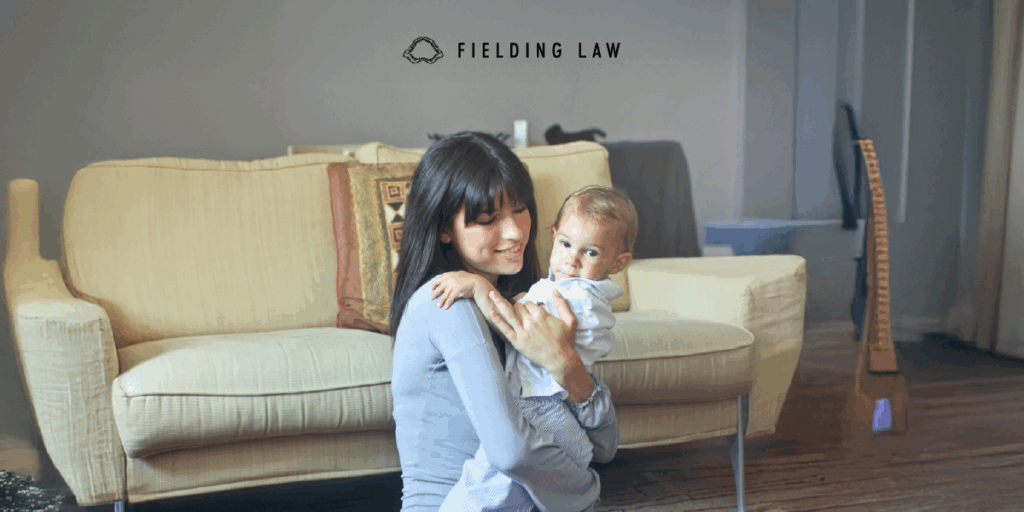
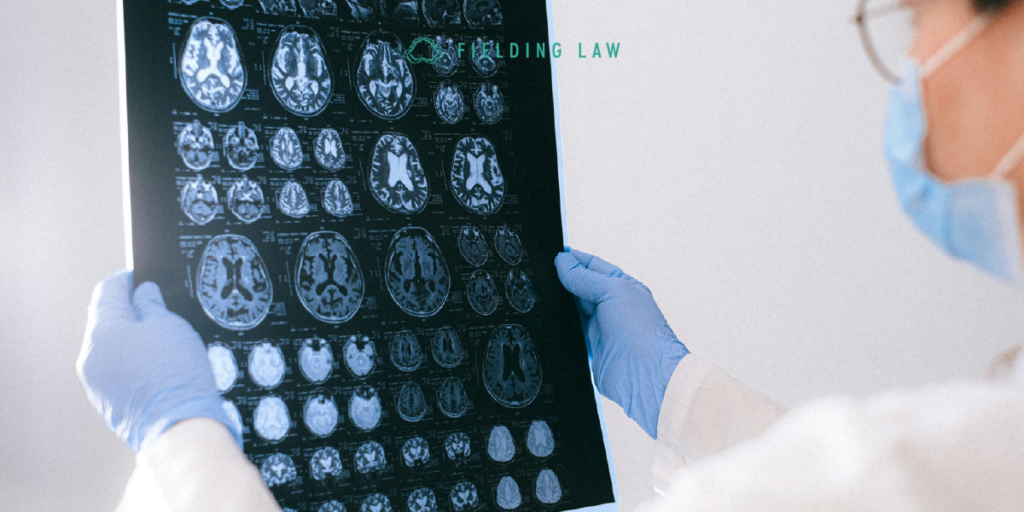
Doctor looking at a brain scan

What is a TBI?

By Assault, Bicycle Accident, Brain Injury (TBI), Car Accident, Catastrophic Injury, Pedestrian Accident, Personal Injury, Slip or Trip and Fall, Spinal Cord Injury, Wrongful Death

Understanding Traumatic Brain Injuries

A traumatic brain injury (TBI) happens when an external force injures the brain. TBIs can range from mild, like a concussion, to severe injuries that significantly affect cognitive and physical abilities. Even a mild TBI can change your life if it is not properly treated.

TBIs disrupt normal brain function, and symptoms can appear immediately or develop over time. Common signs include headaches, dizziness, nausea, memory problems, trouble concentrating, mood swings, and fatigue. Severe TBIs may cause seizures, loss of consciousness, speech difficulties, or permanent cognitive and physical impairment.

Causes of Traumatic Brain Injuries

TBIs can occur in many situations, often involving accidents or sudden trauma. Common causes include:

In many cases, negligence contributes to TBIs. For example, a driver running a red light or a property owner failing to maintain safe conditions can make them legally responsible for the injury.

Short-Term and Long-Term Effects

The effects of a TBI depend on its severity and location in the brain. Mild TBIs may result in temporary symptoms that improve with rest and rehabilitation. Moderate or severe TBIs may lead to long-term challenges, including:

  • Cognitive impairments such as memory loss or difficulty concentrating

  • Physical limitations such as weakness, loss of coordination, or vision problems

  • Emotional and behavioral changes, including depression, anxiety, or irritability

  • Sleep disturbances or chronic fatigue

Understanding these effects is important for recovery and legal claims because they directly affect quality of life and potential compensation.

Seeking Medical Attention

Prompt medical evaluation is critical after any head injury. A physician can diagnose the severity of the TBI using imaging tests, neurological exams, and cognitive assessments. Proper medical documentation is also essential for pursuing a personal injury claim, as it provides evidence of the injury and its impact.

How a Traumatic Brain Injury Lawyer Can Help

A traumatic brain injury lawyer can assist in navigating the legal process and help you seek compensation for medical treatment, lost wages, rehabilitation, and pain and suffering. They will:

  • Investigate the circumstances surrounding your injury

  • Gather medical records, witness statements, and accident reports

  • Negotiate with insurance companies to ensure a fair settlement

  • Represent you in court if necessary

Why Hire Fielding Law

At Fielding Law, we combine empathy and expertise to support clients who have suffered TBIs. We guide each client through the legal process while prioritizing their recovery and well-being. If you or a loved one has experienced a traumatic brain injury, contact Fielding Law or call 833.88.SHARK to discuss your case and explore your options.

Note: Information provided is for educational purposes and does not constitute legal advice. Always consult with a qualified attorney for legal concerns.
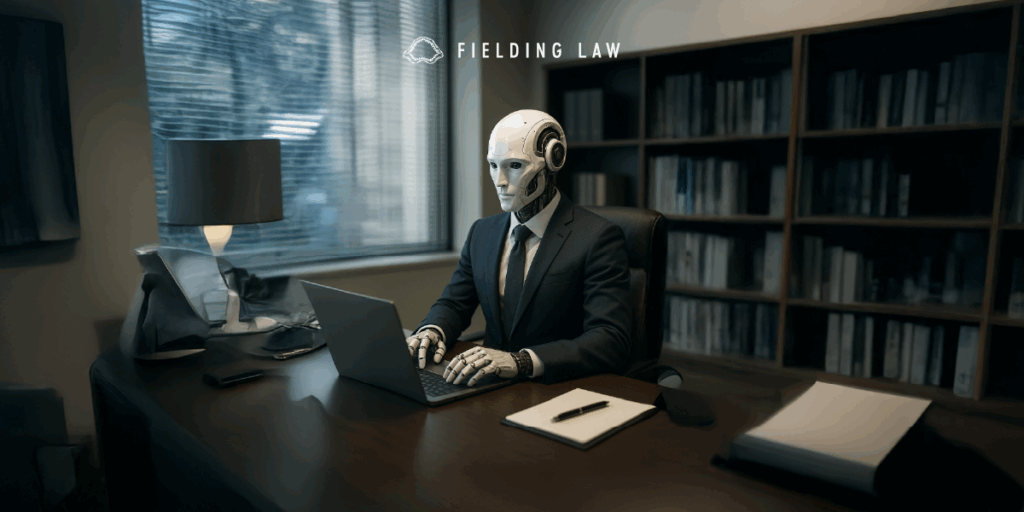
Robot dressed as a lawyer sitting at a desk

ChatGPT Stops Legal Advice

By Assault, Bicycle Accident, Boating Accident, Brain Injury (TBI), Burn Injury, Bus Accident, Car Accident, Catastrophic Injury, Dog / Animal Bite, E-Bikes and E-Scooters, Motorcycle Accident, Pedestrian Accident, Personal Injury, Personal Watercraft (PWC) Accident, Premises Liability, Product Liability, Public Entity, Rideshare Accident, RV Accident, Sexual Assault & Abuse, Skate & Skateboarding Accident, Ski & Snowboard Accident, Slip or Trip and Fall, Spinal Cord Injury, Train Accident, Truck Accident, Wrongful Death

Recent reporting shows that ChatGPT will no longer offer legal or medical advice in the way users may expect. According to an article on Caliber.az, the update to OpenAI’s usage policies was published October 29 2025. 

This development matters more than just a technical policy change: it serves as a reminder that when you face injuries, rights, or liability, you need a trained attorney—not just a chatbot.

What changed in the policy update

The new usage terms state that ChatGPT (and related services) may not be used for the “provision of tailored advice that requires a license, such as legal or medical advice, without appropriate involvement by a licensed professional.” 
The update went into effect on October 29 2025.

Why did this change occur? Several key factors:

  • Growing concern over liability when users rely on AI for high-stakes decisions.

  • The need to clearly distinguish between general information and personalized advice.

  • Regulatory pressure and the desire by OpenAI to define safe boundaries in legal and medical contexts.

In short, the update clarifies that ChatGPT is meant for general information rather than individualized legal strategy. It does not mean AI is completely barred from discussing legal topics—it means AI should not act as your lawyer.

Why this matters

AI tools can be very helpful for learning basic concepts or exploring ideas. However, they cannot replace the role of a licensed attorney in an injury case. Consider these facts:

  • ChatGPT cannot guarantee attorney-client privilege or confidentiality.

  • It cannot negotiate with insurance companies, handle state-specific statutes, or manage future medical needs.

  • The law in California and Arizona for personal injury cases contains complex rules around negligence, damages, statute of limitations, and more.

Why a skilled attorney matters

A licensed attorney does more than give information. They provide strategy, advocacy, and protection:

  • They understand state-specific laws and personal injury regulations.

  • They create legal strategies specific to your injuries and recovery.

  • They handle insurance negotiations to protect your rights.

  • They manage deadlines, paperwork, and complex legal processes.

  • They prevent mistakes that could reduce compensation.

  • They offer guidance, support, and professionalism throughout the case.

How does this affect your case

If you are injured in a bicycle accident, car crash, slip, trip, and fall, or bitten by a dog in California or Arizona, relying on ChatGPT legal advice is risky. Only a qualified attorney can review your case, explain your rights, and help you recover fair compensation.

Why hire Fielding Law

At Fielding Law, client service is our priority. We improve the lives of each client through ethical and efficient representation. Every case is handled with care, clarity, and commitment. When you need a knowledgeable advocate who cares, we are here.

Call 833.88.SHARK for a free consultation if you or a loved one has been injured.

The end of ChatGPT legal advice highlights a simple truth: AI cannot replace a skilled attorney. Professional guidance protects your rights, guides your case, and maximizes your recovery in personal injury matters.

Note: Information provided is for educational purposes and does not constitute legal advice. Always consult with a qualified attorney for legal concerns.
Phone with social media apps

Should Social Media Platforms Be Private After an Accident?

By Assault, Bicycle Accident, Boating Accident, Brain Injury (TBI), Burn Injury, Bus Accident, Car Accident, Catastrophic Injury, Dog / Animal Bite, E-Bikes and E-Scooters, Motorcycle Accident, Pedestrian Accident, Personal Injury, Personal Watercraft (PWC) Accident, Premises Liability, Product Liability, Public Entity, Rideshare Accident, RV Accident, Sexual Assault & Abuse, Skate & Skateboarding Accident, Ski & Snowboard Accident, Slip or Trip and Fall, Spinal Cord Injury, Train Accident, Truck Accident, Wrongful Death

Should Social Media Platforms Be Private After an Accident?

After an accident, protecting your social media privacy is more important than most people realize. What you share online can easily be used against you in your personal injury claim. Adjusters, defense attorneys, and even investigators may review your posts for anything that contradicts your statements about injuries or damages.

How Social Media Can Affect Your Case

Photos, status updates, and comments can all be taken out of context. A picture of you smiling at a family gathering could be used to question the severity of your pain. Even casual remarks might seem harmless but can harm your case if they appear inconsistent. Therefore, it is wise to avoid posting about the accident, your injuries, or your recovery process until your case is resolved.

Insurance Companies and Social Media

Insurance companies use social media to gather evidence that benefits them, not you. They may look at your profiles, tagged photos, and comments to find anything that reduces your settlement value. Even private accounts can be accessed through mutual connections or screenshots shared by others.

To protect your social media privacy after an accident, review your privacy settings, limit new friend requests, and think carefully before sharing content.

Tips for Protecting Your Privacy

If you want to maintain control over your online presence, consider these steps:

  • Set all accounts to private and review who can see your posts.

  • Avoid discussing the accident, your injuries, or your case online.

  • Ask friends and family not to tag you in photos or posts.

  • Avoid checking in at locations that could suggest you are active or uninjured.

  • Save all relevant messages or posts in case your attorney needs them later.

By following these steps, you can reduce the risk of your social media activity being used against you.

Social Media Platforms

Social media privacy after an accident can make a significant difference in how your case unfolds. Platforms like Facebook, Instagram, X (formerly Twitter), TikTok, LinkedIn, and Snapchat can unintentionally reveal information about your daily activities, friends, or location. Set your accounts to private and limit who can see your posts. Restrict story viewers, turn off tagging, and disable location features to prevent others from connecting you to places or events that could appear inconsistent with your injuries.

Messaging and Communication Apps

Private messages are not always truly private. After an accident, avoid discussing details about your injuries or claim in WhatsApp, Messenger, Telegram, Discord, Reddit, or group chats. Keep usernames anonymous when possible, and remember that messages can easily be screenshotted or shared. It is best to limit conversations about your case to trusted sources and your attorney.

Financial and Payment Apps

Few people realize that payment apps can pose risks to social media privacy after an accident. Apps like Venmo, PayPal, Cash App, and Zelle often show payees, amounts, and comments that may appear public. Set transactions to private, review past activity, and avoid adding descriptive notes that mention outings, purchases, or events. Even small details can be taken out of context by insurance adjusters or defense attorneys.

Location and Fitness Apps

Fitness and location apps can also compromise your privacy. Platforms such as Strava, Fitbit, Apple Fitness, and Google Maps can show your movements, activity levels, and location history. Disable location sharing, turn off automatic check-ins, and review old data to protect your social media privacy after an accident. Limiting this information helps prevent others from making assumptions about your physical condition.

Content Sharing and Storage

Shared albums and online storage can reveal more than you intend. Services like Google Photos, iCloud, Dropbox, YouTube, and Pinterest often include location data and timestamps. Keep albums and boards private, remove metadata from photos, and share only with trusted individuals. This extra step can prevent your personal content from being taken out of context.

Shopping and Membership Accounts

Even accounts unrelated to your case can affect your privacy. Amazon wish lists, gym check-ins, and subscription services can provide insight into your daily life and physical activities. Review what is public and disable any sharing features. Protecting your digital footprint strengthens your overall privacy after an accident.

Email and Cloud Services

Your email and cloud storage may contain sensitive medical or legal information. Use strong passwords and enable two-factor authentication. Review shared folders, permissions, and forwarding rules to make sure only trusted contacts can access your information.

Quick Checklist After an Accident

  • Set social media accounts to private

  • Restrict story viewers and friends lists

  • Disable location sharing and geotags

  • Make payment app transactions private

  • Review cloud storage and shared albums

  • Enable two-factor authentication

  • Avoid discussing your accident or injuries online

Why Hire Fielding Law

At Fielding Law, we understand how social media can impact your personal injury case. Our compassionate attorneys guide clients through every step of the process, including protecting their online privacy. We are committed to helping accident victims in Arizona and California receive fair compensation while safeguarding their rights.

If you have questions about social media privacy after an accident, contact Fielding Law today. Call 833.88.SHARK to schedule a free consultation and let our team provide the support and legal insight you need.

Note: Information provided is for educational purposes and does not constitute legal advice. Always consult with a qualified attorney for legal concerns.
Creepy person standing in the dark with a light behind them

Universal’s Halloween Horror Nights: I Signed a Waiver — Can I Still Make a Claim?

By Assault, Personal Injury, Premises Liability, Slip or Trip and Fall

Understanding Waivers at Halloween Horror Nights

Universal’s Halloween Horror Nights is one of the most popular and thrilling Halloween events. Many attendees love the scares and immersive experiences. However, before entering, guests often must sign waivers or agreements meant to limit the park’s liability.

But what does signing a waiver really mean? Does it prevent you from making a legal claim if you get injured during the event?

What Is a Waiver?

A waiver is a legal document where you acknowledge certain risks and agree to give up the right to sue for injuries resulting from those risks. These are common at high-risk events, like haunted houses or extreme amusement park attractions.

Waivers Do Not Always Bar Claims

If negligence or misconduct caused your injury, an experienced Halloween Horror Nights injury lawyer can help determine whether you have a case despite signing a waiver. In California and Arizona, waivers generally do not protect companies from liability for:

  • Gross negligence (extreme carelessness or reckless conduct)

  • Intentional harm

  • Defective equipment or unsafe premises beyond assumed risks

If your injury was caused by the event’s negligence—such as poor maintenance, inadequate safety measures, or employee misconduct—a waiver may not fully protect Universal Studios.

Common Injuries at Halloween Horror Nights

While many visitors enjoy the excitement safely, injuries can and do happen. Some common types of injuries reported at Halloween Horror Nights include:

If you experienced one of these injuries or another harm during the event, a Halloween Horror Nights injury lawyer can help evaluate your case.

What Should You Do If You Are Injured?

If you were hurt at Halloween Horror Nights despite signing a waiver, it is important to:

A skilled lawyer can review your waiver and circumstances to determine if you still have a valid claim.

Why Hire Fielding Law

If you or a loved one suffered an injury at Universal’s Halloween Horror Nights, do not assume the waiver ends your legal options. Fielding Law has experience handling event injury claims in California and Arizona. We provide kind, capable guidance through this complex area of law. To discuss your case, call 833.88.SHARK today.

Note: Information provided is for educational purposes and does not constitute legal advice. Always consult with a qualified attorney for legal concerns.

robot hand holding a glass globe

Can AI Replace Lawyers?

By Assault, Bicycle Accident, Boating Accident, Brain Injury (TBI), Burn Injury, Bus Accident, Car Accident, Catastrophic Injury, Dog / Animal Bite, E-Bikes and E-Scooters, Motorcycle Accident, Pedestrian Accident, Personal Injury, Personal Watercraft (PWC) Accident, Premises Liability, Product Liability, Public Entity, Rideshare Accident, RV Accident, Sexual Assault & Abuse, Skate & Skateboarding Accident, Ski & Snowboard Accident, Slip or Trip and Fall, Spinal Cord Injury, Train Accident, Truck Accident, Wrongful Death

Can You Replace a Lawyer With AI?

Artificial intelligence tools like Chat GPT are gaining popularity. They can draft documents, explain legal concepts, and summarize laws. Some people now believe they can replace a lawyer with AI and handle legal issues on their own. This is misleading and risky. Legal cases require human advocacy, judgment, and compassion that AI cannot provide.

What AI Can and Cannot Do

AI Can:
  • Explain general legal ideas and procedures

  • Summarize statutes and regulations

  • Draft basic templates or documents

  • Suggest broad next steps

AI Cannot:
  • Provide personalized advice specific to your case

  • Investigate evidence or interview witnesses

  • Navigate complex California or Arizona laws

  • Represent you in court or negotiate with insurers

  • Offer strategy, empathy, or advocacy

Attempting to replace a lawyer with AI may result in missed deadlines, weak claims, or reduced compensation.

What Fielding Law Provides That AI Cannot

Personalized Legal Guidance

Our attorneys study every detail of your case and create strategies tailored to your circumstances.

Thorough Investigation

We gather evidence, interview witnesses, and build strong claims that AI tools cannot manage.

Negotiation and Advocacy

We handle insurance companies and opposing parties with proven negotiation skills and legal experience.

Courtroom Representation

If needed, we fight for you in court, file motions, and adjust strategies in real time.

Compassionate Support

We understand how stressful injuries are. Our team provides clear communication and empathy throughout the process.

Why Real Lawyers Matter

Legal representation requires strategy, adaptability, and human insight. Trying to replace a lawyer with AI leaves you without proper protection.

Why Hire Fielding Law

At Fielding Law, we combine experience, compassion, and skill to protect your rights. We fight for fair compensation and support clients every step of the way. Technology can assist, but it cannot replace a real lawyer.

Call 833.88.SHARK today for a Free Consultation and experience the difference of true legal advocacy.

Note: Information provided is for educational purposes and does not constitute legal advice. Always consult with a qualified attorney for legal concerns.

Close Menu