Category

Assault

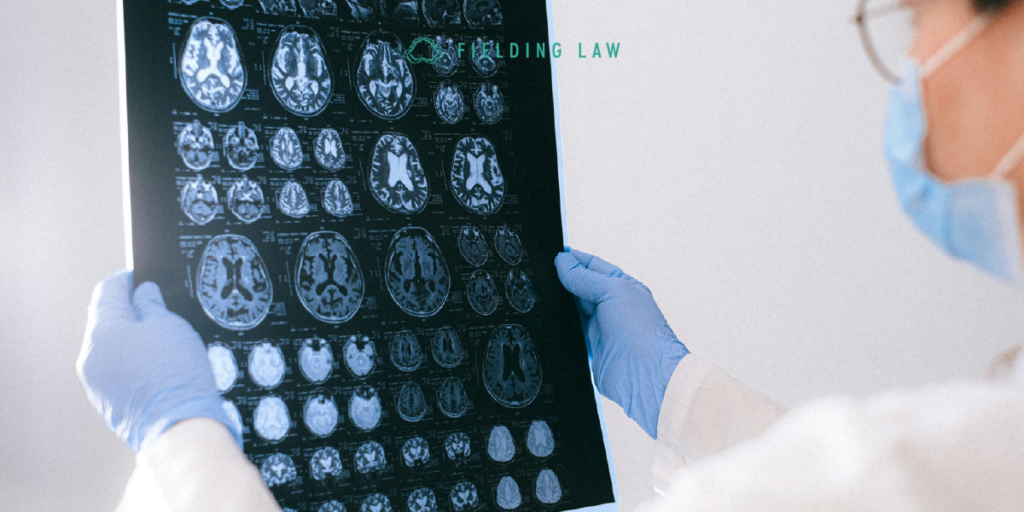
Doctor looking at a brain scan

What is a TBI?

By Assault, Bicycle Accident, Brain Injury (TBI), Car Accident, Catastrophic Injury, Pedestrian Accident, Personal Injury, Slip or Trip and Fall, Spinal Cord Injury, Wrongful Death

Understanding Traumatic Brain Injuries

A traumatic brain injury (TBI) happens when an external force injures the brain. TBIs can range from mild, like a concussion, to severe injuries that significantly affect cognitive and physical abilities. Even a mild TBI can change your life if it is not properly treated.

TBIs disrupt normal brain function, and symptoms can appear immediately or develop over time. Common signs include headaches, dizziness, nausea, memory problems, trouble concentrating, mood swings, and fatigue. Severe TBIs may cause seizures, loss of consciousness, speech difficulties, or permanent cognitive and physical impairment.

Causes of Traumatic Brain Injuries

TBIs can occur in many situations, often involving accidents or sudden trauma. Common causes include:

In many cases, negligence contributes to TBIs. For example, a driver running a red light or a property owner failing to maintain safe conditions can make them legally responsible for the injury.

Short-Term and Long-Term Effects

The effects of a TBI depend on its severity and location in the brain. Mild TBIs may result in temporary symptoms that improve with rest and rehabilitation. Moderate or severe TBIs may lead to long-term challenges, including:

  • Cognitive impairments such as memory loss or difficulty concentrating

  • Physical limitations such as weakness, loss of coordination, or vision problems

  • Emotional and behavioral changes, including depression, anxiety, or irritability

  • Sleep disturbances or chronic fatigue

Understanding these effects is important for recovery and legal claims because they directly affect quality of life and potential compensation.

Seeking Medical Attention

Prompt medical evaluation is critical after any head injury. A physician can diagnose the severity of the TBI using imaging tests, neurological exams, and cognitive assessments. Proper medical documentation is also essential for pursuing a personal injury claim, as it provides evidence of the injury and its impact.

How a Traumatic Brain Injury Lawyer Can Help

A traumatic brain injury lawyer can assist in navigating the legal process and help you seek compensation for medical treatment, lost wages, rehabilitation, and pain and suffering. They will:

  • Investigate the circumstances surrounding your injury

  • Gather medical records, witness statements, and accident reports

  • Negotiate with insurance companies to ensure a fair settlement

  • Represent you in court if necessary

Why Hire Fielding Law

At Fielding Law, we combine empathy and expertise to support clients who have suffered TBIs. We guide each client through the legal process while prioritizing their recovery and well-being. If you or a loved one has experienced a traumatic brain injury, contact Fielding Law or call 833.88.SHARK to discuss your case and explore your options.

Note: Information provided is for educational purposes and does not constitute legal advice. Always consult with a qualified attorney for legal concerns.

Robot dressed as a lawyer sitting at a desk

ChatGPT Stops Legal Advice

By Assault, Bicycle Accident, Boating Accident, Brain Injury (TBI), Burn Injury, Bus Accident, Car Accident, Catastrophic Injury, Dog / Animal Bite, E-Bikes and E-Scooters, Motorcycle Accident, Pedestrian Accident, Personal Injury, Personal Watercraft (PWC) Accident, Premises Liability, Product Liability, Public Entity, Rideshare Accident, RV Accident, Sexual Assault & Abuse, Skate & Skateboarding Accident, Ski & Snowboard Accident, Slip or Trip and Fall, Spinal Cord Injury, Train Accident, Truck Accident, Wrongful Death

Recent reporting shows that ChatGPT will no longer offer legal or medical advice in the way users may expect. According to an article on Caliber.az, the update to OpenAI’s usage policies was published October 29 2025. 

This development matters more than just a technical policy change: it serves as a reminder that when you face injuries, rights, or liability, you need a trained attorney—not just a chatbot.

What changed in the policy update

The new usage terms state that ChatGPT (and related services) may not be used for the “provision of tailored advice that requires a license, such as legal or medical advice, without appropriate involvement by a licensed professional.” 
The update went into effect on October 29 2025.

Why did this change occur? Several key factors:

  • Growing concern over liability when users rely on AI for high-stakes decisions.

  • The need to clearly distinguish between general information and personalized advice.

  • Regulatory pressure and the desire by OpenAI to define safe boundaries in legal and medical contexts.

In short, the update clarifies that ChatGPT is meant for general information rather than individualized legal strategy. It does not mean AI is completely barred from discussing legal topics—it means AI should not act as your lawyer.

Why this matters

AI tools can be very helpful for learning basic concepts or exploring ideas. However, they cannot replace the role of a licensed attorney in an injury case. Consider these facts:

  • ChatGPT cannot guarantee attorney-client privilege or confidentiality.

  • It cannot negotiate with insurance companies, handle state-specific statutes, or manage future medical needs.

  • The law in California and Arizona for personal injury cases contains complex rules around negligence, damages, statute of limitations, and more.

Why a skilled attorney matters

A licensed attorney does more than give information. They provide strategy, advocacy, and protection:

  • They understand state-specific laws and personal injury regulations.

  • They create legal strategies specific to your injuries and recovery.

  • They handle insurance negotiations to protect your rights.

  • They manage deadlines, paperwork, and complex legal processes.

  • They prevent mistakes that could reduce compensation.

  • They offer guidance, support, and professionalism throughout the case.

How does this affect your case

If you are injured in a bicycle accident, car crash, slip, trip, and fall, or bitten by a dog in California or Arizona, relying on ChatGPT legal advice is risky. Only a qualified attorney can review your case, explain your rights, and help you recover fair compensation.

Why hire Fielding Law

At Fielding Law, client service is our priority. We improve the lives of each client through ethical and efficient representation. Every case is handled with care, clarity, and commitment. When you need a knowledgeable advocate who cares, we are here.

Call 833.88.SHARK for a free consultation if you or a loved one has been injured.

The end of ChatGPT legal advice highlights a simple truth: AI cannot replace a skilled attorney. Professional guidance protects your rights, guides your case, and maximizes your recovery in personal injury matters.

Note: Information provided is for educational purposes and does not constitute legal advice. Always consult with a qualified attorney for legal concerns.

Phone with social media apps

Should Social Media Platforms Be Private After an Accident?

By Assault, Bicycle Accident, Boating Accident, Brain Injury (TBI), Burn Injury, Bus Accident, Car Accident, Catastrophic Injury, Dog / Animal Bite, E-Bikes and E-Scooters, Motorcycle Accident, Pedestrian Accident, Personal Injury, Personal Watercraft (PWC) Accident, Premises Liability, Product Liability, Public Entity, Rideshare Accident, RV Accident, Sexual Assault & Abuse, Skate & Skateboarding Accident, Ski & Snowboard Accident, Slip or Trip and Fall, Spinal Cord Injury, Train Accident, Truck Accident, Wrongful Death

Should Social Media Platforms Be Private After an Accident?

After an accident, protecting your social media privacy is more important than most people realize. What you share online can easily be used against you in your personal injury claim. Adjusters, defense attorneys, and even investigators may review your posts for anything that contradicts your statements about injuries or damages.

How Social Media Can Affect Your Case

Photos, status updates, and comments can all be taken out of context. A picture of you smiling at a family gathering could be used to question the severity of your pain. Even casual remarks might seem harmless but can harm your case if they appear inconsistent. Therefore, it is wise to avoid posting about the accident, your injuries, or your recovery process until your case is resolved.

Insurance Companies and Social Media

Insurance companies use social media to gather evidence that benefits them, not you. They may look at your profiles, tagged photos, and comments to find anything that reduces your settlement value. Even private accounts can be accessed through mutual connections or screenshots shared by others.

To protect your social media privacy after an accident, review your privacy settings, limit new friend requests, and think carefully before sharing content.

Tips for Protecting Your Privacy

If you want to maintain control over your online presence, consider these steps:

  • Set all accounts to private and review who can see your posts.

  • Avoid discussing the accident, your injuries, or your case online.

  • Ask friends and family not to tag you in photos or posts.

  • Avoid checking in at locations that could suggest you are active or uninjured.

  • Save all relevant messages or posts in case your attorney needs them later.

By following these steps, you can reduce the risk of your social media activity being used against you.

Social Media Platforms

Social media privacy after an accident can make a significant difference in how your case unfolds. Platforms like Facebook, Instagram, X (formerly Twitter), TikTok, LinkedIn, and Snapchat can unintentionally reveal information about your daily activities, friends, or location. Set your accounts to private and limit who can see your posts. Restrict story viewers, turn off tagging, and disable location features to prevent others from connecting you to places or events that could appear inconsistent with your injuries.

Messaging and Communication Apps

Private messages are not always truly private. After an accident, avoid discussing details about your injuries or claim in WhatsApp, Messenger, Telegram, Discord, Reddit, or group chats. Keep usernames anonymous when possible, and remember that messages can easily be screenshotted or shared. It is best to limit conversations about your case to trusted sources and your attorney.

Financial and Payment Apps

Few people realize that payment apps can pose risks to social media privacy after an accident. Apps like Venmo, PayPal, Cash App, and Zelle often show payees, amounts, and comments that may appear public. Set transactions to private, review past activity, and avoid adding descriptive notes that mention outings, purchases, or events. Even small details can be taken out of context by insurance adjusters or defense attorneys.

Location and Fitness Apps

Fitness and location apps can also compromise your privacy. Platforms such as Strava, Fitbit, Apple Fitness, and Google Maps can show your movements, activity levels, and location history. Disable location sharing, turn off automatic check-ins, and review old data to protect your social media privacy after an accident. Limiting this information helps prevent others from making assumptions about your physical condition.

Content Sharing and Storage

Shared albums and online storage can reveal more than you intend. Services like Google Photos, iCloud, Dropbox, YouTube, and Pinterest often include location data and timestamps. Keep albums and boards private, remove metadata from photos, and share only with trusted individuals. This extra step can prevent your personal content from being taken out of context.

Shopping and Membership Accounts

Even accounts unrelated to your case can affect your privacy. Amazon wish lists, gym check-ins, and subscription services can provide insight into your daily life and physical activities. Review what is public and disable any sharing features. Protecting your digital footprint strengthens your overall privacy after an accident.

Email and Cloud Services

Your email and cloud storage may contain sensitive medical or legal information. Use strong passwords and enable two-factor authentication. Review shared folders, permissions, and forwarding rules to make sure only trusted contacts can access your information.

Quick Checklist After an Accident

  • Set social media accounts to private

  • Restrict story viewers and friends lists

  • Disable location sharing and geotags

  • Make payment app transactions private

  • Review cloud storage and shared albums

  • Enable two-factor authentication

  • Avoid discussing your accident or injuries online

Why Hire Fielding Law

At Fielding Law, we understand how social media can impact your personal injury case. Our compassionate attorneys guide clients through every step of the process, including protecting their online privacy. We are committed to helping accident victims in Arizona and California receive fair compensation while safeguarding their rights.

If you have questions about social media privacy after an accident, contact Fielding Law today. Call 833.88.SHARK to schedule a free consultation and let our team provide the support and legal insight you need.

Note: Information provided is for educational purposes and does not constitute legal advice. Always consult with a qualified attorney for legal concerns.

Creepy person standing in the dark with a light behind them

Universal’s Halloween Horror Nights: I Signed a Waiver — Can I Still Make a Claim?

By Assault, Personal Injury, Premises Liability, Slip or Trip and Fall

Understanding Waivers at Halloween Horror Nights

Universal’s Halloween Horror Nights is one of the most popular and thrilling Halloween events. Many attendees love the scares and immersive experiences. However, before entering, guests often must sign waivers or agreements meant to limit the park’s liability.

But what does signing a waiver really mean? Does it prevent you from making a legal claim if you get injured during the event?

What Is a Waiver?

A waiver is a legal document where you acknowledge certain risks and agree to give up the right to sue for injuries resulting from those risks. These are common at high-risk events, like haunted houses or extreme amusement park attractions.

Waivers Do Not Always Bar Claims

If negligence or misconduct caused your injury, an experienced Halloween Horror Nights injury lawyer can help determine whether you have a case despite signing a waiver. In California and Arizona, waivers generally do not protect companies from liability for:

  • Gross negligence (extreme carelessness or reckless conduct)

  • Intentional harm

  • Defective equipment or unsafe premises beyond assumed risks

If your injury was caused by the event’s negligence—such as poor maintenance, inadequate safety measures, or employee misconduct—a waiver may not fully protect Universal Studios.

Common Injuries at Halloween Horror Nights

While many visitors enjoy the excitement safely, injuries can and do happen. Some common types of injuries reported at Halloween Horror Nights include:

If you experienced one of these injuries or another harm during the event, a Halloween Horror Nights injury lawyer can help evaluate your case.

What Should You Do If You Are Injured?

If you were hurt at Halloween Horror Nights despite signing a waiver, it is important to:

A skilled lawyer can review your waiver and circumstances to determine if you still have a valid claim.

Why Hire Fielding Law

If you or a loved one suffered an injury at Universal’s Halloween Horror Nights, do not assume the waiver ends your legal options. Fielding Law has experience handling event injury claims in California and Arizona. We provide kind, capable guidance through this complex area of law. To discuss your case, call 833.88.SHARK today.

Note: Information provided is for educational purposes and does not constitute legal advice. Always consult with a qualified attorney for legal concerns.

robot hand holding a glass globe

Can AI Replace Lawyers?

By Assault, Bicycle Accident, Boating Accident, Brain Injury (TBI), Burn Injury, Bus Accident, Car Accident, Catastrophic Injury, Dog / Animal Bite, E-Bikes and E-Scooters, Motorcycle Accident, Pedestrian Accident, Personal Injury, Personal Watercraft (PWC) Accident, Premises Liability, Product Liability, Public Entity, Rideshare Accident, RV Accident, Sexual Assault & Abuse, Skate & Skateboarding Accident, Ski & Snowboard Accident, Slip or Trip and Fall, Spinal Cord Injury, Train Accident, Truck Accident, Wrongful Death

Can You Replace a Lawyer With AI?

Artificial intelligence tools like Chat GPT are gaining popularity. They can draft documents, explain legal concepts, and summarize laws. Some people now believe they can replace a lawyer with AI and handle legal issues on their own. This is misleading and risky. Legal cases require human advocacy, judgment, and compassion that AI cannot provide.

What AI Can and Cannot Do

AI Can:
  • Explain general legal ideas and procedures

  • Summarize statutes and regulations

  • Draft basic templates or documents

  • Suggest broad next steps

AI Cannot:
  • Provide personalized advice specific to your case

  • Investigate evidence or interview witnesses

  • Navigate complex California or Arizona laws

  • Represent you in court or negotiate with insurers

  • Offer strategy, empathy, or advocacy

Attempting to replace a lawyer with AI may result in missed deadlines, weak claims, or reduced compensation.

What Fielding Law Provides That AI Cannot

Personalized Legal Guidance

Our attorneys study every detail of your case and create strategies tailored to your circumstances.

Thorough Investigation

We gather evidence, interview witnesses, and build strong claims that AI tools cannot manage.

Negotiation and Advocacy

We handle insurance companies and opposing parties with proven negotiation skills and legal experience.

Courtroom Representation

If needed, we fight for you in court, file motions, and adjust strategies in real time.

Compassionate Support

We understand how stressful injuries are. Our team provides clear communication and empathy throughout the process.

Why Real Lawyers Matter

Legal representation requires strategy, adaptability, and human insight. Trying to replace a lawyer with AI leaves you without proper protection.

Why Hire Fielding Law

At Fielding Law, we combine experience, compassion, and skill to protect your rights. We fight for fair compensation and support clients every step of the way. Technology can assist, but it cannot replace a real lawyer.

Call 833.88.SHARK today for a Free Consultation and experience the difference of true legal advocacy.

Note: Information provided is for educational purposes and does not constitute legal advice. Always consult with a qualified attorney for legal concerns.

Dark parking lot with negligent lighting and lack of security. It has a creepy feel

When Property Is Not Safe

By Assault, Personal Injury, Premises Liability, Wrongful Death

What Is Negligent Security?

Negligent security is when someone gets hurt because a property was not properly protected. Property owners have a legal duty to keep their spaces reasonably safe. This means they must take basic steps to help prevent crime or danger. When they fail to do that, and someone is injured, it may be a case for a negligent security lawyer.

If a person is assaulted, robbed, or otherwise harmed because of poor lighting, broken locks, or lack of security staff, the property owner may be responsible. A negligent security lawyer helps victims prove that the injury could have been avoided if the owner had taken proper safety measures.

In Arizona and California, property owners can be held legally accountable for what happens on their property. It is not just about criminal acts. It is also about whether the property owner ignored warning signs, past incidents, or known risks that put others in danger. These cases often involve serious injuries, emotional trauma, and lifelong effects.

If you or a loved one has suffered because of unsafe conditions on someone else’s property, you may have legal options. A negligent security lawyer can guide you through the process and help protect your rights.

Examples of Negligent Security

Some places do not do enough to protect visitors.

This can include:

  • No working lights in parking lots

  • Broken or missing locks

  • No cameras or broken security systems

  • Not trained security staff

  • Ignoring past crimes in the area

If these safety steps are missing and someone gets hurt, the property owner may be responsible.

Where It Can Happen

Negligent security can happen almost anywhere, such as:

  • Apartments

  • Stores or malls

  • Hotels

  • Bars or clubs

  • Concerts or events

  • Parking garages

If you or someone you love was hurt during a crime on someone else’s property, there may be a case.

What you may recover

If you were hurt because a place was unsafe, you might be able to get help for:

A skilled negligent security lawyer will help gather facts and show that the property owner could have done more to prevent your injury.

If you are unsure where to start, speaking with a negligent security lawyer can help you understand your options and protect your rights.

Why Choose Fielding Law

Getting hurt because a place was not safe can change your life. But you do not have to go through it alone. In both California and Arizona, unsafe property owners can be held accountable.

At Fielding Law, we listen, we care, and we act. Our team takes the time to understand your story and fight for what is fair. If you or a loved one has been hurt, call Fielding Law at 833.88.SHARK. We will help you move forward with strength, support, and compassion.

You Deserve Protection

Your safety matters. Whether you were shopping, working, or just visiting a location, you had the right to be protected. When that trust is broken, legal action may be the first step toward healing. You do not have to settle for silence. You have options—and Fielding Law is here to help.

Note: Information provided is for educational purposes and does not constitute legal advice. Always consult with a qualified attorney for legal concerns.

Lady Justice statue in mediation room with a white chair in the background

Seeking Justice for Gabby Petito: Domestic Violence Awareness

By Assault, Catastrophic Injury, Personal Injury, Wrongful Death

Domestic violence is a heartbreaking issue that affects countless individuals each year. The tragic story of Gabby Petito has sparked renewed conversations about domestic violence, shining a spotlight on the need for increased awareness and action. As we continue to reflect on Gabby’s case, it is crucial to understand how Gabby Petito domestic violence awareness can lead to better legal advocacy and support for victims. Personal injury attorneys play an important role in helping those affected by domestic violence seek justice, healing, and compensation.

How Domestic Violence Can Be a Personal Injury Case

Domestic violence is not only about physical harm—it also involves emotional, psychological, and financial abuse. Personal injury law covers a wide range of injuries, including those caused by domestic violence. Here’s how a domestic violence case could be treated as a personal injury case:

  • Physical Injuries: Victims of domestic violence often suffer physical injuries, such as bruises, broken bones, and even life-threatening injuries. These can result in medical bills, lost wages, and ongoing pain.

  • Emotional and Psychological Damages: Abuse often leads to long-term emotional trauma, including anxiety, depression, and PTSD. These psychological injuries are just as significant as physical ones and can be compensated in personal injury claims.

  • Financial Losses: Victims may face financial hardship due to their inability to work, medical treatment costs, and other expenses related to their recovery. Personal injury claims can help cover these financial losses.

  • Negligence: In some cases, the abuse may have been preventable or the result of the abuser’s recklessness. For example, if the abuser was aware that their actions could harm the victim and failed to stop, a personal injury claim could be based on their negligence.

The Gabby Petito Case

Gabby Petito’s tragic case highlights the devastating effects of domestic violence and the need for legal intervention. Gabby’s story, involving her abusive relationship with her fiancé, Brian Laundrie, reminds us of the critical need for protection, legal resources, and justice for those suffering from abuse. While Gabby’s case ended in wrongful death, the personal injuries she endured throughout her relationship with Laundrie could have warranted a personal injury claim had she survived and sought justice.

Why Hire Fielding Law

This case has brought Gabby Petito domestic violence awareness to the forefront, reminding us of the critical importance of legal intervention for victims of abuse. Personal injury attorneys can offer essential support, ensuring that victims receive the compensation, protection, and justice they deserve. If you or someone you know is experiencing domestic violence, do not hesitate to reach out to Fielding Law at 833.88.SHARK. Our team is dedicated to providing compassionate and capable legal assistance during this difficult time.

Note: Information provided is for educational purposes and does not constitute legal advice. Always consult with a qualified attorney for legal concerns.

Spring break gear at the pool sitting on a chair. Including white hat, sunglasses, digital book reader, towel.

Top 15 Spring Break Destinations & Common Injuries

By Assault, Car Accident, Personal Injury, Personal Watercraft (PWC) Accident, Ski & Snowboard Accident, Slip or Trip and Fall

Spring Break is a time for relaxation and adventure, whether it is lounging on a beach, exploring a new city, or hitting the slopes. However, with the increase in travel and recreational activities, accidents and injuries also rise during this time of year. Knowing the risks associated with popular Spring Break destinations can help travelers stay safe and understand their legal rights if an accident occurs.

Top 15 Spring Break Destinations

  1. Miami, Florida – Known for its vibrant nightlife, South Beach, and warm weather, Miami is a top Spring Break destination.
  2. Cancún, Mexico – A popular international choice, Cancún offers all-inclusive resorts, white sand beaches, and lively parties.
  3. Las Vegas, Nevada – With its casinos, entertainment, and pool parties, Las Vegas remains a Spring Break hotspot.
  4. Orlando, Florida – Home to Walt Disney World and Universal Studios, Orlando is a favorite for families and thrill-seekers.
  5. San Diego, California – With its beaches, city attractions, and outdoor adventures, San Diego appeals to all types of travelers.
  6. South Padre Island, Texas – Known for its Gulf Coast beaches and party scene, this destination attracts many college students.
  7. New Orleans, Louisiana – The city’s music, culture, and festive atmosphere make it a unique Spring Break option.
  8. Lake Havasu, Arizona – Popular for boating and water sports, Lake Havasu is a top pick for Spring Breakers looking for adventure.
  9. Los Angeles, California – The combination of beaches, Hollywood attractions, and nightlife makes Los Angeles a top destination.
  10. Panama City Beach, Florida – Previously known as the “Spring Break Capital of the World,” this beach town still draws many visitors.
  11. Puerto Rico – Offering beautiful beaches and a lively nightlife, Puerto Rico is a convenient destination for U.S. travelers.
  12. Denver, Colorado – For those who prefer the mountains over the beach, Denver is a gateway to top ski and snowboarding resorts.
  13. Gulf Shores, Alabama – A quieter alternative to Florida, Gulf Shores offers beaches and outdoor activities.
  14. Nashville, Tennessee – With live music, great food, and a lively downtown, Nashville is becoming a popular Spring Break destination.
  15. Scottsdale, Arizona – Known for its luxury resorts, warm weather, and golf courses, Scottsdale is ideal for a relaxing getaway.

Common Spring Break Injuries and Statistics

While Spring Break is a time for fun, it also comes with an increased risk of accidents. Some of the most common injuries include:

  • Car Accidents – Increased traffic, unfamiliar roads, and impaired driving contribute to a spike in crashes. According to the National Highway Traffic Safety Administration (NHTSA), fatal drunk driving accidents increase by nearly 23 percent during Spring Break.
  • Slip and Falls – Hotels, nightclubs, and pools can present hazardous conditions, leading to serious injuries.
  • Boating and Water Accidents – Destinations with lakes and beaches see a rise in boating accidents, jet ski crashes, and drowning incidents. The U.S. Coast Guard reports that alcohol is the leading cause of fatal boating accidents.
  • Alcohol-Related Injuries – A study by the Centers for Disease Control and Prevention (CDC) found that excessive drinking during Spring Break results in thousands of emergency room visits each year.
  • Ski and Snowboarding Injuries – For those traveling to mountain destinations, injuries from skiing and snowboarding are common, with an estimated 600,000 accidents occurring annually.
  • Assaults and Altercations – Overcrowded party environments often lead to an increase in fights and other violent incidents.

What to Do If You Are Injured on Spring Break

If an accident occurs while traveling, taking the right steps can make a significant difference in protecting your health and legal rights.

Why Hire Fielding Law?

At Fielding Law, we understand how challenging it can be to deal with an injury while away from home. Our team is experienced in handling personal injury claims and can help you pursue compensation for medical bills, lost wages, and pain and suffering. If you or a loved one is injured during Spring Break, call 833.88.SHARK for a free consultation.

Note: Information provided is for educational purposes and does not constitute legal advice. Always consult with a qualified attorney for legal concerns.

Personal Injury guide

Guide to Personal Injury 101

By Assault, Bicycle Accident, Boating Accident, Brain Injury (TBI), Burn Injury, Car Accident, Catastrophic Injury, Dog / Animal Bite, E-Bikes and E-Scooters, Motorcycle Accident, Pedestrian Accident, Personal Injury, Personal Watercraft (PWC) Accident, Premises Liability, Product Liability, Public Entity, Rideshare Accident, RV Accident, Skate & Skateboarding Accident, Ski & Snowboard Accident, Slip or Trip and Fall, Spinal Cord Injury, Train Accident, Truck Accident, Wrongful Death

Accidents can happen at any time, leaving you with more than just physical scars. The pain and recovery process can be difficult, but the legal aspects can feel just as overwhelming. If you are considering filing a claim, understanding the process is important. This guide to Personal Injury 101 will walk you through the basics, from determining if you have a valid case to the steps involved in seeking compensation.

Personal Injury Guide

Personal injury law protects individuals hurt due to someone else’s negligence. Suffering an injury can be overwhelming, physically and emotionally. Beyond the pain, many victims face mounting medical bills, lost wages, and uncertainty about the future.  
 
No one should have to navigate this process alone. Personal injury attorneys advocate for victims, offering guidance and support. They handle the legal process so injured individuals can focus on recovering. A personal injury claim helps hold the party responsible accountable. 
 
Personal injury cases come in many forms, including motor vehicle accidents, slip-and-falls, dog bites, and defective products. These incidents can cause both physical injuries and emotional distress, making recovery challenging. Personal injury law ensures victims can seek justice and reclaim their stability. 

The Legal Process for Personal Injury    

Navigating a claim can seem confusing, but understanding the process can ease the anxiety through this personal injury guide. 

  1. The Initial Consultation: The first step is speaking with a consultation specialist. At Fielding Law, our team is ready to review the details and allow you to ask questions while understanding your legal options.
  2. Investigation and Gathering Evidence: Strong evidence is important for a successful claim. Medical records, accident reports, witness statements, and pictures help build your case.  
  3. Filing the Claim: Once enough evidence is gathered, we file a claim with the at-fault party’s insurance company. This step formally starts the legal process. 
  4. Negotiating a Settlement: Most cases are settled before trial. Our expert attorneys negotiate with the insurance company to secure a fair settlement.  
  5. Litigation, If Necessary: If the case does not offer a fair settlement, we may take it to court. While litigation can extend the timeline, our legal team is prepared to fight for your rights.
  6. Resolution and Compensation: After an agreement is reached, the settlement is finalized, payments are processed, and outstanding medical liens are addressed. Depending on the case, this final phase can take weeks or months. We understand that waiting can be difficult, but this step is crucial for you to receive what you deserve.  

How to Determine if You Have a Valid Personal Injury Claim 

To have a personal injury claim, you must show that someone else’s actions caused your injury. This involves proving they had a duty to act safely, failed to do so, and that their actions directly led to your harm.  
 
Insurance companies try to pay as little as possible, and their first offer is rarely the best. A personal injury can handle negotiations and fight for the compensation you deserve. Even after this personal injury guide, if you are unsure whether you have a claim, contact Fielding Law. The consultation is free, and we can help you understand your options. 

Moving Forward with Fielding Law 

Your injuries, challenges, and recovery matter to us. At Fielding Law, we know that every personal injury case is unique. We are dedicated to taking the time to listen, understand your situation, and help you navigate through the complexities of personal injury. Whether you are facing mounting medical bills, lost wages, or ongoing pain, we will fight for you every step of the way. Call 833.88.SHARK for a free consultation and let us help you take the next step toward a successful recovery. 

Note: Information provided is for educational purposes and does not constitute legal advice. Always consult with a qualified attorney for legal concerns.

Hands holding a phone to take a photo or video

Photo and Video Evidence Builds Stronger Cases

By Assault, Bicycle Accident, Boating Accident, Brain Injury (TBI), Burn Injury, Car Accident, Catastrophic Injury, Dog / Animal Bite, E-Bikes and E-Scooters, Motorcycle Accident, Pedestrian Accident, Personal Injury, Personal Watercraft (PWC) Accident, Premises Liability, Product Liability, Public Entity, Rideshare Accident, RV Accident, Skate & Skateboarding Accident, Ski & Snowboard Accident, Slip or Trip and Fall, Spinal Cord Injury, Train Accident, Truck Accident, Wrongful Death

Why Visual Evidence Matters

You may have heard the saying, “A picture is worth a thousand words.” In personal injury claims, photo and video evidence can be worth thousands—or even millions—of dollars. These forms of evidence provide clear, undeniable proof that can support your case, counter opposing arguments, and increase the likelihood of a favorable settlement.

Examples of Photo and Video Evidence in Action

  • Car Accidents: Pictures of the accident scene, vehicle damage, skid marks, and traffic signals can demonstrate fault and the severity of the crash.
  • Bed Bug Bite Injuries: Photographs of bites, infestation, and unsanitary conditions at a hotel or rental property can establish negligence.
  • Pedestrian Accidents: Video footage from nearby surveillance cameras or eyewitnesses’ cell phones can show the driver’s behavior and the circumstances of the crash.
  • Premises Liability: Images of wet floors, broken handrails, or uneven walkways can prove hazardous conditions that led to your injury.

The Best Types of Evidence to Capture

When documenting an injury or accident, focus on these types of evidence:

  • High-Quality Photos: Use clear, well-lit images that show details of injuries, property damage, or unsafe conditions.
  • Videos with Context: Videos can capture the sequence of events, such as a car speeding through a red light or the lack of safety measures on a property.
  • Time-Stamped Evidence: Ensure all photos and videos include accurate timestamps to verify when they were taken.
  • Witness Recordings: If available, obtain recordings from bystanders who witnessed the incident.

Tips for Capturing Evidence

  • Take photos and videos as soon as possible.
  • Document injuries over time to show progression or healing.
  • Capture the surroundings to provide context.
  • Use your phone or camera’s timestamp feature.

How Visual Evidence Strengthens Your Case

Photo and video evidence provides clarity where words may fail. For example, describing a dangerous pothole in court may not be as impactful as showing a picture of it. Similarly, a video of a reckless driver running a stop sign can eliminate doubts about liability.

Evidence also counters attempts by insurance companies to minimize your injuries or deny fault. It allows your attorney to present a compelling narrative supported by hard proof.

Why Hire Fielding Law

At Fielding Law, we understand the power of visual evidence in securing fair settlements. Our compassionate team will guide you through the process of gathering and presenting the evidence needed to strengthen your case. Whether you have been injured in a car accident, suffered from a bed bug infestation, or experienced a slip and fall, we are here to help. Call us at 833.88.SHARK for a free consultation and let us fight for the compensation you deserve.

Note: Information provided is for educational purposes and does not constitute legal advice. Always consult with a qualified attorney for legal concerns.

Close Menu