
Category

Train Accident

Woman sitting in the woods meditating

Why You Should Destress Before Mediation

By Assault, Bicycle Accident, Boating Accident, Brain Injury (TBI), Burn Injury, Bus Accident, Car Accident, Catastrophic Injury, Dog / Animal Bite, E-Bikes and E-Scooters, Motorcycle Accident, Pedestrian Accident, Personal Injury, Personal Watercraft (PWC) Accident, Premises Liability, Product Liability, Public Entity, Rideshare Accident, RV Accident, Skate & Skateboarding Accident, Ski & Snowboard Accident, Slip or Trip and Fall, Spinal Cord Injury, Train Accident, Truck Accident, Wrongful Death

Mediation can be stressful. You may feel pressure to reach an agreement, worry about the other side, or fear that your position will not be understood. Managing your stress before mediation is essential to protect your mental focus and advocate effectively for yourself.

What Mediation Involves

Mediation is a structured negotiation guided by a neutral third party, called a mediator. Unlike court, it is informal, confidential, and focused on finding a mutually acceptable resolution. Understanding the process can reduce uncertainty and help you feel more prepared.

Why Reducing Stress Matters

Stress affects your judgment, communication, and patience. When you are tense, it can be harder to listen carefully, respond thoughtfully, or negotiate calmly. Entering mediation in a relaxed state increases your ability to:

  • Think clearly about your priorities and goals

  • Stay composed under pressure

  • Communicate your needs confidently

  • Recognize reasonable compromises

A calm approach can make the process smoother, help prevent emotional reactions, and improve the likelihood of a favorable outcome.

Strategies to Destress

  1. Prepare in Advance
    Understand your case, documents, and your ideal outcome. Preparation reduces uncertainty, which is a major source of stress.

  2. Practice Mindfulness or Meditation
    Simple breathing exercises or guided meditations can lower anxiety and help you feel grounded. Even five minutes can make a difference.

  3. Exercise
    Physical activity releases tension and stimulates endorphins. A short walk or light workout before mediation can boost focus and mood.

  4. Get Adequate Sleep
    Fatigue intensifies stress and reduces your ability to think clearly. Prioritize rest the night before your session.

  5. Limit Caffeine and Sugar
    Excessive stimulants can increase anxiety. Opt for water or calming teas instead.

  6. Visualize Success
    Picture yourself speaking calmly, listening attentively, and negotiating effectively. Positive visualization can increase confidence and reduce nervousness.

  7. Talk with Your Attorney
    Discuss concerns with your lawyer, review the process, and clarify what to expect. Feeling supported reduces fear and uncertainty.

Why Hire Fielding Law

Mediation is a critical step in resolving disputes, and Fielding Law is committed to guiding clients through it with empathy and skill. We help you prepare, stay focused, and advocate effectively so you can approach mediation with confidence.

Call 833.88.SHARK to schedule a free consultation and take the first step toward a calmer, more effective mediation experience.

Note: Information provided is for educational purposes and does not constitute legal advice. Always consult with a qualified attorney for legal concerns.

Fielding Law Jaw logo on blue and aqua green gradient

Fielding Law Earns Best Law Firms® 2026 Recognition

By Assault, Bicycle Accident, Boating Accident, Brain Injury (TBI), Burn Injury, Bus Accident, Car Accident, Catastrophic Injury, Dog / Animal Bite, E-Bikes and E-Scooters, Firm News and Celebrations, Motorcycle Accident, Pedestrian Accident, Personal Injury, Personal Watercraft (PWC) Accident, Premises Liability, Product Liability, Public Entity, Rideshare Accident, RV Accident, Sexual Assault & Abuse, Skate & Skateboarding Accident, Ski & Snowboard Accident, Slip or Trip and Fall, Spinal Cord Injury, Train Accident, Truck Accident, Wrongful Death

Fielding Law is proud to be recognized in the 16th edition of Best Law Firms 2026, a respected publication that celebrates excellence in the legal field. Each year, Best Law Firms® identifies the nation’s top-performing firms across 127 practice areas and 188 local jurisdictions.

This recognition follows a rigorous evaluation process that includes client feedback, peer reviews, and performance assessments. In 2026, more than 110,000 clients and 200,000 legal professionals participated. Their input highlights the confidence clients have in firms that consistently deliver exceptional results and service.

What This Recognition Means

Earning a place in Best Law Firms 2026 represents more than an award. It shows our ongoing commitment to ethical, compassionate, and effective legal representation. Furthermore, this recognition reinforces Fielding Law’s mission to serve clients with professionalism and integrity.

Being named among the Best Law Firms 2026 also reflects our belief that true success extends beyond courtroom results. It demonstrates our dedication to improving clients’ lives and upholding the highest standards of care. Each case we handle is guided by empathy, focus, and the pursuit of justice.

Why Hire Fielding Law

At Fielding Law, every client receives compassionate support, clear communication, and strong advocacy. Our attorneys take time to understand each client’s experience. We guide clients through the legal process and pursue fair compensation with determination.

Whether you have suffered a personal injury, a vehicle collision, or a wrongful death, Fielding Law is ready to help. Our inclusion in Best Law Firms 2026 reflects our proven record, client trust, and unwavering professionalism.

If you or a loved one has been injured due to negligence, contact Fielding Law or call 833.88.SHARK to learn how we can help you seek justice and move forward.

Note: Information provided is for educational purposes and does not constitute legal advice. Always consult with a qualified attorney for legal concerns.
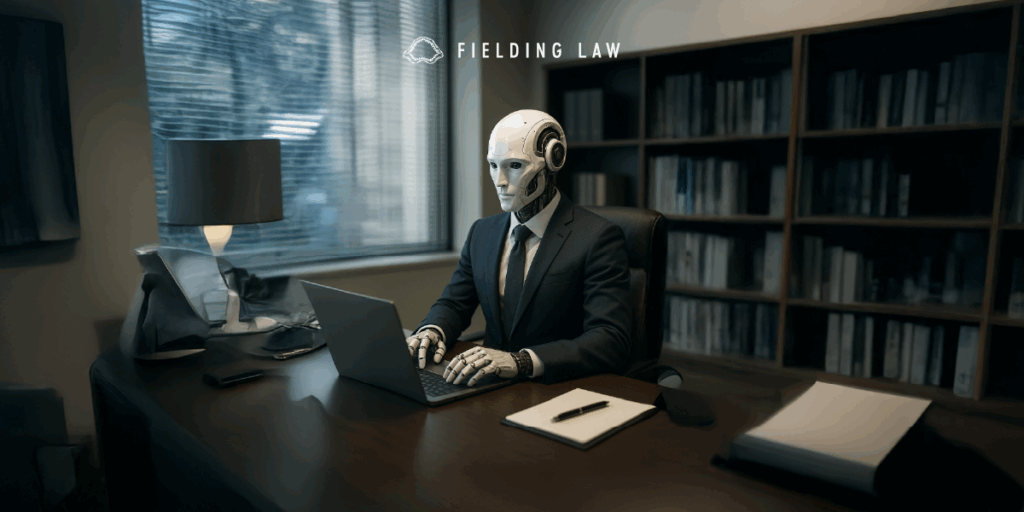
Robot dressed as a lawyer sitting at a desk

ChatGPT Stops Legal Advice

By Assault, Bicycle Accident, Boating Accident, Brain Injury (TBI), Burn Injury, Bus Accident, Car Accident, Catastrophic Injury, Dog / Animal Bite, E-Bikes and E-Scooters, Motorcycle Accident, Pedestrian Accident, Personal Injury, Personal Watercraft (PWC) Accident, Premises Liability, Product Liability, Public Entity, Rideshare Accident, RV Accident, Sexual Assault & Abuse, Skate & Skateboarding Accident, Ski & Snowboard Accident, Slip or Trip and Fall, Spinal Cord Injury, Train Accident, Truck Accident, Wrongful Death

Recent reporting shows that ChatGPT will no longer offer legal or medical advice in the way users may expect. According to an article on Caliber.az, the update to OpenAI’s usage policies was published October 29 2025. 

This development matters more than just a technical policy change: it serves as a reminder that when you face injuries, rights, or liability, you need a trained attorney—not just a chatbot.

What changed in the policy update

The new usage terms state that ChatGPT (and related services) may not be used for the “provision of tailored advice that requires a license, such as legal or medical advice, without appropriate involvement by a licensed professional.” 
The update went into effect on October 29 2025.

Why did this change occur? Several key factors:

  • Growing concern over liability when users rely on AI for high-stakes decisions.

  • The need to clearly distinguish between general information and personalized advice.

  • Regulatory pressure and the desire by OpenAI to define safe boundaries in legal and medical contexts.

In short, the update clarifies that ChatGPT is meant for general information rather than individualized legal strategy. It does not mean AI is completely barred from discussing legal topics—it means AI should not act as your lawyer.

Why this matters

AI tools can be very helpful for learning basic concepts or exploring ideas. However, they cannot replace the role of a licensed attorney in an injury case. Consider these facts:

  • ChatGPT cannot guarantee attorney-client privilege or confidentiality.

  • It cannot negotiate with insurance companies, handle state-specific statutes, or manage future medical needs.

  • The law in California and Arizona for personal injury cases contains complex rules around negligence, damages, statute of limitations, and more.

Why a skilled attorney matters

A licensed attorney does more than give information. They provide strategy, advocacy, and protection:

  • They understand state-specific laws and personal injury regulations.

  • They create legal strategies specific to your injuries and recovery.

  • They handle insurance negotiations to protect your rights.

  • They manage deadlines, paperwork, and complex legal processes.

  • They prevent mistakes that could reduce compensation.

  • They offer guidance, support, and professionalism throughout the case.

How does this affect your case

If you are injured in a bicycle accident, car crash, slip, trip, and fall, or bitten by a dog in California or Arizona, relying on ChatGPT legal advice is risky. Only a qualified attorney can review your case, explain your rights, and help you recover fair compensation.

Why hire Fielding Law

At Fielding Law, client service is our priority. We improve the lives of each client through ethical and efficient representation. Every case is handled with care, clarity, and commitment. When you need a knowledgeable advocate who cares, we are here.

Call 833.88.SHARK for a free consultation if you or a loved one has been injured.

The end of ChatGPT legal advice highlights a simple truth: AI cannot replace a skilled attorney. Professional guidance protects your rights, guides your case, and maximizes your recovery in personal injury matters.

Note: Information provided is for educational purposes and does not constitute legal advice. Always consult with a qualified attorney for legal concerns.
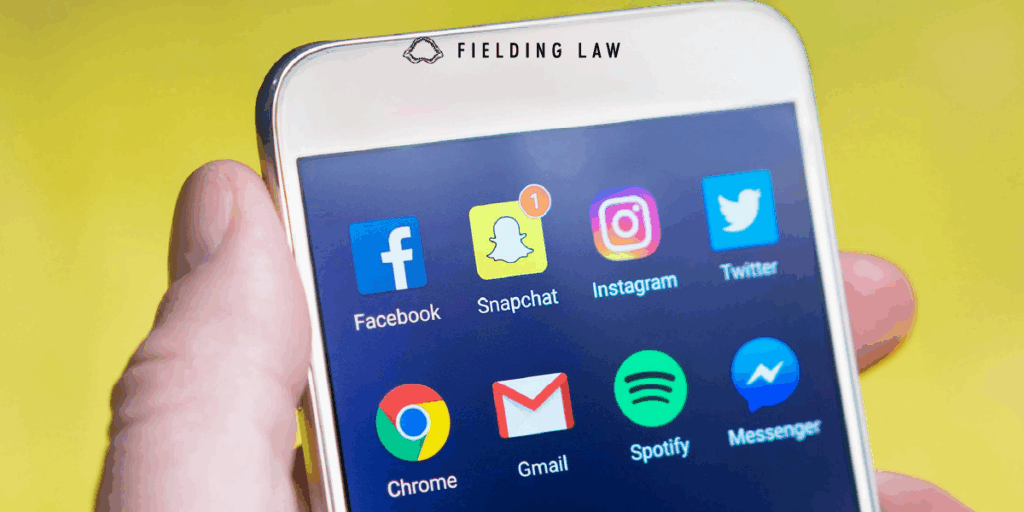
Phone with social media apps

Should Social Media Platforms Be Private After an Accident?

By Assault, Bicycle Accident, Boating Accident, Brain Injury (TBI), Burn Injury, Bus Accident, Car Accident, Catastrophic Injury, Dog / Animal Bite, E-Bikes and E-Scooters, Motorcycle Accident, Pedestrian Accident, Personal Injury, Personal Watercraft (PWC) Accident, Premises Liability, Product Liability, Public Entity, Rideshare Accident, RV Accident, Sexual Assault & Abuse, Skate & Skateboarding Accident, Ski & Snowboard Accident, Slip or Trip and Fall, Spinal Cord Injury, Train Accident, Truck Accident, Wrongful Death

Should Social Media Platforms Be Private After an Accident?

After an accident, protecting your social media privacy is more important than most people realize. What you share online can easily be used against you in your personal injury claim. Adjusters, defense attorneys, and even investigators may review your posts for anything that contradicts your statements about injuries or damages.

How Social Media Can Affect Your Case

Photos, status updates, and comments can all be taken out of context. A picture of you smiling at a family gathering could be used to question the severity of your pain. Even casual remarks might seem harmless but can harm your case if they appear inconsistent. Therefore, it is wise to avoid posting about the accident, your injuries, or your recovery process until your case is resolved.

Insurance Companies and Social Media

Insurance companies use social media to gather evidence that benefits them, not you. They may look at your profiles, tagged photos, and comments to find anything that reduces your settlement value. Even private accounts can be accessed through mutual connections or screenshots shared by others.

To protect your social media privacy after an accident, review your privacy settings, limit new friend requests, and think carefully before sharing content.

Tips for Protecting Your Privacy

If you want to maintain control over your online presence, consider these steps:

  • Set all accounts to private and review who can see your posts.

  • Avoid discussing the accident, your injuries, or your case online.

  • Ask friends and family not to tag you in photos or posts.

  • Avoid checking in at locations that could suggest you are active or uninjured.

  • Save all relevant messages or posts in case your attorney needs them later.

By following these steps, you can reduce the risk of your social media activity being used against you.

Social Media Platforms

Social media privacy after an accident can make a significant difference in how your case unfolds. Platforms like Facebook, Instagram, X (formerly Twitter), TikTok, LinkedIn, and Snapchat can unintentionally reveal information about your daily activities, friends, or location. Set your accounts to private and limit who can see your posts. Restrict story viewers, turn off tagging, and disable location features to prevent others from connecting you to places or events that could appear inconsistent with your injuries.

Messaging and Communication Apps

Private messages are not always truly private. After an accident, avoid discussing details about your injuries or claim in WhatsApp, Messenger, Telegram, Discord, Reddit, or group chats. Keep usernames anonymous when possible, and remember that messages can easily be screenshotted or shared. It is best to limit conversations about your case to trusted sources and your attorney.

Financial and Payment Apps

Few people realize that payment apps can pose risks to social media privacy after an accident. Apps like Venmo, PayPal, Cash App, and Zelle often show payees, amounts, and comments that may appear public. Set transactions to private, review past activity, and avoid adding descriptive notes that mention outings, purchases, or events. Even small details can be taken out of context by insurance adjusters or defense attorneys.

Location and Fitness Apps

Fitness and location apps can also compromise your privacy. Platforms such as Strava, Fitbit, Apple Fitness, and Google Maps can show your movements, activity levels, and location history. Disable location sharing, turn off automatic check-ins, and review old data to protect your social media privacy after an accident. Limiting this information helps prevent others from making assumptions about your physical condition.

Content Sharing and Storage

Shared albums and online storage can reveal more than you intend. Services like Google Photos, iCloud, Dropbox, YouTube, and Pinterest often include location data and timestamps. Keep albums and boards private, remove metadata from photos, and share only with trusted individuals. This extra step can prevent your personal content from being taken out of context.

Shopping and Membership Accounts

Even accounts unrelated to your case can affect your privacy. Amazon wish lists, gym check-ins, and subscription services can provide insight into your daily life and physical activities. Review what is public and disable any sharing features. Protecting your digital footprint strengthens your overall privacy after an accident.

Email and Cloud Services

Your email and cloud storage may contain sensitive medical or legal information. Use strong passwords and enable two-factor authentication. Review shared folders, permissions, and forwarding rules to make sure only trusted contacts can access your information.

Quick Checklist After an Accident

  • Set social media accounts to private

  • Restrict story viewers and friends lists

  • Disable location sharing and geotags

  • Make payment app transactions private

  • Review cloud storage and shared albums

  • Enable two-factor authentication

  • Avoid discussing your accident or injuries online

Why Hire Fielding Law

At Fielding Law, we understand how social media can impact your personal injury case. Our compassionate attorneys guide clients through every step of the process, including protecting their online privacy. We are committed to helping accident victims in Arizona and California receive fair compensation while safeguarding their rights.

If you have questions about social media privacy after an accident, contact Fielding Law today. Call 833.88.SHARK to schedule a free consultation and let our team provide the support and legal insight you need.

Note: Information provided is for educational purposes and does not constitute legal advice. Always consult with a qualified attorney for legal concerns.

robot hand holding a glass globe

Can AI Replace Lawyers?

By Assault, Bicycle Accident, Boating Accident, Brain Injury (TBI), Burn Injury, Bus Accident, Car Accident, Catastrophic Injury, Dog / Animal Bite, E-Bikes and E-Scooters, Motorcycle Accident, Pedestrian Accident, Personal Injury, Personal Watercraft (PWC) Accident, Premises Liability, Product Liability, Public Entity, Rideshare Accident, RV Accident, Sexual Assault & Abuse, Skate & Skateboarding Accident, Ski & Snowboard Accident, Slip or Trip and Fall, Spinal Cord Injury, Train Accident, Truck Accident, Wrongful Death

Can You Replace a Lawyer With AI?

Artificial intelligence tools like Chat GPT are gaining popularity. They can draft documents, explain legal concepts, and summarize laws. Some people now believe they can replace a lawyer with AI and handle legal issues on their own. This is misleading and risky. Legal cases require human advocacy, judgment, and compassion that AI cannot provide.

What AI Can and Cannot Do

AI Can:
  • Explain general legal ideas and procedures

  • Summarize statutes and regulations

  • Draft basic templates or documents

  • Suggest broad next steps

AI Cannot:
  • Provide personalized advice specific to your case

  • Investigate evidence or interview witnesses

  • Navigate complex California or Arizona laws

  • Represent you in court or negotiate with insurers

  • Offer strategy, empathy, or advocacy

Attempting to replace a lawyer with AI may result in missed deadlines, weak claims, or reduced compensation.

What Fielding Law Provides That AI Cannot

Personalized Legal Guidance

Our attorneys study every detail of your case and create strategies tailored to your circumstances.

Thorough Investigation

We gather evidence, interview witnesses, and build strong claims that AI tools cannot manage.

Negotiation and Advocacy

We handle insurance companies and opposing parties with proven negotiation skills and legal experience.

Courtroom Representation

If needed, we fight for you in court, file motions, and adjust strategies in real time.

Compassionate Support

We understand how stressful injuries are. Our team provides clear communication and empathy throughout the process.

Why Real Lawyers Matter

Legal representation requires strategy, adaptability, and human insight. Trying to replace a lawyer with AI leaves you without proper protection.

Why Hire Fielding Law

At Fielding Law, we combine experience, compassion, and skill to protect your rights. We fight for fair compensation and support clients every step of the way. Technology can assist, but it cannot replace a real lawyer.

Call 833.88.SHARK today for a Free Consultation and experience the difference of true legal advocacy.

Note: Information provided is for educational purposes and does not constitute legal advice. Always consult with a qualified attorney for legal concerns.
Personal Injury guide

Guide to Personal Injury 101

By Assault, Bicycle Accident, Boating Accident, Brain Injury (TBI), Burn Injury, Car Accident, Catastrophic Injury, Dog / Animal Bite, E-Bikes and E-Scooters, Motorcycle Accident, Pedestrian Accident, Personal Injury, Personal Watercraft (PWC) Accident, Premises Liability, Product Liability, Public Entity, Rideshare Accident, RV Accident, Skate & Skateboarding Accident, Ski & Snowboard Accident, Slip or Trip and Fall, Spinal Cord Injury, Train Accident, Truck Accident, Wrongful Death

Accidents can happen at any time, leaving you with more than just physical scars. The pain and recovery process can be difficult, but the legal aspects can feel just as overwhelming. If you are considering filing a claim, understanding the process is important. This guide to Personal Injury 101 will walk you through the basics, from determining if you have a valid case to the steps involved in seeking compensation.

Personal Injury Guide

Personal injury law protects individuals hurt due to someone else’s negligence. Suffering an injury can be overwhelming, physically and emotionally. Beyond the pain, many victims face mounting medical bills, lost wages, and uncertainty about the future.  
 
No one should have to navigate this process alone. Personal injury attorneys advocate for victims, offering guidance and support. They handle the legal process so injured individuals can focus on recovering. A personal injury claim helps hold the party responsible accountable. 
 
Personal injury cases come in many forms, including motor vehicle accidents, slip-and-falls, dog bites, and defective products. These incidents can cause both physical injuries and emotional distress, making recovery challenging. Personal injury law ensures victims can seek justice and reclaim their stability. 

The Legal Process for Personal Injury    

Navigating a claim can seem confusing, but understanding the process can ease the anxiety through this personal injury guide. 

  1. The Initial Consultation: The first step is speaking with a consultation specialist. At Fielding Law, our team is ready to review the details and allow you to ask questions while understanding your legal options.
  2. Investigation and Gathering Evidence: Strong evidence is important for a successful claim. Medical records, accident reports, witness statements, and pictures help build your case.  
  3. Filing the Claim: Once enough evidence is gathered, we file a claim with the at-fault party’s insurance company. This step formally starts the legal process. 
  4. Negotiating a Settlement: Most cases are settled before trial. Our expert attorneys negotiate with the insurance company to secure a fair settlement.  
  5. Litigation, If Necessary: If the case does not offer a fair settlement, we may take it to court. While litigation can extend the timeline, our legal team is prepared to fight for your rights.
  6. Resolution and Compensation: After an agreement is reached, the settlement is finalized, payments are processed, and outstanding medical liens are addressed. Depending on the case, this final phase can take weeks or months. We understand that waiting can be difficult, but this step is crucial for you to receive what you deserve.  

How to Determine if You Have a Valid Personal Injury Claim 

To have a personal injury claim, you must show that someone else’s actions caused your injury. This involves proving they had a duty to act safely, failed to do so, and that their actions directly led to your harm.  
 
Insurance companies try to pay as little as possible, and their first offer is rarely the best. A personal injury can handle negotiations and fight for the compensation you deserve. Even after this personal injury guide, if you are unsure whether you have a claim, contact Fielding Law. The consultation is free, and we can help you understand your options. 

Moving Forward with Fielding Law 

Your injuries, challenges, and recovery matter to us. At Fielding Law, we know that every personal injury case is unique. We are dedicated to taking the time to listen, understand your situation, and help you navigate through the complexities of personal injury. Whether you are facing mounting medical bills, lost wages, or ongoing pain, we will fight for you every step of the way. Call 833.88.SHARK for a free consultation and let us help you take the next step toward a successful recovery. 

Note: Information provided is for educational purposes and does not constitute legal advice. Always consult with a qualified attorney for legal concerns.

Hands holding a phone to take a photo or video

Photo and Video Evidence Builds Stronger Cases

By Assault, Bicycle Accident, Boating Accident, Brain Injury (TBI), Burn Injury, Car Accident, Catastrophic Injury, Dog / Animal Bite, E-Bikes and E-Scooters, Motorcycle Accident, Pedestrian Accident, Personal Injury, Personal Watercraft (PWC) Accident, Premises Liability, Product Liability, Public Entity, Rideshare Accident, RV Accident, Skate & Skateboarding Accident, Ski & Snowboard Accident, Slip or Trip and Fall, Spinal Cord Injury, Train Accident, Truck Accident, Wrongful Death

Why Visual Evidence Matters

You may have heard the saying, “A picture is worth a thousand words.” In personal injury claims, photo and video evidence can be worth thousands—or even millions—of dollars. These forms of evidence provide clear, undeniable proof that can support your case, counter opposing arguments, and increase the likelihood of a favorable settlement.

Examples of Photo and Video Evidence in Action

  • Car Accidents: Pictures of the accident scene, vehicle damage, skid marks, and traffic signals can demonstrate fault and the severity of the crash.
  • Bed Bug Bite Injuries: Photographs of bites, infestation, and unsanitary conditions at a hotel or rental property can establish negligence.
  • Pedestrian Accidents: Video footage from nearby surveillance cameras or eyewitnesses’ cell phones can show the driver’s behavior and the circumstances of the crash.
  • Premises Liability: Images of wet floors, broken handrails, or uneven walkways can prove hazardous conditions that led to your injury.

The Best Types of Evidence to Capture

When documenting an injury or accident, focus on these types of evidence:

  • High-Quality Photos: Use clear, well-lit images that show details of injuries, property damage, or unsafe conditions.
  • Videos with Context: Videos can capture the sequence of events, such as a car speeding through a red light or the lack of safety measures on a property.
  • Time-Stamped Evidence: Ensure all photos and videos include accurate timestamps to verify when they were taken.
  • Witness Recordings: If available, obtain recordings from bystanders who witnessed the incident.

Tips for Capturing Evidence

  • Take photos and videos as soon as possible.
  • Document injuries over time to show progression or healing.
  • Capture the surroundings to provide context.
  • Use your phone or camera’s timestamp feature.

How Visual Evidence Strengthens Your Case

Photo and video evidence provides clarity where words may fail. For example, describing a dangerous pothole in court may not be as impactful as showing a picture of it. Similarly, a video of a reckless driver running a stop sign can eliminate doubts about liability.

Evidence also counters attempts by insurance companies to minimize your injuries or deny fault. It allows your attorney to present a compelling narrative supported by hard proof.

Why Hire Fielding Law

At Fielding Law, we understand the power of visual evidence in securing fair settlements. Our compassionate team will guide you through the process of gathering and presenting the evidence needed to strengthen your case. Whether you have been injured in a car accident, suffered from a bed bug infestation, or experienced a slip and fall, we are here to help. Call us at 833.88.SHARK for a free consultation and let us fight for the compensation you deserve.

Note: Information provided is for educational purposes and does not constitute legal advice. Always consult with a qualified attorney for legal concerns.
scale on a table in a dark room with a small window

Understanding Negligence in Injury Claims

By Assault, Bicycle Accident, Boating Accident, Brain Injury (TBI), Burn Injury, Car Accident, Catastrophic Injury, Dog / Animal Bite, E-Bikes and E-Scooters, Motorcycle Accident, Pedestrian Accident, Personal Injury, Personal Watercraft (PWC) Accident, Premises Liability, Product Liability, Public Entity, Rideshare Accident, RV Accident, Skate & Skateboarding Accident, Ski & Snowboard Accident, Slip or Trip and Fall, Spinal Cord Injury, Train Accident, Truck Accident, Wrongful Death

Negligence is a key factor in personal injury cases. Proving negligence determines whether a victim can receive compensation for their injuries. This guide explains how negligence works, how insurance companies and defendants may try to reduce their liability, and how evidence can strengthen your claim.

What Is Negligence?

Negligence occurs when someone fails to act with reasonable care, causing harm to another person. To prove negligence, you must demonstrate these elements:

  1. Duty of Care: The defendant owed a duty to act responsibly.
  2. Breach of Duty: The defendant failed to meet that responsibility.
  3. Causation: The breach directly caused the injury.
  4. Damages: The injury resulted in measurable losses, such as medical bills or lost income.

How Insurance Companies Minimize Negligence

Insurance companies often try to reduce their client’s responsibility to pay less compensation. They may:

  • Claim the victim contributed to the accident: This is known as comparative liability. In states that follow comparative negligence rules, the compensation you receive could be reduced by the percentage of fault attributed to you. For example, if you are found 20% at fault, your compensation may be reduced by 20%.
  • Downplay the severity of the injuries.
  • Question the credibility of evidence or witnesses.

A skilled attorney counters these tactics by gathering strong evidence and presenting a compelling case.

How Defendants Avoid Responsibility

Defendants may use similar strategies to avoid accountability. Common defenses include:

  • Arguing they acted reasonably under the circumstances.
  • Shifting blame to the victim or a third party.
  • Denying the connection between their actions and the injury.

Your legal team can challenge these arguments to hold the responsible party accountable.

How Evidence Strengthens Your Claim

Strong evidence proves negligence and ensures fair compensation. Helpful evidence includes:

Each piece of evidence builds a stronger case, making it harder for insurers or defendants to dispute their liability.

Why Choose Fielding Law?

At Fielding Law, we understand the challenges victims face when dealing with negligence claims. Our experienced team fights for your rights with ethical and effective representation. We carefully gather evidence, counter insurance tactics, and guide you through every step of your case. Call 833.88.SHARK today to schedule your free consultation.

Note: Information provided is for educational purposes and does not constitute legal advice. Always consult with a qualified attorney for legal concerns.

Jared of Fielding Law giving a free consultation

What is the Catch? Why Free Consultation?

By Assault, Bicycle Accident, Boating Accident, Brain Injury (TBI), Burn Injury, Car Accident, Catastrophic Injury, Dog / Animal Bite, E-Bikes and E-Scooters, Motorcycle Accident, Pedestrian Accident, Personal Injury, Personal Watercraft (PWC) Accident, Premises Liability, Product Liability, Public Entity, Rideshare Accident, RV Accident, Skate & Skateboarding Accident, Ski & Snowboard Accident, Slip or Trip and Fall, Spinal Cord Injury, Train Accident, Truck Accident, Wrongful Death

When searching for legal help after an injury, you may notice that many law firms offer a free consultation for personal injury claims. You might wonder, “What is the catch?” or “Why are they offering something for free?” In reality, free consultations are a way for law firms to show their commitment to helping injured individuals without adding to their financial burden. It is also an opportunity for you to assess your case and the legal team without any risk or obligation.

Why Do Law Firms Offer Free Consultations?

There are several reasons why law firms, including Fielding Law, offer free consultations to potential clients:

  1. Understanding Your Case
    A free consultation allows the attorney to evaluate the basics of your case. They will review your injuries, the circumstances surrounding the accident, and the potential for legal action. This initial meeting helps both you and the attorney determine if it makes sense to move forward.
  2. Access to Justice
    Personal injury cases often involve individuals who are already facing financial stress due to medical bills, lost wages, and property damage. By offering a free consultation, law firms remove the financial barrier that may prevent someone from seeking legal help.
  3. No Risk to You
    The main benefits of a free consultation for personal injury claims is that it comes with no strings attached. You are not obligated to hire the attorney after the consultation. It gives you a chance to ask questions, understand your legal options, and decide if you feel comfortable with the law firm.
  4. Contingency Fee: No Win, No Fee
    Many individuals hesitate to pursue legal action because they fear how much it will cost. At Fielding Law, we work on a contingency fee basis, which means you pay nothing upfront. We only get paid if we win your case, making it risk-free for you to pursue the compensation you deserve.

What Happens During a Free Consultation?

During your consultation, the attorney will ask you about the details of your accident or injury. You should be prepared to provide information about the accident, any injuries you sustained, medical treatment you have received, and any communication you have had with insurance companies. The attorney will use this information to provide guidance on your legal options and the potential value of your case.

In this meeting, you will also have the opportunity to ask questions, such as:

  • How long will my case take?
  • What are the chances of success?
  • What will the legal process involve?
  • How does the firm charge for their services?

Why Hire Fielding Law?

At Fielding Law, we offer free consultations because we are committed to providing compassionate and expert legal help to those who need it most. We understand that dealing with an injury can be overwhelming, and we want to help you explore your options without any upfront costs. Our team is dedicated to fighting for your rights and ensuring you receive fair compensation. With our contingency fee structure, you can move forward confidently, knowing you do not owe us anything unless we win your case.

If you have been injured due to someone else’s negligence, do not hesitate to contact Fielding Law at 833.88.SHARK. Our free consultation is your opportunity to learn about your case and how we can help, with no obligation to proceed.

Note: Information provided is for educational purposes and does not constitute legal advice. Always consult with a qualified attorney for legal concerns.

Person holding a suitcase and boarding pass during Christmas holiday season.

Christmas Holiday Travel Stats: United States, California, and Arizona

By Car Accident, Catastrophic Injury, Pedestrian Accident, Personal Injury, Premises Liability, Train Accident, Wrongful Death

The holiday season is one of the busiest travel times of the year in the United States, with millions of Americans traveling by car, air, or other modes of transportation to visit loved ones or enjoy a winter getaway. Christmas holiday travel stats reflect how holiday travel impacts safety and legal issues, especially in regions with heavy traffic like California and Arizona.

Here, we explore travel trends and safety concerns across the United States, California, and Arizona during the Christmas holiday season.

National Christmas Travel Trends

During Christmas, travel spikes across all major modes of transportation in the United States. In 2022, over 112 million Americans traveled during the winter holidays, with many opting for road trips.

Key national statistics include:

  1. Road Travel:
    According to AAA, about 90% of holiday travelers in the United States drive. This means over 100 million Americans take to the roads, creating traffic congestion and increasing the likelihood of accidents during Christmas.
  2. Air Travel:
    Air travel also spikes, with nearly 7 million Americans flying to their holiday destinations. Airports can become overcrowded, with frequent delays and cancellations, adding to the holiday stress.
  3. Train and Bus Travel:
    Although less common, trains and buses still see an increase during Christmas. Around 3 million travelers use these modes, particularly for shorter, regional trips.

California Christmas Travel Stats

California, with its warm winter weather and popular destinations like Los Angeles and Disneyland, experiences a significant increase in holiday travel. With nearly 40 million residents, California’s highways and airports become much busier during Christmas.

Important Christmas holiday travel stats for California include:

  1. Road Travel in California:
    Over 12 million Californians drive during the holiday season. Highways such as Interstate 5 and Highway 101 are particularly congested, and Southern California often becomes a travel hotspot.
  2. Air Travel in California:
    Los Angeles International Airport (LAX) and San Francisco International Airport (SFO) are among the busiest in the country during Christmas, with over 3 million holiday travelers passing through. Long wait times and weather-related delays are common.
  3. California Traffic Accidents:
    Due to increased traffic during Christmas, California sees a spike in traffic accidents. Speeding, distracted driving, and weather conditions contribute to thousands of accidents in the state during the holidays.

Arizona Christmas Travel Stats

Arizona’s mild winter climate and tourist attractions like the Grand Canyon make it a popular destination during the Christmas season. This influx of visitors, combined with local travel, leads to higher traffic on Arizona roads and busier airports.

Here are key travel statistics for Arizona:

  1. Arizona Road Travel:
    Over 2 million Arizonans drive during the holiday season. Major highways like Interstate 10 and Interstate 17 see significant increases in traffic, particularly as out-of-state visitors head to Phoenix and other popular destinations.
  2. Air Travel in Arizona:
    Phoenix Sky Harbor International Airport serves more than 1 million travelers during the Christmas season. While it is known for smooth operations, delays and busy terminals are still common.
  3. Arizona Accident Stats:
    With more vehicles on the road, Arizona experiences a rise in car accidents during Christmas. Northern parts of the state may also see hazardous conditions from icy or wet roads, which can lead to more crashes.

Tips for Safe Holiday Travel

While these Christmas holiday travel stats highlight the challenges of holiday travel, you can take steps to protect yourself:

  • Plan in Advance: Book flights and accommodations early to avoid last-minute stress. Allow extra time for delays, especially during peak travel days.
  • Prepare for Winter Conditions: If you are driving in areas with winter weather, make sure your vehicle is equipped with proper tires and emergency supplies.
  • Stay Safe on the Road: Follow traffic laws, avoid distractions, and take breaks if you are driving long distances. Traffic accidents increase during the holidays, so staying focused is crucial.
  • Know Your Legal Rights: If you are involved in a car accident during holiday travel, contact Fielding Law at 833.88.SHARK. We can guide you through your legal options.

Why Hire Fielding Law?

At Fielding Law, we are here to help if you are injured in a travel-related accident during the Christmas holidays. Whether you are driving across the country or flying to see family, accidents can happen, and navigating the legal process can be complicated, especially when traveling out of state.

Our experienced team is dedicated to providing compassionate and effective legal representation. We understand the complexities of holiday travel accidents, including out-of-state claims and cross-border insurance issues. Contact Fielding Law at 833.88.SHARK for a free consultation and to learn how we can help you get the compensation you deserve.

Note: Information provided is for educational purposes and does not constitute legal advice. Always consult with a qualified attorney for legal concerns.

Close Menu