
Category

Spinal Cord Injury

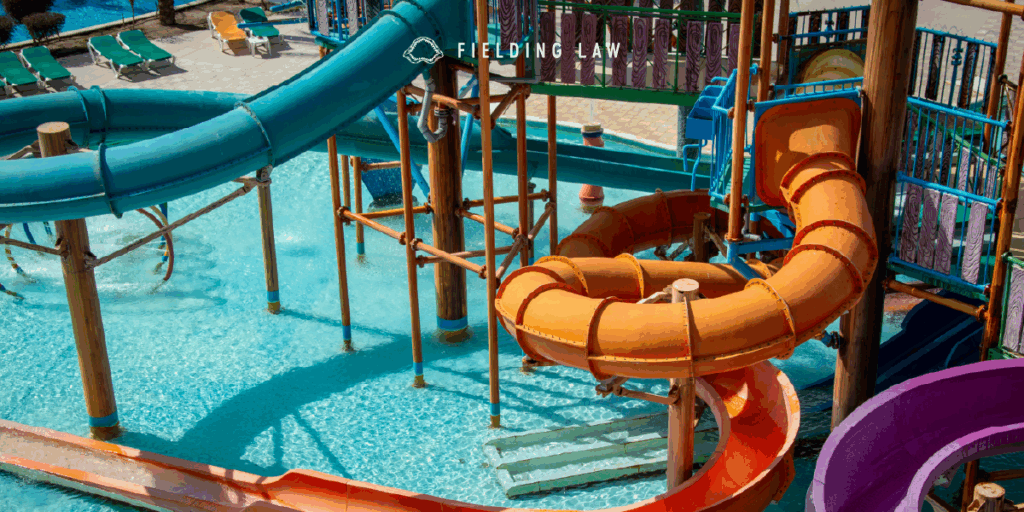
Water park slides leading to a pool

California Water Park Injuries and Real Accident Cases

By Brain Injury (TBI), Personal Injury, Premises Liability, Product Liability, Slip or Trip and Fall, Spinal Cord Injury, Wrongful Death

Water parks are designed for excitement, but they also bring real risks. In California, crowded attractions, fast-moving slides, and wet surfaces can quickly turn a day of fun into a serious injury situation. Many of these incidents fall under premises liability and negligence law, especially when safety rules are not properly followed or equipment is not maintained.

Why Water Park Injuries Happen

Water park accidents often share a few common causes:

  • Slippery walkways and staircases with constant water exposure
  • Overcrowded slides leading to collisions
  • Poor maintenance of slides, rafts, or platforms
  • Inadequate lifeguard supervision
  • Defective ride design or mechanical failure

California law generally requires operators to maintain reasonably safe conditions for guests. When they do not, injuries can follow quickly.

Real Cases Showing Water Park Risks in California

California courts have seen multiple serious water park injury claims involving negligence, unsafe ride conditions, and improper supervision.

One widely cited case involved a visitor at a major California water park who suffered severe injuries after a waterslide ride caused him to strike the bottom of a pool, resulting in fractures to his hip and pelvis. The lawsuit centered on whether the park failed to maintain safe operating conditions and whether the ride design contributed to the injury.
Case link: https://caselaw.findlaw.com/court/ca-court-of-appeal/2067782.html

Another California case involved a guest who slipped on wet stairs while walking barefoot near a water slide queue area. The fall caused a serious arm injury and significant medical treatment. The claim focused on unsafe walking surfaces and lack of proper hazard control in high-traffic areas.
Case link: https://aa.law/case-results/250k-negotiated-settlement-for-a-water-park-accident/

These cases show a consistent theme. Water park injuries are often not “just accidents.” They frequently involve questions about maintenance, supervision, and whether safety standards were properly followed.

Common Types of Water Park Injuries

Water park injuries in California range from mild to life-changing. Some of the most common include:

  • Broken bones from slides or falls
  • Head and neck injuries from collisions
  • Drowning or near-drowning incidents
  • Cuts and lacerations from damaged equipment
  • Slip and fall injuries on wet concrete or stairs

In more severe cases, victims may require emergency surgery or long-term rehabilitation.

Legal Responsibility in California Water Park Cases

California law typically allows injured guests to pursue claims based on negligence or premises liability. In some cases, multiple parties may share responsibility, including:

  • The water park operator
  • Maintenance contractors
  • Ride manufacturers
  • Staffing or supervision companies

Courts may also consider whether the injured person assumed certain risks, but that does not automatically prevent recovery if negligence is involved.

A key California case involving a waterslide injury confirmed that operators can owe a heightened duty of care depending on the attraction and circumstances, especially when guests are placed in inherently risky situations.

What People Often Do After a Water Park Injury

After an incident, injured guests commonly:

These steps can help clarify what happened and preserve important evidence.

Why Legal Claims Matter

Water park injury claims are not only about compensation. They often help uncover safety failures such as poor maintenance, inadequate staffing, or ignored hazards. Some California cases have resulted in settlements or verdicts tied directly to unsafe ride conditions or preventable slip hazards.

Why Hire Fielding Law

Water park injury cases can become complex quickly, especially when multiple companies are involved or safety standards are disputed. Fielding Law provides guidance with a focus on clarity, care, and strong case preparation. The goal is to help injured clients understand their options without adding pressure during recovery.

Final Thoughts

Water parks should feel safe for families and visitors. When preventable hazards cause serious injuries, California law allows injured individuals to explore their legal rights and hold responsible parties accountable.

If you or a loved one was injured at a water park, you can contact Fielding Law for a free consultation at 833.88.SHARK.

Note: Information provided is for educational purposes and does not constitute legal advice. Always consult with a qualified attorney for legal concerns.
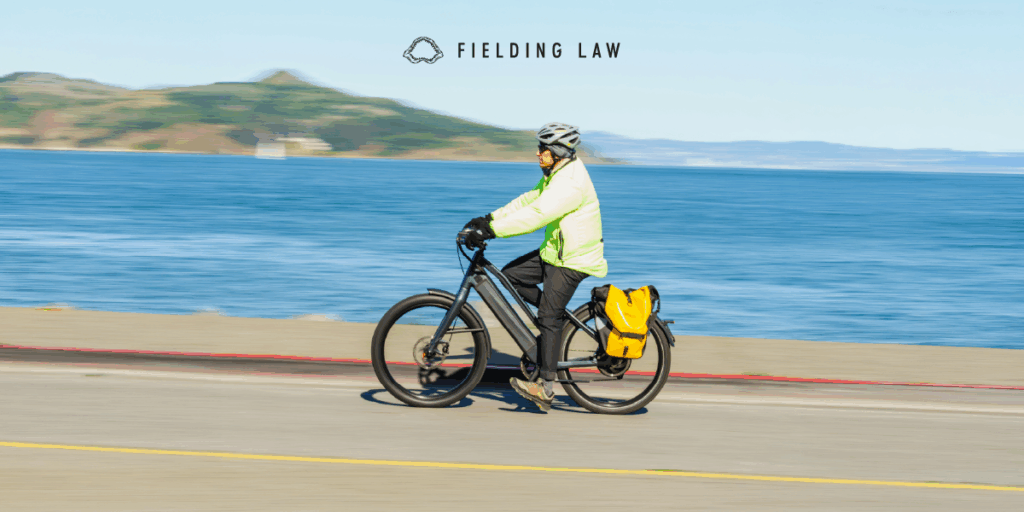
Person on an E-bike driving on a road next to water

E-Bikes Hitting Pedestrians: A Growing Safety Concern

By Bicycle Accident, Brain Injury (TBI), E-Bikes and E-Scooters, Pedestrian Accident, Spinal Cord Injury

E-Bikes Hitting Pedestrians: A Growing Safety Concern

Electric bikes are becoming a common sight in cities and neighborhoods, but the increase in use has also led to more pedestrian injuries. These crashes often happen quickly and leave injured people dealing with serious medical and legal questions.

At Fielding Law, we are seeing more pedestrian injury cases involving e-bikes, especially in busy walkways, intersections, and shared-use paths. Many victims are surprised by how forceful these collisions can be and how complicated liability becomes afterward.

Real Cases Showing The Risk

E-bike pedestrian collisions are not rare incidents anymore. Several recent cases highlight the severity of these crashes.

In Orange County, California, a 14-year-old riding what authorities described as an illegal high-speed electric motorbike struck and killed an 81-year-old pedestrian. Prosecutors later charged the rider’s mother, alleging she allowed her child access to a dangerously powerful vehicle that was not legal for youth use.
(LA Times)

Officials said the device could reach speeds far beyond a legal e-bike classification, raising serious questions about supervision and parental responsibility in e-bike and e-motorbike cases.

In another California case, an 11-year-old riding an e-bike was named in a civil lawsuit after a crash that contributed to the death of a 4-year-old child. The case also involved claims against supervising adults and other parties connected to the roadway environment.
(Independent)

In Boston, a pedestrian was struck in Copley Square by an e-bike rider and later died from their injuries. The incident occurred in a heavily trafficked pedestrian area.
(Boston 25 News)

Officials reported the crash happened during normal foot traffic near a major public space, raising concerns about how e-bikes interact with pedestrian zones.
(StreetsBlog)

In New York City, another pedestrian was struck by an e-bike on the Upper West Side, prompting an emergency response and hazmat involvement due to a damaged battery.
(West Side Rag)

These incidents reflect a broader trend of increasing e-bike related pedestrian injuries in urban areas.

Why These Crashes Keep Happening

Several factors contribute to e-bike pedestrian accidents:

  • Higher speeds than traditional bicycles
  • Limited training or experience for riders
  • Confusion about sidewalk and crosswalk rules
  • Heavier bike frames increasing impact force
  • Shared spaces with dense foot traffic

E-bikes can accelerate quickly, which makes reaction time critical. Pedestrians often have little warning before impact.

Who May Be Responsible After A Crash

Determining liability in an e-bike pedestrian accident is not always straightforward. Responsibility may depend on:

  • Whether the rider followed traffic laws
  • If the rider was speeding or distracted
  • Whether the crash occurred in a designated pedestrian area
  • The classification of the e-bike under local law
  • Whether a rental company or parent is involved

In some cases, insurance coverage may be available through homeowners policies, auto policies, or rental agreements. In others, coverage disputes can delay compensation.

When A Child On An E-Bike Causes Injury

When a child is involved in an e-bike pedestrian accident, parents are often shocked to learn they may be financially responsible for the harm caused. These situations are more common as e-bikes become popular with younger riders who may not fully understand traffic rules or the power of the device they are operating.

In many states, parents can be held liable under negligence laws if they allowed their child to use an e-bike in a way that was unsafe or inappropriate for their age or experience. Liability may also arise if the parent purchased or modified the e-bike in a way that made it more powerful than legally allowed for a minor.

Key factors that can impact parental responsibility include:

  • Whether the child was legally permitted to operate the e-bike
  • Whether the parent knew or should have known the risks
  • Whether the e-bike was properly classified for youth use
  • Whether supervision or safety rules were ignored

Insurance coverage may also come into play. In some cases, a homeowners or renters policy may provide coverage for injuries caused by a minor. However, these policies often involve disputes over exclusions or limits, especially when motorized devices are involved.

Because these cases involve both injury law and questions of parental responsibility, they can become complex quickly. Understanding how the accident happened and what rules apply is critical in determining who may be responsible for the harm caused.

E-Bikes, E-Motorbikes, And Age Differences

Not all electric bikes are treated the same under the law, and the differences matter a lot when a child is involved.

Standard e-bikes are typically divided into three classes:

  • Class 1: Pedal assist up to 20 mph
  • Class 2: Throttle assisted up to 20 mph
  • Class 3: Pedal assist up to 28 mph

In many states, children may be allowed to ride Class 1 or Class 2 e-bikes depending on local rules, but Class 3 models often have age restrictions or are limited to older teens.

E-motorbikes are different. These are closer to electric motorcycles or mopeds than bicycles. They usually have higher speeds, stronger motors, and may require registration, helmets that meet motorcycle standards, and sometimes a license or permit. Children are generally not allowed to operate these on public roads or sidewalks.

The key difference is how the vehicle is classified. A true e-bike is treated more like a bicycle, while an e-motorbike is often regulated like a motor vehicle. That distinction can also affect liability if a child causes injury while riding.

Injuries And Challenges Pedestrians Face

Pedestrians struck by e-bikes often suffer injuries similar to low-speed vehicle collisions, including:

Beyond physical harm, injured pedestrians often face:

Why These Cases Are Legally Complex

E-bikes sit in a legal gray area. Depending on speed and configuration, they may be treated differently under state and local laws. This creates challenges when determining:

  • Whether traffic laws apply like a bicycle or motor vehicle
  • Whether the rider had legal permission to operate in the area
  • How insurance companies should classify the incident

These differences can significantly impact how a claim is handled.

What Happens After An E-Bike Collision

After an accident, key evidence often determines the outcome of a claim. Important details include:

Acting quickly can help preserve this information before it is lost or overwritten.

When A Walk Becomes A Life-Changing Moment

A pedestrian should not have to worry about being struck while crossing a street or walking through a public area. As e-bike use continues to grow, cities are still adapting to safety risks that come with faster and heavier personal transportation devices.

Why Hire Fielding Law

E-bike pedestrian accidents can move quickly from a simple incident to a complex legal situation. Liability, insurance coverage, and evidence issues are not always clear, which can make recovery feel even more stressful.

Fielding Law focuses on helping injured pedestrians understand their rights and options with clarity and care. Every case is handled with personal attention, and we take time to investigate what really happened so important details are not missed.

If you have questions after an e-bike pedestrian accident, you can contact Fielding Law for a free consultation at 833.88.SHARK.

When Legal Help Becomes Important

E-bike pedestrian accident cases can move quickly and become complicated, especially when insurance companies dispute responsibility. Understanding your rights early can make a meaningful difference in how your case develops.

Fielding Law helps injured pedestrians understand what happened, what options may be available, and how to move forward with clarity and support.

If you have questions after an e-bike pedestrian accident, you can reach out for a free consultation at 833.88.SHARK.

Note: Information provided is for educational purposes and does not constitute legal advice. Always consult with a qualified attorney for legal concerns.
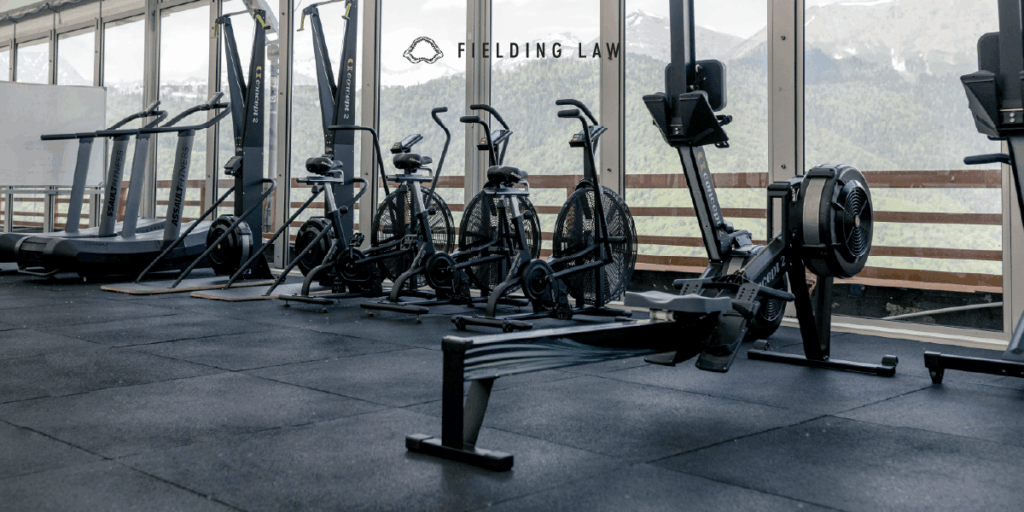
Gym with lots of windows over looking a mountain

Injured At The Gym: Liability, Risks, And Legal Insight

By Catastrophic Injury, Personal Injury, Premises Liability, Product Liability, Slip or Trip and Fall, Spinal Cord Injury

Gym Injury Risks Are More Common Than Many Realize

Gyms are designed for health and strength. However, injuries still happen in these spaces more often than many people expect.

Based on the U.S. Consumer Product Safety Commission (CPSC) National Electronic Injury Surveillance System (NEISS) data, exercise equipment-related injuries resulted in an estimated 409,224 emergency room visits in 2021.

In addition, treadmill accidents account for tens of thousands of injuries each year, including falls and head trauma. Many of these incidents happen in commercial gyms where people expect a safe environment.

Although many injuries are minor, some lead to fractures, brain injuries, or long-term pain. Because of that, it is important to understand how and why these incidents happen.

What These Injuries Mean For Gym Members

Many people assume gyms always maintain safe conditions. In reality, safety can break down in several ways.

For example, injuries often happen when:

  • Equipment breaks during use
  • Floors become slippery and stay wet
  • Machines sit too close together
  • Staff fail to warn about known risks

In many cases, people do not expect danger during a normal workout. As a result, injuries can feel sudden and preventable.

Common Causes Of Gym Injuries

Gym injuries usually come from a few main problems.

Equipment Problems

Equipment failures often lead to serious harm. For example:

  • Machines break due to poor maintenance
  • Cables or parts wear out over time
  • Free weights shift or fall unexpectedly

When gyms do not inspect equipment regularly, risk increases.

Unsafe Conditions

Environmental issues also play a major role. These include:

  • Wet locker room floors
  • Poor lighting in workout areas
  • Crowded spaces between machines

Even small hazards can lead to serious falls.

Lack Of Supervision

Some injuries happen because of limited oversight. For instance:

  • Trainers do not correct unsafe form
  • Staff fail to monitor group classes
  • Members do not receive clear instructions

Because of this, mistakes can turn into serious injuries quickly.

Real Gym Injury Cases And Legal Outcomes

Court cases show how these claims work in real life.

Treadmill Injury And Unsafe Layout

In Jimenez v. 24 Hour Fitness USA Inc., a California court reviewed a serious treadmill injury case. The plaintiff fell and suffered a severe head injury. The claim focused on unsafe spacing between machines. The court allowed the negligence claim to move forward because the facts showed possible unsafe conditions.
Case link: https://law.justia.com/cases/california/court-of-appeal/2015/c071959.html

Liability Waiver And Injury Claim Limits

In another California case, a gym member signed a waiver before a treadmill injury. The court ruled that the waiver limited the claim. However, the court also explained that waivers do not protect gyms if gross negligence exists.
Case link: https://caselaw.findlaw.com/court/ca-court-of-appeal/1703652.html

Equipment Injury Litigation

Other cases across the country involve treadmill failures and defective equipment claims. In some situations, courts reviewed both gym liability and product liability issues depending on how the injury occurred.
Case link: https://law.justia.com/cases/texas/supreme-court/2020/19-0835.html

These cases show that outcomes depend heavily on evidence and safety conditions, not just the injury itself.

When A Gym May Be Liable For Injuries

Gyms have a duty to keep their facilities reasonably safe. When they fail to do that, liability may arise.

Unsafe Conditions

A gym may be responsible when:

  • Equipment is broken or unsafe
  • Floors remain wet without warning signs
  • Machines are placed in dangerous positions

Ignored Safety Problems

Liability may also exist when:

  • Staff ignore prior complaints
  • Maintenance issues are not fixed
  • Known risks are not addressed

Poor Warnings Or Instructions

Problems may also arise when:

  • Equipment lacks clear instructions
  • Members are not warned of risks
  • Staff fail to supervise properly

In many cases, these issues build over time before an injury occurs.

Liability Waivers Do Not Always End A Case

Most gyms require members to sign waivers. These agreements often limit claims for ordinary negligence.

However, waivers do not always protect gyms. In many situations:

  • Gross negligence claims may still move forward
  • Unsafe conditions can override waiver protection
  • Courts may still examine how the injury happened

Because of this, each case depends heavily on its facts.

What To Do After A Gym Injury

After an injury, people often take important steps to protect their health and their claim.

These actions help preserve key evidence.

Why Gym Injury Cases Are Complex

Gym cases often involve strong defenses. For example, gyms may argue:

At the same time, evidence such as maintenance logs, video footage, and prior complaints often plays a major role in proving what really happened.

Because of these competing issues, gym injury cases often require careful review.

Why Hire Fielding Law

At Fielding Law, we understand that gym injuries are not always simple accidents. Sometimes, unsafe equipment or poor maintenance plays a direct role.

We focus on reviewing the facts, identifying safety failures, and helping injured people understand their legal options in a clear and supportive way. Every case depends on details, and we take the time to look at them closely.

Free Consultation After A Gym Injury

If you or someone you love was injured at a gym, you do not have to figure it out alone. Call Fielding Law at 833.88.SHARK (833-887-4275) for a free consultation. We can help you understand what happened and what options may be available moving forward.

Note: Information provided is for educational purposes and does not constitute legal advice. Always consult with a qualified attorney for legal concerns.
Red billboard that read Injured? with palm trees in the background

California Billboard Injury Lawyers: Best or Just the Loudest

By Bicycle Accident, Brain Injury (TBI), Car Accident, Motorcycle Accident, Pedestrian Accident, Personal Injury, Premises Liability, Slip or Trip and Fall, Spinal Cord Injury, Truck Accident, Wrongful Death

Big Ads Bigger Questions

If you have driven through California or Arizona, you have likely seen large attorney billboards. They feature bold slogans, big results, and memorable faces.

So, does hiring a billboard injury lawyer in California mean you are getting the best representation?

Not always.

Marketing builds visibility, but it does not always reflect how a firm handles your case or communicates with clients. In California, every personal injury case is different, and what works for one client may not work for another.

Why Billboard Attorneys Are Everywhere in California

Billboards are designed to stay top of mind.

Because of this, many California law firms invest heavily in advertising to reach as many people as possible. Over time, repetition builds familiarity. As a result, when an accident happens on I-5, US-101, or the 405, that familiar name can feel like the easiest choice.

However, recognition does not always equal experience or personal attention.

The Reality Behind High Volume Firms

In many cases, billboard-focused firms operate on a high volume model. This means they handle many cases at once.

As a result, this can lead to:

  • Less direct access to an attorney
  • More communication through case managers
  • Faster case resolutions that may not reflect full value

While this approach may work for some cases, it does not always allow for careful strategy. Every case deserves time and attention.

What to Watch Out For

Big Promises Without Context

For example, statements like “millions recovered” can sound impressive. However, they do not explain how those results were achieved. Since every case is different, outcomes depend on many factors.

Who Is Handling Your Case

In many situations, the attorney on the billboard is the face of the firm. However, they may not be the one handling your case.

Therefore, it is important to ask who will work with you and how often you can expect updates.

Pressure to Settle Quickly

In some firms, there is a focus on resolving cases quickly. While this may seem helpful, faster is not always better.

Instead, taking time to understand your injuries and losses can make a meaningful difference.

Limited Communication

Clear communication matters. However, when a firm handles many cases, updates may be less frequent.

Because of this, clients may feel unsure about the status of their case.

How to Choose the Right Attorney

Instead of focusing on who you see the most, focus on how a firm works.

For example, consider asking:

  • Who will handle my case directly
  • How often will I receive updates
  • What is your approach to resolving cases
  • How do you tailor your strategy to each client

By asking these questions, you can make a more informed decision.

Why Hire Fielding Law

At Fielding Law, the focus is on people, not case numbers. From the start, the team takes a thoughtful approach to every case. In addition, they prioritize communication, strategy, and client care.

As a result, each client receives personal attention and clear guidance. The goal is to improve each client’s experience through ethical and efficient representation.

Talk to Someone Who Listens

If you are considering hiring a California billboard injury lawyer, it may help to explore your options first. Speaking with an attorney who takes time to understand your situation can make a difference.

Therefore, reach out to Fielding Law to discuss your case and learn about your options. The consultation is free, and there is no obligation.

Call 833.88.SHARK today.

A California billboard injury lawyer may be the most visible option. However, visibility alone does not define quality. Instead, take time to find a team that will prioritize your needs, communicate clearly, and handle your case with care.

Note: Information provided is for educational purposes and does not constitute legal advice. Always consult with a qualified attorney for legal concerns.
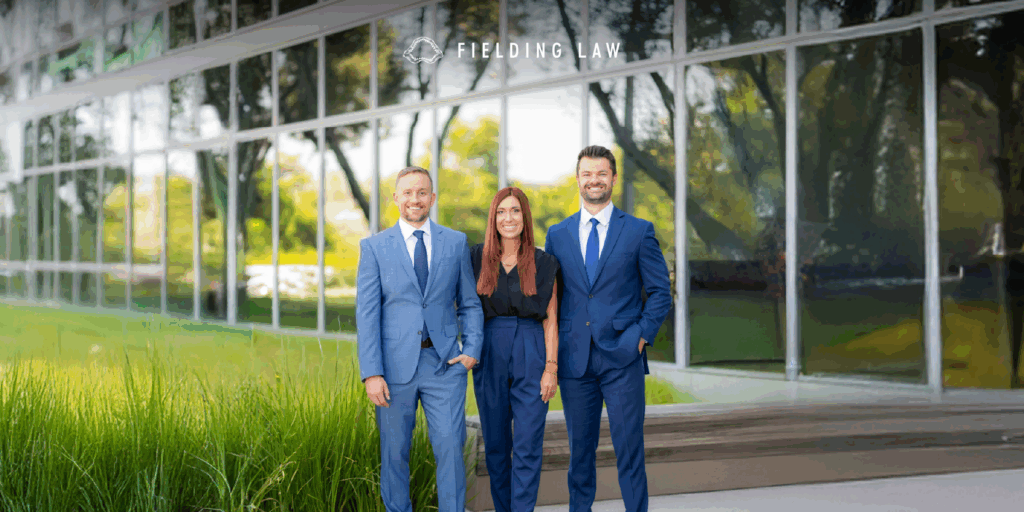
Clark Fielding, Savonnah Saumers, and Ryan Cooper. Leaders of Fielding Law a California injury law firm

What Happens If Your California Injury Law Firm Suddenly Closes?

By Assault, Bicycle Accident, Boating Accident, Brain Injury (TBI), Burn Injury, Bus Accident, Car Accident, Catastrophic Injury, Dog / Animal Bite, E-Bikes and E-Scooters, Motorcycle Accident, Pedestrian Accident, Personal Injury, Personal Watercraft (PWC) Accident, Premises Liability, Product Liability, Public Entity, Rideshare Accident, RV Accident, Sexual Assault & Abuse, Skate & Skateboarding Accident, Ski & Snowboard Accident, Slip or Trip and Fall, Spinal Cord Injury, Train Accident, Truck Accident, Wrongful Death

When Your Lawyer Is Gone, Your Case Still Matters

You hired a California injury attorney to guide you through a difficult time. Then, without warning, the firm closes. The phones stop ringing. Emails bounce back. You are left wondering what happens to your case and your recovery.

This situation is more common than most people realize, and it can feel unsettling, especially when you are still dealing with medical treatment, missed work, and insurance pressure.

If your California injury law firm closes, your case does not automatically end. But what you do next matters.

The most important step is simple: call Fielding Law right away so your case can be reviewed and protected without delay.

Your Case Does Not Disappear

Even when a law firm shuts down, your injury claim still exists.

In most cases, your file may include:

Another attorney can often step in and continue your case. However, timing is critical because deadlines do not pause just because your lawyer is no longer available.

This is exactly why reaching out to Fielding Law as soon as possible is so important.

Why California Law Firms Close

Law firms may close for many reasons, including:

  • Attorney retirement or illness
  • Financial issues within the firm
  • Internal disputes
  • Mergers or restructuring
  • Ethical or licensing issues
  • Sudden departures of key attorneys

No matter the reason, clients are often left without clear direction. That is when confusion and risk increase.

Deadlines Still Apply in California

California injury cases are governed by strict timelines.

In many situations:

If time passes without action, your case could become more difficult to pursue.

This is another reason to call Fielding Law immediately after learning your firm has closed.

What You Should Do Right Away

Contact Fielding Law First

Before signing anything or trying to sort it out alone, contact Fielding Law. We can review your situation, explain what is happening, and help you understand your options moving forward.

Request Your Case File

Your file is important. It may include evidence, medical records, legal filings, and insurance communications. You have the right to request it.

Do Not Assume Your Case Is on Hold

Deadlines and obligations may still be active even if your previous attorney is no longer practicing.

Preserve Everything You Have

Keep copies of:

Common Problems After a Law Firm Closes

When a firm shuts down, clients often experience:

  • Missing or delayed files
  • Confusion about who is handling the case
  • Missed communication from insurance companies
  • Uncertainty about settlement negotiations
  • Fear of losing their claim

These problems can escalate quickly without proper legal guidance.

That is why speaking with an attorney as soon as possible is so important.

You Have Options, But Time Matters

There is no requirement to remain with any replacement attorney suggested by the closed firm. Individuals have the right to select their own legal representation.

A new attorney may be able to continue your case, but only if deadlines are protected and key information is secured early.

Calling Fielding Law gives you a chance to understand your case status before important opportunities are lost.

California Injury Case Rules Still Apply

California personal injury law generally includes strict filing deadlines and procedural rules. These may include:

Even if your law firm closes, these rules do not change.

Why People Call Fielding Law in This Situation

When a law firm suddenly shuts down, clients need clarity, direction, and urgency. At Fielding Law, we help injury victims understand where their case stands and what needs to happen next.

We focus on:

  • Reviewing case files quickly
  • Identifying urgent deadlines
  • Helping protect ongoing claims
  • Providing clear next-step guidance
  • Supporting injured clients through transition

The sooner you call, the more options may be available.

What To Expect When You Call

When you contact Fielding Law, we will focus on:

  • Understanding what happened with your previous firm
  • Reviewing your injury claim status
  • Identifying any immediate deadlines
  • Explaining your legal options in plain language
  • Helping you decide what to do next

You do not have to figure this out alone.

Frequently Asked Questions

Can my case continue if my California law firm closes?

Yes. In many situations, another attorney can take over and continue your case.

Do I need to start over?

Usually no. Much of your case work can transfer, depending on what has already been done.

What if I cannot reach my old attorney?

You should still act quickly. Contact Fielding Law so your situation can be reviewed and protected.

Will I lose my settlement?

Not automatically, but delays or missed deadlines can create risk. That is why immediate review is important.

What should I do first?

Call Fielding Law so your case can be evaluated and your next steps are clear.

Call Fielding Law Today

If your California injury law firm suddenly closed, you do not have to navigate it alone.

Your case may still be active, your rights may still be protected, and your next steps matter.

Call Fielding Law at 833.88.SHARK as soon as possible so we can review your situation and help you move forward with confidence.

Quick Answer Summary

If your California injury law firm closes, your case usually does not end, but deadlines still apply. You should act quickly, secure your case file, and contact Fielding Law immediately to help protect your injury claim and understand your next steps.

Note: Information provided is for educational purposes and does not constitute legal advice. Always consult with a qualified attorney for legal concerns.
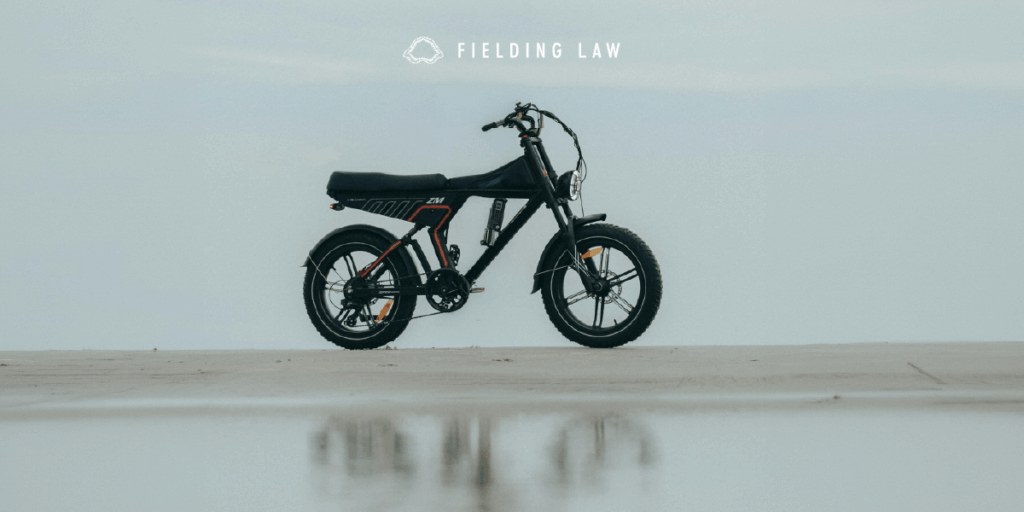
E-Bike standing upright on pavement with a blue sky behind it

12 Year Old E-Bike Rider Seriously Injured In California Crash

By Bicycle Accident, Catastrophic Injury, E-Bikes and E-Scooters, News, Product Liability, Spinal Cord Injury
The scene of an e-bike crash that left a 12-year-old hospitalized with major injures in San Luis Obispo on May 9, 2026. (San Luis Obispo Police Department)

The scene of an e-bike crash that left a 12-year-old hospitalized with major injures in San Luis Obispo on May 9, 2026. (San Luis Obispo Police Department)

A Serious Reminder About E-Bike Safety

A recent crash in San Luis Obispo County involving a 12-year-old boy has renewed concerns about e-bike safety, especially among children and teenagers. According to reports from KTLA and other local news outlets, the child suffered major injuries after an e-bike collision on May 9 and was flown to a trauma center for emergency treatment.

As e-bikes become more common across California neighborhoods, schools, and bike paths, many parents are asking important questions. Are children too young for high-powered e-bikes? Are current regulations enough? And who may be responsible when a devastating crash happens?

At Fielding Law, we have seen how quickly a normal day can turn into a traumatic situation after a serious collision. E-bike accident injuries can be severe, especially for young riders.

Why E-Bike Accidents Are Increasing

E-bikes have become increasingly popular over the last few years. Many families see them as convenient, affordable, and fun. Teenagers often use them to get to school, visit friends, or avoid relying on parents for rides.

However, many e-bikes travel much faster than traditional bicycles. Some can reach speeds of 20 to 28 miles per hour or more. Certain modified or illegally altered bikes can exceed those limits entirely.

That combination of speed, inexperience, and traffic exposure creates serious danger.

Reports surrounding the San Luis Obispo County crash indicate the child suffered significant injuries requiring air transport to a trauma center. Situations like this continue to raise alarms about how quickly an e-bike accident can become life-threatening.

Sadly, this is not an isolated event. Communities across California continue seeing serious crashes involving minors riding e-bikes and other electric vehicles.

California E-Bike Laws Matter

California divides e-bikes into three classes:

Class 1 E-Bikes

These provide pedal assistance only and stop assisting at 20 mph.

Class 2 E-Bikes

These include a throttle and can travel up to 20 mph without pedaling.

Class 3 E-Bikes

These can assist riders up to 28 mph and come with stricter rules.

California law generally requires riders of Class 3 e-bikes to be at least 16 years old and wear a helmet. Younger riders still sometimes gain access to these bikes through online purchases, modifications, or lack of supervision.

There is also growing concern about electric motorcycles and off-road style bikes being mistaken for legal e-bikes. Some vehicles marketed online look similar to bicycles but are significantly more powerful and may not be street legal.

Parents may not always realize the differences.

Children Face Greater Injury Risks

Children are especially vulnerable in e-bike crashes for several reasons:

  • Limited traffic experience
  • Difficulty judging vehicle speed
  • Less developed reaction time
  • Higher likelihood of risky riding behavior
  • Lack of protective equipment
  • Smaller body size and increased injury vulnerability

Head trauma remains one of the most serious risks. Even when helmets are worn, high-speed impacts can cause catastrophic injuries.

These situations often leave families facing overwhelming medical costs, emotional trauma, rehabilitation needs, and uncertainty about the future.

What Liability Can Look Like After An E-Bike Crash

Every e-bike collision is different. Liability may depend on several factors, including:

Driver Negligence

A motor vehicle driver may be responsible if speeding, distracted driving, unsafe turns, or failure to yield contributed to the collision.

Unsafe E-Bike Operation

Riders can also contribute to crashes through unsafe turns, ignoring traffic signals, or reckless riding.

Defective Equipment

In some cases, faulty brakes, tires, batteries, or manufacturing defects may play a role.

Improperly Marketed Vehicles

Some companies market electric motorcycles as e-bikes, creating confusion for consumers and families.

Property Or Roadway Conditions

Poor road design, visibility issues, or unsafe intersections can also contribute to serious crashes.

Determining what happened often requires reviewing surveillance footage, police reports, vehicle data, witness statements, and accident reconstruction evidence.

Communities Are Calling For Stronger Safety Measures

Across California, cities and school districts are debating how to handle growing e-bike concerns. Some communities are considering:

  • Stricter age enforcement
  • Helmet requirements
  • School safety education
  • Registration systems
  • Restrictions on modified bikes
  • Increased police enforcement
  • Parent education programs

Many parents are also reconsidering whether younger children should operate high-speed e-bikes at all.

The reality is that many children may not fully appreciate how dangerous these vehicles can become in traffic.

What People Usually Do After A Serious E-Bike Crash

After a major collision, families are usually focused on emergency medical care first. Once immediate treatment begins, many people start trying to understand:

It is important not to assume fault before the full investigation is complete. Early information after a crash is often incomplete.

Photographs, helmet preservation, bike inspections, medical documentation, and witness information can all become important later.

Frequently Asked Questions About E-Bike Crash Injuries

Are e-bikes legal for children in California?

Certain classes of e-bikes have age restrictions. Class 3 e-bikes generally require riders to be at least 16 years old.

Can parents be held responsible for a child’s e-bike crash?

Potentially. Liability depends on the circumstances, supervision, the type of bike involved, and other factors.

Are helmets legally required?

Helmet laws vary depending on the e-bike classification and rider age. Helmet use is strongly encouraged for all riders.

Can an e-bike accident lead to a personal injury claim?

In some situations, yes. Claims may involve negligent drivers, defective products, unsafe road conditions, or other contributing factors.

Are some “e-bikes” actually illegal electric motorcycles?

Yes. Some vehicles sold online may not meet California e-bike definitions and may require registration or licensing.

Why Hire Fielding Law

At Fielding Law, we understand that serious injury cases involving children are deeply emotional for families. E-bike crashes can involve complicated liability questions, insurance disputes, and long-term medical concerns. Our team approaches these situations with compassion, attention to detail, and a commitment to helping injured people understand their legal options after a traumatic event.

Moving Forward Safely

E-bikes are likely here to stay. They offer convenience and mobility, but they also come with real risks, especially for younger riders.

The recent San Luis Obispo County crash involving a 12-year-old child is a heartbreaking reminder that these incidents can change lives in seconds.

Parents, schools, communities, and lawmakers continue searching for the right balance between accessibility and safety.

If your family is dealing with injuries after an e-bike accident, Fielding Law may be able to help you understand your options. Call 833.88.SHARK for a free consultation.

Quick Answer Summary

A recent San Luis Obispo County e-bike crash involving a 12-year-old has raised concerns about child safety and California e-bike regulations. E-bike accidents involving minors can lead to severe injuries, especially due to speed and limited riding experience. California has different classifications and age restrictions for e-bikes, but awareness and enforcement challenges remain. Liability in these crashes may involve negligent drivers, unsafe riding behavior, defective equipment, or roadway conditions.

Note: Information provided is for educational purposes and does not constitute legal advice. Always consult with a qualified attorney for legal concerns.
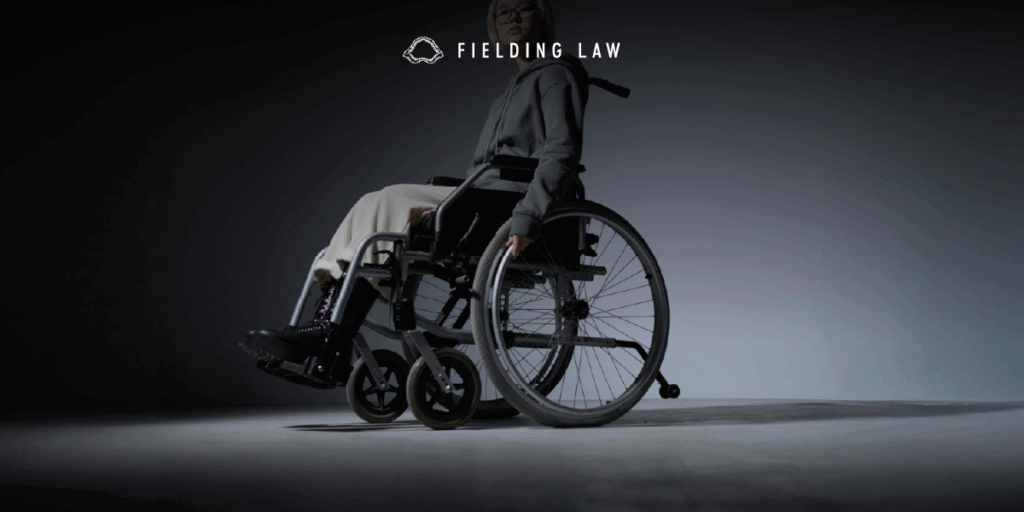
person with a disability sitting in a wheelchair

Are Injury Cases Different for People Who Are Disabled?

By Car Accident, Catastrophic Injury, Personal Injury, Premises Liability, Slip or Trip and Fall, Spinal Cord Injury, Truck Accident, Wrongful Death

In Arizona, living with a disability does not take away your right to pursue a personal injury claim. If someone else’s negligence causes additional harm, you may still recover compensation. An Arizona injury claim with a pre existing disability often involves more detailed analysis, especially when the accident worsens an existing condition or creates new limitations.

These cases require clear medical evidence, thoughtful evaluation, and strong advocacy to show how the injury has truly impacted your life.

What Happens When an Existing Disability Is Worsened

Not every injury starts from a clean slate. Many people already manage physical or neurological conditions before an accident occurs. When an incident makes that condition worse, the law still allows recovery for the added harm.

This is often referred to as an aggravation of a pre existing condition. The focus is not on the original disability, but on how the accident increased pain, reduced function, or created new challenges.

How Compensation Is Evaluated?

An Arizona injury claim with a pre existing disability looks at how your life changed after the accident. Compensation may include:

  • Additional medical treatment or care
  • Increased need for therapy or rehabilitation
  • New or upgraded assistive devices
  • Loss of earning capacity
  • Greater limitations in daily activities
  • Pain and suffering tied to the worsening condition

The goal is to measure the difference between your condition before and after the incident.

Dealing With Insurance Company Arguments

Insurance companies often try to minimize these claims. They may argue that your symptoms existed before the accident or are unrelated to the incident.

However, Arizona law does not allow a negligent party to avoid responsibility simply because someone was already vulnerable. If the accident made your condition worse, that additional harm matters.

Clear and consistent medical documentation is often the key to overcoming these arguments.

Statute of Limitations in Arizona

Most personal injury claims in Arizona must be filed within two years from the date of the accident. This timeline applies even when you have a pre existing disability.

Delays can make it harder to gather evidence and connect the worsening condition to the incident, so acting within the required timeframe is important.

Why Medical Evidence Matters

Strong documentation is essential in any Arizona injury claim with a pre existing disability. Helpful evidence may include:

  • Medical records before and after the accident
  • Imaging that shows changes in condition
  • Physician opinions on worsening symptoms
  • Therapy and rehabilitation records
  • Documentation of daily limitations

Establishing a clear before and after picture helps show how the accident impacted your condition.

Why Hire Fielding Law

At Fielding Law, we understand that injuries are not always simple, especially when a disability is already part of daily life. These cases require attention to detail, medical understanding, and a clear strategy to present the full impact of the harm.

Our team approaches every Arizona injury claim with a pre existing disability with compassion, professionalism, and strong advocacy. We focus on telling the full story of how your life has been affected, not just what appears on paper.

You Deserve to Be Heard

If you were injured and already live with a disability, your experience matters. The law allows you to recover for the ways an accident made your condition worse and affected your future.

To learn more about your options, contact Fielding Law or call 833.88.SHARK.

Note: Information provided is for educational purposes and does not constitute legal advice. Always consult with a qualified attorney for legal concerns.
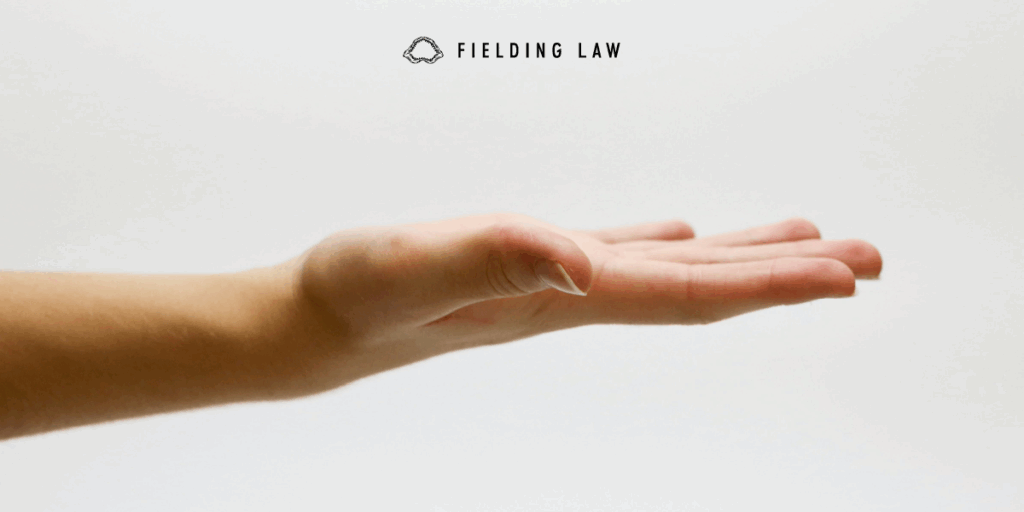
a hand extended out. flat palm up

When Your Sense of Touch Changes After an Injury

By Brain Injury (TBI), Personal Injury, Spinal Cord Injury

The sense of touch helps people interact with the world every day. It allows us to feel temperature, pressure, pain, and comfort. After an accident, however, this sense can change. Loss of touch after injury may occur when trauma affects nerves, the spinal cord, or the brain.

Although some injuries are visible, changes in sensation may develop quietly. For example, a person may notice numbness, tingling, or reduced feeling in certain parts of the body. In other cases, the body may struggle to recognize touch at all.

Because of this, changes in sensation can affect safety, movement, and daily activities.

How Injuries Can Affect Touch

The sense of touch depends on a network of nerves throughout the body. These nerves send signals from the skin to the spinal cord and brain. Then the brain interprets those signals and identifies sensations.

An injury can interrupt this system in several ways.

Common causes of loss of touch after injury include:

Even a single damaged nerve can change sensation in a specific area of the body.

Signs Your Sense of Touch May Be Affected

Loss of touch after injury may appear in different ways. Some people experience numbness. Others notice unusual sensations.

Common symptoms include:

  • Numbness in the hands, feet, arms, or legs

  • Tingling or a “pins and needles” feeling

  • Reduced ability to feel heat or cold

  • Difficulty sensing pressure or pain

  • Increased sensitivity to touch

Sometimes these symptoms affect only a small area. However, more serious injuries may affect larger parts of the body.

When Nerve Damage Is Involved

Nerves play a key role in carrying touch signals. When an accident damages these nerves, sensation may change or disappear.

For example, a car crash may cause nerve compression in the neck or back. Similarly, a fall or impact may damage nerves in the arms or legs. As a result, the brain may receive weak or incorrect signals.

Doctors may use physical exams, imaging tests, or nerve studies to understand how the injury affected the nervous system.

The Impact on Daily Life

Loss of touch after injury can affect many parts of daily life. Without normal sensation, simple tasks may become more difficult.

People may struggle with:

  • Holding objects safely

  • Detecting heat or cold

  • Maintaining balance

  • Completing detailed tasks with their hands

In addition, reduced sensation may increase the risk of burns, cuts, or other injuries because the body does not recognize danger as quickly.

Touch Loss and Personal Injury Claims

When nerve damage or sensory loss results from an accident caused by negligence, the impact may continue long after the initial injury. Medical evaluations, therapy, and rehabilitation may become necessary.

Doctors often document loss of touch after injury through neurological exams and testing. These records help show how the injury affects daily activities and physical function.

Each accident is different. Determining responsibility often requires careful review of the facts surrounding the injury.

Why Hire Fielding Law

At Fielding Law, we understand that injuries can affect the body in ways that are not always visible. Loss of touch after injury may change how someone moves, works, and interacts with their environment. Our team approaches every case with compassion, professionalism, and careful attention to each client’s experience. If an injury occurred because of someone else’s negligence, Fielding Law is here to help you understand your options. Call 833.88.SHARK to speak with a team that prioritizes kindness, clear communication, and client care.

Note: Information provided is for educational purposes and does not constitute legal advice. Always consult with a qualified attorney for legal concerns.
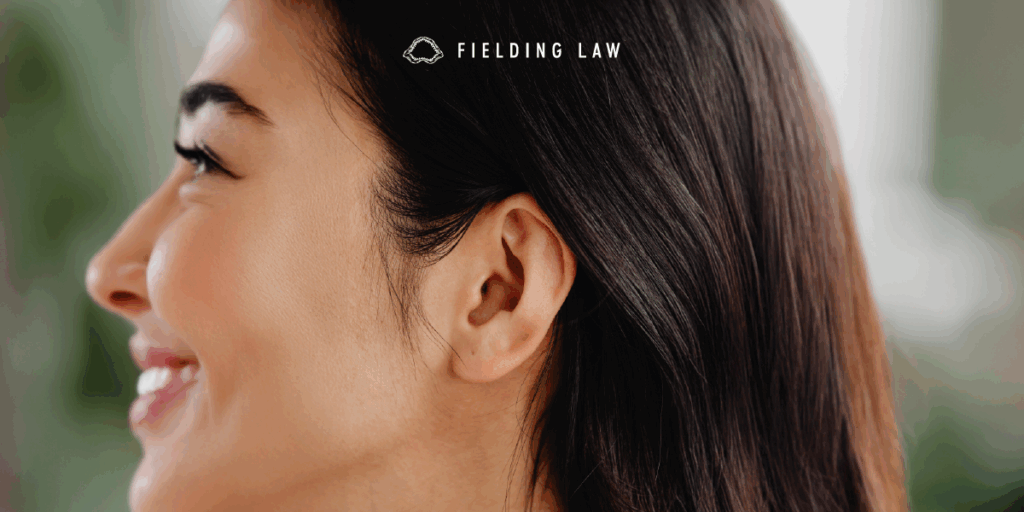
side profile of a woman's face

Can an Injury Affect Hearing?

By Brain Injury (TBI), Catastrophic Injury, Personal Injury, Spinal Cord Injury

Our senses quietly guide nearly every moment of the day. Hearing allows us to communicate, stay aware of our surroundings, and connect with the people around us. When an accident occurs, however, this sense can suddenly change. Hearing loss after injury is more common than many people realize.

An accident that involves head trauma, loud impact, or damage near the ears can disrupt the delicate structures responsible for hearing. In some cases the change happens immediately. In others, symptoms may appear gradually over time.

Recognizing these changes can help people seek medical care and better understand what they are experiencing.

How Injuries Can Affect Hearing

Hearing depends on several complex parts of the body working together. The outer ear collects sound, the inner ear converts it to signals, and the brain interprets those signals.

An injury can interfere with any part of this process.

Some causes of hearing loss after injury include:

  • Head trauma or traumatic brain injuries

  • Damage to the inner ear structures

  • Ruptured or perforated eardrums

  • Exposure to extremely loud noise during an accident

  • Skull fractures near the ear

Even a sudden pressure change or strong blow to the head can disturb these sensitive systems.

Signs Your Hearing May Be Affected

Hearing changes after an accident are not always obvious right away. Some symptoms can appear subtle at first.

Common signs include:

  • Ringing in the ears, often called tinnitus

  • Muffled or reduced hearing

  • Difficulty understanding conversations

  • Feeling like sounds are distant or distorted

  • Dizziness or balance problems

  • Sensitivity to certain sounds

Because hearing and balance are closely connected in the inner ear, some individuals may also experience vertigo or instability.

When Hearing Problems Are Linked to Brain Injuries

The brain plays a key role in how we interpret sound. When a traumatic brain injury occurs, the brain may struggle to process auditory signals properly.

For example, someone may technically hear a sound but have trouble identifying where it came from. Others may find it difficult to follow conversations in crowded environments.

These issues can be frustrating and may require evaluation by specialists such as audiologists or neurologists.

The Emotional Impact of Hearing Changes

Hearing connects people to their environment and their relationships. When hearing loss after injury occurs, individuals may feel isolated or overwhelmed.

Daily challenges may include:

  • Struggling to follow conversations

  • Difficulty at work or in meetings

  • Feeling disconnected in social settings

  • Increased fatigue from trying to focus on sounds

Support, medical care, and hearing evaluations can help people better manage these changes.

Hearing Loss and Personal Injury Claims

When hearing damage results from an accident caused by negligence, the long term effects may extend beyond the initial event. Medical evaluations, hearing devices, therapy, and ongoing care may become necessary.

In personal injury cases, documenting hearing loss after injury often involves testing by audiologists and other medical specialists. Their evaluations help determine how the injury affected the individual and what care may be needed moving forward.

Each situation is unique, and understanding how an accident occurred requires a careful review of the facts.

Why Hire Fielding Law

At Fielding Law, we understand that injuries can affect parts of life that people rarely think about until they change. Hearing loss can impact communication, safety, and daily independence. Our team approaches every case with compassion, professionalism, and respect for what clients are experiencing. If hearing loss after injury may be connected to someone else’s negligence, Fielding Law is here to help you understand your options. Call 833.88.SHARK to speak with a team that prioritizes kindness, client service, and thoughtful representation.

Note: Information provided is for educational purposes and does not constitute legal advice. Always consult with a qualified attorney for legal concerns.
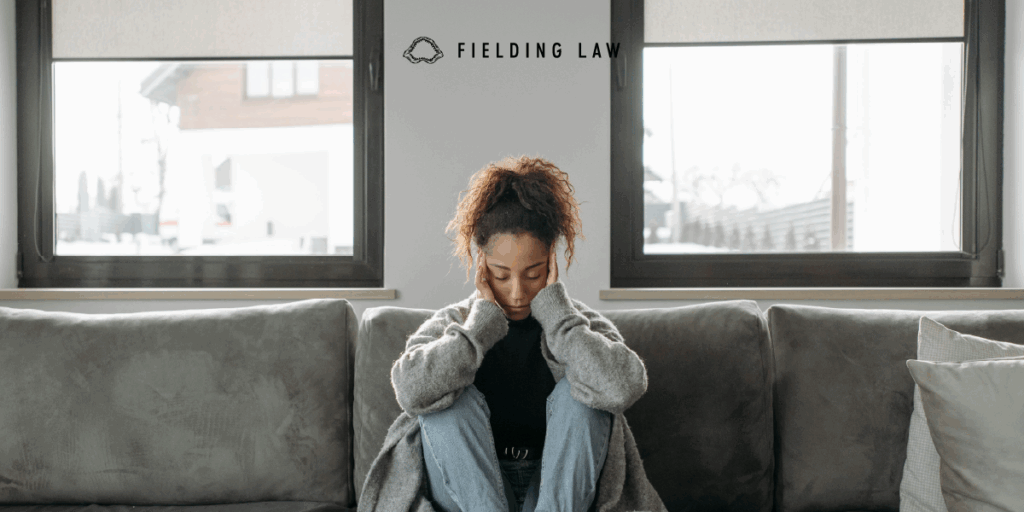
person with a brain injury holding their head

Life After a TBI

By Bicycle Accident, Brain Injury (TBI), Car Accident, E-Bikes and E-Scooters, Motorcycle Accident, Pedestrian Accident, Personal Injury, Slip or Trip and Fall, Spinal Cord Injury, Truck Accident

What Is a Traumatic Brain Injury?

A traumatic brain injury, often called a TBI, happens when a sudden impact or force disrupts how the brain works. This can occur during a car accident, fall, sports injury, or any event where the head strikes an object or is violently shaken.

Even mild injuries like concussions can cause lasting problems. Understanding traumatic brain injury after effects is important for proper care and long term recovery.

Common Causes of TBIs

Traumatic brain injuries often result from preventable accidents. Common causes include:

In many cases, these injuries occur because someone acted negligently. When that happens, legal options may be available.

Short Term Symptoms May Fade, Long Term Effects May Not

Some symptoms appear right away, while others develop gradually. Headaches or dizziness may improve, but many traumatic brain injury after effects can last for years or even a lifetime.

Long term effects may include:

  • Memory loss or difficulty concentrating

  • Mood changes, including anxiety or depression

  • Personality changes

  • Sleep problems

  • Sensitivity to light or noise

  • Chronic headaches

  • Difficulty with speech or balance

Even daily tasks can become challenging, and relationships, work, and personal independence may be affected.

How TBIs Affect Work and Daily Life

Brain injuries often impact earning potential. A person may require reduced hours, job modifications, or even a career change. Therapy, medications, and medical appointments can create additional financial stress.

Beyond financial challenges, traumatic brain injury after effects can affect independence. Many people need assistance with transportation, household tasks, or personal care, which can be stressful for the entire family.

TBIs in California and Arizona

California and Arizona recognize traumatic brain injuries as serious personal injuries. Each state has its own rules for filing claims.

In California, personal injury claims usually must be filed within two years. Arizona typically follows the same two year statute of limitations. Cases involving minors or government entities may have different rules.

Brain injuries often worsen over time. Waiting too long can make it harder to link symptoms to the original accident. Consulting an attorney early can help preserve evidence and medical records.

Why Hire Fielding Law

Traumatic brain injury after effects require careful evaluation, medical expertise, and legal guidance. At Fielding Law, we understand how deeply these injuries can impact every part of life. Our team works closely with doctors and experts to capture the full impact, not just what is immediately visible.

We listen, explain options clearly, and handle your case with professionalism and care. If you or a loved one is living with the long term effects of a brain injury caused by negligence, you do not have to face it alone. Contact Fielding Law or call 833.88.SHARK to speak with our team.

Note: Information provided is for educational purposes and does not constitute legal advice. Always consult with a qualified attorney for legal concerns.

Close Menu
Call Now Button