
Category

Car Accident

What Does a Car Accident Lawyer Do?

By Car Accident

A car accident can leave you with medical bills, vehicle damage, missed work, and questions about what to do next. Insurance companies may contact you soon after the crash, sometimes before you know the full extent of your injuries.

A car accident lawyer helps injured people understand their rights, gather evidence, deal with insurance companies, and pursue compensation. The lawyer’s role may change as the case develops, but the goal is to guide the client through the legal process and protect the value of the claim.

Evaluate Your Case

The process often begins with a consultation. During this meeting, the lawyer asks questions about the accident, your injuries, your medical treatment, and any contact you have had with insurance companies.

After evaluating the available information, the lawyer can explain whether you may have a claim, which parties may be responsible, and what steps may come next. This early review also helps identify filing deadlines and evidence that should be preserved.

Investigate the Accident

A car accident claim’s value often depends on the strength of the available evidence. A lawyer may investigate how the crash happened and determine whether another driver, a vehicle owner, an employer, a manufacturer, or another party contributed to it.

The investigation may include:

  • Interviewing witnesses
  • Obtaining traffic camera or surveillance footage
  • Reviewing vehicle damage
  • Examining cellphone or driving records
  • Requesting maintenance records
  • Visiting the accident scene
  • Consulting an accident reconstruction professional

Evidence can become harder to find as time passes. Video may be erased, vehicles may be repaired, and witnesses may forget details. Starting the investigation early can help preserve information that supports the claim.

Identify and Calculate the Damages

A car accident lawyer also evaluates how the collision has affected the injured person. Compensation may include both financial and personal losses.

Economic damages may cover medical expenses, rehabilitation, lost wages, reduced earning ability, property damage, and other out-of-pocket costs. Records such as bills, pay statements, tax documents, and repair estimates can help prove these losses.

Non-economic damages may address pain and suffering, emotional distress, disability, scarring, and loss of enjoyment of life. These losses do not have a fixed price, so the lawyer may review medical evidence and the injury’s effect on the client’s daily activities.

A claim should consider future losses when they can be supported by evidence. For example, a serious injury may require ongoing treatment or prevent a person from returning to the same type of work.

Communicate with Insurance Companies

Insurance adjusters investigate claims on behalf of insurance companies. Their job is not to provide legal advice to the injured person. They may request a recorded statement, ask for medical records, question the severity of an injury, or make an early settlement offer.

The lawyer may also:

  • Report the claim
  • Provide supporting records
  • Respond to requests for information
  • Challenge unfair allegations of fault
  • Review settlement offers
  • Negotiate for a reasonable resolution

Having a car accident lawyer handle these communications helps reduce the risk that a client’s statement will be misunderstood or used to challenge the claim.

Negotiate a Settlement

Many car accident claims are resolved through settlement negotiations. The lawyer may prepare a demand letter that explains how the accident occurred, why the other party is responsible, the injuries sustained, and the compensation being requested.

Negotiations may continue through several offers and responses. The client decides whether to accept or reject a settlement, but the lawyer can provide information about the strengths, risks, and likely costs of each option. 

Once a settlement is accepted, the injured person usually cannot return later and request more money. A lawyer can explain the terms of an offer before the client makes that decision.

File a Lawsuit

Some claims cannot be resolved through insurance negotiations. When necessary, a lawyer may file a lawsuit and represent the injured person in court.

Litigation may involve written discovery, depositions, expert testimony, court hearings, mediation, and trial preparation. Even after a lawsuit is filed, the parties may continue discussing a settlement.

Not every case goes to trial. However, preparing the claim as though a trial may occur can help ensure the evidence is organized and the legal issues are fully addressed.

Contact the Irvine Car Accident Lawyers at Fielding Law for a Free Consultation

The aftermath of a crash can be confusing, especially when medical care, insurance claims, and missed work must be handled simultaneously. Speaking with a lawyer can help you understand the claims process, evaluate your losses, and decide how to move forward.

For more information about how we can help, contact an experienced Irvine car accident lawyer at Fielding Law at 833.88.SHARK to schedule a free consultation.

Person holding an insurance check

Can You Reopen a Claim After Cashing an Insurance Check in Arizona?

By Car Accident, Motorcycle Accident, Pedestrian Accident, Personal Injury, Slip or Trip and Fall

You Accepted A Check In Arizona, Now What

After an accident in Arizona, the process can move fast. Medical bills arrive. Insurance adjusters reach out. Then a check is offered.

It may feel like progress. However, weeks later, your injuries may worsen or expenses may grow. That is when many people ask, can I reopen an insurance claim after settlement?

The answer depends on what you signed and what the payment actually covered.

What This Means Under Arizona Law

In Arizona, accepting a settlement usually involves signing a release of liability. This document typically ends your right to pursue more compensation related to that accident.

Once that release is signed, reopening your claim is very difficult. Arizona courts generally enforce settlement agreements unless there is a strong legal reason not to.

Because of this, understanding your agreement is critical before accepting any payment.

Common Situations In Arizona Claims

You Signed A Full Release

This is the most common situation.

If you signed a release and accepted payment, your claim is typically closed. Even if your injuries become more serious later, the agreement usually still applies.

You Cashed A Check Without Signing A Release

In some cases, people deposit a check without signing formal settlement documents.

However, the check itself or accompanying paperwork may include language that finalizes the claim. Arizona law may treat that as acceptance, depending on the wording.

You Settled Property Damage Only

Some claims involve separate payments.

If your check only covered vehicle damage, you may still have the right to pursue compensation for bodily injuries. This depends on whether you signed anything that included both types of damages.

You Were Misled Or Pressured

If the insurance company acted unfairly, there may be limited grounds to challenge the settlement. Examples include:

  • Misrepresentation of key facts
  • Rushing you into a decision before medical care was complete
  • Failing to explain the scope of the release

These cases are fact specific and require careful review.

Legal Rights And Key Factors In Arizona

Release Agreements Carry Significant Weight

Arizona courts generally uphold signed settlement agreements. The release document will define:

  • What damages were included
  • Whether future claims are waived
  • The scope of the settlement

Even a short document can permanently close your case.

Timing Matters In Injury Claims

Insurance companies often try to settle quickly. This can happen before:

  • You reach maximum medical improvement
  • Long term symptoms are known
  • Future treatment costs are clear

Accepting a settlement too early can limit your ability to recover full compensation.

Statute Of Limitations Still Applies

In Arizona, most personal injury claims must be filed within two years of the accident. However, once you settle and sign a release, that timeline no longer matters because the claim is already resolved.

What People In Arizona Usually Do Next

After accepting a check, many people take time to review their situation.

They often:

  • Look back at the documents they signed
  • Compare the settlement amount to actual costs
  • Seek guidance to understand whether anything remains open

Sometimes they realize their injuries are more serious than expected. Unfortunately, if a full release was signed, options may be limited.

Frequently Asked Questions

Can I reopen an insurance claim after settlement in Arizona?

Usually, no. If you signed a release of liability, your claim is considered closed under Arizona law.

What if my injuries got worse after I settled?

This is common. However, worsening injuries usually do not allow you to reopen a settled claim.

Does cashing a check count as accepting a settlement?

It can. Some checks include language that makes depositing them equal acceptance. The details matter.

Can I still negotiate after accepting payment?

If the settlement was final, further negotiation is unlikely. If the payment was limited to certain damages, additional claims may still be possible.

Are there exceptions in Arizona?

Yes, but they are limited. Situations involving fraud, mistake, or misrepresentation may allow a settlement to be challenged.

Why Hire Fielding Law

Fielding Law understands how quickly insurance decisions can impact your future. Arizona injury claims involve important legal details that are easy to overlook during stressful moments. Our team focuses on clear communication, careful evaluation, and strong advocacy. If you are unsure whether you can reopen an insurance claim after settlement in Arizona, we can help you understand your position and explore your options.

Protect Your Rights Before And After Settlement

Accepting a check may feel like closure. However, it can also limit your ability to recover additional compensation.

Before signing or depositing any payment, make sure you understand:

  • What the settlement includes
  • Whether you are giving up future rights
  • The full scope of your injuries and costs

If you already accepted a check and have questions, it is still worth getting clarity.

Call Fielding Law at 833.88.SHARK for a free consultation. A thoughtful review of your situation can help you move forward with confidence.

Note: Information provided is for educational purposes and does not constitute legal advice. Always consult with a qualified attorney for legal concerns.

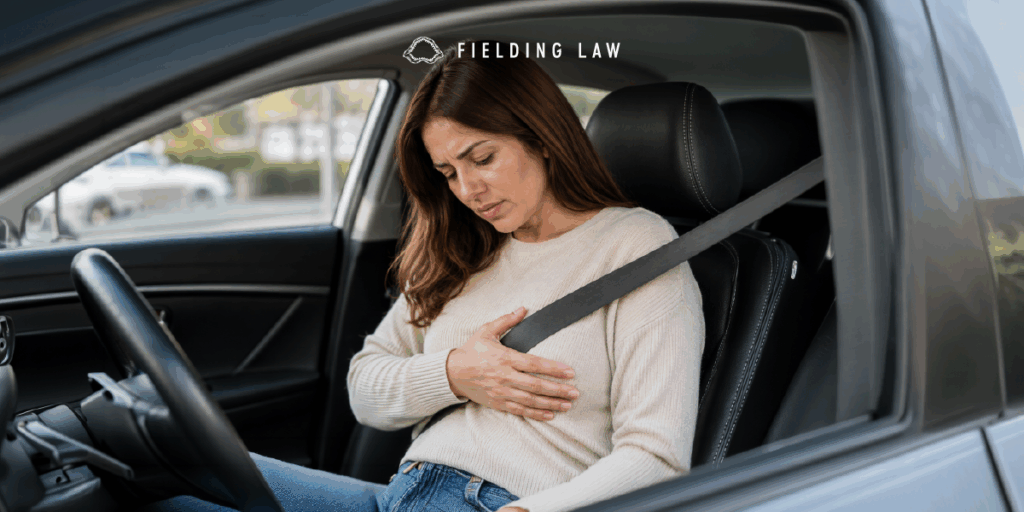
woman sitting in car wearing a seatbelt and holding her breast. She looks sad or concerned

What is Breast Fat Necrosis After A Seatbelt Injury?

By Car Accident, Personal Injury

A Crash Ends, But The Pain Stays

After a car accident, most people expect bruises, soreness, or even fractures. What many do not expect is discovering a lump in the breast weeks later. It can feel alarming and deeply stressful, especially when there was no sign of injury immediately after the crash.

One possible explanation is breast fat necrosis from seatbelt injury. This condition can develop when the force of a seatbelt compresses breast tissue during impact. While seatbelts save lives every day, the pressure they place on the chest during a collision can still lead to painful soft tissue injuries.

Many people do not realize the connection between their symptoms and the accident until much later. That delay can create confusion during medical treatment and insurance claims alike.

What This Means

Fat necrosis happens when fatty tissue in the breast becomes damaged and does not heal normally. Instead, the injured tissue hardens into scar tissue or forms small oil cysts beneath the skin.

Although fat necrosis is considered noncancerous, it can closely resemble more serious conditions. Many people describe finding a firm lump or thickened area that feels unusual compared to surrounding tissue.

Common symptoms may include:

  • Firm or hard lump in the breast
  • Tenderness or soreness
  • Lingering bruising after a crash
  • Skin dimpling or texture changes
  • Discomfort when wearing a bra or seatbelt

These symptoms may appear days or even weeks after the accident.

How Seatbelt Injuries Cause Breast Trauma

During a collision, the body moves forward rapidly before the seatbelt restrains it. That sudden force protects the driver or passenger from more severe harm, but it can also compress soft tissue against the ribcage.

The impact may damage small blood vessels and fat cells inside the breast tissue. As the body heals, scar tissue can develop in place of healthy tissue.

Breast fat necrosis from seatbelt injury is more commonly seen in:

Even moderate crashes can cause soft tissue injuries that are not fully understood until later.

Real Concerns People Face

One of the hardest parts of this injury is the fear that comes with discovering a lump. Many people immediately worry about breast cancer.

Doctors often recommend imaging tests such as:

  • Mammograms
  • Ultrasounds
  • MRI scans in some situations
  • Biopsies if imaging remains unclear

The emotional toll can be significant. Some accident victims go through weeks of uncertainty before receiving answers.

Medical treatment depends on the severity of the condition. Some cases improve over time with monitoring. Others may involve pain management or surgical removal if the area becomes especially uncomfortable.

Legal Rights After A Car Accident

Soft tissue injuries are sometimes harder to prove than broken bones or visible wounds. Insurance companies may question delayed symptoms or argue that the condition existed before the crash.

That is why medical documentation matters.

In California and Arizona, injury claims generally require evidence connecting the crash to the injury. Medical records, imaging results, photographs of bruising, and reports of chest pain shortly after the accident may all help support a claim.

In Arizona, injury claims are generally based on fault. California also follows a fault based system, though comparative negligence rules may affect compensation depending on the circumstances.

Every case is different, and outcomes depend on the available evidence and facts surrounding the collision.

What People Usually Do After An Injury Like This

Many accident victims initially assume their bruising will fade naturally. When symptoms continue or new lumps develop, they often:

  • Schedule follow up medical appointments
  • Undergo imaging or testing
  • Keep records of symptoms and discomfort
  • Speak with specialists about treatment options
  • Review whether the injury may be connected to the accident

Delays in symptoms are common with soft tissue trauma. That does not automatically mean the injury is unrelated to the collision.

Frequently Asked Questions

Can breast fat necrosis from seatbelt injury show up later?

Yes. Some people do not notice symptoms until days or weeks after the crash.

Is fat necrosis dangerous?

Fat necrosis itself is noncancerous, but medical evaluation is important because symptoms can resemble more serious conditions.

Will the lump disappear?

Some areas improve gradually over time. Others may remain permanently or require treatment if painful.

Can a seatbelt really cause this injury?

Yes. The force of a seatbelt during impact can compress breast tissue and lead to internal soft tissue damage.

Why Hire Fielding Law

At Fielding Law, we understand that not every injury is immediately visible. Soft tissue injuries can disrupt daily life, create emotional stress, and lead to ongoing medical concerns long after a crash. Our team approaches every case with compassion, attention to detail, and a commitment to helping clients feel heard throughout the legal process.

Support Starts Here

If you are experiencing pain, unusual symptoms, or lingering concerns after a car accident, it is important to seek medical attention as soon as possible. Injuries involving breast trauma may take time to fully appear, but they still deserve careful evaluation and documentation.

For questions about an accident related injury, contact Fielding Law for a free consultation at 833.88.SHARK.

Note: Information provided is for educational purposes and does not constitute legal advice. Always consult with a qualified attorney for legal concerns.

money on a table next to a wallet

What Is My Personal Injury Case Worth?

By Assault, Bicycle Accident, Burn Injury, Car Accident, Dog / Animal Bite, E-Bikes and E-Scooters, Personal Injury, Slip or Trip and Fall, Wrongful Death

What Is My Personal Injury Case Worth?

A personal injury case is worth the total value of financial losses and non economic harm caused by an accident. This includes medical expenses, lost income, future care needs, and pain and suffering. The final value depends on injury severity, available evidence, and liability.

What Determines Case Value

Personal injury compensation is based on several major categories of damages.

Medical Treatment And Future Care

Medical records are a primary factor in case value. Emergency care, surgeries, rehabilitation, medication, and future treatment needs all contribute to total compensation.

Lost Income And Earning Ability

If injuries prevent work, compensation may include missed wages and reduced future earning capacity. More serious injuries often have a long term financial impact.

Pain And Suffering

Non economic damages include physical pain, emotional distress, anxiety, and reduced quality of life. These losses vary based on how significantly the injury changes daily living.

Liability And Fault

Case value depends on who is responsible for the accident. In California and Arizona, comparative fault rules may reduce compensation if more than one party shares responsibility.

Property Damage

Vehicle repair or replacement and other damaged property may also be included in the claim.

Why Case Value Is Not A Fixed Number

There is no universal formula that determines case value. Each claim depends on unique facts, medical evidence, and long term impact.

Early settlement offers may not reflect future medical needs or full damages. This is why careful evaluation is important before accepting any offer.

Why Hire Fielding Law

Understanding What Is My Personal Injury Case Worth? requires a detailed review of medical records, liability, and long term impact. At Fielding Law, each case is carefully evaluated to understand the full scope of damages, including future losses that may not be immediately visible. The focus is on clear guidance, strong preparation, and client support throughout the process.

Bottom Line

The value of a personal injury case depends on medical costs, liability, lost income, and the overall impact on daily life. Because every case is different, accurate valuation requires a full review of the facts and evidence.

If you are asking What Is My Personal Injury Case Worth?, the answer depends on how the injury has affected health, work, and quality of life over time.

For a free consultation, call 833.88.SHARK.

Note: Information provided is for educational purposes and does not constitute legal advice. Always consult with a qualified attorney for legal concerns.

Person riding in the bike lane and a door is open on a car next to the bicycle lane

A Sudden Door, A Serious Impact: Dooring Bicycle Accidents

By Bicycle Accident, Car Accident, Catastrophic Injury, Wrongful Death

A cyclist rides along a city street expecting a clear path. Traffic is steady, signals are normal, and the ride feels predictable. Then a parked driver opens a car door directly into the bike lane without warning. The cyclist has almost no time to react.

This is known as a dooring incident, and it can cause severe injuries in seconds. Even at low speeds, the force of impact can throw a cyclist into traffic, onto pavement, or into nearby vehicles.

In busy areas of California and Arizona, especially in urban corridors and tourist zones, these incidents happen more often than many people realize. They are not minor collisions. They often lead to broken bones, head trauma, spinal injuries, and long recovery periods.

What Dooring Bicycle Accidents Claims Mean Legally

A Preventable Type Of Collision

A dooring crash occurs when a vehicle occupant opens a door into the path of a moving cyclist. In many cases, the cyclist has the right of way, especially in marked bike lanes.

These incidents are typically considered preventable because drivers and passengers are expected to check for approaching traffic before opening a door. When they do not, it can form the basis of a negligence claim.

In both California and Arizona, traffic laws generally require vehicle occupants to ensure it is safe before opening a door into traffic. When that duty is ignored, liability may follow.

Common Causes Of Dooring Crashes

Driver Inattention Or Distraction

Many dooring incidents happen because the driver or passenger is distracted. Phones, conversations, or rushing can reduce awareness of approaching cyclists.

Poor Use Of Mirrors Or Blind Spot Checks

People often forget to check side mirrors or glance over their shoulder before opening a door. This simple step could prevent many injuries.

Improper Parking Behavior

When vehicles park too close to bike lanes or traffic lanes, cyclists are placed in a vulnerable position with little room to avoid sudden obstacles.

Lack Of Awareness In Urban Areas

In busy downtown areas, drivers may not expect cyclists to be present. This assumption increases risk significantly in cities throughout California and Arizona.

Injuries Commonly Seen In Dooring Accidents

Head And Brain Injuries

Cyclists often fall directly onto pavement or into traffic after impact. Concussions and traumatic brain injuries are common.

Fractures And Orthopedic Injuries

Broken wrists, collarbones, ribs, and legs frequently occur when riders attempt to brace themselves during a fall.

Spinal And Back Injuries

The sudden force of impact can lead to long-term spinal damage, sometimes requiring surgery or extended therapy.

Soft Tissue And Facial Injuries

Cuts, bruises, and dental injuries are also frequent, especially when helmets do not fully protect the face.

Legal Rights After A Dooring Incident

Liability May Rest With The Vehicle Occupant

In many cases, the person who opens the door may be held responsible. This is especially true if they failed to check for cyclists before opening it.

Insurance coverage from the driver’s policy may apply, depending on the circumstances. However, insurance companies often attempt to minimize payouts or dispute fault.

Comparative Fault In California And Arizona

Both California and Arizona follow comparative fault principles. This means more than one party can share responsibility for an accident.

For example, if a cyclist was riding outside a designated bike lane or moving at an unsafe speed, an insurer may try to reduce compensation. Even so, an injured person may still pursue a claim for damages.

Next Steps After A Dooring Accident

Seeking Medical Attention First

Many injuries are not immediately visible. A medical evaluation is important even if symptoms seem minor at first.

Reporting The Incident

Police reports and witness statements can help document what happened. This becomes important when determining fault later.

Gathering Evidence

Photos of the vehicle, door position, bike lane markings, and surrounding area can support a claim.

Speaking With An Attorney Early

Insurance companies may contact injured cyclists quickly. Early legal guidance can help protect a claim from being undervalued.

If you are dealing with injuries from a dooring incident, Fielding Law can help review what happened and explain possible next steps.

Why Dooring Cases Can Be Complex

Dooring claims may seem straightforward, but liability disputes are common. Insurance carriers may argue that the cyclist was not visible, or that traffic conditions made the incident unavoidable.

In reality, most dooring crashes involve preventable mistakes. Determining fault requires reviewing roadway design, vehicle positioning, and timing of the door opening.

This is why documentation and early investigation matter so much in these cases.

Frequently Asked Questions

Who is usually responsible in a dooring accident?

In most situations, the person who opens the vehicle door is responsible, especially if they fail to check for approaching cyclists.

Can a cyclist still recover damages if they were partially at fault?

Yes. In both California and Arizona, comparative fault rules may still allow recovery even if the cyclist shares some responsibility.

What damages can be included in a claim?

Medical expenses, lost income, pain and suffering, and long-term rehabilitation costs may all be part of a claim depending on the facts.

Do I need an attorney for dooring bicycle accident claims?

These claims often involve insurance disputes and fault analysis, so legal guidance can help protect your rights and strengthen your case.

Why Hire Fielding Law

Dooring accidents can leave cyclists dealing with serious injuries, financial stress, and uncertainty about what comes next. Insurance companies may not fully account for the impact of the crash, especially when liability is disputed.

Fielding Law focuses on helping injured individuals navigate these situations with clarity and care. The firm takes time to understand how the incident happened, what injuries occurred, and how the law applies in California and Arizona. The goal is to provide thoughtful guidance and steady support during a difficult time.

Moving Forward After A Dooring Injury

A dooring incident can change a normal day in an instant. Recovery often involves medical treatment, time away from work, and emotional stress. While every case is different, understanding your rights can be an important first step.

If you or someone you know has been injured in a dooring crash, support is available. You can speak with Fielding Law or call 833.88.SHARK for a free consultation to learn more about your options.

Note: Information provided is for educational purposes and does not constitute legal advice. Always consult with a qualified attorney for legal concerns.

A man in the car with an angry face using aggressive gestures

How Aggressive Driving Turns Dangerous

By Assault, Car Accident

Aggressive Driving Accident Claim and Immediate Risk

An aggressive driving accident claim often starts with risky behavior on the road. At first, it may seem minor. However, it can quickly turn serious when drivers speed, tailgate, or make unsafe lane changes. As a result, crashes can happen in seconds.

In many cases, these situations escalate even further. For example, road rage, wrong way driving, or high speed police chases may follow. Consequently, injuries are often severe, and in some cases, fatal.

Because of this, victims and families are often left dealing with medical care, stress, and insurance issues all at once.

How Aggressive Driving Becomes Dangerous

Aggressive driving can build quickly. In the beginning, it may involve simple frustration. However, it often grows into unsafe behavior that puts everyone at risk.

Common aggressive driving behaviors include:

  • Speeding and unsafe passing
  • Tailgating other vehicles
  • Sudden lane changes
  • Running traffic signals
  • Intimidating other drivers

As these actions continue, they often lead to serious crashes and potential legal claims.

Road Rage and Escalating Conflict

Road rage is one of the most dangerous forms of aggressive driving. In fact, emotions can take over quickly and remove any sense of caution.

These incidents may include:

  • Forcing cars off the road
  • Sudden braking to scare others
  • Verbal or physical threats
  • Intentional contact with other vehicles

Because of this escalation, crashes are often severe and unpredictable.

Wrong Way Driving and Severe Crashes

Wrong way driving is especially dangerous. Not only does it happen suddenly, but it also often occurs at high speeds.

Common causes include:

  • Impaired driving
  • Confused or disoriented drivers
  • Drivers fleeing police
  • Missed road signs

As a result, head-on collisions can lead to life changing injuries or death.

High Speed Police Chases and Public Risk

High speed chases also create serious danger. While law enforcement responds to threats, fleeing drivers often act without regard for safety.

These events may lead to:

  • Multi vehicle crashes
  • Injuries to innocent drivers
  • Pedestrian harm
  • Severe impact collisions

Therefore, people who are not involved in the chase can still suffer serious harm.

Injuries Common in These Crashes

These cases often involve strong impact forces. Because of that, injuries tend to be serious.

Common injuries include:

In some situations, these crashes can also lead to wrongful death.

Legal Responsibility After a Crash

Responsibility depends on what happened before and during the crash. Often, one or more parties may be at fault.

For example, it may involve:

  • The aggressive driver
  • A fleeing suspect in a chase
  • Other contributing roadway factors

In both California and Arizona, injured people may have the right to seek compensation. However, each case depends on evidence such as reports, witnesses, and crash details.

What Happens After a Crash

After a crash, people often focus on medical care first. Then, they begin dealing with insurance and financial concerns.

Common next steps include:

Meanwhile, insurance companies may try to limit payouts. Therefore, careful documentation becomes very important.

Why Legal Guidance Matters

These cases can become complex quickly. For instance, evidence may disappear, or fault may be disputed.

Because of this, it is important to understand how liability works and what insurance may apply. In addition, early action can help preserve important evidence.

Why Hire Fielding Law

Fielding Law supports injured individuals and families after serious crashes. The focus is on clear communication, care, and helping clients understand their options after a serious accident.

Frequently Asked Questions

What is an aggressive driving accident claim?

It is a legal claim that may arise when reckless driving causes injury or harm to another person.

Can road rage lead to a claim?

Yes. If aggressive actions cause a crash, a claim may be possible.

Who is responsible in a high speed chase crash?

It depends on the facts, including the actions of the fleeing driver and other factors.

Are wrong way crashes more serious?

Yes. They often involve head on impacts at high speeds.

What should I do after a crash like this?

Seek medical care first, then consider speaking with a legal professional about your options.

Moving Forward After a Serious Crash

Aggressive driving crashes can happen quickly. However, the effects can last a long time. Because of this, victims often face medical, financial, and emotional stress all at once.

If you or a loved one has been injured, Fielding Law can help you understand your next steps. Call 833.88.SHARK for a free consultation.

Note: Information provided is for educational purposes and does not constitute legal advice. Always consult with a qualified attorney for legal concerns.

multiple work vehicles in rows

Injured By A Company Vehicle?

By Car Accident, Personal Injury, Truck Accident, Wrongful Death

A work vehicle injury claim can feel overwhelming from the start. When a company truck or service vehicle causes an accident, the situation often involves more than just one driver. Because of this, understanding how these claims work can help you feel more prepared and less uncertain.

What Makes These Accidents Different

Not every crash follows the same rules. When a driver operates a vehicle for work, responsibility may extend beyond that person. In many cases, the employer may also share liability.

This often depends on whether the driver was performing job duties at the time. For example, this may include:

  • Delivering goods
  • Driving between job sites
  • Running errands for work

However, if the driver was off duty, the situation may change. As a result, each case requires careful review.

Why These Incidents Happen

Work vehicles are everywhere. You see them in neighborhoods, on highways, and near businesses. Still, certain risks come up more often.

Tight Deadlines

Many drivers work under pressure. Because of that, they may rush through traffic or miss signals.

Large Blind Spots

Trucks and vans have limited visibility. This makes it harder to see people or smaller vehicles nearby.

Long Hours On The Road

Fatigue can build over time. When drivers feel tired, reaction time often slows.

Missed Maintenance

Companies must keep vehicles in safe condition. When they do not, mechanical problems can lead to serious accidents.

A Common Scenario

Picture a service truck leaving a job site. Equipment in the back is not secured. As the vehicle turns, tools fall into the street and injure someone nearby.

In this type of situation, more than one party may be involved.

Understanding Liability And Insurance

These cases often involve more moving parts than a typical accident. Because of that, several factors may affect how a claim moves forward.

Employer Responsibility

If the driver acted within their job duties, the employer may share responsibility. This can open access to larger insurance coverage.

Commercial Insurance

Work vehicles often carry commercial policies. These policies may provide higher limits than personal auto insurance.

Independent Contractor Issues

Some drivers work as contractors. Even then, coverage may still apply through different policies or agreements.

Multiple Parties

In some cases, responsibility may include:

  • The driver
  • The employer
  • The vehicle owner
  • A maintenance provider

Because of this, these claims can take more time to sort through.

What People Commonly Do After An Accident

After an incident, most people are unsure where to start. However, a few actions tend to come up often.

Focus On Medical Care

First, people seek care. Even minor symptoms can develop into larger concerns later.

Report What Happened

Next, they report the incident. This may include law enforcement or the company involved.

Collect Basic Details

If possible, people gather:

  • Company name on the vehicle
  • Driver information
  • Photos of the scene
  • Witness contacts

Take Time With Decisions

Insurance companies may act quickly. Still, early offers may not reflect the full impact of an injury.

Frequently Asked Questions

What is a work vehicle injury claim?

It involves injuries caused by a vehicle used for business or job duties.

Who may be responsible?

Responsibility may include the driver, employer, or another involved party.

Are these claims more complex?

They can be, because more than one party or policy may apply.

What if I was not in a car?

Pedestrians and cyclists may still have valid claims depending on the facts.

Why Hire Fielding Law

At Fielding Law, the team understands how stressful these situations can feel. Cases involving company vehicles often include multiple layers, and that can create confusion. The firm focuses on clear communication and careful case review so clients feel supported and informed throughout the process.

Moving Forward

An accident involving a work vehicle can disrupt your routine, your health, and your sense of stability. However, understanding your options can help you take the next step with more confidence.

If you have questions, Fielding Law is here to help. Call 833.88.SHARK for a free consultation with no obligation.

Note: Information provided is for educational purposes and does not constitute legal advice. Always consult with a qualified attorney for legal concerns.

broken yellow car

Why You Should Not Repair Evidence After an Injury

By Bicycle Accident, Burn Injury, Car Accident, Personal Injury, Product Liability, Slip or Trip and Fall

A Simple Mistake That Can Cost You

After an injury, your first instinct is often to clean up, fix what broke, or move on. That reaction makes sense. Life feels disrupted, and you want things back to normal.

However, repairing or altering anything that caused your injury can quietly damage your legal claim.

A cracked ladder. A torn shoe. A dented car. A broken railing.

These are not just damaged items. They are evidence.

And once you fix them, that evidence may be gone for good.

What This Means

In a personal injury case, it is not enough to say what happened. You must prove it.

Physical evidence often tells the clearest story. It shows how the incident occurred, how severe it was, and who may be responsible.

When you repair or replace an item:

  • You may erase proof of a defect
  • You may change how the item can be analyzed
  • You may prevent experts from examining it
  • You may weaken your ability to show fault

In some cases, it can even create arguments that the evidence was altered or destroyed.

Common Situations Where This Happens

Car Accidents

You fix your vehicle quickly because you need transportation.

But damage patterns, impact points, and internal data can help reconstruct the crash.

Slip And Fall Incidents

You wash your shoes or throw them away.

Those shoes may show traction issues, wear patterns, or substances that caused the fall.

Defective Products

You repair or discard a broken product.

That product could reveal a manufacturing defect or safety failure.

Bicycle Or Recreational Injuries

You replace damaged gear.

Helmets, pads, and equipment can demonstrate force and impact.

Even well meaning actions like cleaning or fixing items can unintentionally harm a claim.

Why Fixing Things Too Soon Hurts Your Case

You Lose Critical Proof

Once something is repaired, the original condition is gone. That condition may have been the strongest evidence in your favor.

Experts Cannot Analyze It

In many cases, professionals examine items to determine cause and fault. If the item changes, that analysis may no longer be possible.

Insurance Companies Will Question You

Insurance adjusters look for inconsistencies. If evidence is missing or altered, they may argue:

  • The damage was not serious
  • The item was not defective
  • The injury did not happen the way you claim

It Can Be Considered Spoliation

In legal terms, destroying or altering evidence is known as spoliation. This can weaken your case or lead to negative assumptions.

Real World Example

Imagine a grocery store fall.

A customer slips on a wet floor and injures their back. Their shoes are soaked. Later that day, they clean and throw them away.

Weeks later, the store claims:

  • The floor was dry
  • The shoes had no traction
  • The fall was the customer’s fault

Without the original shoes, it becomes harder to prove what really happened.

Legal Rights And Key Information

Personal injury claims rely heavily on evidence to establish:

Insurance companies do not simply accept claims at face value. They evaluate the available evidence and look for gaps.

If evidence is missing or altered, it can:

  • Reduce the value of your claim
  • Delay the process
  • Increase disputes over fault

What People Usually Do After An Incident

Many people act quickly, but not always in ways that help their case:

  • They repair their car immediately
  • They throw away damaged items
  • They clean or fix the scene
  • They send items to insurance without guidance

These actions are understandable. However, they can make it harder to protect your rights later.

Frequently Asked Questions

Should I fix my car after an accident?

You can, but it is best to document everything first and speak with an attorney before making repairs.

What if I already fixed or threw something away?

Your case may still be valid. Photos, videos, and other records can still help support your claim.

Can I clean items after an injury?

It is safer to leave items as they are until they are documented or reviewed.

What if the item is dangerous to keep?

Safety comes first. Take clear photos and preserve what you can, then seek legal guidance.

Why Hire Fielding Law

At Fielding Law, the focus is on protecting what matters most from the very beginning. Evidence can disappear quickly, and small decisions can have lasting effects. The team works to secure and preserve key details, coordinate expert analysis when needed, and guide clients through each step with care and clarity. Every case is handled with intention, because strong evidence builds stronger claims.

Talk To Someone Before You Fix Anything

It is natural to want to repair the damage and move forward. But in injury cases, that damage may be the most important piece of your story.

Before you fix, replace, or throw anything away, consider how it might affect your claim.

If you have questions, call 833.88.SHARK or reach out to Fielding Law for a free consultation.

Note: Information provided is for educational purposes and does not constitute legal advice. Always consult with a qualified attorney for legal concerns.

person signing a release form

Release Of Liability Explained

By Car Accident, Personal Injury

A Signature That Can End A Claim

After an accident, things move fast. Medical bills arrive, insurance adjusters call, and a settlement offer often follows quickly. Along with that offer, you may see a document called a release of liability.

At first glance, it can look like a normal step to close a claim. However, this document can have lasting effects on your rights. Because of that, you should fully understand it before you sign.

What A Release Of Liability Means

A release of liability is a legal agreement. In most cases, it says you agree not to bring any more claims in exchange for a payment.

Once you sign it, the insurance company and the at fault party can close the claim. As a result, you usually lose the right to ask for more money later, even if new problems appear.

In short, this document is often the final step in a claim.

Why This Document Matters So Much

A release of liability personal injury agreement protects the insurance company. However, it can also limit your future options. For that reason, timing and understanding are very important.

In many cases, people sign before they know the full extent of their injuries. Then, later medical issues appear. At that point, the signed release may block further recovery.

What You Usually See In A Release

Most release forms include several key parts:

  • A statement that confirms payment was made
  • Language that ends your right to future claims
  • Terms that cover both known and unknown injuries
  • A full agreement to close the case

Because the language is broad, it can apply to more than just your current treatment.

When Releases Commonly Appear

You may see a release of liability in different types of cases:

Car Accident Settlements

Insurance companies often send a release after offering a quick settlement. This can happen before you finish medical care.

Slip And Fall Claims

Property owners or their insurers may ask for a release once they offer to pay for injuries.

Other Injury Claims

Releases can also appear in many other personal injury situations where insurance pays a settlement.

A Real World Situation

For example, imagine you are in a car crash. You feel sore but believe the injury is minor. The insurance company offers a fast payment and sends a release.

You accept the offer and sign the form. At that point, the claim closes.

Later, your pain gets worse. Doctors find a more serious injury that needs long term care. Even so, the signed release may prevent you from asking for more money.

This is one of the most common problems people face with early settlements.

Important Legal Points To Understand

Before you sign a release of liability personal injury agreement, keep a few key points in mind.

You May Give Up Future Claims

Once you sign, you usually cannot reopen the claim. Even new injuries may fall under the release.

Insurance Companies Move Fast

Insurance companies often offer quick settlements to limit their cost. However, early offers may not reflect the full value of your case.

Medical Care Matters First

It helps to understand your full medical condition before you settle. In many cases, recovery takes time, and symptoms can change.

State Laws Can Affect Releases

In both California and Arizona, courts generally enforce signed releases. However, they still look at fairness and clarity.

In California, releases often include Civil Code Section 1542 language. This means you may also waive unknown claims. Arizona law follows similar principles, but the wording may differ.

Because of this, every word in the document matters.

What Usually Happens After An Accident

After an injury, many people follow a similar path:

At first, the offer may feel like relief. However, it can also come before the full impact of the injury is known.

For that reason, many people face regret later.

FAQ About Release Of Liability Personal Injury

Can I reopen my claim after I sign?

In most cases, no. A signed release usually ends the claim completely.

Does the release cover future injuries?

Yes, many releases include unknown injuries. Because of that, future medical issues may not be covered.

Is every release enforceable?

Most are enforceable. However, fraud, pressure, or unclear terms may create exceptions.

Should I sign right away?

Not usually. It often helps to wait until you understand your full injury and treatment plan.

Can the terms be changed?

Sometimes. In some cases, you may negotiate terms before you sign.

Why Hire Fielding Law

At Fielding Law, each case receives careful attention from start to finish. A release of liability personal injury agreement can change the outcome of a claim in a lasting way. Because of that, clients deserve clear guidance before they make decisions. The firm focuses on honest communication, careful review, and support through every step of the process. The goal is to help clients understand their rights so they can move forward with confidence.

Protect Your Rights Before You Sign

A release of liability may seem simple, but it can close your claim for good. Once signed, it is often very hard to reverse.

If you have a settlement offer or release in front of you, take time to understand what it means. A careful review can make a real difference in your recovery.

For guidance on your situation, contact Fielding Law at 833.88.SHARK for a free consultation.

Note: Information provided is for educational purposes and does not constitute legal advice. Always consult with a qualified attorney for legal concerns.
Two men talking after an accident next to their cars

It Was Just An Accident: A Guide for Injury Claims

By Bicycle Accident, Car Accident, Dog / Animal Bite, Motorcycle Accident, Pedestrian Accident, Personal Injury, Premises Liability, Slip or Trip and Fall

When An Accident Leaves You Hurt And Confused

A driver rear ends another car at a stoplight and immediately says it was not intentional. A shopper slips in a store aisle and an employee insists it was just an accident. A guest falls on broken steps and the property owner apologizes, saying no harm was meant.

After incidents like these, injured people are often left asking difficult questions about what comes next. One of the most common is whether an accident injury claim is still possible when the other person insists it was not meant to cause harm.

Many people assume that if something was accidental, there is no legal case. That is not how injury law works in California or Arizona.

We explain how accident injury claims are evaluated, what liability actually means, and when legal responsibility may still exist even when there was no intent to cause harm.

How An Accident Injury Claim Actually Works

An accident injury claim does not depend on whether someone meant to cause harm. Most civil injury cases are based on negligence.

Negligence means a person failed to use reasonable care and that failure caused injury to someone else.

So when someone says an incident was just an accident, that usually speaks to intent, not legal responsibility.

The law focuses on whether the situation could have been prevented. Even unintentional actions can create liability if they were careless or unsafe.

This applies in many situations in both California and Arizona, including traffic collisions, unsafe property conditions, and everyday preventable incidents.

Common Situations That Lead To Accident Injury Claims

Many people begin exploring an accident injury claim after everyday situations that seem minor at first but result in real harm.

Examples include:

In these situations, the person responsible may not have intended harm. However, their actions or inaction may still have created unsafe conditions.

These incidents often lead to injuries such as:

Even when the event is described as accidental, the impact on the injured person can be significant.

Liability And What The Law Looks At

Understanding an accident injury claim requires understanding how liability is evaluated.

Civil law generally asks whether someone acted with reasonable care under the circumstances. If they did not, and someone was injured as a result, liability may exist.

Insurance Considerations

Insurance companies typically focus on fault rather than intent. Even when a situation is unintentional, coverage may still apply if negligence is found.

Disputes often arise over whether:

  • A person acted carelessly
  • The injury is connected to the incident
  • More than one party shares responsibility
  • The damages are fully supported by evidence

Comparative Fault In California And Arizona

Both California and Arizona allow shared fault in injury cases. This means responsibility can be divided between multiple parties depending on the facts.

This does not automatically prevent an accident injury claim. It simply affects how responsibility may be evaluated.

What People Usually Do After An Accident

After an unexpected injury, most people are unsure what steps matter most for a potential accident injury claim.

Common actions include seeking medical care. This is important because some injuries do not appear immediately.

People also begin documenting the incident. This may include:

  • Photos of the scene
  • Witness contact information
  • Medical records and bills
  • Communication with insurance companies

Insurance discussions can be confusing, especially when fault is not clear.

Many people eventually seek legal guidance to understand how negligence applies and what options may exist under California or Arizona law.

Frequently Asked Questions

Can I Still Bring An Accident Injury Claim If It Was Not Intentional?

Yes, in many situations you can still bring a claim even if no one intended harm. Most injury cases focus on negligence rather than intent. The key question is whether reasonable care was taken.

Does Calling It An Accident Mean No One Is Responsible?

Not necessarily. The label alone does not determine liability. Responsibility depends on the facts, conduct, and whether safety standards were followed.

What If I Was Partially At Fault For The Incident?

In both California and Arizona, shared fault rules may apply. This means responsibility can be divided based on each party’s actions.

How Do Lawyers Evaluate An Accident Injury Claim?

They typically look at evidence such as photos, witness statements, medical records, and safety conditions. The goal is to determine whether negligence likely occurred.

Why Hire Fielding Law

Fielding Law is a boutique personal injury firm focused on helping injured people understand their rights with clarity and care. The firm emphasizes communication, ethical representation, and detailed case preparation. Each case is handled with attention to the individual situation and a commitment to guiding clients through a difficult time with professionalism and compassion.

Understanding Your Next Step

Being told something was just an accident does not automatically eliminate legal responsibility. Many accident injury claim cases in California and Arizona are based on negligence, not intent.

If you are unsure about your situation, speaking with a legal team can help clarify what rights may apply and what options exist based on the facts.

If you have questions, call 833.88.SHARK for a Free Consultation.

Note: Information provided is for educational purposes and does not constitute legal advice. Always consult with a qualified attorney for legal concerns.

Close Menu
Call Now Button