A Crash Ends, But The Pain Stays
After a car accident, most people expect bruises, soreness, or even fractures. What many do not expect is discovering a lump in the breast weeks later. It can feel alarming and deeply stressful, especially when there was no sign of injury immediately after the crash.
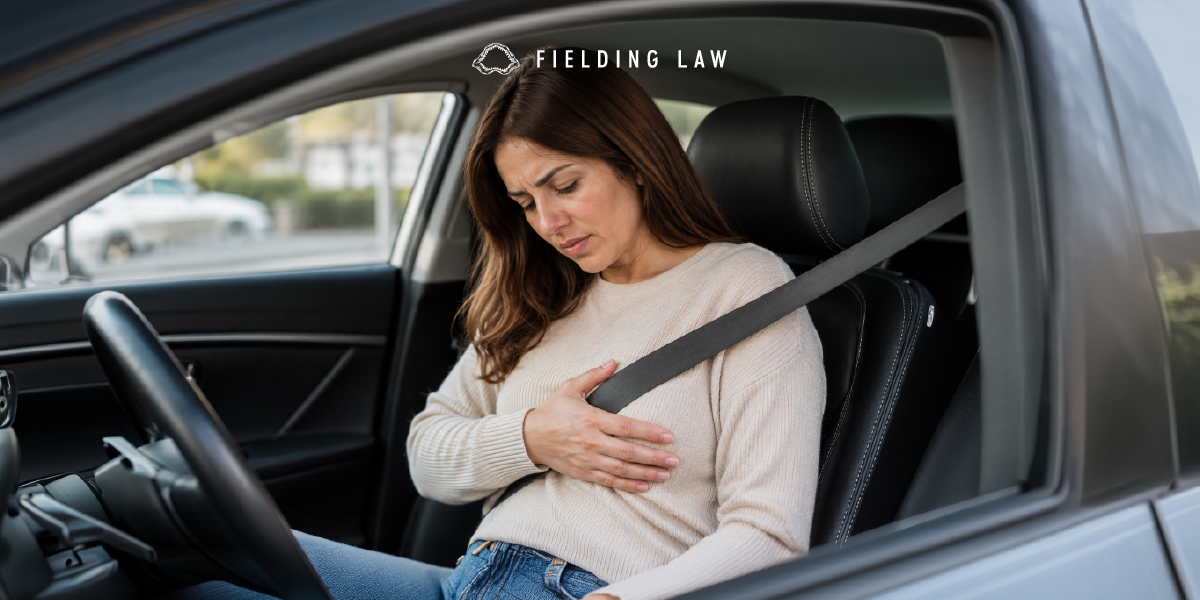
One possible explanation is breast fat necrosis from seatbelt injury. This condition can develop when the force of a seatbelt compresses breast tissue during impact. While seatbelts save lives every day, the pressure they place on the chest during a collision can still lead to painful soft tissue injuries.
Many people do not realize the connection between their symptoms and the accident until much later. That delay can create confusion during medical treatment and insurance claims alike.
What This Means
Fat necrosis happens when fatty tissue in the breast becomes damaged and does not heal normally. Instead, the injured tissue hardens into scar tissue or forms small oil cysts beneath the skin.
Although fat necrosis is considered noncancerous, it can closely resemble more serious conditions. Many people describe finding a firm lump or thickened area that feels unusual compared to surrounding tissue.
Common symptoms may include:
- Firm or hard lump in the breast
- Tenderness or soreness
- Lingering bruising after a crash
- Skin dimpling or texture changes
- Discomfort when wearing a bra or seatbelt
These symptoms may appear days or even weeks after the accident.
How Seatbelt Injuries Cause Breast Trauma
During a collision, the body moves forward rapidly before the seatbelt restrains it. That sudden force protects the driver or passenger from more severe harm, but it can also compress soft tissue against the ribcage.
The impact may damage small blood vessels and fat cells inside the breast tissue. As the body heals, scar tissue can develop in place of healthy tissue.
Breast fat necrosis from seatbelt injury is more commonly seen in:
- Head-on collisions
- High-speed crashes
- Sudden stop accidents
- Accidents involving significant chest bruising
Even moderate crashes can cause soft tissue injuries that are not fully understood until later.
Real Concerns People Face
One of the hardest parts of this injury is the fear that comes with discovering a lump. Many people immediately worry about breast cancer.
Doctors often recommend imaging tests such as:
- Mammograms
- Ultrasounds
- MRI scans in some situations
- Biopsies if imaging remains unclear
The emotional toll can be significant. Some accident victims go through weeks of uncertainty before receiving answers.
Medical treatment depends on the severity of the condition. Some cases improve over time with monitoring. Others may involve pain management or surgical removal if the area becomes especially uncomfortable.
Legal Rights After A Car Accident
Soft tissue injuries are sometimes harder to prove than broken bones or visible wounds. Insurance companies may question delayed symptoms or argue that the condition existed before the crash.
That is why medical documentation matters.
In California and Arizona, injury claims generally require evidence connecting the crash to the injury. Medical records, imaging results, photographs of bruising, and reports of chest pain shortly after the accident may all help support a claim.
In Arizona, injury claims are generally based on fault. California also follows a fault based system, though comparative negligence rules may affect compensation depending on the circumstances.
Every case is different, and outcomes depend on the available evidence and facts surrounding the collision.
What People Usually Do After An Injury Like This
Many accident victims initially assume their bruising will fade naturally. When symptoms continue or new lumps develop, they often:
- Schedule follow up medical appointments
- Undergo imaging or testing
- Keep records of symptoms and discomfort
- Speak with specialists about treatment options
- Review whether the injury may be connected to the accident
Delays in symptoms are common with soft tissue trauma. That does not automatically mean the injury is unrelated to the collision.
Frequently Asked Questions
Can breast fat necrosis from seatbelt injury show up later?
Yes. Some people do not notice symptoms until days or weeks after the crash.
Is fat necrosis dangerous?
Fat necrosis itself is noncancerous, but medical evaluation is important because symptoms can resemble more serious conditions.
Will the lump disappear?
Some areas improve gradually over time. Others may remain permanently or require treatment if painful.
Can a seatbelt really cause this injury?
Yes. The force of a seatbelt during impact can compress breast tissue and lead to internal soft tissue damage.
Why Hire Fielding Law
At Fielding Law, we understand that not every injury is immediately visible. Soft tissue injuries can disrupt daily life, create emotional stress, and lead to ongoing medical concerns long after a crash. Our team approaches every case with compassion, attention to detail, and a commitment to helping clients feel heard throughout the legal process.
Support Starts Here
If you are experiencing pain, unusual symptoms, or lingering concerns after a car accident, it is important to seek medical attention as soon as possible. Injuries involving breast trauma may take time to fully appear, but they still deserve careful evaluation and documentation.
For questions about an accident related injury, contact Fielding Law for a free consultation at 833.88.SHARK.
Note: Information provided is for educational purposes and does not constitute legal advice. Always consult with a qualified attorney for legal concerns.