
Category

Slip or Trip and Fall

How Do I Prove Liability in a Slip and Fall Accident?

How Do I Prove Liability in a Slip and Fall Accident?

Slip or Trip and Fall

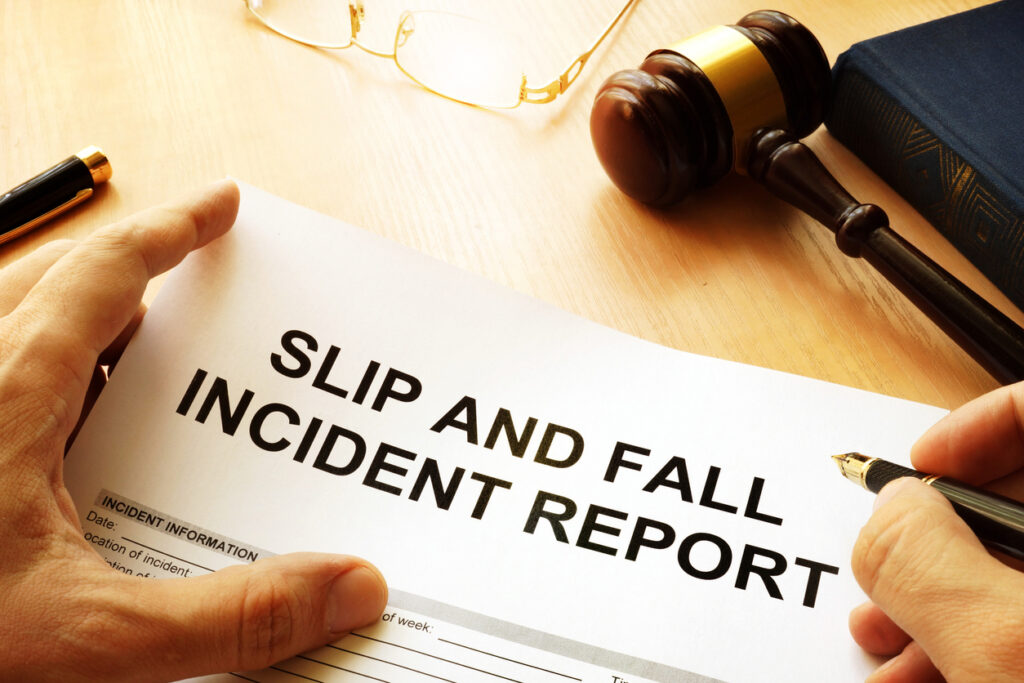
A slip and fall accident can happen in a grocery store, restaurant, shopping center, apartment complex, or other property. When a fall results in an injury, one of the first questions people may have is how to prove who was responsible. Understanding how liability works in a slip and fall accident can help people recognize what evidence may be relevant and why the circumstances surrounding a fall matter.

In California, proving liability in a slip and fall accident generally requires showing that a property owner or another responsible party failed to use reasonable care to maintain the property or address a dangerous condition, and that this failure contributed to the injury. However, liability depends on the specific facts of the incident, the applicable law, and the available evidence. A fall alone does not automatically establish that a property owner is legally responsible.

What Does Liability Mean in a Slip and Fall Accident?

Liability refers to legal responsibility for an injury or loss. In a slip and fall case, liability often involves premises liability, a legal concept that addresses certain injuries caused by dangerous conditions on someone else’s property.

Property owners and others who control or maintain property may have a duty to use reasonable care to keep the premises reasonably safe. Depending on the circumstances, this may include inspecting the property, repairing hazards, cleaning spills, providing adequate warnings, or taking other reasonable steps to address unsafe conditions.

Examples of potentially hazardous conditions include:

  • Wet or slippery floors without adequate warnings.
  • Spilled food, drinks, or other substances in walkways.
  • Uneven flooring, loose tiles, or damaged carpeting.
  • Broken stairs, missing handrails, or deteriorating steps.
  • Cracked sidewalks or uneven walking surfaces.
  • Poor lighting that makes hazards difficult to see.
  • Objects, debris, or other obstructions left in pedestrian pathways.

The presence of a hazard does not automatically establish liability. Evidence must help explain what caused the fall, whether the responsible party failed to meet an applicable duty of care, and whether that failure caused or contributed to the injury.

What Must Be Proven in a Slip and Fall Case?

Although the precise legal requirements depend on the circumstances, several elements commonly matter when evaluating a California premises liability claim.

1- A Duty of Care Existed

The first consideration is whether the property owner or another responsible party had a legal duty to use reasonable care under the circumstances.

For example, a business open to customers generally must take reasonable steps to maintain safe premises. A landlord, property manager, maintenance company, or other party may also have responsibilities depending on the property, the condition involved, and the applicable agreements and laws.

Determining who had responsibility for a particular hazard may require examining who controlled the area, who maintained it, and who was responsible for inspections or repairs.

2- A Dangerous Condition Existed

Evidence must help establish the condition that caused the fall. This may be a liquid spill, damaged floor covering, broken step, uneven pavement, or another hazardous condition.

Photographs and videos can be especially useful because property conditions may change quickly. A spill might be cleaned, a warning sign might be moved, or a damaged surface might be repaired shortly after an incident.

Photographs taken near the time of the fall may help document the condition, its location, the surrounding area, and any visible warning signs. Incident reports, maintenance records, inspection logs, and repair records may also provide relevant information.

3- The Responsible Party Knew or Should Have Known About the Hazard, or Failed to Use Reasonable Care

Notice is often an important issue in slip and fall cases. In California, evidence may need to establish that the responsible party created the dangerous condition, actually knew about it, or should have discovered it through reasonable care.

Actual notice means the responsible party knew about the condition. For example, an employee may have received a report about a spill before someone fell.

Constructive notice generally means the condition existed long enough, or was sufficiently apparent under the circumstances, that a reasonably careful property owner or responsible party should have discovered it.

For instance, a spill that remained on a store floor for an extended period may raise questions about inspection procedures and whether employees had a reasonable opportunity to discover and address it. Evidence that a hazard was created by an employee or another representative of the business may also be relevant.

The time a hazard existed is not the only consideration. The nature of the condition, the location, the property’s inspection practices, and the surrounding circumstances may all affect whether reasonable care was exercised.

4- The Dangerous Condition Caused the Injury

Another important issue is causation. Evidence must connect the hazardous condition to the fall and the resulting injury.

For example, a person who slips on a wet floor may sustain a wrist fracture while trying to break the fall. Evidence of the wet floor, witness observations, incident documentation, and medical records may help establish how the incident occurred and what injuries followed.

Medical records can document the nature and extent of an injury, the treatment provided, and the symptoms reported. However, medical documentation alone may not establish why the fall occurred or whether another party was legally responsible.

A clear account of the incident, supported by available evidence, can help explain the relationship between the property condition, the fall, and the injury.

What Evidence Can Help Prove Liability?

The evidence available after a slip and fall accident can play an important role in determining whether a premises liability claim has merit. Different types of evidence may help answer different questions about the incident.

Photographs and Videos

Photographs of the hazard, surrounding floor or walkway, lighting, warning signs, and general area may help document the scene. Video footage from security cameras or other recording devices may show how the incident occurred or how long a hazard was present.

Because surveillance footage may be overwritten or deleted as part of routine operations, the availability of recordings can be time-sensitive.

Witness Statements

People who saw the fall or observed the dangerous condition beforehand may provide useful information. Witnesses might include customers, employees, maintenance personnel, or other individuals who were present.

Their observations may help establish where the hazard was located, whether warning signs were present, whether anyone reported the condition, and what happened immediately before or after the fall.

Incident Reports

A business or property manager may prepare an incident report after a fall. Such reports can document when and where the incident occurred, who was involved, and what was reported at the time.

An incident report does not automatically prove liability, but it may help preserve details that could otherwise be difficult to recall later.

Inspection and Maintenance Records

Inspection logs, cleaning schedules, maintenance records, and repair documentation may help establish how the property was maintained and whether reasonable steps were taken to identify or address hazards.

For example, cleaning records may help establish when an area was last inspected, while repair records may provide information about a previously reported flooring problem.

Medical Records and Other Documentation

Medical records, photographs of visible injuries, receipts, and documentation of missed work may help establish the consequences of a fall. These materials may be relevant to evaluating the extent of the injuries and any resulting losses.

Together, different forms of evidence can provide a more complete picture of the incident than any single document or photograph alone.

Can You Still Recover Compensation if You Were Partially at Fault?

California follows a system of pure comparative negligence. Under this system, a person’s potential recovery may be reduced by their percentage of responsibility for the incident.

For example, if a person is found to have sustained $50,000 in damages and is determined to be 20% responsible for the accident, their recovery could be reduced to $40,000. This is a simplified illustration, not a prediction of the outcome of any particular case.

Questions about a person’s awareness of a hazard, their conduct before the fall, and the visibility of the dangerous condition may be relevant when evaluating responsibility. However, a person’s actions do not necessarily eliminate the liability of another party.

The effect of comparative negligence depends on the evidence, the applicable law, and the allocation of responsibility.

What Should You Do After a Slip and Fall Accident?

The steps taken after a fall may help preserve important information about the incident.

When reasonably possible, a person involved in a slip and fall may consider documenting the scene, identifying witnesses, reporting the incident to the property owner or manager, and keeping copies of relevant records. Seeking appropriate medical evaluation can also help document injuries and identify treatment needs.

It may be useful to retain photographs, correspondence, incident reports, medical records, and other materials related to the event. If surveillance footage or other evidence may exist, its preservation could be important.

Deadlines may apply to premises liability claims, and certain cases involving government entities may have different, shorter claim requirements. The applicable deadline depends on the circumstances, so delaying the evaluation of a potential claim can affect the ability to pursue it.

How Fielding Law Can Help Explain Slip and Fall Liability

Understanding liability after a slip and fall accident often requires looking beyond the fact that a person fell. The condition of the property, the responsible party’s knowledge of the hazard, the steps taken to address it, and the evidence connecting the condition to the injury can all matter.

Fielding Law represents people injured in accidents involving negligence and other potentially actionable conduct. The firm approaches client representation with an emphasis on integrity, thoughtful guidance, and the individual circumstances of each case.

People who have questions about a potential slip and fall claim can contact Fielding Law to discuss their situation and learn more about their options. A consultation can provide an opportunity to ask questions and better understand the factors that may affect a potential claim.

Fielding Law offers Free consultations, with no obligation, and is available 24/7. Call 833.88.SHARK to learn more.

Fielding Law, APC – Irvine, CA Office
505 Technology Dr Ste 250
Irvine, CA 92618
(949) 288-5484


Fielding Law, APC – Phoenix, AZ Office
2 N Central Ave Ste 1800
Phoenix, AZ 85004
(859) 578-4444

Note: Information provided is for educational purposes and does not constitute legal advice. Always consult with a qualified attorney for legal concerns.

BLOG HOME
Arizona Fall Event Safety: Common Hazards to Know

Arizona Fall Event Safety: Common Hazards to Know

Personal Injury, Slip or Trip and Fall

Arizona’s fall season brings opportunities to enjoy outdoor festivals, farmers markets, concerts, and community gatherings. As temperatures become more comfortable, these events can draw visitors to public spaces, shopping areas, and temporary event venues throughout Phoenix and Maricopa County. While these gatherings offer opportunities to connect with the community, they also require attention to safety.

Arizona fall event safety involves more than preparing for crowds. Uneven walking surfaces, poorly routed electrical cords, inadequate lighting, and improperly secured equipment can create hazards in spaces that visitors may not know well. Understanding common risks can help attendees stay aware of their surroundings and help event organizers recognize the importance of thoughtful safety planning.

Common Safety Hazards at Arizona Fall Events

Outdoor events often use temporary equipment, vendor booths, signs, tents, stages, and pedestrian routes. The layout may change throughout the day as vendors set up, visitors arrive, and activities move between locations.

Several conditions deserve attention.

Uneven Walkways and Trip Hazards

Outdoor markets and festivals may take place on paved plazas, grassy fields, gravel paths, or temporary walking surfaces. Changes in elevation, loose materials, exposed stakes, and unsecured mats can make walking more difficult.

Electrical cords, vendor equipment, and temporary barriers can also obstruct pedestrian routes. Keeping walkways clear and identifying potential trip hazards are important parts of event safety.

Inadequate Lighting

Some fall events continue into the evening, when reduced visibility can make it harder to notice steps, changes in walking surfaces, and objects left along a path.

Lighting is particularly important near entrances, exits, stairs, parking areas, and pedestrian routes. Visitors can also take care when moving between brightly lit event spaces and darker surrounding areas.

Temporary Tents, Stages, and Displays

Tents, signs, decorative structures, and event equipment should be set up with appropriate attention to stability and the conditions in which they will be used.

Wind, shifting equipment, and improper installation can create risks when temporary structures are not adequately secured. Visitors should avoid entering restricted setup areas and follow posted instructions around stages, equipment, and vendor installations.

Electrical Cords and Equipment

Outdoor events often require power for lighting, sound systems, food preparation, and vendor displays. Cords that cross walking routes can create trip hazards, while damaged electrical equipment can present additional safety concerns.

Event layouts should account for pedestrian movement and the placement of electrical equipment. Visitors should avoid touching damaged wiring or equipment that appears unsafe and notify event staff when they notice a potential hazard.

Crowded Walkways and Vehicle Traffic

Large gatherings can bring people together in limited spaces. Congested entrances, blocked paths, and poorly separated pedestrian and vehicle routes may make it difficult for visitors to move safely.

Parking areas deserve particular attention. Drivers may be searching for spaces or backing out while pedestrians walk between vehicles. Clear routes, visible signage, and attentive driving can help reduce these risks.

How Visitors Can Stay Safer at Outdoor Events

Attendees cannot control every condition at an event, but practical precautions can help them remain aware of potential hazards.

  • Pay attention to walking surfaces. Watch for uneven pavement, loose gravel, cables, steps, and other obstacles, especially in unfamiliar areas.
  • Use designated walkways. Follow marked pedestrian routes and avoid restricted setup or equipment areas.
  • Stay alert around vehicles. Look for moving cars near parking areas, entrances, and event access roads.
  • Be mindful of lighting. Take extra care when walking after sunset or moving through poorly lit areas.
  • Follow posted instructions. Observe barriers, warning signs, and directions from event personnel.
  • Report visible hazards. Notify event staff when you notice an obstruction, damaged equipment, or another condition that could put visitors at risk.
  • Keep children close in crowded areas. Establish a meeting point in case members of your group become separated.

These precautions are useful at fall festivals, outdoor concerts, food markets, holiday markets, and other community gatherings. They do not eliminate every risk, but awareness can help visitors make informed decisions as they move through an event.

What Event Organizers Should Consider

Event safety involves planning for the conditions visitors may encounter before, during, and after a gathering. Depending on the venue and the event, relevant considerations may include maintaining clear walkways, securing temporary structures, providing appropriate lighting, and managing pedestrian traffic.

Organizers may also need to coordinate with vendors, contractors, security personnel, and property managers. Each party’s responsibilities can vary according to the event arrangements, the work being performed, and the areas under its control.

A thoughtful safety plan can address potential hazards before visitors arrive and provide procedures for responding when a concern arises. Staff should know how to report unsafe conditions and who is responsible for addressing them.

The appropriate measures will depend on the event’s location, size, activities, and applicable requirements. Arizona’s public safety resources provide additional information about general safety planning. Event organizers should consult the relevant authorities when specific permits, fire safety requirements, or other regulations apply.

Understanding Arizona Premises Liability in General

Arizona premises liability is a legal concept involving injuries associated with property conditions and the responsibilities of parties who own, occupy, or control property. The legal rules can vary depending on the circumstances, the type of property, and the parties involved.

For example, an event may take place on privately owned property, public property, or a venue managed by a third party. The arrangements between property owners, event organizers, vendors, and contractors may also differ.

Arizona law does not establish that every accident on someone else’s property results in legal responsibility. Questions involving property conditions, the duties of the parties, and the circumstances of an incident require careful consideration of the applicable law and facts.

Readers interested in learning more about property-related injury topics can visit Fielding Law’s Arizona premises liability resources.

This general information is intended to explain the topic, not determine responsibility for a particular accident.

What to Do if an Injury Occurs at an Event

An unexpected injury can interrupt an event and create immediate concerns about health and safety. The appropriate response depends on the situation, but several practical steps may be useful.

Seek medical attention. If someone is seriously injured, contact emergency services. For other injuries, obtain appropriate medical evaluation and follow the guidance of qualified healthcare professionals.

Notify event staff. Reporting an incident can help staff respond to an immediate safety concern and create a record of what occurred.

Record relevant details when it is safe. Photographs of the location, walking surface, equipment, lighting, and surrounding area may help document the conditions present at the time.

Keep available records. Save incident report information, medical documentation, receipts, and relevant communications.

Identify witnesses. If people saw what happened, their names and contact information may be useful for documenting the event.

These are general documentation considerations, not a determination of legal responsibility or a recommendation about whether to pursue a claim.

Helping Arizona Communities Stay Informed

Outdoor events are an important part of Arizona’s fall season. Whether attending a neighborhood market, an outdoor concert, or a community festival, visitors benefit from staying aware of their surroundings and reporting hazards when they notice them.

Fielding Law represents individuals who have been injured through negligence throughout Arizona, including Phoenix and Maricopa County. The firm is committed to ethical, efficient legal representation and recognizes that every person’s circumstances are different.

If you or someone you care about has been injured, you can contact Fielding Law to discuss your circumstances. Free consultations are available 24/7, with no obligation.

Call 833.88.SHARK

Fielding Law, APC – Irvine, CA Office
505 Technology Dr Ste 250
Irvine, CA 92618
(949) 288-5484


Fielding Law, APC – Phoenix, AZ Office
2 N Central Ave Ste 1800
Phoenix, AZ 85004
(859) 578-4444

Note: Information provided is for educational purposes and does not constitute legal advice. Always consult with a qualified attorney for legal concerns.

BLOG HOME
Person holding an insurance check

Can You Reopen a Claim After Cashing an Insurance Check in Arizona?

Car Accident, Motorcycle Accident, Pedestrian Accident, Personal Injury, Slip or Trip and Fall

You Accepted A Check In Arizona, Now What

After an accident in Arizona, the process can move fast. Medical bills arrive. Insurance adjusters reach out. Then a check is offered.

It may feel like progress. However, weeks later, your injuries may worsen or expenses may grow. That is when many people ask, can I reopen an insurance claim after settlement?

The answer depends on what you signed and what the payment actually covered.

What This Means Under Arizona Law

In Arizona, accepting a settlement usually involves signing a release of liability. This document typically ends your right to pursue more compensation related to that accident.

Once that release is signed, reopening your claim is very difficult. Arizona courts generally enforce settlement agreements unless there is a strong legal reason not to.

Because of this, understanding your agreement is critical before accepting any payment.

Common Situations In Arizona Claims

You Signed A Full Release

This is the most common situation.

If you signed a release and accepted payment, your claim is typically closed. Even if your injuries become more serious later, the agreement usually still applies.

You Cashed A Check Without Signing A Release

In some cases, people deposit a check without signing formal settlement documents.

However, the check itself or accompanying paperwork may include language that finalizes the claim. Arizona law may treat that as acceptance, depending on the wording.

You Settled Property Damage Only

Some claims involve separate payments.

If your check only covered vehicle damage, you may still have the right to pursue compensation for bodily injuries. This depends on whether you signed anything that included both types of damages.

You Were Misled Or Pressured

If the insurance company acted unfairly, there may be limited grounds to challenge the settlement. Examples include:

  • Misrepresentation of key facts
  • Rushing you into a decision before medical care was complete
  • Failing to explain the scope of the release

These cases are fact specific and require careful review.

Legal Rights And Key Factors In Arizona

Release Agreements Carry Significant Weight

Arizona courts generally uphold signed settlement agreements. The release document will define:

  • What damages were included
  • Whether future claims are waived
  • The scope of the settlement

Even a short document can permanently close your case.

Timing Matters In Injury Claims

Insurance companies often try to settle quickly. This can happen before:

  • You reach maximum medical improvement
  • Long term symptoms are known
  • Future treatment costs are clear

Accepting a settlement too early can limit your ability to recover full compensation.

Statute Of Limitations Still Applies

In Arizona, most personal injury claims must be filed within two years of the accident. However, once you settle and sign a release, that timeline no longer matters because the claim is already resolved.

What People In Arizona Usually Do Next

After accepting a check, many people take time to review their situation.

They often:

  • Look back at the documents they signed
  • Compare the settlement amount to actual costs
  • Seek guidance to understand whether anything remains open

Sometimes they realize their injuries are more serious than expected. Unfortunately, if a full release was signed, options may be limited.

Frequently Asked Questions

Can I reopen an insurance claim after settlement in Arizona?

Usually, no. If you signed a release of liability, your claim is considered closed under Arizona law.

What if my injuries got worse after I settled?

This is common. However, worsening injuries usually do not allow you to reopen a settled claim.

Does cashing a check count as accepting a settlement?

It can. Some checks include language that makes depositing them equal acceptance. The details matter.

Can I still negotiate after accepting payment?

If the settlement was final, further negotiation is unlikely. If the payment was limited to certain damages, additional claims may still be possible.

Are there exceptions in Arizona?

Yes, but they are limited. Situations involving fraud, mistake, or misrepresentation may allow a settlement to be challenged.

Why Hire Fielding Law

Fielding Law understands how quickly insurance decisions can impact your future. Arizona injury claims involve important legal details that are easy to overlook during stressful moments. Our team focuses on clear communication, careful evaluation, and strong advocacy. If you are unsure whether you can reopen an insurance claim after settlement in Arizona, we can help you understand your position and explore your options.

Protect Your Rights Before And After Settlement

Accepting a check may feel like closure. However, it can also limit your ability to recover additional compensation.

Before signing or depositing any payment, make sure you understand:

  • What the settlement includes
  • Whether you are giving up future rights
  • The full scope of your injuries and costs

If you already accepted a check and have questions, it is still worth getting clarity.

Call Fielding Law at 833.88.SHARK for a free consultation. A thoughtful review of your situation can help you move forward with confidence.

Note: Information provided is for educational purposes and does not constitute legal advice. Always consult with a qualified attorney for legal concerns.

money on a table next to a wallet

What Is My Personal Injury Case Worth?

Assault, Bicycle Accident, Burn Injury, Car Accident, Dog / Animal Bite, E-Bikes and E-Scooters, Personal Injury, Slip or Trip and Fall, Wrongful Death

What Is My Personal Injury Case Worth?

A personal injury case is worth the total value of financial losses and non economic harm caused by an accident. This includes medical expenses, lost income, future care needs, and pain and suffering. The final value depends on injury severity, available evidence, and liability.

What Determines Case Value

Personal injury compensation is based on several major categories of damages.

Medical Treatment And Future Care

Medical records are a primary factor in case value. Emergency care, surgeries, rehabilitation, medication, and future treatment needs all contribute to total compensation.

Lost Income And Earning Ability

If injuries prevent work, compensation may include missed wages and reduced future earning capacity. More serious injuries often have a long term financial impact.

Pain And Suffering

Non economic damages include physical pain, emotional distress, anxiety, and reduced quality of life. These losses vary based on how significantly the injury changes daily living.

Liability And Fault

Case value depends on who is responsible for the accident. In California and Arizona, comparative fault rules may reduce compensation if more than one party shares responsibility.

Property Damage

Vehicle repair or replacement and other damaged property may also be included in the claim.

Why Case Value Is Not A Fixed Number

There is no universal formula that determines case value. Each claim depends on unique facts, medical evidence, and long term impact.

Early settlement offers may not reflect future medical needs or full damages. This is why careful evaluation is important before accepting any offer.

Why Hire Fielding Law

Understanding What Is My Personal Injury Case Worth? requires a detailed review of medical records, liability, and long term impact. At Fielding Law, each case is carefully evaluated to understand the full scope of damages, including future losses that may not be immediately visible. The focus is on clear guidance, strong preparation, and client support throughout the process.

Bottom Line

The value of a personal injury case depends on medical costs, liability, lost income, and the overall impact on daily life. Because every case is different, accurate valuation requires a full review of the facts and evidence.

If you are asking What Is My Personal Injury Case Worth?, the answer depends on how the injury has affected health, work, and quality of life over time.

For a free consultation, call 833.88.SHARK.

Note: Information provided is for educational purposes and does not constitute legal advice. Always consult with a qualified attorney for legal concerns.
Water park slides leading to a pool

California Water Park Injuries and Real Accident Cases

Brain Injury (TBI), Personal Injury, Premises Liability, Product Liability, Slip or Trip and Fall, Spinal Cord Injury, Wrongful Death

Water parks are designed for excitement, but they also bring real risks. In California, crowded attractions, fast-moving slides, and wet surfaces can quickly turn a day of fun into a serious injury situation. Many of these incidents fall under premises liability and negligence law, especially when safety rules are not properly followed or equipment is not maintained.

Why Water Park Injuries Happen

Water park accidents often share a few common causes:

  • Slippery walkways and staircases with constant water exposure
  • Overcrowded slides leading to collisions
  • Poor maintenance of slides, rafts, or platforms
  • Inadequate lifeguard supervision
  • Defective ride design or mechanical failure

California law generally requires operators to maintain reasonably safe conditions for guests. When they do not, injuries can follow quickly.

Real Cases Showing Water Park Risks in California

California courts have seen multiple serious water park injury claims involving negligence, unsafe ride conditions, and improper supervision.

One widely cited case involved a visitor at a major California water park who suffered severe injuries after a waterslide ride caused him to strike the bottom of a pool, resulting in fractures to his hip and pelvis. The lawsuit centered on whether the park failed to maintain safe operating conditions and whether the ride design contributed to the injury.
Case link: https://caselaw.findlaw.com/court/ca-court-of-appeal/2067782.html

Another California case involved a guest who slipped on wet stairs while walking barefoot near a water slide queue area. The fall caused a serious arm injury and significant medical treatment. The claim focused on unsafe walking surfaces and lack of proper hazard control in high-traffic areas.
Case link: https://aa.law/case-results/250k-negotiated-settlement-for-a-water-park-accident/

These cases show a consistent theme. Water park injuries are often not “just accidents.” They frequently involve questions about maintenance, supervision, and whether safety standards were properly followed.

Common Types of Water Park Injuries

Water park injuries in California range from mild to life-changing. Some of the most common include:

  • Broken bones from slides or falls
  • Head and neck injuries from collisions
  • Drowning or near-drowning incidents
  • Cuts and lacerations from damaged equipment
  • Slip and fall injuries on wet concrete or stairs

In more severe cases, victims may require emergency surgery or long-term rehabilitation.

Legal Responsibility in California Water Park Cases

California law typically allows injured guests to pursue claims based on negligence or premises liability. In some cases, multiple parties may share responsibility, including:

  • The water park operator
  • Maintenance contractors
  • Ride manufacturers
  • Staffing or supervision companies

Courts may also consider whether the injured person assumed certain risks, but that does not automatically prevent recovery if negligence is involved.

A key California case involving a waterslide injury confirmed that operators can owe a heightened duty of care depending on the attraction and circumstances, especially when guests are placed in inherently risky situations.

What People Often Do After a Water Park Injury

After an incident, injured guests commonly:

These steps can help clarify what happened and preserve important evidence.

Why Legal Claims Matter

Water park injury claims are not only about compensation. They often help uncover safety failures such as poor maintenance, inadequate staffing, or ignored hazards. Some California cases have resulted in settlements or verdicts tied directly to unsafe ride conditions or preventable slip hazards.

Why Hire Fielding Law

Water park injury cases can become complex quickly, especially when multiple companies are involved or safety standards are disputed. Fielding Law provides guidance with a focus on clarity, care, and strong case preparation. The goal is to help injured clients understand their options without adding pressure during recovery.

Final Thoughts

Water parks should feel safe for families and visitors. When preventable hazards cause serious injuries, California law allows injured individuals to explore their legal rights and hold responsible parties accountable.

If you or a loved one was injured at a water park, you can contact Fielding Law for a free consultation at 833.88.SHARK.

Note: Information provided is for educational purposes and does not constitute legal advice. Always consult with a qualified attorney for legal concerns.

Gym with lots of windows over looking a mountain

Injured At The Gym: Liability, Risks, And Legal Insight

Catastrophic Injury, Personal Injury, Premises Liability, Product Liability, Slip or Trip and Fall, Spinal Cord Injury

Gym Injury Risks Are More Common Than Many Realize

Gyms are designed for health and strength. However, injuries still happen in these spaces more often than many people expect.

Based on the U.S. Consumer Product Safety Commission (CPSC) National Electronic Injury Surveillance System (NEISS) data, exercise equipment-related injuries resulted in an estimated 409,224 emergency room visits in 2021.

In addition, treadmill accidents account for tens of thousands of injuries each year, including falls and head trauma. Many of these incidents happen in commercial gyms where people expect a safe environment.

Although many injuries are minor, some lead to fractures, brain injuries, or long-term pain. Because of that, it is important to understand how and why these incidents happen.

What These Injuries Mean For Gym Members

Many people assume gyms always maintain safe conditions. In reality, safety can break down in several ways.

For example, injuries often happen when:

  • Equipment breaks during use
  • Floors become slippery and stay wet
  • Machines sit too close together
  • Staff fail to warn about known risks

In many cases, people do not expect danger during a normal workout. As a result, injuries can feel sudden and preventable.

Common Causes Of Gym Injuries

Gym injuries usually come from a few main problems.

Equipment Problems

Equipment failures often lead to serious harm. For example:

  • Machines break due to poor maintenance
  • Cables or parts wear out over time
  • Free weights shift or fall unexpectedly

When gyms do not inspect equipment regularly, risk increases.

Unsafe Conditions

Environmental issues also play a major role. These include:

  • Wet locker room floors
  • Poor lighting in workout areas
  • Crowded spaces between machines

Even small hazards can lead to serious falls.

Lack Of Supervision

Some injuries happen because of limited oversight. For instance:

  • Trainers do not correct unsafe form
  • Staff fail to monitor group classes
  • Members do not receive clear instructions

Because of this, mistakes can turn into serious injuries quickly.

Real Gym Injury Cases And Legal Outcomes

Court cases show how these claims work in real life.

Treadmill Injury And Unsafe Layout

In Jimenez v. 24 Hour Fitness USA Inc., a California court reviewed a serious treadmill injury case. The plaintiff fell and suffered a severe head injury. The claim focused on unsafe spacing between machines. The court allowed the negligence claim to move forward because the facts showed possible unsafe conditions.
Case link: https://law.justia.com/cases/california/court-of-appeal/2015/c071959.html

Liability Waiver And Injury Claim Limits

In another California case, a gym member signed a waiver before a treadmill injury. The court ruled that the waiver limited the claim. However, the court also explained that waivers do not protect gyms if gross negligence exists.
Case link: https://caselaw.findlaw.com/court/ca-court-of-appeal/1703652.html

Equipment Injury Litigation

Other cases across the country involve treadmill failures and defective equipment claims. In some situations, courts reviewed both gym liability and product liability issues depending on how the injury occurred.
Case link: https://law.justia.com/cases/texas/supreme-court/2020/19-0835.html

These cases show that outcomes depend heavily on evidence and safety conditions, not just the injury itself.

When A Gym May Be Liable For Injuries

Gyms have a duty to keep their facilities reasonably safe. When they fail to do that, liability may arise.

Unsafe Conditions

A gym may be responsible when:

  • Equipment is broken or unsafe
  • Floors remain wet without warning signs
  • Machines are placed in dangerous positions

Ignored Safety Problems

Liability may also exist when:

  • Staff ignore prior complaints
  • Maintenance issues are not fixed
  • Known risks are not addressed

Poor Warnings Or Instructions

Problems may also arise when:

  • Equipment lacks clear instructions
  • Members are not warned of risks
  • Staff fail to supervise properly

In many cases, these issues build over time before an injury occurs.

Liability Waivers Do Not Always End A Case

Most gyms require members to sign waivers. These agreements often limit claims for ordinary negligence.

However, waivers do not always protect gyms. In many situations:

  • Gross negligence claims may still move forward
  • Unsafe conditions can override waiver protection
  • Courts may still examine how the injury happened

Because of this, each case depends heavily on its facts.

What To Do After A Gym Injury

After an injury, people often take important steps to protect their health and their claim.

These actions help preserve key evidence.

Why Gym Injury Cases Are Complex

Gym cases often involve strong defenses. For example, gyms may argue:

At the same time, evidence such as maintenance logs, video footage, and prior complaints often plays a major role in proving what really happened.

Because of these competing issues, gym injury cases often require careful review.

Why Hire Fielding Law

At Fielding Law, we understand that gym injuries are not always simple accidents. Sometimes, unsafe equipment or poor maintenance plays a direct role.

We focus on reviewing the facts, identifying safety failures, and helping injured people understand their legal options in a clear and supportive way. Every case depends on details, and we take the time to look at them closely.

Free Consultation After A Gym Injury

If you or someone you love was injured at a gym, you do not have to figure it out alone. Call Fielding Law at 833.88.SHARK (833-887-4275) for a free consultation. We can help you understand what happened and what options may be available moving forward.

Note: Information provided is for educational purposes and does not constitute legal advice. Always consult with a qualified attorney for legal concerns.
lioness at the zoo

Injured at the Los Angeles Zoo? What You Should Know

Pedestrian Accident, Personal Injury, Premises Liability, Slip or Trip and Fall

A visit to the Los Angeles Zoo is meant to be a fun, educational experience. Families expect safe walkways, secure animal enclosures, and properly maintained exhibits. However, injuries can still happen when hazards are not addressed quickly or safety standards are not met. An Injury at the Los Angeles Zoo can leave visitors facing unexpected medical and financial stress.

Understanding how these incidents occur and what rights may apply can help you make informed decisions after an accident.

How Injuries Can Happen at the Zoo

The Los Angeles Zoo covers a large, heavily visited property where many different hazards can develop throughout the day. Most injuries are not caused by animals directly, but by unsafe conditions in common walking and viewing areas.

Common causes include:

  • Wet or uneven walkways that lead to slips and falls
  • Broken railings, steps, or viewing platforms
  • Crowded pathways where visitors can be bumped or pushed
  • Food court spills or poorly maintained dining areas
  • Rare but serious animal enclosure issues

These situations often fall under premises liability, which focuses on whether a property owner took reasonable steps to keep visitors safe during their visit.

Animal Related Incidents

Although uncommon, animal related injuries can occur when safety systems fail or barriers are not properly maintained.

Examples include:

  • Scratches or bites during interactive exhibits
  • Sudden animal movement during demonstrations
  • Enclosure problems caused by equipment or human error

Zoos are expected to follow strict safety protocols because they manage both public access areas and wild animals in controlled environments.

Slip Trip and Fall Accidents

Slip and fall injuries are the most common type of zoo accident. Outdoor conditions and heavy foot traffic can quickly create hazards.

Common risks include:

  • Spilled drinks near concession areas
  • Uneven pavement or loose gravel paths
  • Wet surfaces near exhibits or water features
  • Poor lighting in shaded areas

Even a minor fall can lead to significant injuries such as fractures, sprains, or head trauma.

Structural and Equipment Issues

Zoos rely on structures like bridges, platforms, fences, and interactive exhibits. When maintenance is delayed, these areas can become unsafe.

Examples include:

  • Loose or broken handrails
  • Damaged viewing platforms
  • Faulty gates or latches
  • Malfunctioning interactive exhibits

Routine inspection and maintenance are critical to preventing avoidable injuries.

What To Do After an Injury

After a Los Angeles Zoo injury, the steps taken immediately can be important for both health and documentation.

Helpful actions include:

Medical records can help establish the extent of injuries and how they developed over time.

Legal Responsibility in Zoo Injuries

When a zoo or its operators fail to maintain safe conditions, liability may arise under premises liability or negligence laws. Responsibility often depends on whether the hazard was known or should have been addressed in a reasonable timeframe.

Potential responsible parties may include:

  • Zoo operators or city agencies
  • Maintenance contractors
  • Third party vendors operating on site

Each case depends on the facts, timing, and available evidence.

Why Legal Guidance Matters

Zoo injury cases can involve multiple layers of evidence, including maintenance logs, incident reports, and surveillance footage. These details are not always easy to access or understand without guidance.

Legal support can help clarify:

  • What evidence may support a claim
  • How liability is evaluated
  • What compensation options may exist for medical costs, lost income, and recovery needs

Why Hire Fielding Law

A Los Angeles Zoo injury can feel overwhelming, especially when it disrupts daily life unexpectedly. Fielding Law helps injured individuals navigate complex premises liability cases with care, attention, and a focus on clarity.

The team works to investigate what happened, preserve key evidence, and guide clients through each step of the process so they are not left handling it alone.

If you or a loved one were injured at the Los Angeles Zoo, Fielding Law is available to help you understand your options. Call 833.88.SHARK for a free consultation.

Final Thoughts

A visit to the Los Angeles Zoo should be safe and enjoyable. When preventable hazards lead to a Los Angeles Zoo injury, the aftermath can feel stressful and uncertain. Knowing what causes these incidents and what steps to take next can help you move forward with greater clarity.

Note: Information provided is for educational purposes and does not constitute legal advice. Always consult with a qualified attorney for legal concerns.
broken yellow car

Why You Should Not Repair Evidence After an Injury

Bicycle Accident, Burn Injury, Car Accident, Personal Injury, Product Liability, Slip or Trip and Fall

A Simple Mistake That Can Cost You

After an injury, your first instinct is often to clean up, fix what broke, or move on. That reaction makes sense. Life feels disrupted, and you want things back to normal.

However, repairing or altering anything that caused your injury can quietly damage your legal claim.

A cracked ladder. A torn shoe. A dented car. A broken railing.

These are not just damaged items. They are evidence.

And once you fix them, that evidence may be gone for good.

What This Means

In a personal injury case, it is not enough to say what happened. You must prove it.

Physical evidence often tells the clearest story. It shows how the incident occurred, how severe it was, and who may be responsible.

When you repair or replace an item:

  • You may erase proof of a defect
  • You may change how the item can be analyzed
  • You may prevent experts from examining it
  • You may weaken your ability to show fault

In some cases, it can even create arguments that the evidence was altered or destroyed.

Common Situations Where This Happens

Car Accidents

You fix your vehicle quickly because you need transportation.

But damage patterns, impact points, and internal data can help reconstruct the crash.

Slip And Fall Incidents

You wash your shoes or throw them away.

Those shoes may show traction issues, wear patterns, or substances that caused the fall.

Defective Products

You repair or discard a broken product.

That product could reveal a manufacturing defect or safety failure.

Bicycle Or Recreational Injuries

You replace damaged gear.

Helmets, pads, and equipment can demonstrate force and impact.

Even well meaning actions like cleaning or fixing items can unintentionally harm a claim.

Why Fixing Things Too Soon Hurts Your Case

You Lose Critical Proof

Once something is repaired, the original condition is gone. That condition may have been the strongest evidence in your favor.

Experts Cannot Analyze It

In many cases, professionals examine items to determine cause and fault. If the item changes, that analysis may no longer be possible.

Insurance Companies Will Question You

Insurance adjusters look for inconsistencies. If evidence is missing or altered, they may argue:

  • The damage was not serious
  • The item was not defective
  • The injury did not happen the way you claim

It Can Be Considered Spoliation

In legal terms, destroying or altering evidence is known as spoliation. This can weaken your case or lead to negative assumptions.

Real World Example

Imagine a grocery store fall.

A customer slips on a wet floor and injures their back. Their shoes are soaked. Later that day, they clean and throw them away.

Weeks later, the store claims:

  • The floor was dry
  • The shoes had no traction
  • The fall was the customer’s fault

Without the original shoes, it becomes harder to prove what really happened.

Legal Rights And Key Information

Personal injury claims rely heavily on evidence to establish:

Insurance companies do not simply accept claims at face value. They evaluate the available evidence and look for gaps.

If evidence is missing or altered, it can:

  • Reduce the value of your claim
  • Delay the process
  • Increase disputes over fault

What People Usually Do After An Incident

Many people act quickly, but not always in ways that help their case:

  • They repair their car immediately
  • They throw away damaged items
  • They clean or fix the scene
  • They send items to insurance without guidance

These actions are understandable. However, they can make it harder to protect your rights later.

Frequently Asked Questions

Should I fix my car after an accident?

You can, but it is best to document everything first and speak with an attorney before making repairs.

What if I already fixed or threw something away?

Your case may still be valid. Photos, videos, and other records can still help support your claim.

Can I clean items after an injury?

It is safer to leave items as they are until they are documented or reviewed.

What if the item is dangerous to keep?

Safety comes first. Take clear photos and preserve what you can, then seek legal guidance.

Why Hire Fielding Law

At Fielding Law, the focus is on protecting what matters most from the very beginning. Evidence can disappear quickly, and small decisions can have lasting effects. The team works to secure and preserve key details, coordinate expert analysis when needed, and guide clients through each step with care and clarity. Every case is handled with intention, because strong evidence builds stronger claims.

Talk To Someone Before You Fix Anything

It is natural to want to repair the damage and move forward. But in injury cases, that damage may be the most important piece of your story.

Before you fix, replace, or throw anything away, consider how it might affect your claim.

If you have questions, call 833.88.SHARK or reach out to Fielding Law for a free consultation.

Note: Information provided is for educational purposes and does not constitute legal advice. Always consult with a qualified attorney for legal concerns.
Two men talking after an accident next to their cars

It Was Just An Accident: A Guide for Injury Claims

Bicycle Accident, Car Accident, Dog / Animal Bite, Motorcycle Accident, Pedestrian Accident, Personal Injury, Premises Liability, Slip or Trip and Fall

When An Accident Leaves You Hurt And Confused

A driver rear ends another car at a stoplight and immediately says it was not intentional. A shopper slips in a store aisle and an employee insists it was just an accident. A guest falls on broken steps and the property owner apologizes, saying no harm was meant.

After incidents like these, injured people are often left asking difficult questions about what comes next. One of the most common is whether an accident injury claim is still possible when the other person insists it was not meant to cause harm.

Many people assume that if something was accidental, there is no legal case. That is not how injury law works in California or Arizona.

We explain how accident injury claims are evaluated, what liability actually means, and when legal responsibility may still exist even when there was no intent to cause harm.

How An Accident Injury Claim Actually Works

An accident injury claim does not depend on whether someone meant to cause harm. Most civil injury cases are based on negligence.

Negligence means a person failed to use reasonable care and that failure caused injury to someone else.

So when someone says an incident was just an accident, that usually speaks to intent, not legal responsibility.

The law focuses on whether the situation could have been prevented. Even unintentional actions can create liability if they were careless or unsafe.

This applies in many situations in both California and Arizona, including traffic collisions, unsafe property conditions, and everyday preventable incidents.

Common Situations That Lead To Accident Injury Claims

Many people begin exploring an accident injury claim after everyday situations that seem minor at first but result in real harm.

Examples include:

In these situations, the person responsible may not have intended harm. However, their actions or inaction may still have created unsafe conditions.

These incidents often lead to injuries such as:

Even when the event is described as accidental, the impact on the injured person can be significant.

Liability And What The Law Looks At

Understanding an accident injury claim requires understanding how liability is evaluated.

Civil law generally asks whether someone acted with reasonable care under the circumstances. If they did not, and someone was injured as a result, liability may exist.

Insurance Considerations

Insurance companies typically focus on fault rather than intent. Even when a situation is unintentional, coverage may still apply if negligence is found.

Disputes often arise over whether:

  • A person acted carelessly
  • The injury is connected to the incident
  • More than one party shares responsibility
  • The damages are fully supported by evidence

Comparative Fault In California And Arizona

Both California and Arizona allow shared fault in injury cases. This means responsibility can be divided between multiple parties depending on the facts.

This does not automatically prevent an accident injury claim. It simply affects how responsibility may be evaluated.

What People Usually Do After An Accident

After an unexpected injury, most people are unsure what steps matter most for a potential accident injury claim.

Common actions include seeking medical care. This is important because some injuries do not appear immediately.

People also begin documenting the incident. This may include:

  • Photos of the scene
  • Witness contact information
  • Medical records and bills
  • Communication with insurance companies

Insurance discussions can be confusing, especially when fault is not clear.

Many people eventually seek legal guidance to understand how negligence applies and what options may exist under California or Arizona law.

Frequently Asked Questions

Can I Still Bring An Accident Injury Claim If It Was Not Intentional?

Yes, in many situations you can still bring a claim even if no one intended harm. Most injury cases focus on negligence rather than intent. The key question is whether reasonable care was taken.

Does Calling It An Accident Mean No One Is Responsible?

Not necessarily. The label alone does not determine liability. Responsibility depends on the facts, conduct, and whether safety standards were followed.

What If I Was Partially At Fault For The Incident?

In both California and Arizona, shared fault rules may apply. This means responsibility can be divided based on each party’s actions.

How Do Lawyers Evaluate An Accident Injury Claim?

They typically look at evidence such as photos, witness statements, medical records, and safety conditions. The goal is to determine whether negligence likely occurred.

Why Hire Fielding Law

Fielding Law is a boutique personal injury firm focused on helping injured people understand their rights with clarity and care. The firm emphasizes communication, ethical representation, and detailed case preparation. Each case is handled with attention to the individual situation and a commitment to guiding clients through a difficult time with professionalism and compassion.

Understanding Your Next Step

Being told something was just an accident does not automatically eliminate legal responsibility. Many accident injury claim cases in California and Arizona are based on negligence, not intent.

If you are unsure about your situation, speaking with a legal team can help clarify what rights may apply and what options exist based on the facts.

If you have questions, call 833.88.SHARK for a Free Consultation.

Note: Information provided is for educational purposes and does not constitute legal advice. Always consult with a qualified attorney for legal concerns.

Red billboard that read Injured? with palm trees in the background

California Billboard Injury Lawyers: Best or Just the Loudest

Bicycle Accident, Brain Injury (TBI), Car Accident, Motorcycle Accident, Pedestrian Accident, Personal Injury, Premises Liability, Slip or Trip and Fall, Spinal Cord Injury, Truck Accident, Wrongful Death

Big Ads Bigger Questions

If you have driven through California or Arizona, you have likely seen large attorney billboards. They feature bold slogans, big results, and memorable faces.

So, does hiring a billboard injury lawyer in California mean you are getting the best representation?

Not always.

Marketing builds visibility, but it does not always reflect how a firm handles your case or communicates with clients. In California, every personal injury case is different, and what works for one client may not work for another.

Why Billboard Attorneys Are Everywhere in California

Billboards are designed to stay top of mind.

Because of this, many California law firms invest heavily in advertising to reach as many people as possible. Over time, repetition builds familiarity. As a result, when an accident happens on I-5, US-101, or the 405, that familiar name can feel like the easiest choice.

However, recognition does not always equal experience or personal attention.

The Reality Behind High Volume Firms

In many cases, billboard-focused firms operate on a high volume model. This means they handle many cases at once.

As a result, this can lead to:

  • Less direct access to an attorney
  • More communication through case managers
  • Faster case resolutions that may not reflect full value

While this approach may work for some cases, it does not always allow for careful strategy. Every case deserves time and attention.

What to Watch Out For

Big Promises Without Context

For example, statements like “millions recovered” can sound impressive. However, they do not explain how those results were achieved. Since every case is different, outcomes depend on many factors.

Who Is Handling Your Case

In many situations, the attorney on the billboard is the face of the firm. However, they may not be the one handling your case.

Therefore, it is important to ask who will work with you and how often you can expect updates.

Pressure to Settle Quickly

In some firms, there is a focus on resolving cases quickly. While this may seem helpful, faster is not always better.

Instead, taking time to understand your injuries and losses can make a meaningful difference.

Limited Communication

Clear communication matters. However, when a firm handles many cases, updates may be less frequent.

Because of this, clients may feel unsure about the status of their case.

How to Choose the Right Attorney

Instead of focusing on who you see the most, focus on how a firm works.

For example, consider asking:

  • Who will handle my case directly
  • How often will I receive updates
  • What is your approach to resolving cases
  • How do you tailor your strategy to each client

By asking these questions, you can make a more informed decision.

Why Hire Fielding Law

At Fielding Law, the focus is on people, not case numbers. From the start, the team takes a thoughtful approach to every case. In addition, they prioritize communication, strategy, and client care.

As a result, each client receives personal attention and clear guidance. The goal is to improve each client’s experience through ethical and efficient representation.

Talk to Someone Who Listens

If you are considering hiring a California billboard injury lawyer, it may help to explore your options first. Speaking with an attorney who takes time to understand your situation can make a difference.

Therefore, reach out to Fielding Law to discuss your case and learn about your options. The consultation is free, and there is no obligation.

Call 833.88.SHARK today.

A California billboard injury lawyer may be the most visible option. However, visibility alone does not define quality. Instead, take time to find a team that will prioritize your needs, communicate clearly, and handle your case with care.

Note: Information provided is for educational purposes and does not constitute legal advice. Always consult with a qualified attorney for legal concerns.