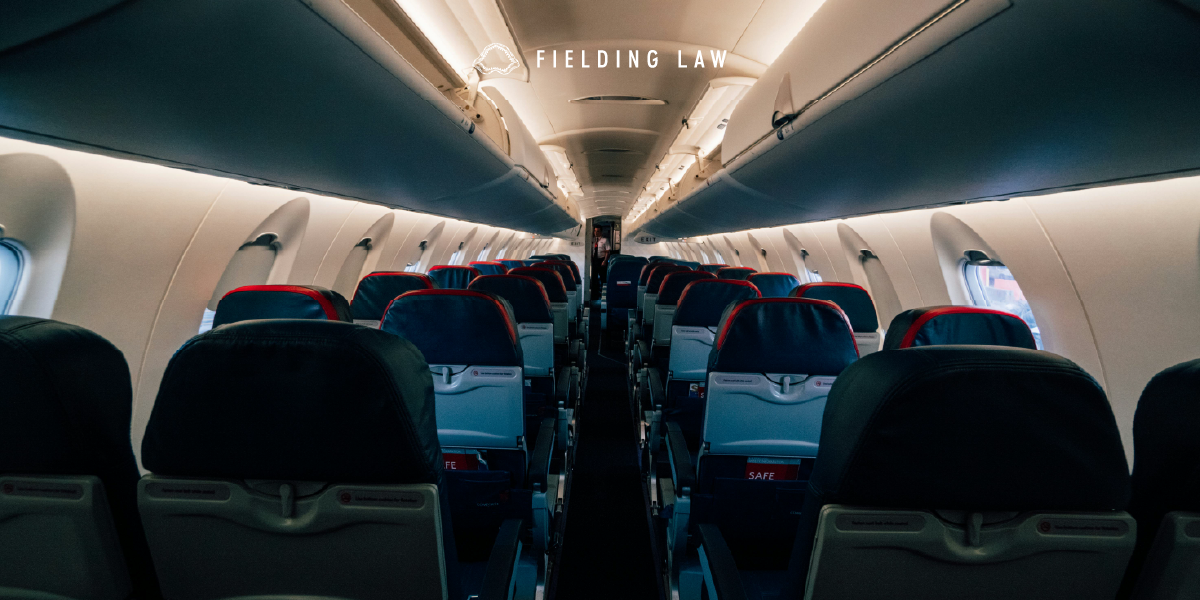
When you board a plane, your safety is largely in the hands of the airline and its crew. However, when that duty of care is not met, injuries can happen in ways you might not expect. From turbulence and falling luggage to onboard incidents, it raises an important question: if you are injured during a flight, who is responsible and where does liability fall?
Common Airplane Injuries
Air travel, while generally safe, can still present unexpected hazards during everyday in-flight and boarding situations that may result in serious passenger injuries.
Burn Injuries
Even something as simple as serving a hot drink mid-flight can cause serious injury. Airlines have a duty to protect passengers from preventable harm. Small details often matter in real cases. How the drink was served, lid use, tray stability, and assistance can help explain what happened.
Real-life example: The parents of an 8-year-old passenger filed a lawsuit against Alaska Airlines after their daughter reportedly suffered severe burns when she was served a cup of hot tea without a lid. This reminds us how quickly an ordinary moment can turn into something much more serious. (People).
Slip and Fall Injuries
Tight aisles, turbulence, and spills can create hazards on board, especially when they are not addressed promptly by crew members.
Real-life example: A federal court case involved a passenger who slipped in an airplane aisle on a piece of plastic wrap during flight, which led to a serious injury claim. The court discussed whether the presence of plastic wrap in the aisle could constitute an “unexpected or unusual” condition under aviation law. (Holland & Knight).
Overhead Bin Injuries
It is something most of us do not think twice about, when we place or grab a bag from the overhead bin; however, improper stowage or unsecured items can create unexpected risks for passengers below.
Real-life examples: In one case, a passenger sued United Airlines after being injured by a falling suitcase, arguing that cabin crew should have assisted with stowing the luggage. (Business Insider).
Boarding Injuries
Boarding a flight may feel routine. Passengers rely on others for guidance and care, especially when mobility assistance is involved.
Real-life example: A family was affected when a passenger filed a lawsuit after their loved one fell from an unsecured wheelchair being pushed by a crew member during boarding. He passed away later due to his injuries. This highlights how critical proper care and attention are in these moments. (Las Vegas Review Journal).
Seat Malfunction Injuries
Sitting down on an airplane seat feels automatic and effortless. A malfunctioning seat can still cause unexpected injury.
Real-life example: A passenger filed a lawsuit after a seat reportedly reclined unexpectedly, leading to back and neck strain. This shows how a sudden, seemingly minor issue can cause lasting discomfort. (Business Insider).
Importance of Evidence
After an airplane injury, gathering evidence can make a real difference in understanding what happened and who may be responsible. Small but important details, like photos of the scene, medical records, witness accounts, incident reports from the airline, and even your travel documents, can help piece together a clear picture. Things can change quickly after a flight. Document everything as soon as possible to help protect your rights and strengthen your case.
Protecting You Everyday
At Fielding Law, we believe safety is not only about the rare, unexpected moments it is about the everyday choices, systems, and care that surround every journey. Many reported injuries happen during routine travel moments. They occur while boarding, storing luggage, or settling into seats. When injuries happen during travel, you do not have to navigate the aftermath alone. Fielding Law is here to help you understand your rights and explore your options with care and clarity. Call us at 833.88 SHARK for your free consultation.
Note: Information provided is for educational purposes and does not constitute legal advice. Always consult with a qualified attorney for legal concerns.