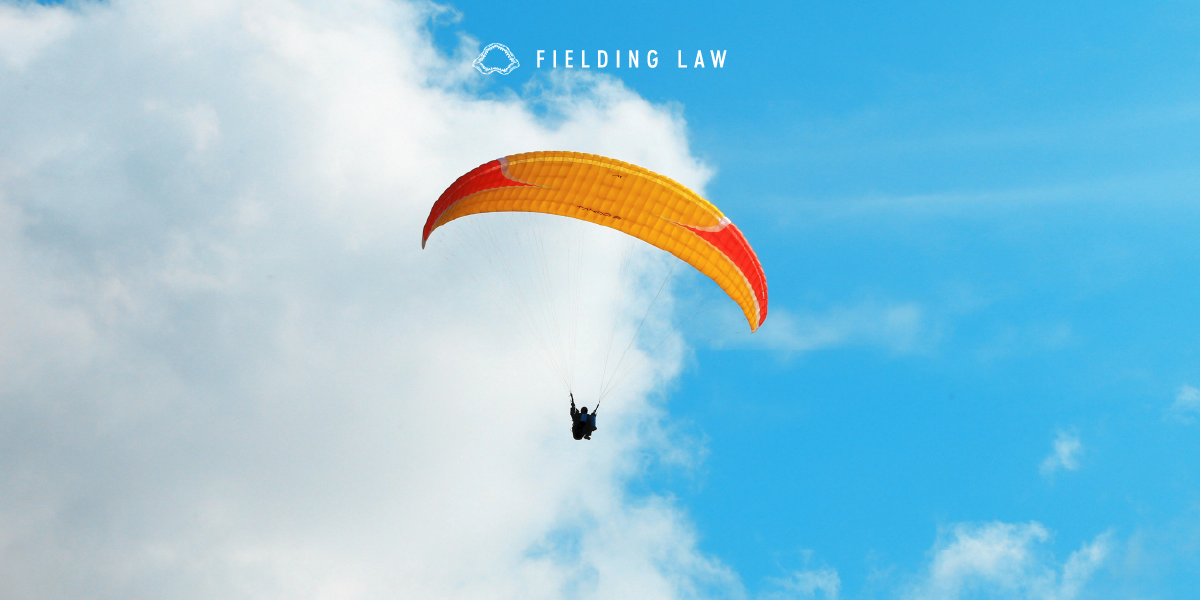
With its clear weather and stunning desert landscapes, Arizona is a premier place to skydive. Adventure seekers travel from across the United States to take advantage of the state’s more than 300 sunny days each year. While conditions are often ideal, skydiving still carries risks. Equipment can fail, and accidents, though rare, can still occur.
After the Incident
An uncontrolled or hard landing can be frightening. Even with strict safety measures in place, incidents may still happen. If this occurs, first check yourself for injuries. When it is safe, move to a secure area and call 911 or alert nearby instructors or bystanders for assistance.
Seek Medical Attention
Whether injuries appear minor or serious, obtaining a medical evaluation is important. Seeing a healthcare professional helps ensure proper care and supports a safe recovery. Medical records can also help show whether injuries may be linked to equipment issues or safety failures.
Report and Document Incident
In situations like this, the skydiving company should be notified promptly so that a safety review can take place. Keeping detailed records can also help. Write down what happened, the equipment involved, and any pain or symptoms you experience. Documentation like this can be valuable for your care and for understanding the incident. These details may also help show whether the accident resulted from a preventable mistake or unsafe condition.
When Is Someone Legally Responsible
Not every skydiving accident leads to a legal claim. For a case to move forward, there must be evidence that another party acted negligently. This could involve improper equipment maintenance, defective gear, inadequate training, or failure to follow required safety procedures. If an accident happened despite everyone following proper safety standards, there may not be a basis for a claim. A careful legal review can help determine whether negligence played a role.
Waivers Do Not Always Prevent Claims
Many people assume that signing a skydiving waiver means they cannot pursue legal action. While waivers can limit liability for ordinary accidents, they do not protect against serious negligence or reckless conduct. If the equipment was improperly maintained, an instructor ignored safety procedures, or the company failed to follow industry standards, a claim may still be possible even if a waiver was signed.
Your Recovery, Our Priority
At Fielding Law, we know your focus should be on healing. If you were injured and believe someone else’s negligence contributed to the incident, our team can evaluate your situation and explain your options. We handle the details so you can concentrate on your recovery and well-being. Call 833.88.SHARK today for a free consultation.
Note: Information provided is for educational purposes and does not constitute legal advice. Always consult with a qualified attorney for legal concerns.