A Simple Mistake That Can Cost You
After an injury, your first instinct is often to clean up, fix what broke, or move on. That reaction makes sense. Life feels disrupted, and you want things back to normal.
However, repairing or altering anything that caused your injury can quietly damage your legal claim.
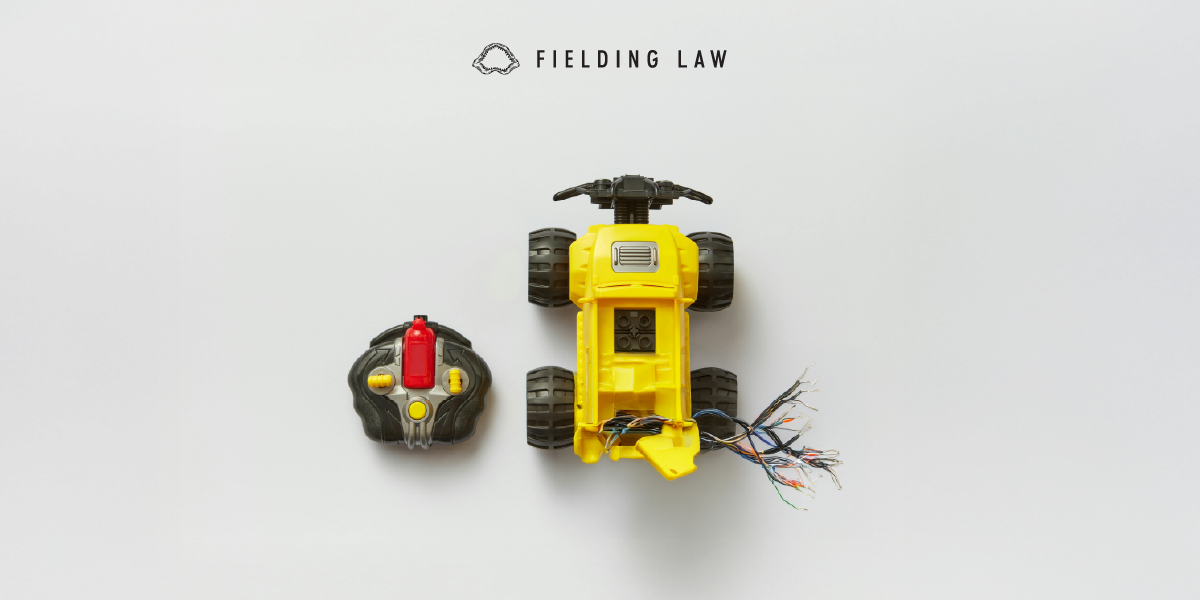
A cracked ladder. A torn shoe. A dented car. A broken railing.
These are not just damaged items. They are evidence.
And once you fix them, that evidence may be gone for good.
What This Means
In a personal injury case, it is not enough to say what happened. You must prove it.
Physical evidence often tells the clearest story. It shows how the incident occurred, how severe it was, and who may be responsible.
When you repair or replace an item:
- You may erase proof of a defect
- You may change how the item can be analyzed
- You may prevent experts from examining it
- You may weaken your ability to show fault
In some cases, it can even create arguments that the evidence was altered or destroyed.
Common Situations Where This Happens
Car Accidents
You fix your vehicle quickly because you need transportation.
But damage patterns, impact points, and internal data can help reconstruct the crash.
Slip And Fall Incidents
You wash your shoes or throw them away.
Those shoes may show traction issues, wear patterns, or substances that caused the fall.
Defective Products
You repair or discard a broken product.
That product could reveal a manufacturing defect or safety failure.
Bicycle Or Recreational Injuries
You replace damaged gear.
Helmets, pads, and equipment can demonstrate force and impact.
Even well meaning actions like cleaning or fixing items can unintentionally harm a claim.
Why Fixing Things Too Soon Hurts Your Case
You Lose Critical Proof
Once something is repaired, the original condition is gone. That condition may have been the strongest evidence in your favor.
Experts Cannot Analyze It
In many cases, professionals examine items to determine cause and fault. If the item changes, that analysis may no longer be possible.
Insurance Companies Will Question You
Insurance adjusters look for inconsistencies. If evidence is missing or altered, they may argue:
- The damage was not serious
- The item was not defective
- The injury did not happen the way you claim
It Can Be Considered Spoliation
In legal terms, destroying or altering evidence is known as spoliation. This can weaken your case or lead to negative assumptions.
Real World Example
Imagine a grocery store fall.
A customer slips on a wet floor and injures their back. Their shoes are soaked. Later that day, they clean and throw them away.
Weeks later, the store claims:
- The floor was dry
- The shoes had no traction
- The fall was the customer’s fault
Without the original shoes, it becomes harder to prove what really happened.
Legal Rights And Key Information
Personal injury claims rely heavily on evidence to establish:
- Liability, who caused the injury
- Causation, how the injury happened
- Damages, how serious the injury is
Insurance companies do not simply accept claims at face value. They evaluate the available evidence and look for gaps.
If evidence is missing or altered, it can:
- Reduce the value of your claim
- Delay the process
- Increase disputes over fault
What People Usually Do After An Incident
Many people act quickly, but not always in ways that help their case:
- They repair their car immediately
- They throw away damaged items
- They clean or fix the scene
- They send items to insurance without guidance
These actions are understandable. However, they can make it harder to protect your rights later.
Frequently Asked Questions
Should I fix my car after an accident?
You can, but it is best to document everything first and speak with an attorney before making repairs.
What if I already fixed or threw something away?
Your case may still be valid. Photos, videos, and other records can still help support your claim.
Can I clean items after an injury?
It is safer to leave items as they are until they are documented or reviewed.
What if the item is dangerous to keep?
Safety comes first. Take clear photos and preserve what you can, then seek legal guidance.
Why Hire Fielding Law
At Fielding Law, the focus is on protecting what matters most from the very beginning. Evidence can disappear quickly, and small decisions can have lasting effects. The team works to secure and preserve key details, coordinate expert analysis when needed, and guide clients through each step with care and clarity. Every case is handled with intention, because strong evidence builds stronger claims.
Talk To Someone Before You Fix Anything
It is natural to want to repair the damage and move forward. But in injury cases, that damage may be the most important piece of your story.
Before you fix, replace, or throw anything away, consider how it might affect your claim.
If you have questions, call 833.88.SHARK or reach out to Fielding Law for a free consultation.
Note: Information provided is for educational purposes and does not constitute legal advice. Always consult with a qualified attorney for legal concerns.