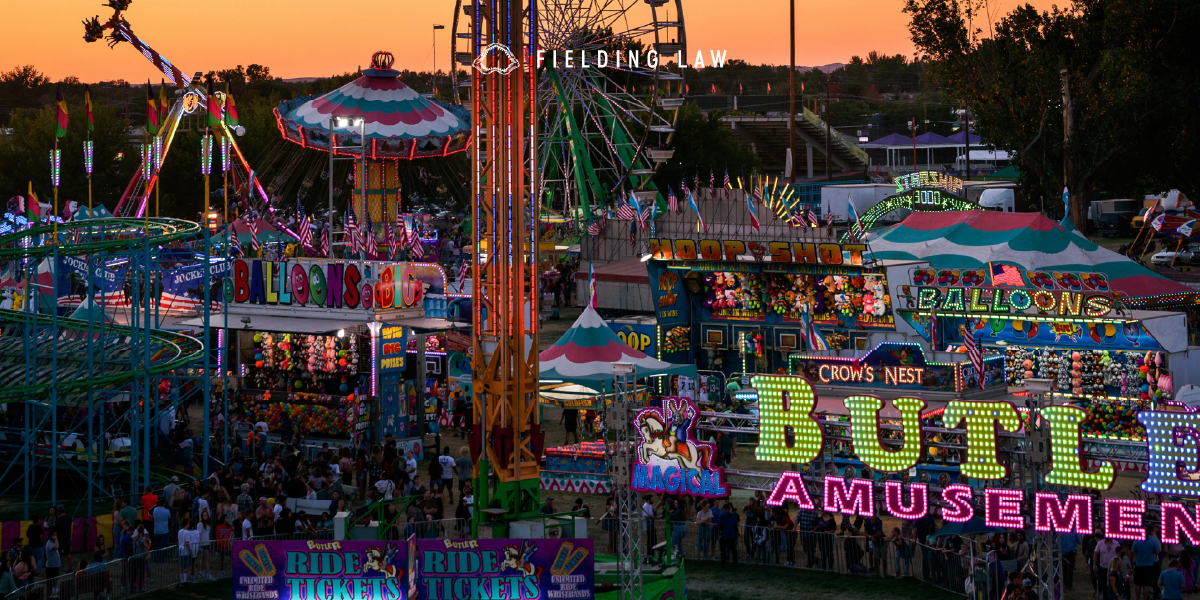
County fairs and traveling carnivals are built for fun, but they also come with real risks. Unlike fixed amusement parks, workers set up and take down these rides again and again. Because of that, small mistakes can turn into serious safety problems.
When crews rush setup or skip steps, safety issues can slip through. For example, a loose bolt or a weak restraint can lead to dangerous conditions fast. In addition, ride operators often work under pressure to open on time, which can increase the chance of error.
In California and Arizona, state rules apply to these events, but oversight can vary depending on the size of the fair and the company running it.
Common Causes of Fair Ride Injuries
Poor Maintenance Practices
Fair rides face heavy wear from constant transport and use. Without regular care, parts like restraints, bolts, and moving arms can wear down. Over time, that wear can lead to sudden failure during a ride.
Unsafe Operation
Ride operators must load and check riders safely. However, mistakes still happen. When an operator fails to lock restraints or misses a warning sign, riders can get hurt in ways that could have been prevented.
Weak Inspection Processes
Inspections are required, but they do not always catch every issue. Since fairs move quickly from one place to another, inspectors may not have enough time to fully check every system.
Design or Manufacturing Problems
Some rides have built in defects. In these cases, the design or manufacturing process creates risks that show up only after repeated use. As a result, riders may face dangers even when the ride is used as intended.
Types of Injuries Seen at Fairs
Fair ride accidents can cause a wide range of harm, including:
- Head injuries and concussions
- Broken bones
- Spinal injuries
- Internal injuries
- Severe soft tissue damage
These injuries often need emergency care. In more serious cases, recovery can take months or longer. In addition, some people face lasting effects that change daily life.
Real World Risks at Traveling Fairs
Across the country, fair rides have been linked to sudden stops, broken restraints, and mechanical failures. These events often happen without warning, which leaves riders little time to react.
In states like California and Arizona, large crowds and tight schedules add pressure on workers. Because of that pressure, teams may rush setup steps or overlook small issues.
Even though many rides operate safely, the traveling nature of these attractions adds extra risk. Each setup creates a new chance for something to go wrong.
Liability in California and Arizona
Who May Be Responsible
Several parties may share responsibility in a fair ride injury case:
- Ride operators and staff
- Fair organizers
- Equipment manufacturers
- Maintenance crews
- Property owners who host the event
In California, these cases often fall under negligence and unsafe property conditions. In Arizona, similar rules apply, and product issues may also play a role when a defect causes harm.
How Fault Gets Evaluated
To understand fault, investigators look at what went wrong and why. They review maintenance records, safety checks, and operator actions. They also check whether the ride worked as designed.
Because more than one company may be involved, these cases often require a full review of all parts of the setup and operation.
What Happens After a Fair Ride Injury
After an injury, medical care comes first. Some injuries show up right away, while others appear hours or even days later.
At the same time, it may be hard to know what caused the accident. Rides often get taken apart soon after the fair ends, which can make it harder to find key evidence.
Still, important details can help tell the story. Witness notes, inspection logs, and photos often help show what happened and why.
Fair Ride Injury Claims in California and Arizona
Understanding Legal Options
Fair ride injury claims can involve negligence, unsafe equipment, or both. In California and Arizona, an injured person may be able to seek payment for medical bills, lost income, and other losses based on the facts of the case.
These cases depend on details. For example, investigators look at how the ride was set up, how it was run, and whether safety steps were followed.
Because each case is different, careful review of the facts is key.
Frequently Asked Questions
Are fair ride injuries common?
They are not everyday events, but they do happen. The mobile setup of these rides adds more risk than fixed parks.
Who is usually responsible for a fair ride accident?
Responsibility may fall on operators, organizers, manufacturers, or maintenance teams, depending on what caused the failure.
Can a faulty ride lead to a claim?
Yes. If a defect caused the injury, a product claim may apply.
Do inspections stop all accidents?
No. Inspections help reduce risk, but they cannot catch every problem, especially when setups happen quickly.
What should I know about fair ride injuries claims in California and Arizona?
These cases often involve several parties, and the facts around setup, safety, and operation matter most.
When Fair Rides Cause Harm
Fair rides are meant to create fun memories, but safety problems can change everything in seconds. When equipment fails or mistakes happen, the results can be serious.
If you or someone you love has been hurt in a fair ride accident, Fielding Law can help explain your options. Call 833.88.SHARK
Note: Information provided is for educational purposes and does not constitute legal advice. Always consult with a qualified attorney for legal concerns.