

Category

Slip or Trip and Fall

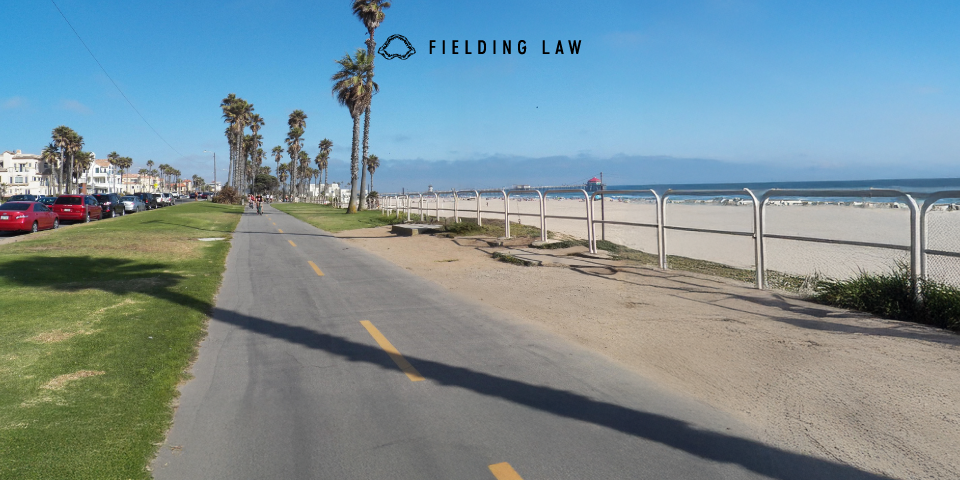
Huntington Beach Boardwalk

Injured on the Huntington Beach Boardwalk?

By Bicycle Accident, Pedestrian Accident, Personal Injury, Skate & Skateboarding Accident, Slip or Trip and Fall

Huntington Beach is a favorite spot for locals and visitors. From surf competitions to street festivals, the boardwalk stays active all year.

But when bikes, scooters, and skaters share space with walkers and beachgoers, accidents happen. If you were injured on the Huntington Beach boardwalk, you may wonder who is liable.

Each type of boardwalk user creates different risks. Understanding those risks and whether insurance applies can help you move forward.

Paddleboards and Surfboards on Bikes

Many cyclists carry surfboards or paddleboards strapped to the side of their bikes. These large objects often stick out several feet, making them hazardous in crowded areas.

A sudden gust of wind, a tight turn, or a small bump can send these boards swinging into people walking nearby. Even careful riders can unintentionally injure others.

Insurance Coverage

Most cyclists do not carry liability insurance. However, a homeowner’s or renter’s insurance policy may offer personal liability coverage. It depends on the policy. If the biker was negligent and their actions caused the injury, a claim may be possible under that policy.

Walkers

Walkers are typically the most vulnerable group on the boardwalk. They are often the ones hit rather than the ones causing accidents. However, they can still create dangerous situations.

If someone stops suddenly, walks in a group that blocks the path, or turns without looking, others may be forced to swerve or crash.

Insurance Coverage

Walkers rarely carry any form of liability insurance unless they own a homeowners or renters policy. If they caused an injury, those policies might provide some coverage. Medical bills for their own injuries would likely go through health insurance.

Rollerbladers and Skateboarders

Rollerbladers and skateboarders move faster than most walkers and can weave in and out of foot traffic. These riders often do not wear protective gear and may perform tricks or make sudden moves.

A fall or collision can cause serious harm, especially to pedestrians. These riders are expected to be in control and aware of their surroundings.

Insurance Coverage

Some riders may have coverage under their family’s homeowners or renters insurance. Others may not have any liability coverage at all. If they were acting recklessly, they may be held personally responsible.

Tandem Bikes, Trikes, and Multi-Person Rentals

These bikes are often rented for fun by families or groups. But they are large, heavy, and difficult to maneuver in tight spaces. Many riders are not used to steering them.

They can block the path, tip over, or accidentally crash into walkers and solo riders. Accidents may involve multiple people and be more severe due to the weight of the vehicle.

Insurance Coverage

Some rental companies carry commercial liability insurance. Others may require riders to sign waivers. These waivers are not always enforceable. Whether the company or the rider is liable depends on the cause of the accident and the terms of the rental agreement.

Electric Scooters

Electric scooters can hit speeds up to 15 mph. They are easy to rent using an app, but they are not easy to control. Many people ride without helmets or any experience.

They often weave through crowds or zip past walkers with little warning. Accidents involving electric scooters are becoming more common in busy beach areas.

Insurance Coverage

Some scooter companies provide limited liability coverage. Riders usually agree to terms that shift most of the responsibility to them. Personal insurance policies may not cover electric scooter use. This often leaves injury victims with few clear answers unless an attorney investigates.

Electric Bikes

Electric bikes, or e-bikes, are faster and heavier than standard bikes. Some can go as fast as 28 mph. A collision with an e-bike can be just as damaging as a crash with a motorcycle.

Riders may not have proper training or safety gear. Many treat e-bikes like toys when they should be treated like motor vehicles.

Insurance Coverage

E-bikes fall into a legal gray area. Standard bike insurance usually does not apply. Auto insurance often does not cover them either. A homeowner’s or umbrella policy might offer some coverage, but it depends on the details. Rental e-bikes may be covered by commercial insurance, but not always.

Why Hire Fielding Law

If you were injured on the Huntington Beach boardwalk, you deserve a law firm that listens and acts.

Fielding Law understands how chaotic boardwalk accidents can be. Liability is not always clear, and insurance companies do not make it easy.

Our experienced team investigates every angle, speaks with witnesses, and identifies the right path forward. We treat every case with care, professionalism, and compassion.

Whether you were injured on the Huntington Beach boardwalk as a pedestrian, rider, or visitor, we can help you understand your options.

Call Fielding Law at 833.88.SHARK or fill out the form on our Contact Us page for a free call back to discuss your injuries.

Note: Information provided is for educational purposes and does not constitute legal advice. Always consult with a qualified attorney for legal concerns.


Bouncy House in a grassy yard with trees behind it.

Bouncy House Injury Liability

By Personal Injury, Premises Liability, Product Liability, Slip or Trip and Fall

Common Causes of a Bouncy House Injury

Accidents in bounce houses happen more often than people think. Children can suffer serious injuries including broken bones, concussions, or sprains. These injuries often result from:

  • Overcrowding or lack of supervision

  • Improper setup or anchoring of the inflatable

  • Faulty or damaged equipment

  • Wind-related movement or lift-off

  • Bigger children jumping near smaller children

Each of these situations could indicate that someone was negligent.

Who May Be Held Responsible

Several parties could be responsible for a bouncy house injury. Determining liability will depend on the circumstances. Possible parties include:

  • The rental company – If they failed to inspect or safely set up the inflatable

  • The event host – If they allowed overcrowding or unsupervised play

  • The manufacturer – If a design or production flaw caused the injury

  • A property owner – If the inflatable was placed on unsafe or sloped ground

Liability is not always straightforward. Sometimes more than one party is at fault. A legal professional can help determine the best course of action.

What You Can Do Next

If your child was injured in a bouncy house, take these steps:

  1. Seek medical treatment right away

  2. Take photos of the inflatable and the area

  3. Collect contact information from witnesses

  4. Do not speak with insurance companies without legal guidance

  5. Reach out to a personal injury attorney as soon as possible

Why Choose Fielding Law

You do not have to figure this out alone. Fielding Law offers compassionate, capable help for families facing tough situations. We take the time to listen, explain your rights, and build a strong case on your behalf. We are not just here for legal answers—we are here for your peace of mind.

At Fielding Law we offer free consultations and work on a contingency fee basis. That means you pay nothing unless we win.

Contact Fielding Law or call 833.88.SHARK today to speak with our caring legal team.

Note: Information provided is for educational purposes and does not constitute legal advice. Always consult with a qualified attorney for legal concerns.
Yellow and Red roller coaster at Knott's Berry Farm

Injured at Knott’s Berry Farm?

By Pedestrian Accident, Personal Injury, Premises Liability, Product Liability, Slip or Trip and Fall

Injured at Knott’s Berry Farm? Here is What You Need to Know

A visit to Knott’s Berry Farm should be an exciting experience, but accidents can still happen. If you are injured at Knott’s Berry Farm, knowing the right steps to take will help you protect your health and legal rights. Follow this guide to understand what you need to do after an injury at the park.

1. Report the Injury Immediately

Report the incident to park officials as soon as possible. Be clear about the details of your injury and how it occurred. The park staff will document the accident and file an official report. This report will serve as crucial evidence if you decide to file a claim later.

2. Seek Medical Attention

Always seek medical attention after an injury, even if you feel fine at the moment. Some injuries, like internal damage or fractures, may not be immediately visible. Getting a professional evaluation creates an official record of your injuries, which can be vital for your case.

3. Gather Evidence at the Scene

Collect evidence right after the injury. Take photos of the area where the accident happened, including any hazards like wet floors, broken equipment, or malfunctioning rides. If there are witnesses, get their contact information. Gathering this evidence will help strengthen your case by proving that the park may be liable for the injury.

4. Avoid Speaking to the Insurance Company Before Consulting an Attorney

Do not give a statement to the insurance company before you consult an attorney. Insurance companies often try to minimize their payout, and anything you say may work against you. Fielding Law will help you navigate the insurance process and ensure that your rights are protected.

5. Contact an Experienced Personal Injury Attorney

When you are injured at Knott’s Berry Farm, you should contact an attorney with experience in premises liability cases. At Fielding Law, we specialize in representing clients injured at theme parks and other public venues. We will fight to ensure that your case receives the attention it deserves.

What Should You Include in the Injury Report?

When reporting the injury, make sure to include the following details:

  • The date, time, and location of the incident

  • A detailed description of how the injury occurred

  • Photos of the scene, if available

  • Contact information of any witnesses

  • A description of your injuries and the medical care you received

Why Hire Fielding Law?

If you sustain an injury at Knott’s Berry Farm, working with an experienced attorney will help you protect your rights. At Fielding Law, we will ensure that you receive fair compensation for your injuries. Our team will guide you through the claims process and fight to hold the responsible parties accountable.

If you have been injured at Knott’s Berry Farm, contact us at 833.88.SHARK. We will help you get the justice and compensation you deserve.

Note: Information provided is for educational purposes and does not constitute legal advice. Always consult with a qualified attorney for legal concerns.

Woman sitting at a kitchen counter researching. She has an injury on her left arm. The arm is in a cast

Reporting an Injury: Who to Contact and What to Include

By Car Accident, Dog / Animal Bite, Motorcycle Accident, Pedestrian Accident, Personal Injury, Premises Liability, Slip or Trip and Fall

If you have been injured due to an accident or unsafe conditions, reporting your injury correctly is essential. Whether it is a car accident, a slip-and-fall, or an injury at work, knowing who to report the incident to—and what details to include—can help protect your rights and ensure you receive the compensation you deserve. In this blog, we will guide you through who you need to report your injury to and what should be included in the report.

1. Report to the Property Owner or Manager (For Premises Liability, Dog Bite Injuries, and Slip-and-Fall Accidents)

If your injury occurred on someone else’s property, such as in a store, at a restaurant, or on a sidewalk, the property owner or manager is the first person you should notify.

Why It Is Important:
Reporting to the property owner or manager creates a record of the incident and gives them the chance to document the details. This helps ensure that the injury is officially acknowledged, and the property owner may file an internal report for their insurance company. Reporting the injury also helps you demonstrate that it occurred on their premises, which is vital for proving liability if you file a claim or lawsuit.

What to Include in the Report:

  • Date, time, and location of the injury

  • A description of what caused the injury (e.g., slippery floor, uneven pavement)

  • Names and contact information of witnesses

  • Photographs of the hazardous condition (if possible)

2. Report to Law Enforcement (If Necessary)

In some cases, especially if the injury is serious or involves a dangerous condition (such as a car accident or a slip-and-fall in a public space), you may want to involve law enforcement.

Why It Is Important:
A police report serves as an official account of the incident. This can be helpful in verifying the facts, gathering witness statements, and providing a reliable source of information if you need to pursue legal action. Law enforcement can also help address any ongoing safety issues that could pose further risk to others.

What to Include in the Report:

  • Detailed description of the injury

  • Cause of the accident or unsafe condition

  • Witness statements (if available)

  • Medical attention needed at the scene

3. Report to Your Insurance Company (For Auto or Home Accidents)

If the injury involves an auto accident, a home accident, or another situation where you have personal injury coverage, it is crucial to report the injury to your insurance company. However, before making contact with the insurance company, it is important to contact Fielding Law. We can guide you through the process and help ensure your rights are protected. Do not provide a statement about your injuries to the insurance company before consulting us. Insurance companies may use your statement against you, and we want to ensure that your case is handled properly from the start.

Why It Is Important:
Your insurance policy may cover medical expenses, lost wages, or other damages related to the injury. Reporting the incident to your insurer ensures that the claims process begins promptly and helps ensure that you are financially supported as you recover.

What to Include in the Report:

  • Date, time, and location of the accident

  • Description of what happened

  • Any photos, police reports, or witness statements that may support your claim

4. Report to Medical Providers

Seeking medical care after an injury is not only critical for your health but also for creating official documentation of the injury. Medical reports will serve as evidence in your case if you need to file a claim or lawsuit.

Why It Is Important:
Doctors can assess the extent of your injuries, provide treatment, and create medical records that support your claims. This documentation is essential for proving the severity of your injury, the treatment required, and how the injury impacts your daily life.

What to Include in the Report:

  • Details about the injury and how it occurred

  • Any symptoms you are experiencing (pain, swelling, etc.)

  • Treatment and care you have received

  • Expected recovery timeline

5. Report to Your Employer (For Workplace Injuries)

If you have been injured at work, you need to report the incident to your employer or supervisor immediately. This is required by law in many cases and is essential for workers’ compensation claims.

Why It Is Important:
Reporting workplace injuries promptly allows your employer to file a claim with their workers’ compensation insurance. This ensures that you can receive compensation for lost wages, medical treatment, and other damages related to the injury.

What to Include in the Report:

  • Detailed description of the injury and how it occurred

  • Names and contact information of any witnesses

  • Medical treatment you have received or need

  • The impact the injury has on your ability to perform your job

The Bottom Line

Properly reporting your injury is a crucial step in ensuring that you receive the compensation and medical care you deserve. Whether it is reporting to a property owner, law enforcement, your insurance company, or your employer, the goal is to create a clear, official record of the incident and the injury.

At Fielding Law, we understand the importance of this documentation and are here to help guide you through the process. If you need assistance with reporting an injury or filing a claim, do not hesitate to contact us. We are here to help you get the justice and compensation you deserve.

Why Hire Fielding Law?

At Fielding Law, we are committed to helping our clients navigate the complex world of personal injury claims. We understand the intricacies of the reporting process and can provide the guidance you need to ensure that your rights are protected. If you have been injured, contact us at 833.88.SHARK for a free 24/7 consultation. Let us handle the legal aspects while you focus on your recovery.

Note: Information provided is for educational purposes and does not constitute legal advice. Always consult with a qualified attorney for legal concerns.

two professionals shaking hands in a law office

How Professionalism Helps Your Injury Case

By Car Accident, Firm News and Celebrations, Pedestrian Accident, Personal Injury, Premises Liability, Slip or Trip and Fall, Wrongful Death

Why Professionalism Matters

When you hire an attorney, you want someone who is capable, compassionate, and respectful to you and everyone involved in your case. At Fielding Law, we believe that professionalism in personal injury law is more than good manners. It is a strategy that leads to better outcomes for our clients.

Our Senior Attorney, Ryan Cooper, recently received this comment from a defense attorney:

“Thanks for the professionalism and avoidance of game play on this one. Quite refreshing and I look forward to working with you again.”

This kind of feedback matters. It reflects the way we choose to show up—with integrity and purpose.

How It Helps Your Case

It Builds Credibility

When opposing counsel respects your attorney, it builds trust. That trust can make negotiations more productive, reducing delays and unnecessary conflict.

It Keeps the Focus on You

Professionalism removes distractions. No drama, no games—just results. That means your case stays focused on your injuries, your recovery, and your right to compensation.

It Encourages Fair Settlements

When attorneys act with civility, cases are more likely to settle fairly and efficiently. Insurance adjusters and defense counsel are more willing to cooperate when the process feels professional.

It Strengthens Courtroom Presence

Judges notice. Juries notice. Respectful, well-prepared attorneys are more persuasive in court. That can be the difference between winning and losing.

Why Hire Fielding Law

At Fielding Law, we know that professionalism is not just about being polite. It is about being prepared, intentional, and focused on your needs. Our team is here to support you with kind, capable, and strategic legal representation. Whether you were injured in a car crash, slip and fall, or another accident caused by negligence, we are ready to help.

Reach out today at 833.88.SHARK or visit our Contact Us page to schedule a free consultation.

Let us show you how professionalism and compassion go hand in hand.

Note: Information provided is for educational purposes and does not constitute legal advice. Always consult with a qualified attorney for legal concerns.

Man and Woman Wearing Traditional Mexican Clothes for Cinco de mayo

Stay Safe This Cinco de Mayo

By Car Accident, Pedestrian Accident, Personal Injury, Slip or Trip and Fall

Cinco de Mayo is a time for celebration with friends and family, but it is important to keep safety in mind while enjoying the festivities. Here are a few tips for staying safe while you celebrate.

Driving Safely on Cinco de Mayo

  • Use a Designated Driver: If you plan to drink, make sure you have a designated driver. Ride-sharing services like Uber and Lyft are also great options to avoid driving under the influence.

  • Stay Alert on the Road: Celebrations can make the roads busier, with more impaired drivers. Pay attention to other drivers and follow the rules of the road.

  • Know Your Limits: Even a small amount of alcohol can affect your ability to drive. Remember that the legal limit for BAC is 0.08% in California and Arizona, but it is safer to avoid drinking and driving altogether.

  • Plan Ahead: If you are out late, plan ahead for a safe way to get home. Many cities offer discounts or free rides during major holidays like Cinco de Mayo.

Preventing Accidents While Celebrating

  • Pace Yourself: Drinking slowly and alternating alcoholic beverages with water can help you stay in control and avoid accidents.

  • Supervise Children: Keep an eye on children if you are hosting a party, especially if alcohol is involved.

  • Be Careful While Moving Around: Whether dancing, playing games, or simply enjoying time with friends, be aware of your surroundings to avoid slips, trips, or falls.

  • Avoid Distractions: If you are attending a gathering, avoid texting or driving distracted. If you need to use your phone, pull over to a safe location before checking messages or navigation.

Personal Injury Awareness

With the fun of the celebration, it is also important to be aware of the potential for accidents and injuries.

  • DUI Accidents: DUI-related accidents are common on holidays like Cinco de Mayo. If you have been involved in a DUI accident, it is crucial to contact an experienced attorney to protect your rights.

  • Injuries at Gatherings: Accidents can happen, whether from a fall or another person’s actions. If you are injured at a friend’s home or public event, seek medical help right away. Depending on the situation, you may be entitled to compensation for your injuries.

Why Hire Fielding Law?

At Fielding Law, we are here to help if you are injured in an accident. Our team has experience handling personal injury cases, from car accidents to slip and falls. We understand how difficult it can be after an injury, and we are dedicated to providing compassionate, capable legal support.

If you have been injured due to someone else’s negligence, do not hesitate to reach out to Fielding Law at 833.88.SHARK to discuss your case. We are here to help you navigate the legal process and fight for the compensation you deserve.

Note: Information provided is for educational purposes and does not constitute legal advice. Always consult with a qualified attorney for legal concerns.
Several vehicles on a Los Angeles freeway with the hills in the background

Who Pays When Multiple Parties Are Liable?

By Car Accident, Personal Injury, Premises Liability, Product Liability, Slip or Trip and Fall, Wrongful Death

What Is Joint and Several Liability?

In certain situations, when multiple parties are responsible for causing harm, one defendant might be required to pay the full amount of damages, even if others share some of the responsibility. This is known as joint and several liability. If one defendant pays the entire amount, they may later seek reimbursement from the other responsible parties. This legal concept can greatly impact how damages are divided in a personal injury case.

How Does Joint and Several Liability Work?

When more than one defendant is involved in an injury, the court determines the level of responsibility for each. If a defendant is found to be “jointly and severally” liable, they may be ordered to pay the full compensation to the injured party. This can happen regardless of the level of fault the defendant shares with others.

For example, imagine a car accident where two drivers are at fault. If one of the drivers has limited insurance or assets, the other may be required to cover all damages. Once the paying defendant covers the full amount, they may seek reimbursement from the other responsible parties.

How Does This Impact Your Case?

In cases where joint and several liability applies, the injured party may receive full compensation for their injuries, even if one defendant cannot pay. However, this legal structure places the burden on the paying defendant to pursue others for their fair share.

It is crucial to work with a legal team who understands how joint and several liability can affect your compensation. If multiple parties are involved in your injury, your attorney can help ensure that you are compensated fairly and guide you through the complexities of this type of case.

Why Hire Fielding Law?

At Fielding Law, we have the knowledge and experience to navigate complex liability issues. Whether your case involves one responsible party or several, we are here to advocate for your rights and ensure you get the compensation you deserve.

Our empathetic team takes the time to understand the unique details of your situation, helping you every step of the way. Fielding Law is dedicated to your success and will work tirelessly to secure the best outcome for you.

If you have questions about your case or need expert legal representation, call 833.88.SHARK today. We are here to help.

Note: Information provided is for educational purposes and does not constitute legal advice. Always consult with a qualified attorney for legal concerns.

Person walking on pavement. Close up on the shoes

16 Most Asked Questions for Slip and Fall Injuries

By Personal Injury, Premises Liability, Public Entity, Slip or Trip and Fall

Slip and fall injuries can happen anywhere, from a grocery store to a friend’s home. If you sustain an injury in a slip and fall accident, you may have many questions about your rights and how to handle the situation. We’ve answered 15 frequently asked questions to guide you through this process.

1. What is a slip and fall injury?

A slip and fall injury happens when someone slips, trips, or falls on someone else’s property due to unsafe conditions. These accidents can lead to serious injuries, including broken bones, sprains, or head trauma.

2. Who is responsible for my slip and fall?

If the property owner, manager, or tenant failed to maintain a safe environment, they may be responsible for your injuries. Liability depends on the specifics of the accident.

3. What should I do after a slip and fall?

Immediately seek medical attention, even if you think your injuries are minor. Report the accident to the property owner or manager. Also, document the scene with pictures and witness contact information.

4. Can I file a lawsuit for a slip and fall?

Yes. If the property owner was negligent in maintaining their property, you may be entitled to compensation for your injuries, medical bills, and lost wages.

5. Do I need a lawyer for a slip and fall case?

While you can file a claim on your own, hiring a personal injury attorney ensures you protect your rights and receive the maximum compensation possible.

6. How long do I have to file a slip and fall claim?

Most states allow two years for filing a slip and fall claim. However, if the accident occurred on property owned by a public entity, you may have a shorter time frame to file your claim. Acting quickly can preserve important evidence and strengthen your case.

7. What evidence do I need for a slip and fall case?

Gather photographs of the accident scene, medical records, witness statements, any accident reports to support your case, and contact Fielding Law at 833.88.SHARK to get you the support you need.

8. Can I still get compensation if I was partially at fault?

Yes, you can still receive compensation if you were partially at fault. However, your compensation may decrease based on your percentage of fault.

9. How are slip and fall cases settled?

Many slip and fall cases settle outside of court through negotiations with the property owner’s insurance company. If the parties cannot reach a settlement, the case may go to trial.

10. What kind of damages can I recover?

You may recover compensation for medical expenses, pain and suffering, lost wages, emotional distress, and permanent disabilities resulting from the accident.

11. What if the property owner denies responsibility?

If the property owner denies responsibility, you may need to prove their negligence using witness testimony, photographs, and expert analysis. An experienced attorney can help gather the necessary evidence.

12. How long will my slip and fall case take?

The duration of your case depends on factors such as the complexity of the situation and whether the case settles. It may take months or even years to resolve.

13. What if my slip and fall injury was caused by a wet floor?

If the floor was wet due to a failure to mark a hazard or clean up a spill, the property owner may be liable for your injuries. Document the wet floor condition immediately after the fall.

14. Can I file a claim if I slipped on ice?

Yes, property owners are responsible for clearing ice and snow from walkways. If they fail to do so, you may have a case.

15. What are common slip and fall injury types?

Common injuries from slip and fall accidents include sprains, fractures, head injuries, back injuries, and shoulder injuries. These injuries often require extensive medical treatment and rehabilitation.

16. What if I slipped on oil or grease?

Slipping on oil, grease, or other slippery substances can lead to serious injuries. If the spill or hazard was on someone else’s property and they failed to clean it up or provide a warning, they may be liable for your injuries.

Why Hire Fielding Law?

At Fielding Law, we understand the physical, emotional, and financial toll slip and fall injuries can take. Our experienced team is dedicated to fighting for your rights and helping you recover the compensation you deserve.

We take the time to understand your case and work tirelessly to ensure you receive the support you need throughout the legal process. Fielding Law is committed to securing the best possible outcome for you, so you can focus on your recovery.

If you have sustained a slip and fall injury, call 833.88.SHARK today. Let us help you get back on your feet.

Note: Information provided is for educational purposes and does not constitute legal advice. Always consult with a qualified attorney for legal concerns.

Injured at Coachella

Injured at Coachella Music Festival

By Car Accident, Pedestrian Accident, Personal Injury, Premises Liability, Public Entity, Slip or Trip and Fall, Wrongful Death

Indio, California becomes one of the busiest destinations in the country during Coachella Valley Music and Arts Festival. With thousands of attendees, high energy crowds, and large scale production, the risk of injury increases significantly.

While many festivalgoers focus on the experience, it is important to understand what happens if something goes wrong. Injuries at Coachella are not always accidents. In many cases, they are the result of preventable safety failures.

Common Causes of Coachella Injuries

In a setting as complex as Coachella, multiple parties are responsible for maintaining a safe environment. When those responsibilities are not met, serious injuries can occur.

Car and Rideshare Accidents

Traffic throughout Indio and nearby areas like Palm Springs increases dramatically during festival weekends. With out of town drivers, rideshare congestion, and long wait times, accidents become more common.

Some crashes involve distracted or impaired drivers. Others may involve poor traffic control or unsafe pickup and drop off conditions.

Pedestrian Accidents

Heavy foot traffic combined with vehicle congestion creates dangerous conditions for pedestrians. Even when using designated paths, festivalgoers may still be at risk due to negligent drivers or inadequate traffic management.

Negligent Security and Assault

Security failures are one of the most serious concerns at large events. When there is not enough trained staff, or when dangerous behavior is ignored, preventable incidents can occur.

In these situations, the event organizers or third party security companies may be responsible for failing to protect attendees.

Slip and Fall Hazards

Uneven ground, spills, debris, and poor lighting can all lead to slip and fall injuries. These hazards are often preventable with proper inspection and maintenance.

Festival operators have a responsibility to keep walkways reasonably safe, especially at night.

Faulty or Improperly Mounted Equipment

Large festivals rely on temporary structures, including stages, lighting rigs, and sound equipment. When this equipment is defective, improperly installed, or not secured correctly, it can cause serious harm.

Liability in these cases may involve vendors, contractors, or event organizers.

Crowd Surges and Crush Injuries

Crowd management is critical at events of this size. Without proper planning and control measures, crowd surges can occur.

Incidents like the Astroworld Festival crowd crush demonstrate how quickly unsafe conditions can escalate when safety protocols are not followed.

Who Can Be Responsible for a Coachella Injury

Determining liability after a festival injury is not always straightforward. Multiple parties may share responsibility depending on how the incident occurred.

This may include:

  • Event organizers responsible for overall safety planning
  • Security companies responsible for crowd control
  • Vendors or contractors responsible for equipment setup
  • Drivers or third parties who act negligently

When injuries are caused by unsafe conditions, lack of security, or equipment failures, they may involve premises liability or negligence claims under California law.

What To Do If You Are Injured at Coachella

If you are injured during the festival, taking the right steps can protect both your health and your potential claim.

  1. Seek medical attention immediately
    Visit a medical tent or nearby provider as soon as possible.
  2. Report the incident
    Notify event staff or security to ensure the incident is documented.
  3. Gather evidence
    Take photos or videos if it is safe. Collect witness information and note any unsafe conditions.
  4. Keep records of your recovery
    Save medical records, bills, and updates related to your injury.
  5. Speak with a Coachella injury lawyer
    Understanding your options early can help you make informed decisions.

Why These Cases Are Different

Festival injury cases are often more complex than standard accidents. They may involve multiple parties, large insurance policies, and detailed investigations into safety procedures.

Having guidance from a team familiar with these types of claims can help you better understand your situation and next steps.

Why Hire Fielding Law

Fielding Law is committed to helping individuals who have been injured due to negligence. Whether an injury involves unsafe conditions, negligent security, or improperly installed equipment, our team approaches every case with care and attention.

We focus on clear communication, thoughtful strategy, and supporting clients through each stage of the process.

Fielding Law Is Here for You

If you were injured at Coachella or another festival in Indio, California, and believe negligence played a role, Fielding Law is here to help.

Call 833.88.SHARK for a free consultation and speak with a team that can guide you through your options.

You focus on your recovery. We will help you stay informed and supported.

Note: Information provided is for educational purposes and does not constitute legal advice. Always consult with a qualified attorney for legal concerns.

A woman sitting on a chair. Showing emotional distress. She has her hands covering her face and another woman sitting next to her consoling her.

How Can I Recover for Emotional Distress Claims?

By Car Accident, Catastrophic Injury, Dog / Animal Bite, Personal Injury, Slip or Trip and Fall, Spinal Cord Injury, Wrongful Death

Life can change in an instant. The emotional impact of an accident or traumatic event can last far longer than physical injuries. At Fielding Law, we understand the pain you are feeling. If you are considering emotional distress claims, it is important to know what steps you need to take. We are here to help you through this process with care and confidence.

What is Emotional Distress?

Emotional distress is mental suffering caused by someone else’s careless or harmful actions. Many different situations can lead to emotional distress, including:

Emotional distress may show up as anxiety, depression, or post-traumatic stress. These feelings are real and valid, and the law may allow you to seek compensation.

What You Need to Prove

To file an emotional distress claim, there are key things you must show. This process may feel stressful, but the right legal support can make it easier.

Here is what is often required:

  1. Negligent or intentional conduct
    You must show that another person acted in a way that caused you harm.

  2. Severe emotional suffering
    Your emotional pain must be serious. It must affect your daily life in a major way.

  3. Medical evidence
    Support from a doctor, therapist, or counselor can help prove your emotional suffering.

  4. Clear connection to the event
    You need to show that the distress is directly related to the harmful event.

Gathering these details can take time, but you do not have to do it alone. With the right guidance, emotional distress claims can give you the support you need to begin healing.

Can You Claim Emotional Distress as a Personal Injury Victim?

Yes, as a personal injury victim, you may file an emotional distress claim even if you do not have a physical injury. While emotional distress is often linked to physical harm, it is not required to file a claim in personal injury cases.

For example, if you have been in an accident and experienced significant emotional suffering, such as anxiety, depression, or post-traumatic stress, you may be eligible to claim emotional distress. This could apply even if your injuries are not visible or physically debilitating.

However, proving emotional distress in a personal injury case can be challenging. You will need to demonstrate the severity of your emotional suffering and show how it impacts your daily life. Medical evidence from a therapist or counselor will often be necessary to support your claim. The defendant’s actions, such as negligence or intentional harm, will also be an important factor in determining the validity of your claim.

While emotional distress claims are more subjective than physical injury claims, they are still an essential part of seeking justice as a personal injury victim. With the right support from Fielding Law, you can effectively pursue compensation for your suffering.

Is it Hard to Recover for Emotional Distress?

Recovering for emotional distress can be more difficult than for physical injuries. The reason for this is that emotional suffering is not always visible. Unlike physical injuries, emotional distress does not have clear, tangible evidence like broken bones or scars.

Because emotional distress is subjective, proving the extent of your suffering can be challenging. You must show that your emotional pain is severe enough to warrant compensation. This often involves providing medical records and testimony from mental health professionals.

In some cases, the defendant or their insurance company may argue that your distress is not as severe as you claim or that it is unrelated to the event. This makes the process of recovering for emotional distress more complicated. However, with the support of an experienced attorney like Fielding Law, you will have a better chance of presenting a strong case.

When to Contact Fielding Law

Speaking with an attorney early on is important. The sooner you contact Fielding Law, the sooner we can protect your rights. We can help gather the evidence, handle communication with insurance companies, and build your case with care.

At Fielding Law, we do more than just handle your case. We listen to your story and provide the support you need during difficult times. Our team is experienced, kind, and ready to fight for the justice you deserve. Call 833.88.SHARK today for a free consultation.

Emotional distress claims are complex, but you should not have to face them alone. Let us help you take the next step forward.

Note: Information provided is for educational purposes and does not constitute legal advice. Always consult with a qualified attorney for legal concerns.

Close Menu