
Category

Catastrophic Injury

catastrophic injury from an allergic reaction

Food Allergy Claims 101

By Catastrophic Injury, Personal Injury

Living with food allergies is no easy ordeal. It requires unwavering trust in restaurant staff to ensure a safe dining experience.  At Fielding Law, we understand the complexities of food allergies. We prioritize comprehensive legal support if you suffer a catastrophic injury from an allergic reaction at no fault of your own. 

Understand the Risk

Food allergies are not a rare occurrence. They affect about 6% of American adults and children (CDC). This means 1 in 20 individuals must be extremely cautious with their meal choices to avoid potentially life-threatening allergic reactions. Shockingly, despite restaurant staff being aware of guests’ food allergies, more than half of all allergic reactions occur within restaurant premises (NIH). Food allergies are serious, leading to anaphylactic shock, a severe reaction with dire consequences.

Types of Claims

The first step to finding justice is determining the appropriate claim for your case: 

Negligence

Negligence may arise in cases involving severe allergic reactions to food if a restaurant or food establishment fails to comply with a guest’s allergy notice.  

In the case of Kanokporn Tangsuan, improper food handling practices and disregard for customer allergies led to her wrongful death. When negligence leads to catastrophic allergic reactions, the responsible parties may be held accountable for failing to uphold the duty of care owed to guests with allergies. 

Tampering

Tampering with food items, whether intentional or accidental, can lead to severe allergic reactions. Such actions pose life-threatening risks for guests. The situation that occurred to Saira Weitz’s son showcases how dangerous cross-contamination can be to a guest with allergies.   

Failure to Warn

Failure to provide adequate warnings about potential allergens in food products can have serious consequences. The wrongful death of Orla Baxendale showcases the danger behind mislabeling. She unwittingly consumed allergens she was unaware of, which ultimately led to a catastrophic allergic reaction.  

How do I Know if I Have a Case?

Individuals affected by any of the above claims may pursue legal action to seek compensation for suffered due to allergic reactions. If you are unsure whether you are eligible for compensation, call 833.88.SHARK for a free legal consultation, which is available 24/7. At Fielding Law, we are here to navigate all the complexities behind a catastrophic injury from an allergic reaction and are equipped to bring you justice.  

Note: Information provided is for educational purposes and does not constitute legal advice. Always consult with a qualified attorney for legal concerns.
smart device evidence

How Wearable Tech Boosts Your Personal Injury Claim

By Bicycle Accident, Car Accident, Catastrophic Injury, E-Bikes and E-Scooters, Motorcycle Accident, Pedestrian Accident, Personal Injury, Public Entity, Slip or Trip and Fall, Truck Accident

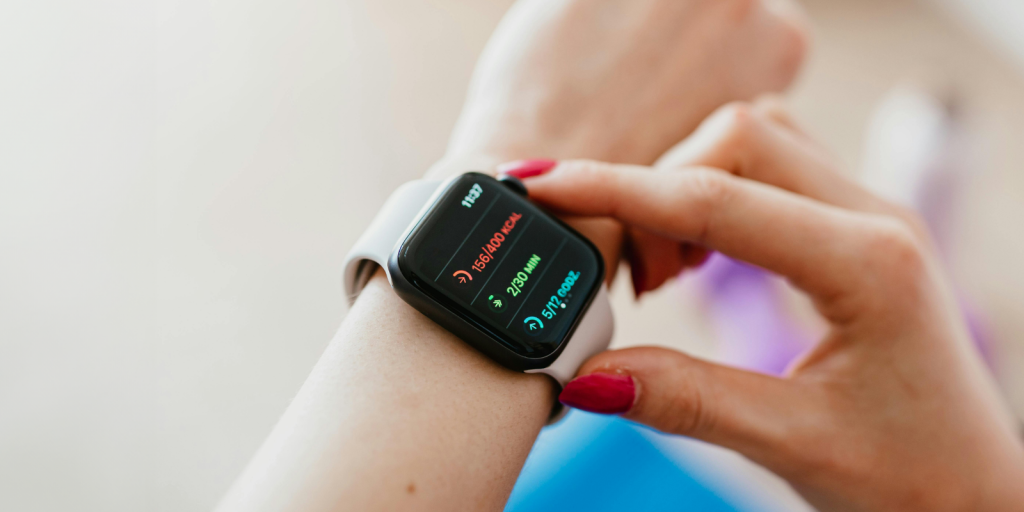
Smart, wearable devices are more than just trendy gadgets; they can play a crucial role in supporting your personal injury claim by automatically storing vital information. This includes smart device evidence, tracking details such as location, sleep patterns, physical activities, and more. The collected data serves as tangible evidence, reinforcing essential facts pertinent to your injury claim.

Information Crucial to Personal Injury Accident Claims

In the aftermath of a personal injury accident, a wearable, smart device can be a valuable asset. The information it captures varies based on the case’s circumstances and disputes. For instance, it can corroborate your presence at the accident scene, offering insights into your vehicle’s speed during the incident. Additionally, these devices monitor sleep patterns, physical activity, and heart rate, providing valuable health-related data. This information proves instrumental in illustrating the impact of the accident on your life, from altered sleep patterns due to mental distress to changes in physical activity levels.

Leveraging Smart Device Evidence

Wearable devices go beyond human observation, presenting a data-driven narrative that can significantly benefit your case. From establishing fault to detailing the severity of damages, these devices offer a unique perspective that can refute opposing claims and substantiate your version of events.

Navigating Admissibility Challenges for Electronically Stored Information

While the electronic data from your smart, wearable device can be invaluable, navigating its admissibility at trial poses challenges. Courts adhere to rules governing evidence presentation, and opinions on admitting electronically stored information vary. Some argue for its inherent reliability, allowing admission based on owner testimony, while others may require expert witnesses or certifications. Addressing admissibility hurdles preemptively is crucial, necessitating motions for clarification and strategic planning with your attorney.

Potential Queries and Obstacles in Smart Device Evidence

Despite the benefits, challenges persist in using data from smart devices as evidence. Establishing ownership and credibility becomes paramount, considering potential data manipulation. Variances among device types, such as GPS accuracy, signal interference, and sensor errors, further complicate matters. Fielding Law, with its expertise, can guide you through these intricacies, ensuring effective utilization of electronically stored information in your case.

Trust Fielding Law to Navigate the Legal Obstacles

In the realm of personal injury law, Fielding Law understands the importance of embracing technological advancements to strengthen your claims. Utilize the power of wearable tech with Fielding Law, where compassion meets cutting-edge legal strategies. Contact us at 833.88.SHARK for personalized support and innovative legal representation.

Note: Information provided is for educational purposes and does not constitute legal advice. Always consult with a qualified attorney for legal concerns.

Social Media After an Injury

Dos and Don’ts of Social Media After an Injury

By Bicycle Accident, Brain Injury (TBI), Burn Injury, Car Accident, Catastrophic Injury, Dog / Animal Bite, E-Bikes and E-Scooters, Motorcycle Accident, Pedestrian Accident, Personal Injury, Product Liability, Public Entity, Slip or Trip and Fall, Truck Accident

In today’s digital age, social media is a prevalent aspect of our lives, offering a platform to share our experiences, thoughts, and even challenges. However, after an injury, what you post on social media platforms like Facebook, Instagram, X (formerly Twitter), Threads, TikTok, and Linkedin can potentially affect your legal case. Navigating the delicate balance of staying connected with your online community while safeguarding your personal injury case requires careful consideration. Let us delve into the dos and don’ts to ensure your social media activity supports, rather than undermines, your legal journey.

Dos:

  1. Consult with Your Attorney: Before posting pictures of the accident scene, consult with your personal injury attorney. They can provide guidance on whether it is advisable and how it may impact your case.
  2. Limit Accident Scene Details: If you choose to share pictures, limit the details to those that are relevant to your case. Avoid sharing unnecessary or potentially damaging information.
  3. Update Loved Ones Privately: If you want to reassure friends and family about your well-being, consider sending private messages or making personal calls instead of posting a public update.
  4. Coordinate with Legal Strategy: Ensure that any posts align with your legal strategy and the information you have shared with your attorney. Consistency in messaging is crucial.
  5. Express Gratitude for Support: If you receive well-wishes or support on social media, consider expressing gratitude in a general and positive manner without divulging too much detail.
  6. Consider Temporarily Deactivating: In the aftermath, consider temporarily deactivating your social media accounts to prevent unintended consequences.

Don’ts:

  1. Discuss Fault or Blame: Avoid making statements about fault or blame in the accident. Such statements can be used against you during legal proceedings.
  2. Downplay Injuries: Refrain from downplaying injuries, even if you feel fine. Injuries may manifest later, and statements suggesting otherwise could be used against you.
  3. Provide Detailed Medical Updates: Avoid sharing detailed medical updates, treatments, or specifics about your health. Keep this information private and discuss it with your healthcare providers and attorney.
  4. Accepting Blame: Never accept blame or admit fault for the accident on social media. This can have serious implications for your personal injury case.
  5. Exaggerate Injuries: While downplaying injuries is not advisable, exaggerating them can also be detrimental. Stick to factual information and discuss the severity with your healthcare providers.
  6. Don’t Accept New Friend Requests: Be cautious about accepting new friend requests or follower requests during this sensitive time. You never know who might be watching.

Why Choose Fielding Law for Your Legal Journey?

Navigating the aftermath of an injury requires more than just legal expertise; it demands compassion and a personalized approach. At Fielding Law, our empathetic team combines caring support with unwavering legal capability. We prioritize your unique needs, ensuring you receive the guidance and advocacy necessary for a successful legal journey. With Fielding Law, you are not just a case; you are a valued individual deserving of personalized attention. Contact us at 833.88.SHARK and experience the Fielding Law difference.
Remember, the impact of social media on personal injury cases is significant. It is crucial to approach your online presence with caution and consider the potential consequences.

Note: Information provided is for educational purposes and does not constitute legal advice. Always consult with a qualified attorney for legal concerns.

GoFundMe After an Injury

Navigating GoFundMe Pages After Catastrophic Injuries

By Assault, Bicycle Accident, Boating Accident, Brain Injury (TBI), Burn Injury, Car Accident, Catastrophic Injury, Dog / Animal Bite, Motorcycle Accident, Pedestrian Accident, Personal Injury, Premises Liability, Product Liability, Public Entity, Slip or Trip and Fall, Truck Accident, Wrongful Death

Facing the aftermath of catastrophic injuries is an emotionally and financially challenging journey. In seeking financial assistance, many individuals turn to crowdfunding platforms such as GoFundMe to alleviate the burden of medical bills, rehabilitation costs, and daily living expenses. At Fielding Law, we recognize the complex intersection of compassion and legal strategy when it comes to utilizing these fundraising avenues. This guide aims to shed light on the potential impacts of GoFundMe pages on personal injury cases, offering valuable insights to empower you in making informed decisions during this sensitive time.

The Pros of GoFundMe Pages

  • Financial Support: One of the primary benefits of GoFundMe pages is the ability to garner financial assistance from a wide network of friends, family, and even compassionate strangers.
  • Community Connection: Beyond financial relief, these platforms foster a sense of community support, providing individuals with emotional strength during their recovery journey.

The Cons to Consider

  • Impact on Damages: It is crucial to be aware that funds raised through a GoFundMe campaign might be perceived as compensation, potentially affecting the damages sought in a legal case.
  • Admission of Need: Insurance companies may leverage the existence of a GoFundMe page as evidence of financial need, potentially influencing the negotiation dynamics.

Navigating the Legal Landscape of a GoFundMe After an Injury

  • Consult Your Attorney: Seeking early guidance from your personal injury attorney is paramount. They can provide insights into how the funds raised might impact the legal aspects of your case.
  • Transparent Communication: Open and transparent communication is key. Inform your attorney about your fundraising efforts, allowing them to tailor their legal strategy accordingly and preventing any unexpected surprises during legal proceedings.

Why Hire Fielding Law

In the complex intersection of compassion and legal strategy, choosing the right legal representation becomes pivotal. At Fielding Law, our approach is characterized by both empathy and capability. We understand the multifaceted challenges you face and offer not just legal guidance but compassionate support. With a track record of successful outcomes and a commitment to client advocacy, we go beyond the role of a legal team; we become your partners in ensuring your well-being is safeguarded throughout the legal process.

While GoFundMe pages can be a lifeline during times of crisis, understanding their potential impact on legal cases is paramount. At Fielding Law, we navigate these nuances with care and expertise, ensuring that your pursuit of support does not inadvertently compromise your legal rights. Call Fielding Law at833.88.SHARK for a free consultation, and let us guide you through the delicate balance of seeking assistance and protecting your legal interests.

Note: Information provided is for educational purposes and does not constitute legal advice. Always consult with a qualified attorney for legal concerns.

Close Menu