Category

Ski & Snowboard Accident

Hands holding a phone to take a photo or video

Photo and Video Evidence Builds Stronger Cases

Assault, Bicycle Accident, Boating Accident, Brain Injury (TBI), Burn Injury, Car Accident, Catastrophic Injury, Dog / Animal Bite, E-Bikes and E-Scooters, Motorcycle Accident, Pedestrian Accident, Personal Injury, Personal Watercraft (PWC) Accident, Premises Liability, Product Liability, Public Entity, Rideshare Accident, RV Accident, Skate & Skateboarding Accident, Ski & Snowboard Accident, Slip or Trip and Fall, Spinal Cord Injury, Train Accident, Truck Accident, Wrongful Death

Why Visual Evidence Matters

You may have heard the saying, “A picture is worth a thousand words.” In personal injury claims, photo and video evidence can be worth thousands—or even millions—of dollars. These forms of evidence provide clear, undeniable proof that can support your case, counter opposing arguments, and increase the likelihood of a favorable settlement.

Examples of Photo and Video Evidence in Action

  • Car Accidents: Pictures of the accident scene, vehicle damage, skid marks, and traffic signals can demonstrate fault and the severity of the crash.
  • Bed Bug Bite Injuries: Photographs of bites, infestation, and unsanitary conditions at a hotel or rental property can establish negligence.
  • Pedestrian Accidents: Video footage from nearby surveillance cameras or eyewitnesses’ cell phones can show the driver’s behavior and the circumstances of the crash.
  • Premises Liability: Images of wet floors, broken handrails, or uneven walkways can prove hazardous conditions that led to your injury.

The Best Types of Evidence to Capture

When documenting an injury or accident, focus on these types of evidence:

  • High-Quality Photos: Use clear, well-lit images that show details of injuries, property damage, or unsafe conditions.
  • Videos with Context: Videos can capture the sequence of events, such as a car speeding through a red light or the lack of safety measures on a property.
  • Time-Stamped Evidence: Ensure all photos and videos include accurate timestamps to verify when they were taken.
  • Witness Recordings: If available, obtain recordings from bystanders who witnessed the incident.

Tips for Capturing Evidence

  • Take photos and videos as soon as possible.
  • Document injuries over time to show progression or healing.
  • Capture the surroundings to provide context.
  • Use your phone or camera’s timestamp feature.

How Visual Evidence Strengthens Your Case

Photo and video evidence provides clarity where words may fail. For example, describing a dangerous pothole in court may not be as impactful as showing a picture of it. Similarly, a video of a reckless driver running a stop sign can eliminate doubts about liability.

Evidence also counters attempts by insurance companies to minimize your injuries or deny fault. It allows your attorney to present a compelling narrative supported by hard proof.

Why Hire Fielding Law

At Fielding Law, we understand the power of visual evidence in securing fair settlements. Our compassionate team will guide you through the process of gathering and presenting the evidence needed to strengthen your case. Whether you have been injured in a car accident, suffered from a bed bug infestation, or experienced a slip and fall, we are here to help. Call us at 833.88.SHARK for a free consultation and let us fight for the compensation you deserve.

Note: Information provided is for educational purposes and does not constitute legal advice. Always consult with a qualified attorney for legal concerns.

Person looking at evidence

Understanding Negligence in Injury Claims

Assault, Bicycle Accident, Boating Accident, Brain Injury (TBI), Burn Injury, Car Accident, Catastrophic Injury, Dog / Animal Bite, E-Bikes and E-Scooters, Motorcycle Accident, Pedestrian Accident, Personal Injury, Personal Watercraft (PWC) Accident, Premises Liability, Product Liability, Public Entity, Rideshare Accident, RV Accident, Skate & Skateboarding Accident, Ski & Snowboard Accident, Slip or Trip and Fall, Spinal Cord Injury, Train Accident, Truck Accident, Wrongful Death

When someone is injured because another person or business failed to use reasonable care, they may have grounds for a personal injury claim based on negligence. However, simply being injured does not automatically establish that another party is legally responsible. To recover compensation, an injured person generally must establish the elements of negligence and show how the other party’s actions or failure to act caused their injuries and losses. Understanding how to prove negligence in a personal injury case can help you understand what evidence may support your claim and what challenges you may encounter during the insurance or legal process.

What Is Negligence In A Personal Injury Case?

Negligence occurs when a person or business fails to act with reasonable care under the circumstances, resulting in harm to another person. Negligence can occur in many situations, including car accidents, truck accidents, pedestrian accidents, slip and fall accidents, and other personal injury cases.

For example, a driver who runs a red light and causes a collision may have acted negligently. A property owner who knows about a dangerous condition and fails to address it may also potentially be responsible when someone is injured because of that condition.

The specific requirements for proving negligence depend on the circumstances of a case and the law that applies. In general, however, a negligence claim involves establishing a duty of care, a breach of that duty, causation, and damages.

What Are The Four Elements Of Negligence?

Understanding the four elements of negligence is an important part of understanding how to prove negligence in a personal injury case.

Duty Of Care: The first step is establishing that the defendant owed you a duty of care. A duty generally requires a person or business to act reasonably under the circumstances and take reasonable precautions to avoid causing foreseeable harm.

Breach Of Duty: Next, you must show that the defendant breached that duty. A breach may occur when someone fails to act as a reasonably careful person would under similar circumstances. Traffic violations, unsafe property conditions, or failures to follow reasonable safety practices may provide evidence of a breach, depending on the facts of the case.

Causation: You must also establish a connection between the defendant’s conduct and your injury. It is not enough to show that someone acted carelessly. The evidence must connect that conduct to the accident and resulting injury.

Damages: Finally, you must demonstrate that you suffered losses because of the injury. These losses may include medical expenses, lost income, property damage, pain and suffering, and other damages depending on the circumstances.

Each element can require different types of evidence. A personal injury claim may become more difficult when the facts surrounding the accident or the cause of an injury are disputed.

What Evidence Can Help Prove Negligence?

Evidence can play an important role in establishing what happened, who may be responsible, and how an accident affected you. The evidence available will depend on the type of accident and the circumstances surrounding the injury.

Useful evidence may include:

  • Accident or police reports: These reports may document important information about the accident, including the location, people involved, and circumstances reported at the scene.
  • Medical records: Medical records can document your injuries, diagnosis, treatment, and recovery. They may also help establish the connection between an accident and the injuries you experienced.
  • Photos and videos: Photographs of the accident scene, property conditions, vehicle damage, and visible injuries can help preserve evidence that may change or disappear over time.
  • Witness statements: People who witnessed an accident may provide information about what happened before, during, or immediately after the incident.
  • Expert testimony: Depending on the case, experts may help explain technical issues, accident causes, medical conditions, or the long-term effects of an injury.
  • Employment records: Documentation from an employer, pay stubs, and other records may help establish income lost because of an injury.
  • Other documentation: Surveillance footage, text messages, maintenance records, photographs, receipts, and other documents may become relevant depending on the circumstances.

Strong documentation can make it easier to establish the facts of an accident and respond to disputes about liability or damages. Learn more about the vital role of documenting evidence after an accident, why you may need a police report after an accident, and why medical records can make or break your case.

How Insurance Companies May Challenge A Negligence Claim

After an accident, an insurance company may investigate the circumstances of a claim and look for reasons to dispute liability or limit the amount it pays.

An insurance company may question whether its policyholder caused the accident, whether the reported injuries were caused by the accident, or whether the injuries are as serious as claimed. An insurer may also question whether another person or event contributed to the accident.

Another common issue is whether the injured person contributed to the accident. This may involve comparative fault or comparative negligence. In California, a person’s share of responsibility can affect the amount of damages they may recover.

For example, if the evidence establishes that multiple parties contributed to an accident, the parties’ respective responsibility may become an issue in the claim. The specific effect of comparative fault depends on the facts and applicable law.

Learn more about comparative liability in California and how it may affect a personal injury claim.

How Defendants May Dispute Negligence

The person or business accused of causing an injury may also dispute responsibility. A defendant may argue that they acted reasonably under the circumstances, that they did not owe a duty of care, or that their conduct did not cause the injury.

A defendant may also attempt to shift responsibility to the injured person or another party. For example, after a car accident, a driver may argue that another vehicle caused the collision. In a premises liability case, a property owner may dispute whether they knew about a dangerous condition or had enough time to address it.

These disputes make it important to preserve evidence and establish a clear timeline of what happened. Accident reports, photographs, witness statements, medical documentation, and other records may help address questions about liability and causation.

Why Medical Documentation Matters In A Negligence Claim

Medical documentation can be particularly important when establishing the extent of an injury. Medical records may document your diagnosis, treatment, symptoms, prescribed care, and recovery.

Following an accident, seek appropriate medical attention and follow your healthcare provider’s instructions. Keep records of appointments, treatment, medications, expenses, and other information related to your injury.

It can also be helpful to document changes in your daily life. Depending on the injury, you may experience limitations that affect your ability to work, exercise, care for your household, or participate in activities you enjoyed before the accident.

Our guide to medical records in personal injury cases explains why this documentation can be important when pursuing a claim.

What If You Do Not Have All The Evidence?

Not every injured person will have access to every piece of evidence. You may not have a copy of an accident report, access to surveillance footage, or contact information for every witness.

That does not necessarily mean you cannot pursue a personal injury claim. Evidence may come from many different sources, and additional documentation may be obtained during the claims or legal process.

For example, an attorney may be able to identify additional witnesses, request relevant records, investigate the accident scene, or work with professionals who can provide expert opinions when appropriate.

Because evidence can become more difficult to locate as time passes, it is generally helpful to preserve what you have as soon as possible after an accident.

When Should You Speak With A Personal Injury Attorney?

Determining whether negligence occurred can become complicated when the facts are disputed, multiple parties may be responsible, or the extent of the injuries is questioned. Insurance companies may also raise questions about liability, causation, or damages during the claims process.

A personal injury attorney can review the circumstances of an accident, identify potentially responsible parties, help gather relevant evidence, and explain the legal options available to you.

At Fielding Law, we represent individuals and families throughout California and Arizona in personal injury cases involving car accidents, motorcycle accidents, truck and commercial vehicle accidents, pedestrian and bicycle accidents, dog bites and attacks, slip and fall accidents, catastrophic injuries, traumatic brain injuries, and wrongful death.

Our team focuses on understanding what happened, documenting the evidence, and providing individualized legal guidance throughout the claims process. If you were injured because you believe another person or business failed to use reasonable care, schedule a free consultation with Fielding Law by calling 833.88.SHARK. Consultations are free, there is no obligation, and help is available 24/7.

Note: Information provided is for educational purposes and does not constitute legal advice. Always consult with a qualified attorney for legal concerns.

Jared of Fielding Law giving a free consultation

What is the Catch? Why Free Consultation?

Assault, Bicycle Accident, Boating Accident, Brain Injury (TBI), Burn Injury, Car Accident, Catastrophic Injury, Dog / Animal Bite, E-Bikes and E-Scooters, Motorcycle Accident, Pedestrian Accident, Personal Injury, Personal Watercraft (PWC) Accident, Premises Liability, Product Liability, Public Entity, Rideshare Accident, RV Accident, Skate & Skateboarding Accident, Ski & Snowboard Accident, Slip or Trip and Fall, Spinal Cord Injury, Train Accident, Truck Accident, Wrongful Death

When searching for legal help after an injury, you may notice that many law firms offer a free consultation for personal injury claims. You might wonder, “What is the catch?” or “Why are they offering something for free?” In reality, free consultations are a way for law firms to show their commitment to helping injured individuals without adding to their financial burden. It is also an opportunity for you to assess your case and the legal team without any risk or obligation.

Why Do Law Firms Offer Free Consultations?

There are several reasons why law firms, including Fielding Law, offer free consultations to potential clients:

  1. Understanding Your Case
    A free consultation allows the attorney to evaluate the basics of your case. They will review your injuries, the circumstances surrounding the accident, and the potential for legal action. This initial meeting helps both you and the attorney determine if it makes sense to move forward.
  2. Access to Justice
    Personal injury cases often involve individuals who are already facing financial stress due to medical bills, lost wages, and property damage. By offering a free consultation, law firms remove the financial barrier that may prevent someone from seeking legal help.
  3. No Risk to You
    The main benefits of a free consultation for personal injury claims is that it comes with no strings attached. You are not obligated to hire the attorney after the consultation. It gives you a chance to ask questions, understand your legal options, and decide if you feel comfortable with the law firm.
  4. Contingency Fee: No Win, No Fee
    Many individuals hesitate to pursue legal action because they fear how much it will cost. At Fielding Law, we work on a contingency fee basis, which means you pay nothing upfront. We only get paid if we win your case, making it risk-free for you to pursue the compensation you deserve.

What Happens During a Free Consultation?

During your consultation, the attorney will ask you about the details of your accident or injury. You should be prepared to provide information about the accident, any injuries you sustained, medical treatment you have received, and any communication you have had with insurance companies. The attorney will use this information to provide guidance on your legal options and the potential value of your case.

In this meeting, you will also have the opportunity to ask questions, such as:

  • How long will my case take?
  • What are the chances of success?
  • What will the legal process involve?
  • How does the firm charge for their services?

Why Hire Fielding Law?

At Fielding Law, we offer free consultations because we are committed to providing compassionate and expert legal help to those who need it most. We understand that dealing with an injury can be overwhelming, and we want to help you explore your options without any upfront costs. Our team is dedicated to fighting for your rights and ensuring you receive fair compensation. With our contingency fee structure, you can move forward confidently, knowing you do not owe us anything unless we win your case.

If you have been injured due to someone else’s negligence, do not hesitate to contact Fielding Law at 833.88.SHARK. Our free consultation is your opportunity to learn about your case and how we can help, with no obligation to proceed.

Note: Information provided is for educational purposes and does not constitute legal advice. Always consult with a qualified attorney for legal concerns.

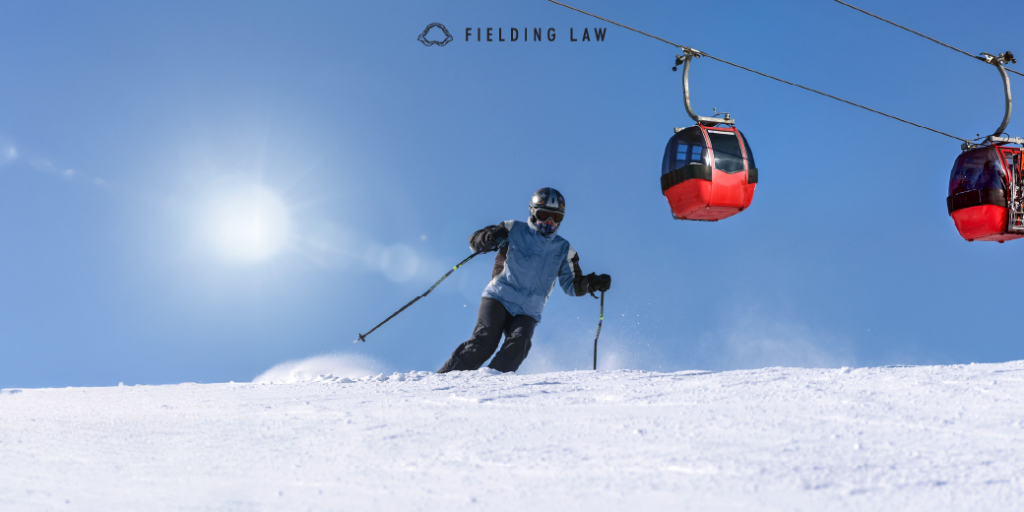
Person skiing down a hill with the sun and ski lift behind them

Smart Ski Tips to Stay Safe on the Slopes

Personal Injury, Ski & Snowboard Accident

Skiing offers an exciting way to enjoy the winter season, but it is not without risks. Each year, accidents on the slopes lead to injuries. Proper preparation and awareness can help reduce these incidents. National Ski Safety Awareness Month encourages all skiers to prioritize safety while enjoying the sport.  
 
At Fielding Law, we understand the importance of taking proactive measures to reduce the risk of accidents. By following these expert-recommended smart ski tips, you can protect yourself and others and make the most of your time on the mountain. Stay informed, stay prepared, and ski with confidence.    

Essential Ski Safety Tips for Injury Prevention  

The thrill of the slopes is truly unmatched, but safety should come before the exciting adventure. By following these essential tips, you can significantly reduce the risk of injury.  

  1. Wear Proper Gear: Choose gear that fits properly and meets safety standards. Essential items include a certified helmet, insulated clothing, goggles, and gloves. These are non-negotiable or protection and comfort. 
  2. Check Your Equipment: Before hitting the slopes, ensure your skis, bindings, and boots are in good condition and adjusted to your level. Faulty gear can cause preventable accidents.  
  3. Carry a First-Aid Kit: Even seasoned skiers experience mishaps. Prepare for minor injuries with a compact first-aid kit containing bandages, antiseptic wipes, and pain relievers. 
  4. Learn the Rules: Familiarize yourself with the resort’s rules and trail markers. Responsible skiing involves yielding to others, obeying signs, and staying within designated areas. 
  5. Be Aware of Conditions: Weather and snow conditions can change quickly. Check trail updates and adjust your plans to avoid icy patches, low visibility, or dangerous terrain.  

What to Do in Case of an Accident 

If a ski accident occurs, knowing what steps to take can significantly impact recovery and resolution.  

  1. Move off the slope. If possible, leave the slope to avoid oncoming skiers and prevent further injuries. Staying in harm’s way could endanger yourself and others.  
  2. Call ski patrol and seek medical help immediately. Addressing injuries promptly is crucial. Even if the injuries seem minor, hidden complications can arise later. The ski patrol can assess the situation and assist.  
  3. Document the incident thoroughly. Record every detail, including how the accident occurred and surrounding weather conditions. Take photographs if you can, as they may serve as critical evidence. Gather contact information from any witnesses who saw what happened.  
  4. Contact Fielding Law for guidance. After addressing concerns, reach out for expert legal advice. Our team will help protect your rights, navigate the legal process, and support your recovery.  

Recover Confidently and Enjoy the Slopes 

Skiing should be both enjoyable and safe for everyone. Take these smart ski tips, and you can reduce risks and make the most of your time on the slopes. When accidents occur, they can feel overwhelming. However, you do not have to navigate the aftermath alone.  
 
Fielding Law’s highly skilled team understands the complexities of personal injury cases. With our support, you can focus on recovery while we work to protect your rights and pursue the compensation you deserve. Call us today at 833.88.SHARK for a free consultation. Stay safe and have fun!  

Note: Information provided is for educational purposes and does not constitute legal advice. Always consult with a qualified attorney for legal concerns.

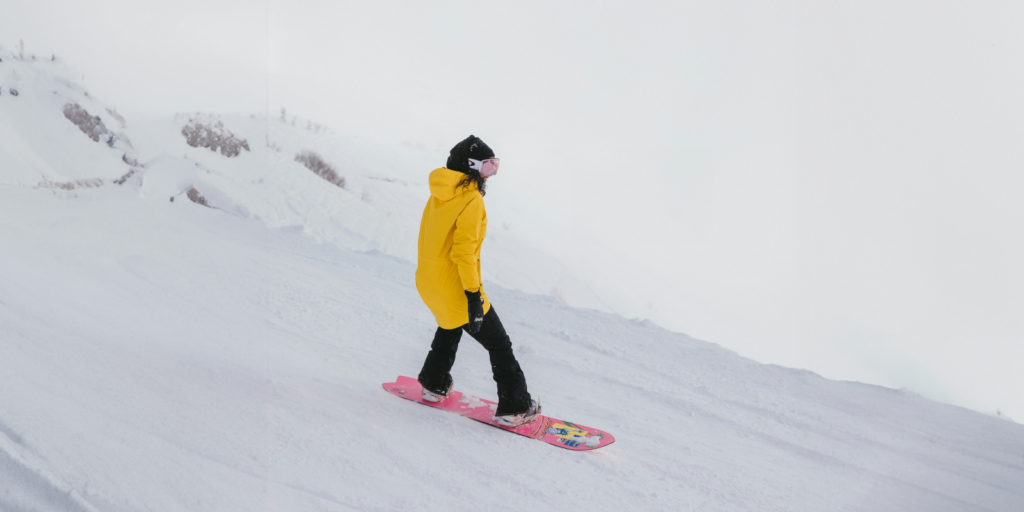
Person snowboarding. Insurance Coverage for Skiing and Snowboarding Collisions

Insurance Coverage for Skiing and Snowboarding Collisions

Personal Injury, Ski & Snowboard Accident

Most people do not realize that homeowners’ or renters’ insurance can cover accidents on ski slopes. These policies often include “no-fault” medical payments and liability coverage, which pay for injuries caused by negligence. If someone else causes your injury while skiing or snowboarding, their insurance may cover your medical expenses and other damages.

How Homeowner’s and Renter’s Insurance Works

Homeowner’s and renter’s policies offer two key types of coverage for skiing and snowboarding accidents:

Liability Coverage: If someone causes an accident, their homeowner’s or renter’s insurance may cover your injuries. This coverage helps with medical bills, lost wages, and compensation for pain and suffering.

Medical Payments Coverage (Med Pay): Med Pay covers medical expenses up to a limit, even if no one is at fault. Typical limits range from $1,000 to $5,000.

If the cost of injuries exceeds these limits, umbrella insurance can provide extra coverage.

How the Claims Process Works

After a skiing or snowboarding accident, the claims process can be overwhelming, especially when dealing with insurance companies. Here is a breakdown of how the process typically unfolds:

Reporting the Incident: The first step is reporting the accident to the responsible party’s insurance company. In the case of a ski accident, this would likely be the homeowner’s or renter’s insurance of the skier or snowboarder who caused the accident.

Filing a Claim: After reporting the incident, a claim is opened. The insurance company will review the details, including witness statements, medical reports, and accident circumstances. It is important to gather all necessary evidence, such as photos of the accident, medical records, and any police or incident reports from the ski resort.

Insurance Investigation: The insurance company investigates the accident to determine fault and assess the damages. This may involve reviewing medical records, interviewing witnesses, or conducting site inspections.

Negotiating Compensation: Once liability is established, the next step is negotiating a settlement. This often requires legal assistance to ensure you receive fair compensation. The amount may cover medical expenses, lost wages, pain and suffering, and additional damages depending on the severity of the injury.

Settlement: After negotiation, the insurance company offers a settlement. If the compensation covers your needs, the claim is resolved. If not, further legal action may be necessary.

Hiring an experienced personal injury attorney can significantly improve your chances of getting fair compensation. They will guide you through every step of the claims process, ensuring your rights are protected and that insurance companies do not shortchange you.

How to Use These Policies After an Accident

After a skiing or snowboarding accident, if the at-fault party has homeowner’s or renter’s insurance, you can file a claim. Here is how:

  • Medical Bills: Med Pay covers immediate medical costs like doctor visits, hospital stays, and emergency care.
  • Liability Claims: If another person’s negligence caused the accident, their insurance can help pay for long-term treatments, surgeries, lost wages, and emotional distress.
  • Umbrella Coverage: If damages exceed policy limits, umbrella insurance can provide additional funds. This coverage helps in cases with severe injuries.

Real-World Example: One of Fielding Law’s Recent Cases

We recently represented a client involved in an accident at Arizona Snowbowl in Flagstaff, Coconino County. While snowboarding, a skier collided with her, causing her to fall and fracture her wrist. She required two surgeries. Fortunately, the defendant skier’s parents had homeowner’s insurance, which covered her injuries since their son was at fault. She recovered $151,000: $100,000 from the homeowner’s policy, $1,000 from Med Pay, and $50,000 from an umbrella policy.

Why Hire Fielding Law

If a skiing or snowboarding accident injured you, Fielding Law can help. We specialize in personal injury cases and will fight for your compensation. Call 833.88.SHARK to schedule a free consultation today.

Note: Information provided is for educational purposes and does not constitute legal advice. Always consult with a qualified attorney for legal concerns.