When someone is injured because another person or business failed to use reasonable care, they may have grounds for a personal injury claim based on negligence. However, simply being injured does not automatically establish that another party is legally responsible. To recover compensation, an injured person generally must establish the elements of negligence and show how the other party’s actions or failure to act caused their injuries and losses. Understanding how to prove negligence in a personal injury case can help you understand what evidence may support your claim and what challenges you may encounter during the insurance or legal process.
What Is Negligence In A Personal Injury Case?
Negligence occurs when a person or business fails to act with reasonable care under the circumstances, resulting in harm to another person. Negligence can occur in many situations, including car accidents, truck accidents, pedestrian accidents, slip and fall accidents, and other personal injury cases.
For example, a driver who runs a red light and causes a collision may have acted negligently. A property owner who knows about a dangerous condition and fails to address it may also potentially be responsible when someone is injured because of that condition.
The specific requirements for proving negligence depend on the circumstances of a case and the law that applies. In general, however, a negligence claim involves establishing a duty of care, a breach of that duty, causation, and damages.
What Are The Four Elements Of Negligence?
Understanding the four elements of negligence is an important part of understanding how to prove negligence in a personal injury case.
Duty Of Care: The first step is establishing that the defendant owed you a duty of care. A duty generally requires a person or business to act reasonably under the circumstances and take reasonable precautions to avoid causing foreseeable harm.
Breach Of Duty: Next, you must show that the defendant breached that duty. A breach may occur when someone fails to act as a reasonably careful person would under similar circumstances. Traffic violations, unsafe property conditions, or failures to follow reasonable safety practices may provide evidence of a breach, depending on the facts of the case.
Causation: You must also establish a connection between the defendant’s conduct and your injury. It is not enough to show that someone acted carelessly. The evidence must connect that conduct to the accident and resulting injury.
Damages: Finally, you must demonstrate that you suffered losses because of the injury. These losses may include medical expenses, lost income, property damage, pain and suffering, and other damages depending on the circumstances.
Each element can require different types of evidence. A personal injury claim may become more difficult when the facts surrounding the accident or the cause of an injury are disputed.
What Evidence Can Help Prove Negligence?
Evidence can play an important role in establishing what happened, who may be responsible, and how an accident affected you. The evidence available will depend on the type of accident and the circumstances surrounding the injury.
Useful evidence may include:
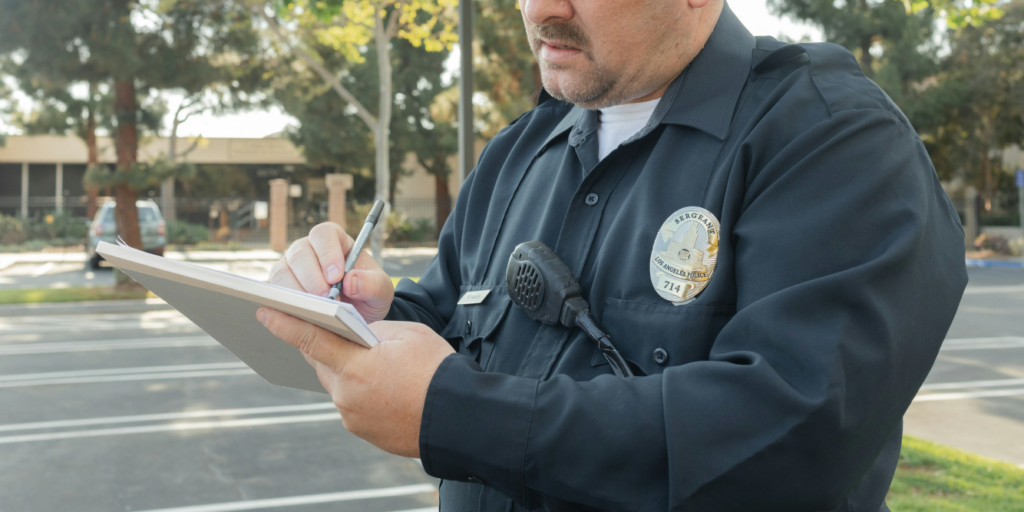
- Accident or police reports: These reports may document important information about the accident, including the location, people involved, and circumstances reported at the scene.
- Medical records: Medical records can document your injuries, diagnosis, treatment, and recovery. They may also help establish the connection between an accident and the injuries you experienced.
- Photos and videos: Photographs of the accident scene, property conditions, vehicle damage, and visible injuries can help preserve evidence that may change or disappear over time.
- Witness statements: People who witnessed an accident may provide information about what happened before, during, or immediately after the incident.
- Expert testimony: Depending on the case, experts may help explain technical issues, accident causes, medical conditions, or the long-term effects of an injury.
- Employment records: Documentation from an employer, pay stubs, and other records may help establish income lost because of an injury.
- Other documentation: Surveillance footage, text messages, maintenance records, photographs, receipts, and other documents may become relevant depending on the circumstances.
Strong documentation can make it easier to establish the facts of an accident and respond to disputes about liability or damages. Learn more about the vital role of documenting evidence after an accident, why you may need a police report after an accident, and why medical records can make or break your case.
How Insurance Companies May Challenge A Negligence Claim
After an accident, an insurance company may investigate the circumstances of a claim and look for reasons to dispute liability or limit the amount it pays.
An insurance company may question whether its policyholder caused the accident, whether the reported injuries were caused by the accident, or whether the injuries are as serious as claimed. An insurer may also question whether another person or event contributed to the accident.
Another common issue is whether the injured person contributed to the accident. This may involve comparative fault or comparative negligence. In California, a person’s share of responsibility can affect the amount of damages they may recover.
For example, if the evidence establishes that multiple parties contributed to an accident, the parties’ respective responsibility may become an issue in the claim. The specific effect of comparative fault depends on the facts and applicable law.
Learn more about comparative liability in California and how it may affect a personal injury claim.
How Defendants May Dispute Negligence
The person or business accused of causing an injury may also dispute responsibility. A defendant may argue that they acted reasonably under the circumstances, that they did not owe a duty of care, or that their conduct did not cause the injury.
A defendant may also attempt to shift responsibility to the injured person or another party. For example, after a car accident, a driver may argue that another vehicle caused the collision. In a premises liability case, a property owner may dispute whether they knew about a dangerous condition or had enough time to address it.
These disputes make it important to preserve evidence and establish a clear timeline of what happened. Accident reports, photographs, witness statements, medical documentation, and other records may help address questions about liability and causation.
Why Medical Documentation Matters In A Negligence Claim
Medical documentation can be particularly important when establishing the extent of an injury. Medical records may document your diagnosis, treatment, symptoms, prescribed care, and recovery.
Following an accident, seek appropriate medical attention and follow your healthcare provider’s instructions. Keep records of appointments, treatment, medications, expenses, and other information related to your injury.
It can also be helpful to document changes in your daily life. Depending on the injury, you may experience limitations that affect your ability to work, exercise, care for your household, or participate in activities you enjoyed before the accident.
Our guide to medical records in personal injury cases explains why this documentation can be important when pursuing a claim.
What If You Do Not Have All The Evidence?
Not every injured person will have access to every piece of evidence. You may not have a copy of an accident report, access to surveillance footage, or contact information for every witness.
That does not necessarily mean you cannot pursue a personal injury claim. Evidence may come from many different sources, and additional documentation may be obtained during the claims or legal process.
For example, an attorney may be able to identify additional witnesses, request relevant records, investigate the accident scene, or work with professionals who can provide expert opinions when appropriate.
Because evidence can become more difficult to locate as time passes, it is generally helpful to preserve what you have as soon as possible after an accident.
When Should You Speak With A Personal Injury Attorney?
Determining whether negligence occurred can become complicated when the facts are disputed, multiple parties may be responsible, or the extent of the injuries is questioned. Insurance companies may also raise questions about liability, causation, or damages during the claims process.
A personal injury attorney can review the circumstances of an accident, identify potentially responsible parties, help gather relevant evidence, and explain the legal options available to you.
At Fielding Law, we represent individuals and families throughout California and Arizona in personal injury cases involving car accidents, motorcycle accidents, truck and commercial vehicle accidents, pedestrian and bicycle accidents, dog bites and attacks, slip and fall accidents, catastrophic injuries, traumatic brain injuries, and wrongful death.
Our team focuses on understanding what happened, documenting the evidence, and providing individualized legal guidance throughout the claims process. If you were injured because you believe another person or business failed to use reasonable care, schedule a free consultation with Fielding Law by calling 833.88.SHARK. Consultations are free, there is no obligation, and help is available 24/7.