All Posts By

Makenzie Moncrief

person baking christmas cookies in the kitchen

9 Common Christmas Kitchen Injuries

By Burn Injury, Personal Injury, Premises Liability, Product Liability, Slip or Trip and Fall

The holidays are a joyful time when families and friends gather in the kitchen to cook, bake, and enjoy cherished traditions. But with all the excitement of holiday cooking, things can sometimes get a little hectic. Amid the comforting aromas and shared laughter, accidents can happen before anyone notices. These moments remind us to stay present and safe. A little awareness makes a big difference. Here are a few common Christmas kitchen injuries that often happen during this time of year.

Common Christmas Kitchen Injuries

1. Knife Injuries

If a knife breaks, slips because of a defective handle, or shatters due to a manufacturing issue, the injured person may have a product liability claim. Injuries caused by a property owner who ignored a known hazard, such as unsafe cutting surfaces, may also involve negligence.

2. Burn Injuries

Burns can happen quickly during holiday cooking. When a defective pot, faulty oven, or unsafe appliance causes a burn, there may be grounds to pursue compensation. Burns caused by unsafe conditions in a rental home or vacation property may also involve the property owner’s responsibility.

3. Slip Hazards

Slip injuries can happen when a spill is not cleaned up in a reasonable time. They can also occur when floors are uneven or poorly maintained. If a property owner knows about a hazard and fails to fix it, that neglect may create responsibility for resulting injuries. This includes holiday gatherings in homes, rentals, or businesses where guests expect safe conditions.

4. Fire Injuries

With multiple pans on the stove and the over working overtime, it is easy for a small spark to turn into a dangerous situation. It only takes a moment of distraction for a grease of fire to flare up, or for a towel hanging too close to the stove to catch fire. Make sure to stay present while cooking and keep a lid or baking sheet within arm’s reach.

5. Food Temperature Injuries

Hot liquids and foods can cause severe burns. Soups, sauces, and melted sugar hold heat longer than expected. Stir carefully, lift lids away from your face, and allow dishes to cool before serving to children. These simple steps protect everyone at the table.

6. Appliance Safety

Holiday cooking often means slow cookers, air fryers, mixers, and blenders running at the same time. Faulty cords, overloaded outlets, or malfunctioning appliances can cause shocks or fires. Use each appliance as directed, check for recalls, and unplug items when not in use.

7. Holiday Decorations in the Kitchen

Candles, string lights, and decorative fabrics can create added risks when placed near heat sources. Keep decorations away from burners and avoid placing anything flammable near the stove or oven. This helps keep the kitchen festive and safe.

8. Children and Pets Underfoot

Kids love helping in the kitchen, and pets often follow the action. Both can unintentionally create hazards. Set up a safe zone for children and keep pets outside the cooking area. This reduces trips, spills, and accidental contact with hot items.

9. Cleaning Product Risks

The rush to clean up can create chemical hazards. Strong cleaners and soaps can irritate skin or cause burns. Store products out of reach, use gloves when needed, and never mix cleaning chemicals. This keeps the kitchen safe long after the meal is done.

How Fielding Law Can Help

Holiday cooking should be filled with fun and togetherness that turn into lasting memories. Being prepared and staying mindful, you and your loved ones can enjoy the magic of cooking. We are happy to speak with you and provide guidance for your next steps. For a free consultation, call 833.88.SHARK. 

Note: Information provided is for educational purposes and does not constitute legal advice. Always consult with a qualified attorney for legal concerns.

hotel lobby with holiday decor

Holiday Hotel Injuries: What You Need To Know

By Assault, Car Accident, Pedestrian Accident, Personal Injury, Premises Liability, Product Liability, Slip or Trip and Fall

During this special time of the year, traveling with loved ones is an opportunity to unwind and enjoy the holiday spirit together. But even the most festive trip can turn into a stressful one when hotels, Airbnbs or small family-run inns fail to provide a safe and reliable stay. Lodging issues can instantly transform a joyful, stay into a holiday hotel injury fiasco. How about we walk through some common examples of negligence so you and your family can be informed and know exactly what a holiday hotel injury is. 

Room Conditions

  • Dirty or Unclean Rooms – Dirty rooms can expose guests to bed bugs, mold, or allergens that may trigger health concerns. 
  • Broken Heating in Winter – Heating failures in cold weather can create fire hazards and cause smoke detectors to malfunction. 
  • Non Functioning Showers or Plumbing – Plumbing issues can lead to flooding, water damage, or difficulty maintaining hygiene. 
  • Slippery Tile Slippery bathroom tile without non-slip rugs increases the risk of slips and falls. 
  • Missing Handicap Shower Bars The absence of support bars creates a safety risk for seniors or guests with mobility challenges or anyone using the shower, especially when the surface is wet. 
  • Hot Sink Water Extremely hot sink water can cause scalds and serious burns. 

Safety & Security Issues 

  • Assault and Theft – Guests and their property may be at risk due to potential assaults and theft. 
  • Poor Lighting in Parking Lots – Inadequate lighting increases the likelihood of theft, assaults, and accidents. 
  • Broken Locks – Damaged or faulty locks compromise security and may allow unauthorized access.  
  • Icy Walkways – Slippery surfaces can lead to slips and falls, posing a hazard to guests. 
  • Unkept Walkways – Broken sidewalks and uneven parking lots create safety risks for pedestrians and vehicles. 
  • Improperly Maintained Flooring – Flooring in poor condition can become a tripping hazard for guests.  

Gym Conditions

  • Improperly stored equipment – Weights left on the floor can cause someone to trip and fall. 
  • Treadmill malfunctions – Sudden stops or malfunctions may throw a person off balance, leading to injury. 
  • Unstable squat racks or improperly locked bars – These can collapse or shift, resulting in serious injury. 
  • Broken or frayed cables on weight machines – Damaged cables may cause weights to snap down unexpectedly, posing a danger to users. 

Hot Tubs and Pools 

  • Poorly Maintained Pool Decks – Slippery or damaged pool decks can lead to slips and falls 
  • Chemical Burns or Respiratory Irritation – Improperly balanced pool chemicals may cause burns or respiratory issues. 
  • Electrical Shock Risks – Heating or lighting systems that are not properly maintained can create a risk of electrical shock. 

Complimentary Breakfast 

  • Food Poisoning Consuming undercooked eggs, meats, or other foods can lead to foodborne illness. 
  • Cross-Contamination Illnesses – Handling raw and cooked foods together may cause the spread of harmful bacteria.  
  • Cuts Broken plates, glassware, or faulty equipment can result in cuts or lacerations. 
  • Choking Hazards – Poorly prepared food items may pose a choking risk to guests. 

Where Our Expertise Matters  

If you or a loved one has experienced any form of negligence leading to holiday hotel injuries, you deserve support. Fielding Law is here to help you every step of the way. We are committed to safeguarding your rights and providing guidance, so your Christmas Hotel experience goes smoothly with loved ones. Reach out to our team at 833.88 SHARK for your free consultation today.  

Note: Information provided is for educational purposes and does not constitute legal advice. Always consult with a qualified attorney for legal concerns.

group of holiday party attendees

How to Holiday Party the Safe Way

By Burn Injury, Personal Injury, Premises Liability, Product Liability, Slip or Trip and Fall

Holiday parties are a time to celebrate seasonal cheer and make lasting memories with loved ones around you. Staying aware of your surroundings helps keep the festivities safe and enjoyable. The guide below highlights key safety considerations to keep in mind throughout the holiday season, whether at a lively party or a cozy gathering.

Venue and Environment Awareness

When you arrive at a holiday party, take a moment to get a feel of your surroundings. Noticing things like cluttered walkways, loose cords, or festive decorations can help you avoid unexpected trips or falls, especially in unfamiliar places. Dim lighting in hallways and crowded areas can make hazards harder to spot, so move with care and watch for unsecured rugs, floor mats, or potential spills as you enjoy the celebration.

Fire and Electrical Safety

A cozy holiday atmosphere often includes soft lighting, glowing candles, and sometimes a crackling fireplace. As a guest, stay mindful of open flames and avoid placing personal items near candles or the fireplace. If you notice damaged electrical cords or overloaded outlets, give them space, avoid touching them, and notify the host.

Weather-Related Hazards

When the weather outside is less than cheerful, leaving a party can potentially be dangerous. Be cautious on icy or wet driveways, walkways, and steps. Wear footwear with good traction and hold handrails when able. Inside, watch for wet or slick floors when walking to help prevent slip and fall injuries.

Drinking With Caution

Holiday celebrations often include festive beverages, but being mindful of alcohol consumption is an important part of holiday party safety. Never feel pressured to drink more than you are comfortable with, and be aware of how alcohol may affect your balance, judgment, and awareness of your surroundings. If you plan to drink, arrange for a safe ride home in advance, such as a designated driver or rideshare service, so that you and others are not put in harm’s way.

Looking Out For Yourself and Loved Ones

If you are injured or involved in an accident while attending a holiday gathering, please know that Fielding Law is here to help. You can reach out to us at 833.88.SHARK for a free consultation. Our caring team can take care of the legal details, giving you the space to focus on healing and finding peace of mind.

Note: Information provided is for educational purposes and does not constitute legal advice. Always consult with a qualified attorney for legal concerns.

A person looking at a computer screen stressed out

Are you Eligible for Emotional Distress?

By Personal Injury

Understanding Emotional Distress

Emotional distress goes beyond normal ups and downs. It is deep emotional pain caused by someone else’s negligence and actions. Not sure if the emotional impact of an event qualifies as emotional distress? This step-by-step guide can help you determine if you may have a claim.

Step 1: Assess the Emotional Impact

Did the event cause emotional harm beyond what is considered normal?

Yes→ Continue to Step 2

Not really → You may not meet eligibility, but consult a lawyer

Step 2: Identify Symptoms

  • Are you experiencing any of the following symptoms?
  • Anxiety or fear
  • Depression or sadness
  • Humiliation or embarrassment
  • Anger or frustration
  • Trauma from witnessing or experiencing a harmful event

Yes → Continue to Step 3

Not really → You may not meet eligibility, but consult a lawyer

Step 3: Identify the Cause

Was your emotional distress caused by someone else’s actions, negligence, or intentional behavior?

Yes → Continue to Step 4

Not sure → A lawyer can help you evaluate

Step 4: Consider Severity and Documentation

Are your emotional responses affecting your daily life, relationships, or well-being? Do you have documentation, such as medical records or therapy notes, to support your claim?

Yes → Likely eligible for an emotional distress claim

Not really → May be difficult to claim, but a lawyer can review your situation

If your answers suggest emotional distress, act quickly to protect your rights. At Fielding Law, our team understands the impact of emotional suffering and can guide you every step of the way. Contact us at 833.88 SHARK for your free consultation to see if you are eligible to build a case.

Note: Information provided is for educational purposes and does not constitute legal advice. Always consult with a qualified attorney for legal concerns.

red car decorated for a christmas road trip

College Road Trip Safety Guide for Winter Break

By Car Accident, Personal Injury

As the holidays approach, the roads begin to fill with students and other travelers heading home to be with family. On top of the increased traffic, winter weather can make driving conditions more dangerous—with snow-packed, wet, and slick roads becoming more common. What might seem like a simple or routine trip home could take a turn for the worse if caution is not taken.

Pre-Trip Preparation

To stay safe and prepared, students should bring along a few of these handy essentials and be sure to share their route and estimated arrival time with someone they trust.

  • Emergency kit – Include jumper cables, a flashlight, a blanket, snacks, first aid supplies, and water bottles
  • Spare tires – Make sure your spare tire is aired up, and if used previously, purchase a new one
  • Gravel or kitty litter – Can help provide traction if your car gets stuck on ice or snow

Stay Focused Behind the Wheel

Long drives can make it challenging to stay alert. Students can use these tips to stay focused and safe on the road:

  • Set their navigation and playlists before hitting the road to stay focused from the start
  • Silence phone notifications to limit distractions while driving
  • Avoid eating or reaching for items so full attention stays on the road
  • Never drive drowsy – take breaks every two hours to rest and recharge
  • Remember: drowsy driving is considered impaired driving in both California and Arizona

Carpooling and Safety

Many students carpool to save money or make the trip more enjoyable. To stay safe, keep these quick tips in mind:

  • Take turns driving regularly to prevent fatigue
  • Make sure seatbelts are fastened so everyone is protected
  • Set expectations early about phone use and music before hitting the road

Handling a Car Accident on the Way Home

It is heartbreaking for parents when the excitement of welcoming their college students home for the holidays turns into worry after an accident. At Fielding Law, we provide a simple, step-by-step guide for handling minor car accidents to help make the experience a little less stressful. We encourage college students and all drivers to print these guides and keep them in their glove compartments for peace of mind on the road.

We Want You to Be Safe

At Fielding Law, we care deeply about keeping families safe and together during the holidays. If students ever experience injuries while traveling, know that we are here to guide and support you through every step of recovery. Contact us at 833.88.SHARK for your free consultation today.

Note: Information provided is for educational purposes and does not constitute legal advice. Always consult with a qualified attorney for legal concerns.

open books on a table

Términos Que Debes Conocer en Casos de Lesiones Personales

By Bicycle Accident, Boating Accident, Car Accident, Español, Personal Injury, Premises Liability, Public Entity

El derecho de lesiones personales puede parecer abrumador al principio, especialmente si es la primera vez que atraviesas este proceso. Después de un accidente que no fue tu culpa, es completamente normal sentirte inseguro o agobiado por lo que viene a continuación. Por eso hemos creado esta sencilla guía para ayudarte a comprender algunos de los términos clave del derecho de lesiones personales. Nuestro objetivo es ofrecerte mayor claridad y ayudarte a sentirte más seguro a medida que avanzas en el proceso legal. Incluso una comprensión básica de la terminología puede hacer que el camino parezca un poco más accesible y menos abrumador.

Lesiones Personales

  • Daño físico, mental o emocional sufrido por una persona debido a la falta de actuación responsable de otra.
  • Ejemplos: accidente de bicicleta, accidente en bote, mordedura de perro, accidente automovilístico, responsabilidad de entidad pública o responsabilidad de locales/comercios.

Negligencia

  • Falta de tomar las precauciones adecuadas o de actuar con el nivel de cuidado necesario, lo que resulta en daño o perjuicio a otra persona.
  • Ejemplo: Un conductor envía mensajes de texto mientras maneja y se pasa un semáforo en rojo, chocando con otro automóvil. El conductor no cumplió con las leyes de tránsito ni prestó la debida atención.

Demandante

  • ¡Tú! La persona que inicia una demanda presentando una queja contra otra parte. Eres quien emprende la acción legal y busca una compensación por los daños, y a quien nosotros en Fielding Law representamos.

Demandado

  • ¡Ellos! La persona, empresa u organización a la que se culpa o se demanda en un caso legal, es decir, la parte que se considera que actuó de manera indebida.

Reclamación

  • Cuando alguien busca justicia legal por un daño que ha sufrido, generalmente para obtener apoyo, responsabilizar a quien corresponde y lograr un sentido de cierre.

Responsabilidad

  • Ser legalmente responsable de causar un accidente o daño. La persona responsable debe cubrir los gastos médicos, la pérdida de ingresos u otros costos después de un accidente.

Compensación

  • Dinero o apoyo que alguien recibe después de resultar herido o perjudicado por las acciones o negligencia de otra persona. Esto ayuda a cubrir gastos como facturas médicas, pérdida de ingresos, dolor y sufrimiento, y otras pérdidas.

Gravamen Médico

  • Dinero otorgado a alguien que ha resultado herido o ha sufrido una pérdida debido a las acciones de otra persona.

Cómo Fielding Law Puede Guiarte

En Fielding Law, nos comprometemos a hacer más que solo guiarte a través de los términos legales. Estamos aquí para asegurarnos de que te sientas apoyado y comprendido durante todo el proceso. Si tú o un ser querido tienen alguna pregunta o inquietud, por favor contáctanos al 833.88.SHARK. Tu tranquilidad es importante para nosotros y queremos que te sientas con confianza al avanzar.

Nota: La información proporcionada es para fines educativos y no constituye asesoramiento legal. Siempre consulte con un abogado calificado para inquietudes legales.

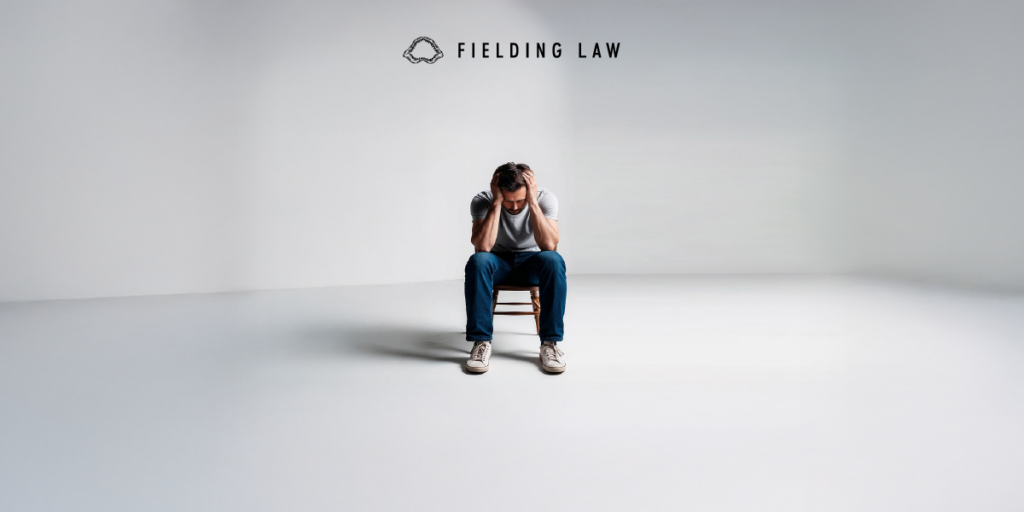
Bald man grabbing the back of his head from whiplash

7 Preguntas Sobre El Latigazo Cervical Respondidas

By Español

Si sufriste un accidente automovilístico o un incidente similar, es possible que estés lidiando con un latigazo cervical. Esta lesion ocurre con frequencia como resultado de colisiones. A continuación, resppndemos algunas de las prreguntas más communes sobre el latizago cervical para ayudarte a entender tus derechos y opciones de recuperación.

1. ¿Qué Es El Latigazo Cervical?

El latigazo cervical ocurre cuando el cuello se mueve rápida y bruscamente hacia adelante y hacia atrás, comúnmente debido a choques por alcance o lesiones deportivas. Este movimiento repentino tensa los músculos y ligamentos del cuello.

2. ¿Cuáles Son Los Síntomas Del Latigazo Cervical?

Los síntomas comunes del latigazo cervical incluyen:

  • Dolor y rigidez en el cuello
  • Dolores de cabeza que comienzan en la base del cráneo
  • Molestias en los hombros o la parte superior de la espalda
  • Mareos o fatiga
  • Movilidad limitada del cuello

Busca atención médica de inmediato si notas estos síntomas después de un accidente.

3. ¿Cómo Se Trata El Latigazo Cervical?

El tratamiento del latigazo cervical se centra en la recuperación y el alivio de los síntomas. Los tratamientos comunes incluyen:

  • Descanso y fisioterapia
  • Alivio del dolor mediante medicación
  • Aplicación de calor o hielo para reducir la inflamación
  • Ejercicios para el cuello para recuperar la movilidad

Comenzar el tratamiento temprano ayuda a acelerar la recuperación y reduce el riesgo de dolor crónico.

4. ¿Puede El Latigazo Cervical Causar Problemas a Largo Plazo?

En algunos casos, el latigazo cervical no tratado o severo puede provocar dolor crónico, rigidez o problemas de movilidad. Atender la lesión con el cuidado adecuado reduce la probabilidad de complicaciones a largo plazo.

5. ¿Cómo Puedo Demostrar El Latigazo Cervical en Una Reclamación?

Puedes demostrar el latigazo cervical documentando tu lesión y los detalles del accidente:

  • Obtén registros médicos que confirmen el diagnóstico.
  • Toma fotos de las lesiones visibles.
  • Recopila declaraciones de testigos e informes del accidente.

La evidencia sólida respalda tu reclamación y fortalece tu caso para obtener una compensación.

6. ¿Se Puede Obtener Una Compensación Por Latigazo Cervical?

Sí, si la negligencia de otra persona causó tu lesión, podrías recibir una compensación. Los daños suelen incluir:

  • Costos medicos
  • Salarios perdidos
  • Dolor y sufrimiento

Un abogado con experiencia puede guiarte durante el proceso y asegurarse de que recibas una compensación justa.

7. ¿Qué Pasos Debo Seguir Después de Una Lesión Por Latigazo Cervical?

  1. Visita a un médico de inmediato, incluso si los síntomas son leves.
  2. Documenta tus lesiones con fotos y registros médicos.
  3. Reúne evidencia, como fotos del lugar del accidente e información de testigos.
  4. Contacta a Fielding Law para obtener asesoría legal de confianza.

Tomar estas medidas te ayuda a recuperarte y protege tu caso.

¿Por qué elegir a Fielding Law?

En Fielding Law, damos prioridad al bienestar de nuestros clientes mediante una representación ética y eficaz. Nuestro equipo capacitado te guiará en cada paso con atención y experiencia. Sabemos lo abrumadoras que pueden ser las lesiones y preguntas relacionadas con el latigazo cervical, y estamos aquí para ayudarte a obtener la compensación que mereces.
Llama al 833.88.SHARK hoy mismo para programar tu consulta gratuita.

Nota: La información proporcionada es para fines educativos y no constituye asesoramiento legal. Siempre consulte con un abogado calificado para inquietudes legales.

Thanksgiving buffet

Thanksgiving Buffet Gone Wrong?

By Personal Injury, Premises Liability, Product Liability, Slip or Trip and Fall, Wrongful Death

At first bite, buffets offer an enticing experience with their grand selection of foods and no one stopping you from going back and getting your fourth plate. It is a dream for hungry diners, especially during the Thanksgiving season. Indulgence is practically encouraged! However, without some awareness, that freedom can take a dangerous turn and leave you in harm’s way.

Thanksgiving Buffet Hazards

Breeding Place for Bacteria

Buffets often have food sitting out for long periods of time. This makes it challenging to maintain safe temperatures, keeping hot foods above 140°F and cold foods below 40°F. When these standards slip, harmful bacteria like salmonella can grow quickly, putting you or a loved one at risk of getting sick.

Cross Contamination and Allergens

Buffets involve many people handling shared utensils and serving themselves from open food trays. Risk of allergens or viruses can be easily transferred from, one food item to the surface of another.

Choking Hazards

In some cases, staff may fail to properly remove bones, pits, or other hard objects from food, putting your family or friends at serious risk of choking. While guests are responsible for how fast they eat, improper food prep is a preventable hazard that can fall on the buffet staff.

Slip and Fall Accidents

Spilled drinks are common in buffet environments. However, when staff members forget to place proper signage to warn customers, what starts as a minor slip and fall can escalate into a serious injury.

Burns from Hot Trays

Trays and serving dishes can become extremely hot. If staff fail to provide clear warning signage or verbally alert guests, they create a hazardous environment. Your loved ones can then unknowingly touch hot surfaces and suffer painful burns.

Broken Dishes or Sharp Utensils

During busy times like Thanksgiving, when large crowds are coming through, the upkeep of dishes and utensils can sometimes be overlooked. Even awkwardly placed utensils and be a risk and cause accidental cuts to guests.

How Fielding Law Can Help

When negligence plays a role in food handling, poor maintenance, or failure to warn customers of hazards, the consequences can be serious. Depending on your situation, the buffet may be legally responsible for harm caused. At Fielding Law we understand how it can be overwhelming to deal with an injury caused by unsafe conditions. That is why we are here to help you understand your rights and walk you through the legal process. If you or a loved one has suffered due to unsafe conditions at a buffet contact us at 888.SHARK for your free consultation today.

Note: Information provided is for educational purposes and does not constitute legal advice. Always consult with a qualified attorney for legal concerns.

Doctor with stethoscope around neck in green scrubs with arms crossed

¿Por Qué Es Tan Importante El Tratamiento Para MI Caso?

By Español

Por Qué el Tratamiento Médico Es Importante Después de un Accidente

El tratamiento en los casos de lesiones personales es fundamental tanto para tu salud como para tu reclamación legal. Después de un accidente, puede ser tentador posponer la visita al médico, especialmente si el dolor parece leve. Sin embargo, recibir atención médica de inmediato y seguir con el tratamiento te brinda una protección vital para tu cuerpo y fortalece tu caso.

Protege Tu Salud

Muchas lesiones no muestran toda su gravedad de inmediato. El latigazo cervical, las conmociones cerebrales y las lesiones internas pueden empeorar si no se tratan a tiempo. Recibir atención médica de manera rápida permite que los médicos detecten lesiones ocultas y te guíen hacia una recuperación segura.

Establecer un Registro de Tus Lesiones

Los registros médicos son la base del tratamiento en los casos de lesiones personales. Estos demuestran el momento en que ocurrieron tus lesiones, su gravedad y sus efectos continuos. Sin una documentación constante, las compañías de seguros pueden argumentar que tus lesiones no están relacionadas con el accidente.

Mostrar Constancia y Compromiso

Los tribunales y los ajustadores de seguros suelen evaluar si la persona lesionada siguió las recomendaciones médicas. Las interrupciones en el tratamiento pueden perjudicar tu caso, mientras que recibir atención médica de manera constante demuestra que tomas en serio tu recuperación y tu reclamación.

Respaldar el Valor de Tu Reclamación

El tratamiento médico también influye en el aspecto financiero de tu caso. La atención regular documenta los verdaderos costos de tus lesiones, incluyendo las visitas al médico, la terapia y las necesidades de cuidado futuro. Estos registros ayudan a determinar la compensación que podrías tener derecho a recibir.

Por Qué Contratar a Fielding Law

En Fielding Law, sabemos lo esencial que es el tratamiento en los casos de lesiones personales para construir una reclamación sólida. Nuestro equipo trabaja de cerca contigo para garantizar que la evidencia médica se presente de manera clara y convincente. Nos preocupamos tanto por tu recuperación como por tu futuro.

Si tú o un ser querido ha resultado lesionado, llama al 833.88.SHARK para una consulta gratuita.

Nota: La información proporcionada es para fines educativos y no constituye asesoramiento legal. Siempre consulte con un abogado calificado para inquietudes legales.

Babysitter with a child in a family room

When Babysitting Becomes Unsafe

By Assault, Personal Injury, Sexual Assault & Abuse

At Fielding Law, we often shed light on sensitive issues that do not always receive the attention they deserve. An often-overlooked issue is the mistreatment babysitters face while doing their jobs. Although it is rarely discussed, many babysitters have experienced situations where they were disrespected, mistreated, or even harmed while simply trying to do their job.

Understanding Babysitter Abuse

It is not easy to recognize when a child’s behavior may be unfair or hurtful towards a babysitter.  Young children are still learning how their words and actions affect others, and they often do not realize when they have crossed the line. Even so, their behavior can still cause real harm, and in some cases, it may even become abusive. This can include physical actions, such as hitting, grabbing, or using physical intimidation, as well as emotional behaviors, like yelling, belittling, or manipulation. Learning these behaviors is an important step in protecting the babysitter’s well-being and creating a safe, and respectful environment for everyone involved.

Common Red Flags

  • The family refuses to meet you in public before hiring
  • The job expectations are more than standard childcare duties that you are accustomed to
  • The parents refuse to discuss pay rates, or the pay seems “too good to be true”
  • They rush you to start right away without any chance for you to ask questions beforehand
  • There are not enough details given about the children’s age or behavior

Every babysitter should feel safe and valued while caring for children. Babysitting is a special experience that allows you to learn from kids and share their joy. Taking time to notice a few signs before accepting a job can help ensure you feel confident, protected, and respected  to step into this important role.

What to Do if Harmed

If you have already begun working for a family and notice repeated signs of mistreatment, unwanted physical contact, or any form of assault, remember that your well-being comes first. It is ok to step away from the situation to protect yourself. Trust your instincts! If something does not feel right, it is important to trust your gut.  You do not have to go through it alone. If you have been harmed or are feeling distressed, our team at Fielding Law is here to listen with compassion and help you understand your legal options.

How We Can Step in to Help

If this experience has left you feeling shaken or hurt, we want you to know that help is available. The Fielding Law team is here to offer understanding, guidance, and clarity about your next steps. Call us today at 833.88.SHARK for a free consultation with someone who will truly listen and support you through the process.

Note: Information provided is for educational purposes and does not constitute legal advice. Always consult with a qualified attorney for legal concerns.

Close Menu