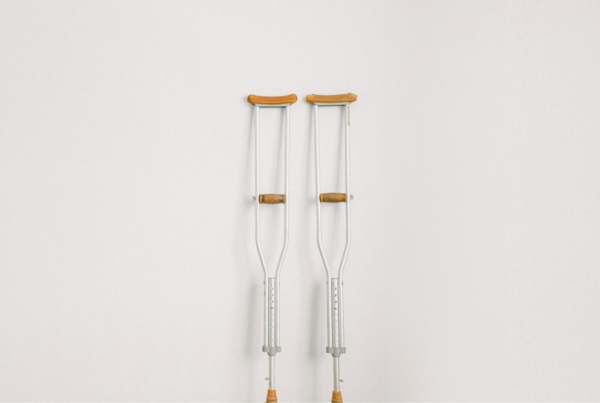
Living with a disability can affect nearly every aspect of a person’s daily life, from working and driving to completing routine tasks at home. Some disabilities are present at birth, while others develop because of illness, aging, or serious accidents. In many cases, disabilities caused by another person’s negligence may give rise to a personal injury claim.
Below are 10 of the most common disabilities and how they can affect everyday life.
1. Arthritis
Arthritis is one of the most common disabling conditions, particularly among older adults. It causes inflammation of the joints, leading to pain, stiffness, swelling, and reduced mobility.
Severe arthritis can make it difficult to:
- Walk or climb stairs
- Grip or lift objects
- Perform household chores
- Work in physically demanding jobs
While many cases develop naturally over time, traumatic injuries such as car accidents or falls can also contribute to post-traumatic arthritis.
2. Back and Spinal Cord Injuries
Back injuries are a leading cause of long-term disability. Herniated discs, fractured vertebrae, and spinal cord injuries can result in chronic pain, limited mobility, or paralysis.
Serious spinal injuries may require:
- Multiple surgeries
- Ongoing physical therapy
- Assistive devices
- Long-term medical care
Many spinal injuries occur in motor vehicle accidents, workplace accidents, or falls.
3. Heart Disease
Heart disease can significantly limit a person’s ability to perform physical activities. Individuals with severe heart conditions may experience fatigue, shortness of breath, chest pain, or reduced endurance.
Although heart disease is often linked to underlying health conditions, some cardiac injuries or complications may result from traumatic accidents or medical negligence.
4. Stroke
A stroke can permanently affect movement, speech, memory, and cognitive function. Recovery varies widely, with some individuals regaining independence while others require lifelong assistance.
Common long-term effects include:
- Muscle weakness
- Difficulty speaking
- Problems with balance
- Cognitive impairments
Prompt medical treatment is critical because delays can increase the severity of permanent disabilities.
5. Traumatic Brain Injuries (TBIs)
Traumatic brain injuries range from mild concussions to catastrophic brain damage. Even moderate TBIs can lead to lasting physical, emotional, and cognitive challenges.
Symptoms may include:
- Memory loss
- Difficulty concentrating
- Personality changes
- Headaches
- Vision problems
Brain injuries are commonly caused by car accidents, motorcycle crashes, falls, sports injuries, and workplace accidents.
6. Vision Loss and Blindness
Partial or complete vision loss can dramatically affect a person’s independence.
Vision loss may result from:
- Eye injuries
- Chemical exposure
- Traumatic brain injuries
- Medical malpractice
- Certain diseases
Protective equipment and prompt medical care can sometimes reduce the severity of vision-related disabilities.
7. Hearing Loss
Hearing loss ranges from partial impairment to complete deafness. It can affect communication, employment opportunities, and overall quality of life.
Traumatic hearing loss may occur after:
- Explosions
- Head injuries
- Loud workplace noise exposure
- Certain medication errors
Hearing aids or cochlear implants may improve communication, but some hearing loss is permanent.
8. Diabetes-Related Disabilities
Diabetes itself is manageable for many people, but serious complications can become disabling.
These complications may include:
- Vision loss
- Kidney disease
- Nerve damage
- Amputations
- Reduced circulation
Proper medical treatment is essential to help prevent severe complications that interfere with daily living.
9. Mental Health Conditions
Mental health disorders can also qualify as disabilities when they substantially limit major life activities. Conditions such as severe depression, post-traumatic stress disorder (PTSD), anxiety disorders, and bipolar disorder can make it difficult to work, maintain relationships, or perform everyday tasks.
10. Limb Loss (Amputation)
The loss of an arm, leg, hand, or foot is one of the most life-altering physical disabilities.
Common causes include:
- Motor vehicle accidents
- Motorcycle crashes
- Construction accidents
- Industrial accidents
- Severe infections
Many amputees successfully adapt and regain independence, but recovery often involves significant physical, emotional, and financial challenges.
Can You Recover Compensation for a Disability Caused by an Accident?
If another person’s negligence caused your disability, you may be entitled to recover compensation through a personal injury claim. Depending on the circumstances, damages may include medical expenses, future treatment costs, rehabilitation, lost income, diminished earning capacity, pain and suffering, and other losses related to your disability.
Because permanent disabilities often require lifelong care and can significantly affect your ability to earn a living, it is important to fully understand the long-term impact of your injuries before accepting an insurance settlement.
Contact an Irvine Personal Injury Lawyer at Fielding Law for a Free Consultation
A permanent disability can have lasting physical, emotional, and financial effects. If your disability was caused by someone else’s negligence, you may have the right to pursue compensation for your medical care, lost income, and other related losses.
As a boutique personal injury law firm, Fielding Law provides compassionate, client-focused legal guidance and personalized support every step of the way.
For more information, don’t hesitate to contact Fielding Law, APC to schedule a free consultation with a personal injury attorney in Irvine today. We have two convenient locations in Irvine, California, and Phoenix, Arizona.
We proudly serve Orange County and its surrounding areas:
Fielding Law, APC – Irvine, CA Office
505 Technology Dr Ste 250
Irvine, CA 92618
(949) 288-5484
Fielding Law, APC – Phoenix, AZ Office
2 N Central Ave Ste 1800
Phoenix, AZ 85004
(859) 578-4444