Category

Personal Injury

Doctor looking at a brain scan

What is a TBI?

By Assault, Bicycle Accident, Brain Injury (TBI), Car Accident, Catastrophic Injury, Pedestrian Accident, Personal Injury, Slip or Trip and Fall, Spinal Cord Injury, Wrongful Death

Understanding Traumatic Brain Injuries

A traumatic brain injury (TBI) happens when an external force injures the brain. TBIs can range from mild, like a concussion, to severe injuries that significantly affect cognitive and physical abilities. Even a mild TBI can change your life if it is not properly treated.

TBIs disrupt normal brain function, and symptoms can appear immediately or develop over time. Common signs include headaches, dizziness, nausea, memory problems, trouble concentrating, mood swings, and fatigue. Severe TBIs may cause seizures, loss of consciousness, speech difficulties, or permanent cognitive and physical impairment.

Causes of Traumatic Brain Injuries

TBIs can occur in many situations, often involving accidents or sudden trauma. Common causes include:

In many cases, negligence contributes to TBIs. For example, a driver running a red light or a property owner failing to maintain safe conditions can make them legally responsible for the injury.

Short-Term and Long-Term Effects

The effects of a TBI depend on its severity and location in the brain. Mild TBIs may result in temporary symptoms that improve with rest and rehabilitation. Moderate or severe TBIs may lead to long-term challenges, including:

  • Cognitive impairments such as memory loss or difficulty concentrating

  • Physical limitations such as weakness, loss of coordination, or vision problems

  • Emotional and behavioral changes, including depression, anxiety, or irritability

  • Sleep disturbances or chronic fatigue

Understanding these effects is important for recovery and legal claims because they directly affect quality of life and potential compensation.

Seeking Medical Attention

Prompt medical evaluation is critical after any head injury. A physician can diagnose the severity of the TBI using imaging tests, neurological exams, and cognitive assessments. Proper medical documentation is also essential for pursuing a personal injury claim, as it provides evidence of the injury and its impact.

How a Traumatic Brain Injury Lawyer Can Help

A traumatic brain injury lawyer can assist in navigating the legal process and help you seek compensation for medical treatment, lost wages, rehabilitation, and pain and suffering. They will:

  • Investigate the circumstances surrounding your injury

  • Gather medical records, witness statements, and accident reports

  • Negotiate with insurance companies to ensure a fair settlement

  • Represent you in court if necessary

Why Hire Fielding Law

At Fielding Law, we combine empathy and expertise to support clients who have suffered TBIs. We guide each client through the legal process while prioritizing their recovery and well-being. If you or a loved one has experienced a traumatic brain injury, contact Fielding Law or call 833.88.SHARK to discuss your case and explore your options.

Note: Information provided is for educational purposes and does not constitute legal advice. Always consult with a qualified attorney for legal concerns.
Robot dressed as a lawyer sitting at a desk

ChatGPT Stops Legal Advice

By Assault, Bicycle Accident, Boating Accident, Brain Injury (TBI), Burn Injury, Bus Accident, Car Accident, Catastrophic Injury, Dog / Animal Bite, E-Bikes and E-Scooters, Motorcycle Accident, Pedestrian Accident, Personal Injury, Personal Watercraft (PWC) Accident, Premises Liability, Product Liability, Public Entity, Rideshare Accident, RV Accident, Sexual Assault & Abuse, Skate & Skateboarding Accident, Ski & Snowboard Accident, Slip or Trip and Fall, Spinal Cord Injury, Train Accident, Truck Accident, Wrongful Death

Recent reporting shows that ChatGPT will no longer offer legal or medical advice in the way users may expect. According to an article on Caliber.az, the update to OpenAI’s usage policies was published October 29 2025. 

This development matters more than just a technical policy change: it serves as a reminder that when you face injuries, rights, or liability, you need a trained attorney—not just a chatbot.

What changed in the policy update

The new usage terms state that ChatGPT (and related services) may not be used for the “provision of tailored advice that requires a license, such as legal or medical advice, without appropriate involvement by a licensed professional.” 
The update went into effect on October 29 2025.

Why did this change occur? Several key factors:

  • Growing concern over liability when users rely on AI for high-stakes decisions.

  • The need to clearly distinguish between general information and personalized advice.

  • Regulatory pressure and the desire by OpenAI to define safe boundaries in legal and medical contexts.

In short, the update clarifies that ChatGPT is meant for general information rather than individualized legal strategy. It does not mean AI is completely barred from discussing legal topics—it means AI should not act as your lawyer.

Why this matters

AI tools can be very helpful for learning basic concepts or exploring ideas. However, they cannot replace the role of a licensed attorney in an injury case. Consider these facts:

  • ChatGPT cannot guarantee attorney-client privilege or confidentiality.

  • It cannot negotiate with insurance companies, handle state-specific statutes, or manage future medical needs.

  • The law in California and Arizona for personal injury cases contains complex rules around negligence, damages, statute of limitations, and more.

Why a skilled attorney matters

A licensed attorney does more than give information. They provide strategy, advocacy, and protection:

  • They understand state-specific laws and personal injury regulations.

  • They create legal strategies specific to your injuries and recovery.

  • They handle insurance negotiations to protect your rights.

  • They manage deadlines, paperwork, and complex legal processes.

  • They prevent mistakes that could reduce compensation.

  • They offer guidance, support, and professionalism throughout the case.

How does this affect your case

If you are injured in a bicycle accident, car crash, slip, trip, and fall, or bitten by a dog in California or Arizona, relying on ChatGPT legal advice is risky. Only a qualified attorney can review your case, explain your rights, and help you recover fair compensation.

Why hire Fielding Law

At Fielding Law, client service is our priority. We improve the lives of each client through ethical and efficient representation. Every case is handled with care, clarity, and commitment. When you need a knowledgeable advocate who cares, we are here.

Call 833.88.SHARK for a free consultation if you or a loved one has been injured.

The end of ChatGPT legal advice highlights a simple truth: AI cannot replace a skilled attorney. Professional guidance protects your rights, guides your case, and maximizes your recovery in personal injury matters.

Note: Information provided is for educational purposes and does not constitute legal advice. Always consult with a qualified attorney for legal concerns.

Fielding Law Jaw logo on blue and aqua green gradient

Support the Jessie Rees Foundation at the Top Gun Awards Gala

By Firm News and Celebrations, In the Community, Personal Injury

The Top Gun Awards Gala is just around the corner, taking place on November 22. This highly anticipated event is more than just a celebration; it is the premier occasion to honor excellence in trial law and the achievements of top trial lawyers in our community. Hosted by the respected Orange County Trial Lawyers Association, the gala brings together professionals from across the region to recognize outstanding attorneys while supporting a meaningful charitable cause. Do not miss out! Keep reading for the link to secure your tickets. 

Giving Back with Joy 

In addition to the awards, the evening will feature a silent auction to benefit the Jessie Rees Foundation. Jessie Rees, known lovingly as “Jessie,” was a kind, athletic, and faith-filled girl. She courageously fought cancer (DIPG) from March 3, 2011, to January 5, 2012. During her treatment, Jessie’s compassion for others shone through. She asked her parents a simple question: “How can we help them?” Jessie was referring to other children in long-term, in-patient care at Children’s Hospital of Orange County.

With support from her parents and the hospital, Jessie created JoyJars®, 64-ounce plastic jars filled with new toys and games. She stuffed over 3,000 of them with help from family and friends before she passed away. These bundles of joy carried her message to the world: “NEGU®,” which stands for Never Ever Give Up.

 Getting Involved in the Cause 

Our very own Ryan Cooper, Senior attorney at Fielding Law and member of the OCTLA Board of Directors, will be donating a signed football from star athlete and reigning MVP of the NFL, Josh Allen to the gala auction. As a firm, we are honored to support this incredible event and cause by sponsoring a table at the Top Gun Awards Gala.  

This is more than a night out, it is a chance to give back to the community and be a part of something bigger. Spots are limited, so click here to register. 

 Keeping Our Promise to Serve 

Events like these remind us why we do what we do. Recently, our team joined the OCTLA to stuff JoyJars®, a small act of service that reflects our larger purpose. The Top Gun Awards Gala celebrates excellence, integrity, and compassion, the same values that guide Fielding Law every day. Together we are stronger, continuing to advance our mission of service and justice.  

Note: Information provided is for educational purposes and does not constitute legal advice. Always consult with a qualified attorney for legal concerns.

Phone with social media apps

Should Social Media Platforms Be Private After an Accident?

By Assault, Bicycle Accident, Boating Accident, Brain Injury (TBI), Burn Injury, Bus Accident, Car Accident, Catastrophic Injury, Dog / Animal Bite, E-Bikes and E-Scooters, Motorcycle Accident, Pedestrian Accident, Personal Injury, Personal Watercraft (PWC) Accident, Premises Liability, Product Liability, Public Entity, Rideshare Accident, RV Accident, Sexual Assault & Abuse, Skate & Skateboarding Accident, Ski & Snowboard Accident, Slip or Trip and Fall, Spinal Cord Injury, Train Accident, Truck Accident, Wrongful Death

Should Social Media Platforms Be Private After an Accident?

After an accident, protecting your social media privacy is more important than most people realize. What you share online can easily be used against you in your personal injury claim. Adjusters, defense attorneys, and even investigators may review your posts for anything that contradicts your statements about injuries or damages.

How Social Media Can Affect Your Case

Photos, status updates, and comments can all be taken out of context. A picture of you smiling at a family gathering could be used to question the severity of your pain. Even casual remarks might seem harmless but can harm your case if they appear inconsistent. Therefore, it is wise to avoid posting about the accident, your injuries, or your recovery process until your case is resolved.

Insurance Companies and Social Media

Insurance companies use social media to gather evidence that benefits them, not you. They may look at your profiles, tagged photos, and comments to find anything that reduces your settlement value. Even private accounts can be accessed through mutual connections or screenshots shared by others.

To protect your social media privacy after an accident, review your privacy settings, limit new friend requests, and think carefully before sharing content.

Tips for Protecting Your Privacy

If you want to maintain control over your online presence, consider these steps:

  • Set all accounts to private and review who can see your posts.

  • Avoid discussing the accident, your injuries, or your case online.

  • Ask friends and family not to tag you in photos or posts.

  • Avoid checking in at locations that could suggest you are active or uninjured.

  • Save all relevant messages or posts in case your attorney needs them later.

By following these steps, you can reduce the risk of your social media activity being used against you.

Social Media Platforms

Social media privacy after an accident can make a significant difference in how your case unfolds. Platforms like Facebook, Instagram, X (formerly Twitter), TikTok, LinkedIn, and Snapchat can unintentionally reveal information about your daily activities, friends, or location. Set your accounts to private and limit who can see your posts. Restrict story viewers, turn off tagging, and disable location features to prevent others from connecting you to places or events that could appear inconsistent with your injuries.

Messaging and Communication Apps

Private messages are not always truly private. After an accident, avoid discussing details about your injuries or claim in WhatsApp, Messenger, Telegram, Discord, Reddit, or group chats. Keep usernames anonymous when possible, and remember that messages can easily be screenshotted or shared. It is best to limit conversations about your case to trusted sources and your attorney.

Financial and Payment Apps

Few people realize that payment apps can pose risks to social media privacy after an accident. Apps like Venmo, PayPal, Cash App, and Zelle often show payees, amounts, and comments that may appear public. Set transactions to private, review past activity, and avoid adding descriptive notes that mention outings, purchases, or events. Even small details can be taken out of context by insurance adjusters or defense attorneys.

Location and Fitness Apps

Fitness and location apps can also compromise your privacy. Platforms such as Strava, Fitbit, Apple Fitness, and Google Maps can show your movements, activity levels, and location history. Disable location sharing, turn off automatic check-ins, and review old data to protect your social media privacy after an accident. Limiting this information helps prevent others from making assumptions about your physical condition.

Content Sharing and Storage

Shared albums and online storage can reveal more than you intend. Services like Google Photos, iCloud, Dropbox, YouTube, and Pinterest often include location data and timestamps. Keep albums and boards private, remove metadata from photos, and share only with trusted individuals. This extra step can prevent your personal content from being taken out of context.

Shopping and Membership Accounts

Even accounts unrelated to your case can affect your privacy. Amazon wish lists, gym check-ins, and subscription services can provide insight into your daily life and physical activities. Review what is public and disable any sharing features. Protecting your digital footprint strengthens your overall privacy after an accident.

Email and Cloud Services

Your email and cloud storage may contain sensitive medical or legal information. Use strong passwords and enable two-factor authentication. Review shared folders, permissions, and forwarding rules to make sure only trusted contacts can access your information.

Quick Checklist After an Accident

  • Set social media accounts to private

  • Restrict story viewers and friends lists

  • Disable location sharing and geotags

  • Make payment app transactions private

  • Review cloud storage and shared albums

  • Enable two-factor authentication

  • Avoid discussing your accident or injuries online

Why Hire Fielding Law

At Fielding Law, we understand how social media can impact your personal injury case. Our compassionate attorneys guide clients through every step of the process, including protecting their online privacy. We are committed to helping accident victims in Arizona and California receive fair compensation while safeguarding their rights.

If you have questions about social media privacy after an accident, contact Fielding Law today. Call 833.88.SHARK to schedule a free consultation and let our team provide the support and legal insight you need.

Note: Information provided is for educational purposes and does not constitute legal advice. Always consult with a qualified attorney for legal concerns.

Two Trick-or-Treats on the sidewalk with greenery

Trick-or-Treat Accidents and Sidewalk Safety

By Pedestrian Accident, Personal Injury, Premises Liability, Public Entity, Slip or Trip and Fall

Halloween and Sidewalk Hazards

Autumn is a season of fun and festivities, but trick-or-treating comes with risks. Crowded sidewalks, seasonal decorations, wet leaves, and uneven pavement increase the chance of injuries. Trick-or-Treat Accidents often happen when children, parents, or other pedestrians are hurt due to unsafe conditions.

Common hazards during trick-or-treating include:

  • Lifted or cracked sidewalks: Tree roots or old pavement can cause trips and falls.

  • Leaves, frost, and wet surfaces: Slippery sidewalks make it easy to fall.

  • Halloween decorations: Inflatable figures, cords, or props can block paths.

  • Crowded sidewalks: Excited children running or riding bikes and scooters may collide.

Who Is Responsible?

Liability depends on who is responsible for maintaining the sidewalk and creating the hazard:

  • Property owners: Homeowners or businesses may be liable if decorations, lights, or props obstruct sidewalks and cause injuries. They must keep walkways safe for trick-or-treaters.

  • City or municipality: Cities may be responsible for sidewalks that are poorly maintained, cracked, or lifted, depending on local laws. In California, property owners are usually responsible, but the city can share liability for city-maintained hazards. In Arizona, some municipalities require property owners to maintain sidewalks, but claims against the city are possible if negligence is proven.

  • Third parties: Neighbors or other individuals who create hazards, such as leaving debris or improperly securing decorations, may also be liable.

Trick-or-Treat Safety Tips

While liability is determined by law, you can reduce risk and document injuries if an accident occurs:

  1. Supervise children carefully and plan a safe route on well-lit streets.

  2. Document hazards: Take photos of decorations, leaves, cracks, or other dangers.

  3. Report accidents promptly to the property owner or local authorities.

  4. Seek medical attention immediately if injuries occur.

  5. Contact a personal injury attorney to understand your rights and pursue compensation.

Why Hire Fielding Law

Halloween sidewalk accidents involve multiple potential parties and hazards, making recovery complex. At Fielding Law, we handle Trick-or-Treat Accidents claims in both California and Arizona. We work with investigators, medical providers, and insurance companies to pursue fair compensation for injuries caused by unsafe conditions.

We approach each case with professionalism, empathy, and clarity, helping families focus on recovery while we navigate the legal process. If you or a loved one are injured while trick-or-treating, call 833.88.SHARK today for a free consultation.

Note: Information provided is for educational purposes and does not constitute legal advice. Always consult with a qualified attorney for legal concerns.

rideshare drive shown as viewed from the back seat

What If Your Uber or Lyft Is in a Hit-and-Run?

By Car Accident, Personal Injury, Rideshare Accident

Understanding Rideshare Hit-and-Run Accidents

Rideshare services like Uber and Lyft have grown rapidly, with more than 180 million passengers in the U.S. in 2024 using these platforms. Unfortunately, some rideshare trips end in accidents, and in some cases, the other driver may flee the scene. A rideshare hit-and-run accident occurs when your Uber or Lyft is struck by another driver who leaves without identifying themselves.

Hit-and-run crashes can leave passengers and drivers with serious injuries and uncertainty about how to recover damages.

How Uninsured Motorist Coverage Works

Uninsured motorist (UM) coverage is designed to protect you if an at-fault driver does not have insurance or cannot be located. In rideshare situations, coverage can be complicated because both the rideshare company’s insurance and the driver’s personal policies may apply depending on whether the driver was:

  • Offline or waiting for a ride request: The driver’s personal auto insurance typically applies.

  • En route to pick up a passenger: The rideshare company provides limited liability coverage.

  • With a passenger in the car: The rideshare company usually provides higher liability coverage, and uninsured motorist coverage may also be available.

UM coverage can help pay for medical bills, lost wages, and pain and suffering if the at-fault driver is unknown or uninsured.

Challenges in Rideshare Hit-and-Run Claims

Some factors that make these cases complex include:

  • Identifying the at-fault driver: Without a license plate or witnesses, tracking the responsible party can be difficult.

  • Coordinating multiple insurance policies: Passengers may need to work with both the driver’s personal insurance and the rideshare company’s insurance.

  • State laws: California and Arizona have different uninsured motorist coverage rules.

In California, rideshare companies must provide liability coverage while the driver is online, and UM coverage may extend to passengers. In Arizona, uninsured motorist coverage also applies, but policy limits and coordination with the driver’s insurance can vary.

Steps to Take After a Rideshare Hit-and-Run

  1. Seek medical attention immediately and document your injuries.

  2. Report the accident to local law enforcement to create an official record.

  3. Notify the rideshare company so they can activate their insurance protocols.

  4. Keep all evidence, including photos, ride receipts, and witness contact information.

  5. Contact a rideshare accident attorney to ensure your uninsured motorist coverage and other options are properly pursued.

Why Hire Fielding Law

Rideshare hit-and-run accidents involve multiple parties and insurance policies, making recovery complicated. At Fielding Law, we have experience navigating these cases in both California and Arizona. We work closely with medical providers and insurance companies to maximize your recovery under uninsured motorist coverage.

We treat clients with care, clarity, and professionalism, helping you focus on healing while we handle the legal complexities. If you were injured in a rideshare hit-and-run accident, call 833.88.SHARK today for a free consultation.

Note: Information provided is for educational purposes and does not constitute legal advice. Always consult with a qualified attorney for legal concerns.

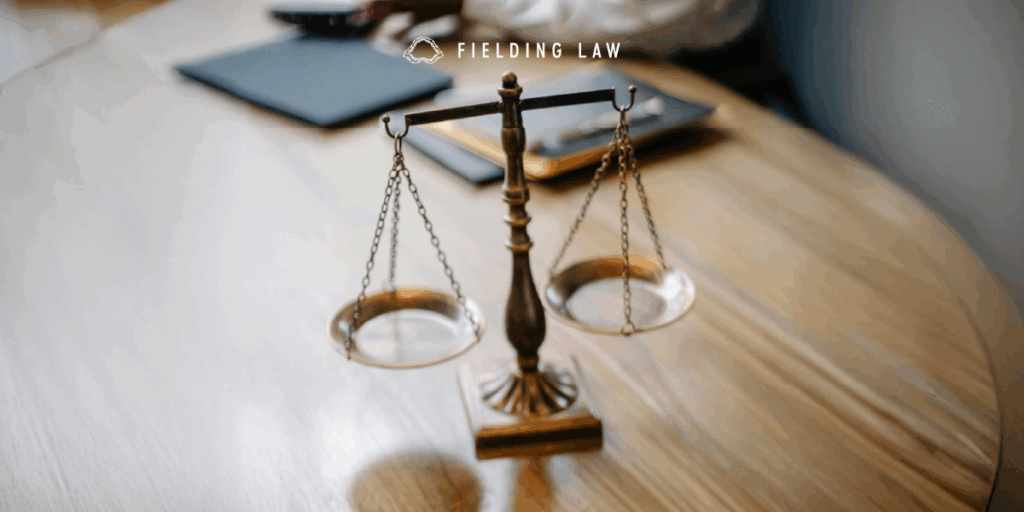
Scales of Justice on a desk. Comparative Liability in California

Pure Comparative Negligence in Arizona

By Bicycle Accident, Car Accident, Personal Injury, Slip or Trip and Fall

What Is Comparative Negligence

Accidents rarely have only one cause. Often, more than one person shares responsibility. Comparative negligence laws determine how much each party can recover in damages based on their percentage of fault.

Many states follow a modified comparative negligence system. In those states, a person can only recover compensation if their share of fault is under a set limit. Usually, the limit is 50 or 51 percent. If the person is found equally or more responsible, they cannot recover anything.

Arizona Uses Pure Comparative Negligence

Arizona does not use a modified comparative negligence rule. Instead, it follows pure comparative negligence. This means that even if you were mostly at fault, you may still recover some damages. Your recovery is reduced by your percentage of fault.

For example, if a jury finds you 80 percent responsible for a car accident with $100,000 in damages, you could still recover $20,000. That is because your compensation is reduced by your share of fault but not completely barred.

Why the Difference Matters

The difference between modified and pure comparative negligence is important.

  • In Arizona, you are never fully barred from recovery unless you acted intentionally, willfully, or wantonly to cause harm.

  • Every percentage point matters. Reducing your share of fault by even a small amount can increase your recovery.

  • Insurance companies may try to assign you more fault to reduce their payout.

Because Arizona follows pure comparative negligence, you have more opportunities to recover compensation, even if fault is shared.

Exceptions and Special Rules

Arizona law does limit recovery in cases where a person acted intentionally or with reckless disregard. In those situations, comparative negligence does not apply. Additionally, in certain product liability cases, contributory negligence is not a defense unless negligence is also claimed.

Why Hire Fielding Law

Comparative negligence cases can be complicated. Insurance companies often push for higher percentages of fault to pay less. At Fielding Law, we understand how to investigate, gather evidence, and present your case in the best light. Our team is professional, kind, and dedicated to improving the lives of each client through ethical and effective representation.

If you have been injured in an accident in Arizona, you do not have to face the insurance company alone. Call 833.88.SHARK to discuss your case with a caring and capable personal injury lawyer today.

Note: Information provided is for educational purposes and does not constitute legal advice. Always consult with a qualified attorney for legal concerns.

A family and attorney speaking about an injured minor

Navigating Minor’s Compromise in Arizona

By Brain Injury (TBI), Car Accident, Pedestrian Accident, Personal Injury, Premises Liability, Public Entity, Slip or Trip and Fall

What Is a Minor’s Compromise?

A Minor’s Compromise in Arizona protects the rights and interests of children who suffer injuries in accidents or legal claims. Arizona requires court approval through what is known as an Arizona Minor’s Compromise, a process that ensures any settlement is truly in the child’s best interest.

Key aspects of this process include:

  • Court Approval: All settlements for minors must be reviewed and approved by the court to ensure fairness and adequacy.

  • Guardian Representation: A parent or legal guardian represents the minor in court and demonstrates that the settlement is in the child’s best interest.

  • Settlement Details: The court evaluates the proposed settlement, medical expenses, rehabilitation needs, and the long-term impact on the child’s life.

  • Distribution of Funds: Approved settlements may be placed in a structured or blocked account to protect the funds until the minor reaches an appropriate age or as directed by the court.

Common Situations for Minor’s Compromise

Minor’s Compromise is often used when a child suffers an injury due to someone else’s negligence. Examples include:

These cases often involve long-term medical or therapy needs, which the court considers when approving the settlement.

Structured Settlements vs. Lump-Sum Settlements

In many Minor’s Compromise cases, the court recommends structured settlements. This ensures that funds are available over time for ongoing care, education, or other needs. Lump-sum settlements may be allowed in certain cases but are carefully reviewed to protect the minor from mismanagement of funds.

Role of the Guardian ad Litem

In Arizona, a court may appoint a guardian ad litem (GAL) to advocate for the minor’s best interests. The GAL is an independent representative whose job is to ensure the child’s rights are fully protected throughout the legal process. They review the proposed settlement, evaluate whether it fairly covers current and future needs such as medical care or therapy, and make recommendations to the judge.

Think of the GAL as a dedicated advocate for your child in court. Even though parents or guardians are involved, the GAL focuses solely on what is truly best for the minor, helping ensure they receive the care and compensation they deserve.

Steps in the Minor’s Compromise Process

  1. Gather Necessary Documents: Collect medical records, accident reports, and settlement agreements.

  2. File the Petition: Submit the Minor’s Compromise petition to the appropriate court.

  3. Court Hearing: Attend the hearing, where the judge reviews the case to ensure the settlement is fair and adequate.

  4. Receive Court Order: Once approved, the court issues an order confirming the settlement and how the funds will be managed.

Why Timing Matters

It is important to consult a lawyer early in the process. Accepting a settlement without proper legal guidance could leave the child undercompensated, especially if long-term medical care or therapy is needed.

How Fielding Law Can Help

Navigating a Minor’s Compromise in Arizona can be complex. At Fielding Law, we provide experienced and compassionate guidance to ensure that your child’s best interests are protected. We investigate the circumstances of the injury, advocate for fair compensation, and help families understand the legal process.

If your child has been injured, call 833.88.SHARK 24/7 for a free consultation with an Arizona Minor’s Compromise lawyer. Our team is here to support your family and guide you through every step with care and clarity.

Note: Information provided is for educational purposes and does not constitute legal advice. Always consult with a qualified attorney for legal concerns.

Disneyland in the background with a Halloween wreath

Oogie Boogie Bash – A Disney Halloween Party Safety Tips

By Car Accident, Pedestrian Accident, Personal Injury, Premises Liability, Product Liability, Slip or Trip and Fall

Enjoying Oogie Boogie Bash – A Disney Halloween Party

Oogie Boogie Bash – A Disney Halloween Party at Disneyland is one of the most anticipated seasonal events, offering trick-or-treating, themed entertainment, and photo opportunities with beloved characters. While the event is fun for all ages, the excitement and large crowds can create safety risks.

Common Risks at the Event

Even with strict safety protocols, attendees should be aware of potential hazards, including:

  • Slips, trips, and falls on wet or crowded pathways

  • Collisions with other guests or ride vehicles

  • Costume or accessory hazards, such as long capes or masks that obstruct vision

  • Fatigue, dehydration, or heat-related issues during long evenings

  • Children wandering or getting separated from caregivers

Practical Safety Tips

Follow these tips to keep your family safe while enjoying the event:

  1. Choose safe costumes – Make sure shoes fit well and costumes do not drag on the ground

  2. Stay hydrated – Bring water and take breaks throughout the evening

  3. Keep children close – Use ID bracelets and designate a meeting spot in case anyone gets lost

  4. Be mindful of crowds – Avoid pushing and watch for congested areas near popular attractions

  5. Use safe lighting – Glow sticks or reflective gear help keep children visible

  6. Plan ahead – Map out restrooms, first aid stations, and exit routes before the event

Legal Considerations

Even with precautions, accidents can still happen. Injuries may occur due to slips, falls, or negligence by staff or other guests. Disneyland and other event organizers have a responsibility to maintain safe conditions, and victims of preventable injuries may have legal options.

How Fielding Law Can Help

If you or a loved one suffers an injury during Oogie Boogie Bash – A Disney Halloween Party, it is important to seek guidance as soon as possible. Fielding Law provides compassionate, knowledgeable support and can help investigate your case, gather evidence, and explain your legal options.

You can call 833.88.SHARK 24/7 for a free consultation to discuss your injuries, your rights, and potential compensation for medical bills, lost wages, or pain and suffering. Our team is available around the clock to provide guidance, answer questions, and help you take the next steps with confidence.

Note: Information provided is for educational purposes and does not constitute legal advice. Always consult with a qualified attorney for legal concerns.

Law-Di-Gras sign in a yard

Clark Fielding Takes the Main Stage at Law-Di-Gras 2025

By Firm News and Celebrations, Personal Injury

In October 2025, Law-Di-Gras 2025, produced by The National Trial Lawyers, brought together many of the nation’s top trial lawyers at the Rancho Bernardo Inn in San Diego, California. The event blended education, collaboration, and community, giving attendees a chance to learn from one another and explore the future of the legal field.

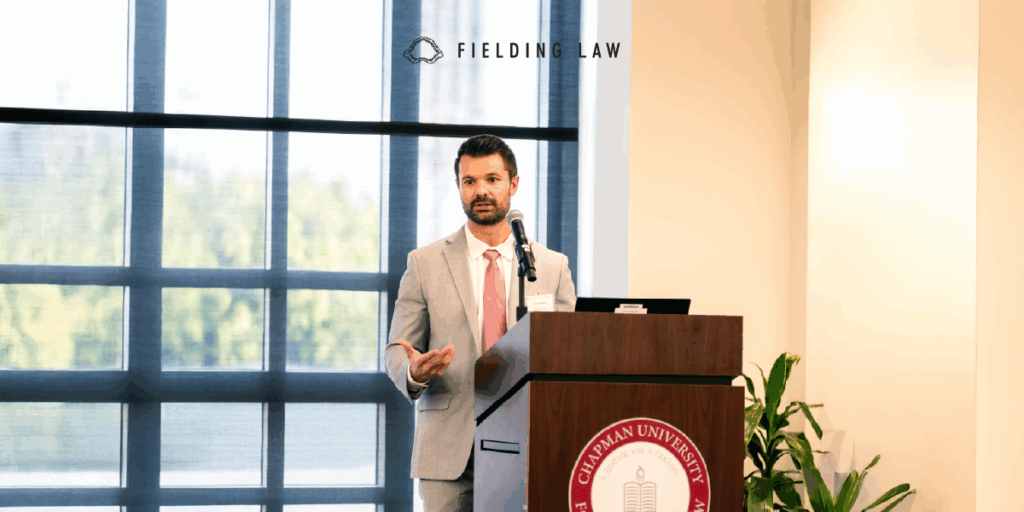
Clark Fielding Speaking at Law Di GrasClark Fielding, founding principal of Fielding Law, took the main stage during the Even Up session. His presentation on AI Tools for Case Management Workflows focused on how technology can improve efficiency while keeping client service at the center of every case.

How AI Can Improve Case Management

Clark explained how artificial intelligence can support every step of a personal injury case. He showed that when used correctly, AI tools save time and allow legal teams to focus on helping clients.

He shared examples of how AI can help firms today:

  • Document Management: Sorting and summarizing large amounts of records for better organization.

  • Workflow Coordination: Creating automated reminders and task tracking for every stage of a case.

  • Litigation Preparation: Helping attorneys prepare documents and summaries while keeping attorney oversight.

Clark reminded the audience that technology should enhance human connection, not replace it. AI is most effective when used to support the empathy, care, and skill that define strong client relationships.

A Conference Focused on Growth and Innovation

Law-Di-Gras 2025 was more than a legal conference. It offered wellness activities, networking events, and leadership sessions that encouraged balance and collaboration. Speakers from across the country shared insights about law firm culture, innovation, and client experience.

Clark’s main stage presentation reflected the theme of growth through innovation. He encouraged legal professionals to welcome new tools while staying true to the values that make client service meaningful. His message aligned with Fielding Law’s belief that technology works best when paired with compassion and integrity.

Why Hire Fielding Law

Fielding Law is built on professionalism, compassion, and trust. The firm uses modern technology to improve communication, efficiency, and results for clients. Whether representing injury victims or families who have suffered loss, Fielding Law is dedicated to providing ethical and effective representation.

If you or a loved one has been injured due to negligence, contact Fielding Law or call 833.88.SHARK to learn how our team can help.

Note: Information provided is for educational purposes and does not constitute legal advice. Always consult with a qualified attorney for legal concerns.

Close Menu