Our sense of taste plays an important role in daily life. It helps us enjoy food, notice spoiled ingredients, and connect meals with comfort and memory. However, an accident can suddenly change this sense. Loss of taste after injury sometimes occurs when trauma affects the nerves or the brain areas that process flavor.
Although people often focus on visible injuries, sensory changes can also affect quality of life. For example, some people notice that food suddenly tastes bland. Others may find that familiar foods taste strange or unpleasant.
Because of this, it is important to understand how injuries can affect taste and what symptoms may appear.
How Injuries Can Affect Taste
Taste depends on several parts of the body working together. Taste buds on the tongue detect flavors such as sweet, salty, sour, bitter, and umami. Then nerves carry those signals to the brain. Finally, the brain interprets the flavor.
An injury can interrupt this process in several ways.
Common causes of loss of taste after injury include:
-
Nerve damage affecting taste signals
-
Facial injuries involving the mouth or jaw
-
Dental or oral trauma
-
Inflammation or swelling near taste nerves
Even if the tongue appears normal, nerve damage or brain trauma may still change how flavors are experienced.
Signs Your Sense of Taste May Be Affected
Taste changes can appear in different ways. In some cases, people lose taste completely. In other cases, the change is more subtle.
Common symptoms include:
-
Food tasting bland or weak
-
Trouble recognizing certain flavors
-
A metallic or unusual taste in the mouth
-
Less enjoyment while eating
-
Changes in appetite
In addition, smell may also change after an injury. Because smell and taste work together, a change in smell can also affect flavor.
When Taste Changes Follow Brain Injuries
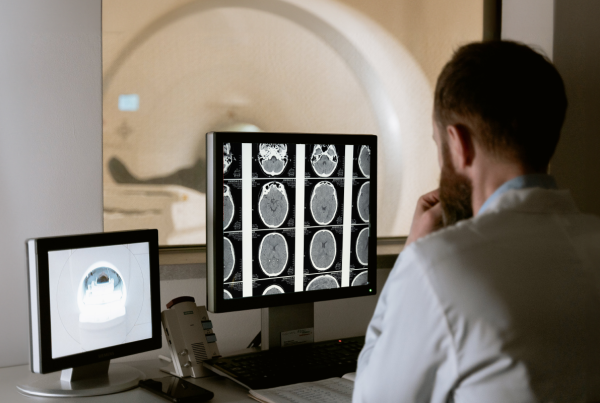
The brain plays a large role in how people experience flavor. After a traumatic brain injury, the brain may struggle to process taste signals correctly.
For example, a person may still sense food on the tongue. However, the brain may misread the flavor. As a result, foods may taste dull or unfamiliar.
In these situations, doctors may recommend evaluation by specialists. Neurologists or ear, nose, and throat doctors often help determine whether nerves or brain pathways were affected.
The Emotional Impact of Taste Loss
Food connects people to culture, family, and daily comfort. Because of this, loss of taste after injury can feel frustrating or upsetting.
Some people may experience:
-
Less interest in eating
-
Weight loss due to reduced appetite
-
Frustration during meals
-
Changes in social experiences involving food
Over time, medical providers and nutrition specialists may help individuals adjust to these changes.
Taste Changes and Personal Injury Claims
When taste loss follows an accident caused by negligence, the impact may reach beyond the initial injury. Some people need ongoing medical care or evaluations.
Doctors often document loss of taste after injury through medical testing and examinations. These records help show how the injury affected daily life.
However, every case is different. The cause of the injury and the facts surrounding the accident must be reviewed carefully.
Why Hire Fielding Law
At Fielding Law, we understand that injuries affect more than what people immediately see. Sensory changes, including loss of taste after injury, can disrupt daily routines and quality of life. Our team approaches every case with compassion, professionalism, and respect for each client’s experience. If you believe an injury occurred because of someone else’s negligence, Fielding Law is here to listen and help you understand your options. Call 833.88.SHARK to speak with a team that values kindness, strong client service, and thoughtful representation.
Note: Information provided is for educational purposes and does not constitute legal advice. Always consult with a qualified attorney for legal concerns.