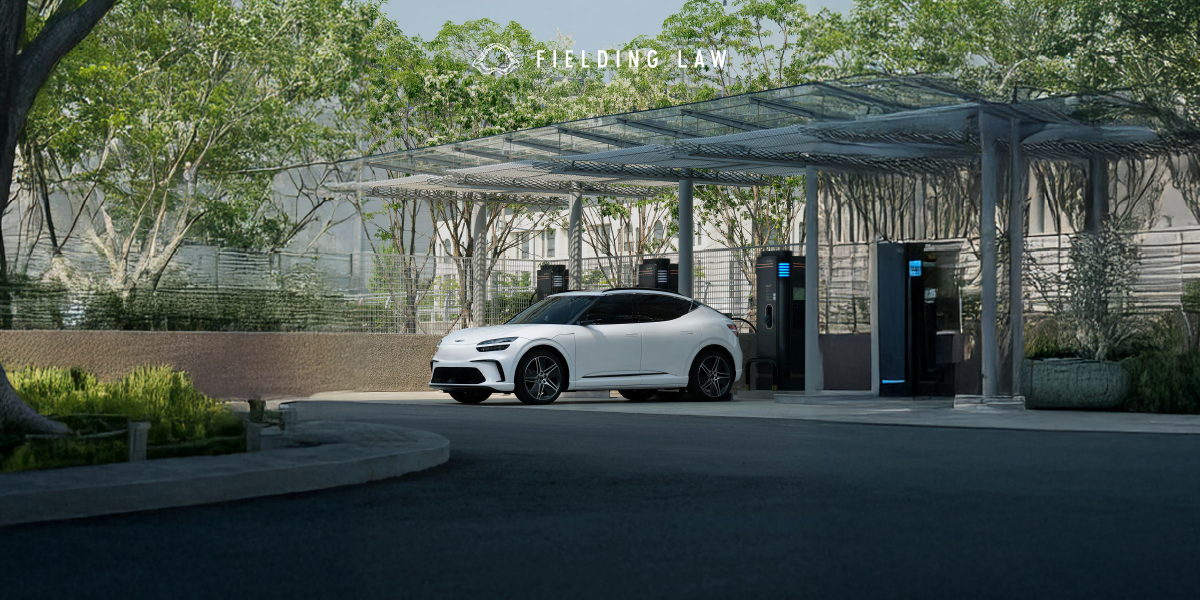
Electric vehicles, including Teslas, Chevrolet Volts, Rivians, and other models, are becoming increasingly common on California and Arizona roads. Many drivers choose EVs for environmental benefits, advanced technology, and smooth performance. While these vehicles meet federal safety standards, they come with unique safety considerations that both current owners and potential EV buyers should understand.
Crash and Fire Hazards in EVs
EVs use large lithium-ion battery packs that store significant energy. In rare cases, damaged batteries can overheat or catch fire. EV fires may burn hotter and longer than traditional gasoline fires and can reignite hours after the initial incident. For general safety tips, check Consumer Reports EV Safety Tips. Firefighters recommend keeping a safe distance and allowing trained professionals to handle EV fires.
Door Operation and Emergency Exits
Recent reports and federal investigations highlight issues with Tesla electronic door handles, which may fail if the vehicle loses power. Occupants and first responders may have trouble opening doors after a crash or fire. Some vehicles have manual emergency release latches that are not immediately obvious, especially in rear seats. Current owners should familiarize themselves with these mechanisms using Tesla Emergency Exit Instructions.
Water and EV Safety
EVs are designed with sealed battery packs and systems to resist water, but driving through deep water or flooding can create electrical hazards. Water can cause shorts or damage safety systems, making rescue more difficult. Avoid driving through standing water and review general safety guidance at Flood and Water Safety for Vehicles.
Extra Precautions for EV Drivers
-
Know your emergency exits – teach all passengers how to use manual door releases before an emergency occurs.
-
Prepare for fires – keep a fire extinguisher rated for electrical fires and park or charge in safe, ventilated areas.
-
Check for recalls and safety alerts – stay updated on any open recalls through EV Recalls and Safety Alerts.
-
Avoid water hazards – do not drive through flooded roads or deep standing water.
-
Follow manufacturer instructions – maintain batteries and charging systems according to the guidelines provided by your EV maker.
Electric vehicles provide a safe, efficient driving experience when used responsibly. Understanding battery risks, emergency exits, and water hazards can help protect you, your passengers, and others on the road.
Why Hire Fielding Law
If you or a loved one are injured in an accident involving an EV due to someone else’s negligence, Fielding Law can guide you through the legal process. Our team understands the complexities of EV accidents and works to ensure clients receive the attention and care they deserve. Call 833.88.SHARK for a free consultation to discuss your accident.
Note: Information provided is for educational purposes and does not constitute legal advice. Always consult with a qualified attorney for legal concerns.