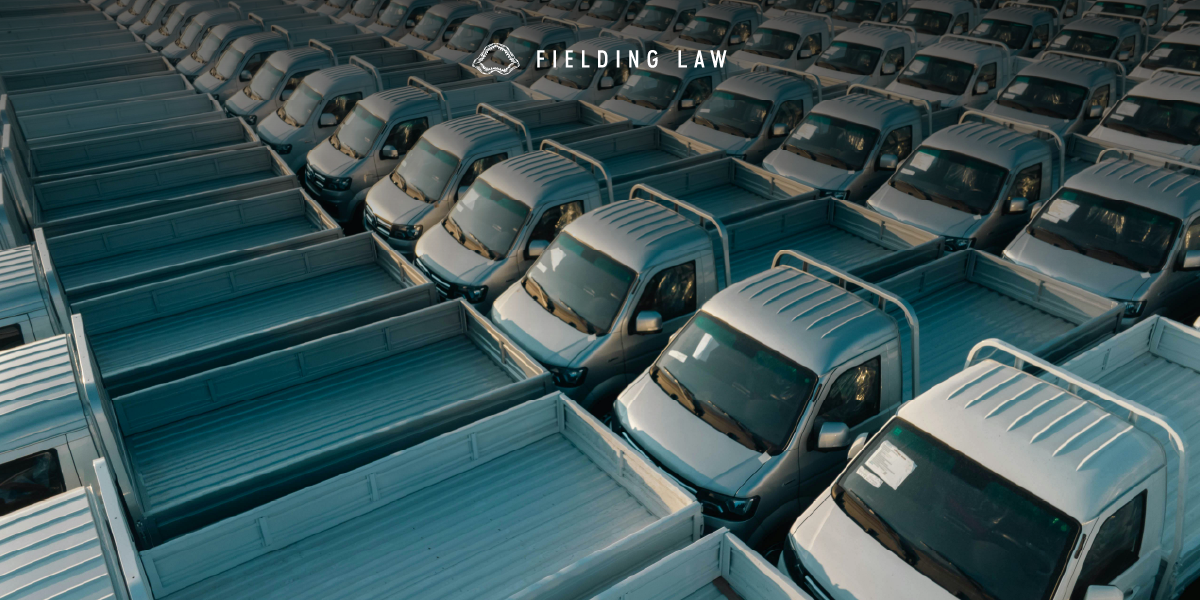
A work vehicle injury claim can feel overwhelming from the start. When a company truck or service vehicle causes an accident, the situation often involves more than just one driver. Because of this, understanding how these claims work can help you feel more prepared and less uncertain.
What Makes These Accidents Different
Not every crash follows the same rules. When a driver operates a vehicle for work, responsibility may extend beyond that person. In many cases, the employer may also share liability.
This often depends on whether the driver was performing job duties at the time. For example, this may include:
- Delivering goods
- Driving between job sites
- Running errands for work
However, if the driver was off duty, the situation may change. As a result, each case requires careful review.
Why These Incidents Happen
Work vehicles are everywhere. You see them in neighborhoods, on highways, and near businesses. Still, certain risks come up more often.
Tight Deadlines
Many drivers work under pressure. Because of that, they may rush through traffic or miss signals.
Large Blind Spots
Trucks and vans have limited visibility. This makes it harder to see people or smaller vehicles nearby.
Long Hours On The Road
Fatigue can build over time. When drivers feel tired, reaction time often slows.
Missed Maintenance
Companies must keep vehicles in safe condition. When they do not, mechanical problems can lead to serious accidents.
A Common Scenario
Picture a service truck leaving a job site. Equipment in the back is not secured. As the vehicle turns, tools fall into the street and injure someone nearby.
In this type of situation, more than one party may be involved.
Understanding Liability And Insurance
These cases often involve more moving parts than a typical accident. Because of that, several factors may affect how a claim moves forward.
Employer Responsibility
If the driver acted within their job duties, the employer may share responsibility. This can open access to larger insurance coverage.
Commercial Insurance
Work vehicles often carry commercial policies. These policies may provide higher limits than personal auto insurance.
Independent Contractor Issues
Some drivers work as contractors. Even then, coverage may still apply through different policies or agreements.
Multiple Parties
In some cases, responsibility may include:
- The driver
- The employer
- The vehicle owner
- A maintenance provider
Because of this, these claims can take more time to sort through.
What People Commonly Do After An Accident
After an incident, most people are unsure where to start. However, a few actions tend to come up often.
Focus On Medical Care
First, people seek care. Even minor symptoms can develop into larger concerns later.
Report What Happened
Next, they report the incident. This may include law enforcement or the company involved.
Collect Basic Details
If possible, people gather:
- Company name on the vehicle
- Driver information
- Photos of the scene
- Witness contacts
Take Time With Decisions
Insurance companies may act quickly. Still, early offers may not reflect the full impact of an injury.
Frequently Asked Questions
What is a work vehicle injury claim?
It involves injuries caused by a vehicle used for business or job duties.
Who may be responsible?
Responsibility may include the driver, employer, or another involved party.
Are these claims more complex?
They can be, because more than one party or policy may apply.
What if I was not in a car?
Pedestrians and cyclists may still have valid claims depending on the facts.
Why Hire Fielding Law
At Fielding Law, the team understands how stressful these situations can feel. Cases involving company vehicles often include multiple layers, and that can create confusion. The firm focuses on clear communication and careful case review so clients feel supported and informed throughout the process.
Moving Forward
An accident involving a work vehicle can disrupt your routine, your health, and your sense of stability. However, understanding your options can help you take the next step with more confidence.
If you have questions, Fielding Law is here to help. Call 833.88.SHARK for a free consultation with no obligation.
Note: Information provided is for educational purposes and does not constitute legal advice. Always consult with a qualified attorney for legal concerns.