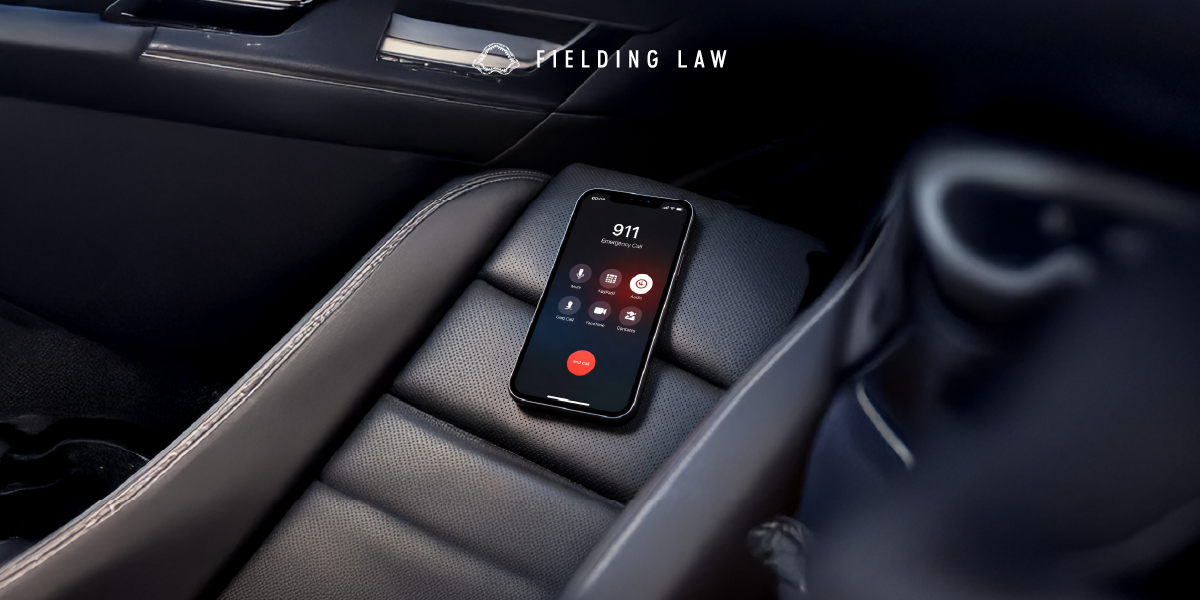
What is iPhone Crash Detection?
Apple’s iPhone Crash Detection is a safety feature designed to detect severe car crashes and automatically connect you with emergency services. Using sensors like the accelerometer, gyroscope, GPS, and barometer, your iPhone can identify sudden impacts, rapid deceleration, or changes in air pressure that indicate a serious collision. Once triggered, it can call 911, send your location, and alert your emergency contacts if you are unresponsive.
How to Turn on Crash Detection
Crash Detection is available on iPhone models starting with the iPhone 14 and later. Here is how to ensure it is active:
-
Open the Settings app on your iPhone.
-
Scroll down and select Emergency SOS.
-
Make sure Crash Detection is toggled on.
-
Confirm that your Emergency Contacts are listed in the Health app under Medical ID. These contacts will be notified if a crash is detected.
Turning this feature on ensures your iPhone is ready to respond immediately if a serious accident occurs.
Why Crash Detection Can Be a Good Thing
In the event of a car crash, every second counts. Crash Detection can:
-
Call emergency services automatically if you are unable to.
-
Share your location with responders, reducing delays in help arriving.
-
Notify loved ones so they can act quickly.
Even if you are conscious, this feature can serve as a backup in chaotic moments when calling 911 is difficult or impossible. In Arizona or California, where traffic accidents can occur on highways or remote areas, this feature can provide peace of mind knowing help can arrive faster.
Why Hire Fielding Law
While technology can assist in emergencies, accidents still often involve injuries, medical bills, and insurance claims. Fielding Law helps victims of car crashes recover compensation and navigate the complex legal process. Our team combines experience, care, and commitment to ensure every client receives the support they need after a collision.
If you or a loved one are involved in a car accident, do not wait. Call 833.88.SHARK to speak with Fielding Law and protect your rights.
Note: Information provided is for educational purposes and does not constitute legal advice. Always consult with a qualified attorney for legal concerns.