
Property Damage
 Property damage occurs when someone’s negligence, recklessness, or intentional actions cause harm to another person’s belongings. Whether your vehicle was damaged in a car accident, your home was affected by a dangerous condition, or your personal belongings were destroyed, you may be entitled to compensation.
Understanding how property damage claims work can help you protect your rights and pursue fair compensation for your losses.
What Is Property Damage?
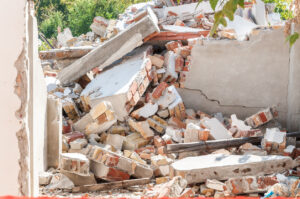 Property damage refers to physical harm, destruction, or loss involving property owned by an individual or business.
It generally falls into two categories:
- Real property damage: Damage to land, homes, buildings, fences, and other permanent structures.
- Personal property damage: Damage to vehicles, electronics, furniture, clothing, and other movable belongings.
Property damage can occur independently or alongside a personal injury. For example, someone injured in a car accident may also face expensive vehicle repairs.
What Are the Most Common Causes of Property Damage?
Property damage can result from accidents, negligence, defective products, or intentional misconduct.
Common causes include:
- Car accidents: Collisions can damage vehicles, personal belongings, and nearby structures.
- Truck accidents: Commercial truck crashes may cause extensive damage to vehicles and property.
- Motorcycle accidents: Collisions can damage motorcycles, helmets, and protective equipment.
- Premises accidents: Dangerous property conditions may damage visitors’ belongings.
- Construction accidents: Falling materials and equipment failures can damage nearby property.
- Defective products: Malfunctioning appliances or electrical equipment can cause fires and property damage.
- Negligent maintenance: Poorly maintained plumbing, electrical systems, or structures can lead to significant losses.
Identifying the cause of the damage is essential when determining who may be financially responsible.
What Is the Difference Between Property Damage and Personal Injury?
Property damage and personal injury claims involve different types of losses.
A property damage claim focuses on the financial consequences of damaged or destroyed belongings. Compensation may cover repairs, replacement costs, or diminished property value.
A personal injury claim involves physical or psychological harm caused by another party’s negligence. These claims may include compensation for medical expenses, lost wages, pain and suffering, and other losses.
Both claims can arise from the same incident. However, the evidence, insurance coverage, and legal rules governing them may differ.
What Types of Compensation Are Available for Property Damage?
The compensation available depends on the extent of the damage, the property’s value, and applicable laws.
Potential compensation includes:
- Repair costs: Expenses necessary to restore damaged property.
- Replacement value: Compensation for property that cannot reasonably be repaired.
- Diminished value: The reduction in a property’s market value following an accident.
- Loss of use: Compensation for being unable to use damaged property.
- Rental expenses: Reasonable costs of temporary transportation or replacement equipment.
- Related expenses: Additional costs resulting from the damage, such as towing or storage fees.
Not every claim qualifies for every category. Insurance coverage and state laws can affect the compensation available.
How Is Property Damage Calculated?
The value of a property damage claim depends on several factors, including the property’s condition before the incident and the cost of repairing or replacing it.
Relevant factors include:
- The property’s fair market value before the damage
- Its age and condition
- The estimated cost of repairs
- Whether repairs are economically reasonable
- Its market value after repairs
- Available receipts, appraisals, and repair estimates
For example, if a vehicle is declared a total loss, compensation is often based on its actual cash value immediately before the accident rather than its original purchase price.
Who Can Be Held Liable for Property Damage?
Liability generally depends on who caused the damage and whether their actions create legal responsibility.
Potentially responsible parties include negligent drivers, property owners, businesses, contractors, manufacturers, and other individuals.
In negligence-based claims, you generally must establish that another party owed a duty of care, breached that duty, and caused measurable damage.
Multiple parties may share responsibility. State comparative or contributory negligence laws can also affect compensation if you contributed to the incident.
How Do You File a Property Damage Claim?
Filing a property damage claim typically involves notifying the appropriate insurance company and documenting your losses.
Important steps include:
- Document the damage: Take photographs and preserve relevant evidence.
- Notify the insurer: Report the incident promptly and follow policy requirements.
- Obtain repair estimates: Gather documentation showing repair or replacement costs.
- Submit supporting records: Provide receipts, photographs, and other relevant information.
- Review the settlement offer: Compare the insurer’s valuation with your documented losses.
- Negotiate if necessary: Challenge an inadequate offer using supporting evidence.
Keeping detailed records can help strengthen your claim and resolve disputes over compensation.
What Happens If an Insurance Company Denies Your Claim?
Insurance companies may deny property damage claims because of coverage exclusions, liability disputes, insufficient documentation, or disagreements about the extent of the damage.
If your claim is denied, review the insurer’s explanation and relevant policy provisions. You may be able to submit additional evidence, request reconsideration, or pursue other available remedies.
An attorney can help you evaluate your options if the insurance company refuses to provide appropriate compensation.
How Long Do You Have to File a Property Damage Lawsuit in California?
In California, you generally have three years from the date of the damage to file a property damage lawsuit. If the incident also caused personal injuries, a separate two-year deadline generally applies.
Claims involving government entities have special requirements. Missing an applicable deadline could prevent you from recovering compensation.
Can a Personal Injury Lawyer Help With Property Damage?
Yes. A personal injury lawyer may assist with property damage claims, especially when the same accident caused physical injuries.
An attorney can investigate the incident, identify responsible parties, calculate losses, negotiate with insurance companies, and pursue compensation through litigation when necessary.
Legal assistance may be particularly valuable when liability is disputed or an insurer refuses to offer a fair settlement.
Contact Fielding Law for a Free Consultation With an Experienced Personal Injury Lawyer
Property damage can create financial stress, especially when repairs are costly or essential belongings are lost. If someone else’s negligence caused the damage, you may be entitled to compensation.
At Fielding Law, we provide compassionate, personalized legal guidance to help clients understand their rights and options. As a boutique personal injury law firm, we prioritize clear communication and attentive service. Contact us today at 833.88.SHARK for a free consultation to discuss your case.